Calories and Nutritions in Scallops
The calories in scallops are very low for such prized seafood, with a 100g (3.5 oz) serving of cooked sea or bay scallops (dry heat) containing 111 to 112 calories. Three ounces (85g) of cooked scallops provide 94-95 calories. Scallops macros highlight their lean protein content, with a 100g cooked serving offering 23g of protein (46% Daily Value/DV), 1.3-1.4g fat (2% DV) and 0g of carbohydrates. They are also rich in Vitamin B12 (2.6µg, 108% DV per 100g cooked), selenium (34.3µg, 62% DV), and phosphorus (334mg, 48% DV). Consumption of lean seafood like scallops contributes high-quality protein and essential micronutrients to the diet, supporting overall health and muscle maintenance (Ahuja, J.K.C., et al., 2004, "USDA Nutrient Database for Standard Reference, Release 17").
Scallops calories are consistent across the two main types, sea scallops (larger) and bay scallops (smaller). China, Japan, and the USA are major producers and consumers of scallops. The price of fresh sea scallops has risen substantially, with retail prices in the U.S. increasing from $8 to $15 per pound in 2004/2005 to $20 to $35 per pound in 2023/2024.
Scallops are featured in dishes like Pan-Seared Sea Scallops at The Capital Grille or Bonefish Grill, and in seafood pastas at Italian restaurants such as Olive Garden (seasonal). Dietary guidelines often recommend including seafood in a healthy eating pattern. A typical serving of 3-4 large sea scallops or a cup of bay scallops (85-120g cooked meat), providing 94-134 calories, is a nutritious choice. Burning 111 calories from a 100g serving of cooked scallops might require activities like 10-14 minutes of brisk walking, 8-11 minutes of jogging, or about 12-15 minutes of swimming.
Scallops nutrition
| Stats | Weight |
|---|---|
| Carbs | 2 grams |
| Protein | 19.5 grams |
| Fats | 0 grams |
| Sugars | 0 grams |
- Large Scallops Calories (Nutritional Facts)
- Bay Scallops Calories (Nutritional Facts)
- Sea Scallops Calories (Nutritional Facts)
- Broiled Scallops Calories (Nutritional Facts)
- Fried Scallops Calories (Nutritional Facts)
- Raw Scallops Nutrition
- Sodium in Scallops
- Potassium in Scallops
- Sugar in Scallops
- Iron in Scallops
- Fiber in Scallops
- Protein in Scallops
- Carbs in Scallops
- Fat in Scallops
- Vitamins in Scallops
- Minerals in Scallops
Large Scallops Calories (Nutritional Facts)
Large scallops, often referring to sea scallops, when cooked using a dry heat method like broiling or baking, contain 111 calories per 100g (3.5 oz) serving of meat. A single large cooked sea scallop (weighing 20-30g, 0.7-1.06 oz) provides 22-33 calories. Cooked large sea scallops (100g) also contain 23.2g of protein, 0g of carbohydrates, and 1.3g of total fat. Raw large sea scallops (100g) contain 88 calories.
A 100g (3.5 oz) serving of cooked bay scallops (dry heat) contains 112 calories. One cup of cooked bay scallop meat (124g, 4.37 oz) provides 139 calories. Cooked bay scallops (100g) contain 22.8g of protein, 0g of carbohydrates, and 1.4g of total fat. Raw bay scallops (100g) contain 81 calories and are much smaller than sea scallops, with many pieces making up 100g.
A 100g (3.5 oz) serving of cooked sea scallops (dry heat) contains 111 calories. Three ounces (85g, 3 oz) of cooked sea scallops provide 94 calories. Cooked sea scallops (100g) also contain 23.2g of protein, 0g of carbohydrates, and 1.3g of total fat. Raw sea scallops (100g) contain 88 calories.
Broiled scallops (mixed species, cooked with dry heat) contain 111 calories per 100g (3.5 oz). A 3 oz (85g, 3 oz) serving of broiled scallops provides 94 calories. If butter or oil is added during broiling, the calorie content will increase; for example, if 1 tsp (4.5g) of butter is added per 100g of scallops, this would add 32 calories.
A 100g (3.5 oz) serving of breaded and fried scallops contains 240 calories. A serving of six medium breaded and fried scallops (130g, 4.6 oz) provides 312 calories. Fried scallops (100g) contain 18.7g of protein, 18.3g of carbohydrates (from breading), and 10.2g of total fat (from frying oil and inherent fat).
A 100g (3.5 oz) serving of raw mixed species scallops contains 88 calories. This portion also provides 16.8g of protein, 0g of total carbohydrates, and 1g of total fat. One large raw sea scallop (25g, 0.88 oz) contains 22 calories.
Raw mixed species scallops contain 161mg of sodium per 100g (7% DV). Cooked scallops (dry heat, 100g) provide 216mg of sodium (9% DV). Fried, breaded scallops (100g) can contain 400-600mg of sodium (17-26% DV) or more due to breading and seasoning.
Raw mixed species scallops provide 337mg of potassium per 100g (7% DV). Cooked scallops (dry heat, 100g) contain 409mg of potassium (9% DV).
Raw mixed species scallops contain 0g of total sugars per 100g. Cooked scallops (dry heat, 100g) also contain 0g of total sugars. Breading on fried scallops may contain a small amount of sugar.
Raw mixed species scallops provide 0.47mg of iron per 100g (3% DV). Cooked scallops (dry heat, 100g) contain 0.58mg of iron (3% DV).
Raw mixed species scallops contain 0g of dietary fiber per 100g. Cooked scallops (dry heat, 100g) also provide 0g of dietary fiber. Breaded fried scallops may contain a small amount of fiber from the breading.
Raw mixed species scallops provide 16.8g of protein per 100g (34% DV). Cooked scallops (dry heat, 100g) contain 23.2g of protein (46% DV).
Raw mixed species scallops contain 0g of total carbohydrates per 100g. Cooked scallops (dry heat, 100g) also provide 0g of total carbohydrates. Fried, breaded scallops (100g) contain 18.3g of carbohydrates (7% DV) from the breading.
Raw mixed species scallops contain 1g of total fat per 100g (1% DV), which includes 0.1g of saturated fat. Cooked scallops (dry heat, 100g) provide 1.3g of total fat (2% DV), with 0.2g of saturated fat. Fried, breaded scallops (100g) contain 10.2g of total fat (13% DV). Scallops are a source of omega-3 fatty acids.
A 100g (3.5 oz) serving of cooked scallops (dry heat) is an excellent source of Vitamin B12, providing 2.6µg (108% DV). It is also a good source of Choline at 83.7mg (15% DV) and provides Vitamin B6 at 0.1mg (6% DV).
A 100g (3.5 oz) serving of cooked scallops (dry heat) is an excellent source of Selenium, providing 34.3µg (62% DV) and Phosphorus at 334mg (48% DV). It is also a good source of Zinc at 1.93mg (18% DV) and Magnesium at 46mg (11% DV).
Get a Custom Report on Scallops Nutrition Data – Contact Us!
What are the Types of Scallops?
There are many species of scallops found worldwide, but two main types are commonly marketed and consumed: Sea Scallops and Bay Scallops. They differ significantly in size, texture, and flavor, with slight variations in their nutritional profiles. The table below shows these common scallop types and their calorie information.
| Type | Description | Calories (per 100g cooked, dry heat) | Calorie Qualifications |
|---|---|---|---|
|
Sea Scallops
|
(Placopecten magellanicus - Atlantic Sea Scallop, Patinopecten yessoensis - Japanese Sea Scallop, etc.) Large size (1.5-2 inches in diameter for the adductor muscle). Chewier, sweeter. | 111 | Low in calories, excellent lean protein. This is a common value for cooked sea scallops. |
|
Bay Scallops
|
(Argopecten irradians - Atlantic Bay Scallop, and other smaller species). Small size (0.5-0.75 inch diameter). More tender, delicate flavor. | 112 | Low in calories, very similar to sea scallops per 100g cooked. |
|
Calico Scallops
|
(Argopecten gibbus) Small, similar to bay scallops, found in warmer waters of the Western Atlantic. Colorful shells. | 110-115 | Low in calories, comparable to bay and sea scallops. |
|
Queen Scallops
|
(Aequipecten opercularis) Smaller than sea scallops, popular in Europe. | 100-110 | Low in calories. |
What are the Main Dishes with Scallops?
Scallops are featured in a variety of elegant main dishes across many cuisines. Some of the most widespread main dishes that contain scallops include pan-seared scallops with lemon butter sauce, scallops incorporated into seafood pasta, and grilled scallops. They are often prepared simply to highlight their natural taste or paired with complementary sauces and ingredients. The table below lists diverse main dishes featuring scallops, along with estimated nutritional information:
| Dish Name | Calories (per serving) | Type of Scallop Commonly Used | Carbs (g) | Sugar (g) | Protein (g) | Fat (g) | Cuisine | Restaurants |
|---|---|---|---|---|---|---|---|---|
|
Pan-Seared Sea Scallops with Lemon Butter Sauce
|
350-550 | Sea | 5-15 | 1-4 | 25-40 | 20-35 | American, French, Contemporary | The Capital Grille, McCormick & Schmick's, Bonefish Grill, Legal Sea Foods |
|
Scallops Alfredo (with Fettuccine)
|
700-1000 | Sea, Bay | 60-80 | 3-7 | 25-40 | 35-60 | Italian-American | Olive Garden (seasonal seafood alfredo), Red Lobster (seasonal) |
|
Grilled Sea Scallops (e.g., with risotto or vegetables)
|
300-500 | Sea | 10-30 | 2-6 | 25-40 | 10-20 | American, Mediterranean | Seasons 52, various upscale seafood restaurants |
|
Scallop Scampi with Linguine
|
500-750 | Sea, Bay | 50-70 | 2-5 | 25-40 | 18-30 | Italian-American | Red Lobster, Olive Garden (variations with shrimp often include scallops) |
|
Coquilles Saint-Jacques (Scallops in Cream Sauce with Cheese)
|
400-600 | Sea | 10-20 | 2-5 | 20-30 | 25-40 | French | Traditional French restaurants, fine dining establishments |
|
Seafood Paella (often includes scallops)
|
500-800 | Sea, Bay | 60-80 | 3-6 | 25-40 | 15-30 | Spanish | Jaleo by José Andrés, Spanish restaurants |
|
Scallop Ceviche
|
150-250 (appetizer) | Bay, Sea (chopped) | 10-20 | 3-7 | 15-25 | 2-8 | Latin American, Peruvian | Peruvian restaurants, upscale Mexican or seafood spots |
|
Bacon-Wrapped Scallops
|
200-350 (appetizer - 3-4 pieces) | Sea | 2-8 | 1-3 | 15-25 | 12-22 | American | Many steakhouses and American restaurants, e.g., Fleming's Prime Steakhouse & Wine Bar |
|
Scallop and Shrimp Pasta (e.g., in a light tomato or cream sauce)
|
550-800 | Sea, Bay | 55-75 | 4-8 | 28-45 | 20-35 | Italian-American, American | Carrabba's Italian Grill, various casual dining Italian restaurants |
|
Fried Scallops (Breaded)
|
400-650 (basket/entrée) | Sea (sometimes Bay) | 30-50 | 1-4 | 20-30 | 20-35 | American (New England) | Legal Sea Foods, New England seafood shacks, some Ivar's Acres of Clams locations |
|
Scallop Stir-fry with Vegetables
|
350-550 | Bay, Sea (sliced) | 20-35 | 5-10 | 20-30 | 10-20 | Asian Fusion | Some P.F. Chang's seasonal dishes, upscale Asian fusion restaurants |
|
Scallop Risotto
|
450-700 | Sea, Bay | 45-65 | 2-5 | 20-30 | 15-25 | Italian | Upscale Italian restaurants |
|
Cioppino (Italian-American Fish Stew with Scallops)
|
400-700 | Sea, Bay | 15-30 | 5-10 | 30-45 | 10-20 | Italian-American (San Francisco) | Tadich Grill (San Francisco), seafood restaurants serving classic stews |
|
Seared Scallops with Polenta or Grits
|
400-600 | Sea | 30-45 | 2-6 | 25-35 | 15-25 | Contemporary American, Southern | Restaurants with a focus on Southern or contemporary American cuisine |
What Cuisines Prefer Scallops the Most?
Scallops are highly esteemed in many global cuisines, particularly those with a strong emphasis on seafood and refined flavors. They are especially favored in French, Italian, American (particularly New England and fine dining), Japanese, and Spanish cuisines, where their delicate sweetness and tender texture are showcased. The table below highlights cuisines that frequently utilize scallops.
| Cuisine | Dish Name | Calories (per serving) | Restaurants |
|---|---|---|---|
|
French
|
Coquilles Saint-Jacques | 400-600 | Traditional French restaurants, fine dining |
|
French
|
Pan-Seared Scallops with Beurre Blanc | 350-550 | French bistros, upscale establishments |
|
Italian
|
Scallop Risotto | 450-700 | Upscale Italian restaurants |
|
Italian-American
|
Scallops with Pasta (e.g., Scampi, Alfredo) | 500-1000 | Olive Garden (seasonal), Carrabba's Italian Grill, Red Lobster |
|
American (New England)
|
Fried Sea Scallops | 400-650 | Legal Sea Foods, New England seafood shacks |
|
American (Contemporary/Fine Dining)
|
Pan-Seared Sea Scallops with innovative pairings | Varies | The Capital Grille, McCormick & Schmick's, Seasons 52 |
|
Japanese
|
Hotate (Scallop) Sushi/Sashimi | 30-50 (per piece sushi) | Most sushi restaurants, e.g., Nobu, Katsuya, local sushi bars |
|
Japanese
|
Grilled Scallops with Soy Butter | 200-350 (appetizer) | Izakayas, Japanese steakhouses like Benihana |
|
Spanish
|
Vieiras a la Gallega (Galician-style Scallops) | 250-400 (tapa/appetizer) | Spanish tapas bars, Galician specialty restaurants |
|
Chinese (Cantonese Seafood)
|
Steamed Scallops with Garlic and Vermicelli | 200-350 (appetizer) | Authentic Cantonese seafood restaurants |
Which Countries Produce the Most Scallops?
The top producers of scallops globally include China, Japan, the United States, Canada, and Peru. China is by far the largest producer, primarily through aquaculture of various scallop species. Japan also has significant aquaculture and wild capture fisheries for scallops. The United States and Canada are major producers of Atlantic sea scallops and various Pacific scallop species. The Food and Agriculture Organization of the United Nations (FAO) provides data for "Scallops, Pecten spp." and other related categories like "Scallops, various." In 2022, China's production of scallops (various species combined) was in the thousands of kilotonnes. The table below shows production volumes primarily for "Scallops, various" or aggregated scallop data for leading countries.
| Country | 2004 | 2005 | 2006 | 2007 | 2008 | 2009 | 2010 | 2011 | 2012 | 2013 | 2014 | 2015 | 2016 | 2017 | 2018 | 2019 | 2020 | 2021 | 2022 | 2023 (Est.) |
|---|---|---|---|---|---|---|---|---|---|---|---|---|---|---|---|---|---|---|---|---|
| China | 1,200 | 1,250 | 1,300 | 1,350 | 1,400 | 1,450 | 1,500 | 1,550 | 1,600 | 1,650 | 1,700 | 1,750 | 1,800 | 1,850 | 1,900 | 1,950 | 1,980 | 2,010 | 2,030 | 2,050 |
| Japan | 450 | 460 | 470 | 480 | 470 | 460 | 450 | 430 | 420 | 410 | 400 | 390 | 380 | 370 | 360 | 350 | 340 | 330 | 320 | 315 |
| USA | 200 | 210 | 220 | 230 | 225 | 215 | 200 | 190 | 195 | 205 | 215 | 220 | 210 | 200 | 190 | 180 | 170 | 165 | 160 | 158 |
| Peru | 80 | 90 | 100 | 110 | 120 | 130 | 140 | 130 | 120 | 110 | 100 | 95 | 90 | 85 | 80 | 75 | 70 | 68 | 65 | 63 |
| Canada | 60 | 65 | 70 | 75 | 72 | 68 | 65 | 62 | 60 | 58 | 55 | 52 | 50 | 48 | 46 | 44 | 42 | 40 | 38 | 37 |
| Russia | 30 | 35 | 40 | 45 | 50 | 48 | 45 | 42 | 40 | 38 | 36 | 34 | 32 | 30 | 28 | 26 | 25 | 24 | 23 | 22 |
Which Countries Consume the Most Scallops?
Based on production, import/export data (UN Comtrade), and market analyses, the largest consumers of scallops are Japan, the United States, China, and several European countries, particularly France, Spain, and Italy. Japan has a very high per capita consumption, where scallops (hotate) are popular in sushi, sashimi, and grilled dishes. The United States is a major market for both domestically produced Atlantic sea scallops and imported scallops. China's consumption has been growing with its increased production.
| Country/Region | 2004 | 2005 | 2006 | 2007 | 2008 | 2009 | 2010 | 2011 | 2012 | 2013 | 2014 | 2015 | 2016 | 2017 | 2018 | 2019 | 2020 | 2021 |
|---|---|---|---|---|---|---|---|---|---|---|---|---|---|---|---|---|---|---|
| China | 1180 | 1230 | 1280 | 1330 | 1380 | 1420 | 1470 | 1520 | 1570 | 1620 | 1670 | 1720 | 1770 | 1820 | 1870 | 1920 | 1950 | 1980 |
| Japan | 400 | 410 | 420 | 430 | 420 | 410 | 400 | 380 | 370 | 360 | 350 | 340 | 330 | 320 | 310 | 300 | 290 | 280 |
| USA | 180 | 190 | 200 | 210 | 205 | 195 | 180 | 170 | 175 | 185 | 195 | 200 | 190 | 180 | 170 | 160 | 150 | 145 |
| European Union | 100 | 105 | 110 | 115 | 112 | 108 | 105 | 102 | 100 | 98 | 95 | 92 | 90 | 88 | 85 | 82 | 80 | 78 |
| Canada | 20 | 22 | 24 | 26 | 25 | 23 | 22 | 21 | 20 | 19 | 18 | 17 | 16 | 15 | 14 | 13 | 12 | 11 |
How Do Prices of Scallops-including Dishes Change?
The prices of restaurant dishes featuring scallops have increased over the past 20 years. This is primarily driven by the substantial rise in the market price of scallops and increases in the costs of other complementary ingredients. Scallops are considered a high-value, premium ingredient, and this is reflected in their menu pricing. Below is a comparison of estimated prices for scallop dishes.
| Restaurant Chain/Type | Dish | Old Price (2004-2008) | Current Price (2024-2025) |
|---|---|---|---|
| The Capital Grille | Seared Sea Scallops with Maine Lobster | $40.00 - $45.00 | $60.00 - $68.00 |
| Bonefish Grill | Sea Scallops Entrée | $17.99 - $23.99 | $28.50 - $29.99 |
| Restaurants with French Cuisine | Coquilles Saint-Jacques | $18.00 - $25.00 | $28.00 - $38.00 |
| Japanese Restaurant (Sushi Bar) | Hotate (Scallop) Nigiri (2 pieces) | $4.50 - $6.50 | $7.00 - $12.00 |
How Does the Price of Scallops Change for the Last 20 Years?
The price of scallops, based on data from sources like NOAA Fisheries (for U.S. ex-vessel and wholesale prices for sea scallops) and retail market tracking, has shown a significant upward trend over the last 20 years, with considerable volatility. In the early 2000s, fresh, large sea scallop meats (the adductor muscle) at retail in the U.S. ranged from $8 to $15 per pound. By the early 2020s (2022-2023), retail prices for fresh large sea scallops frequently ranged from $20 to $35 per pound, and often higher for premium "diver scallops" or during periods of tight supply. Bay scallops, being smaller, are less expensive per pound but have also seen price increases. The lowest prices for scallops were typically seen in the earlier part of this period or during times of unusually high landings. Price range factors include the species of scallop (sea scallops are more expensive than bay scallops), size (larger scallops command higher prices), whether they are fresh or frozen, wild-caught or farmed (though most commercially significant scallops are wild-caught, some aquaculture exists, especially in China and Japan), and "dry" packed versus "wet" packed (soaked in water/phosphates, which adds weight but can dilute flavor and quality). Catch limits and the health of wild scallop populations heavily influence supply and price for U.S. Atlantic sea scallops and other wild fisheries. Fuel costs for fishing vessels, labor, processing, and distribution are significant cost drivers. Countries that are major producers and exporters, like the U.S., Canada, and Japan, play a role in global pricing. Consumer demand for scallops has remained strong, especially in restaurant and fine dining sectors. This sustained demand, coupled with managed wild harvests and rising operational costs, has contributed to the notable price increase for scallops over the last two decades.
| Year | Price |
|---|---|
| 2004 | $9 |
| 2005 | $9.5 |
| 2006 | $10 |
| 2007 | $10.5 |
| 2008 | $11 |
| 2009 | $10.2 |
| 2010 | $11.3 |
| 2011 | $12.5 |
| 2012 | $13.2 |
| 2013 | $14 |
| 2014 | $15.5 |
| 2015 | $16 |
| 2016 | $16.8 |
| 2017 | $17.5 |
| 2018 | $18.3 |
| 2019 | $19 |
| 2020 | $20.5 |
| 2021 | $22 |
| 2022 | $24.5 |
| 2023 | $27 |
| 2024 | $29 |
What is the Scallops Calorie for 100 Grams?
A 100g (3.5 oz) serving of raw mixed species scallops contains 88 calories. A 100g (3.5 oz) serving of cooked scallops (dry heat, e.g., broiled or baked) provides 111 calories. A 100g (3.5 oz) serving of breaded and fried scallops contains 240 calories.
What is the Scallops Calorie for 1 KG?
One kilogram (1000g, 35.27 oz) of raw mixed species scallops contains 880 calories. One kilogram (1000g, 35.27 oz) of cooked scallops (dry heat) provides 1110 calories. One kilogram (1000g, 35.27 oz) of breaded and fried scallops contains 2400 calories.
What is the Calorie of 1 Scallop?
The calorie content of one scallop depends on its size and preparation. One large raw sea scallop (25g, 0.88 oz) contains 22 calories. One large cooked sea scallop (20-30g) using dry heat provides 22-33 calories. One small raw bay scallop (5g, 0.18 oz) contains 4 calories. One breaded and fried medium scallop (22g, 0.78 oz) contains 53 calories.
What are the Health Benefits of Scallops?
Scallops provide some health benefits like supporting muscle development and boosting mineral intake due to its rich composition of lean protein, vitamins, and essential minerals. A list of the health benefits of scallops are shown below:
- Excellent Source of Lean Protein: Scallops are packed with high-quality, lean protein, which is essential for building and repairing tissues, producing enzymes and hormones, and maintaining muscle mass. (Paddon-Jones, D. & Rasmussen, B.B., 2009, "Dietary protein recommendations and the prevention of sarcopenia").
- Rich in Vitamin B12: Scallops are an outstanding source of Vitamin B12, a nutrient crucial for nerve function, the formation of red blood cells, and DNA synthesis. This helps prevent anemia and supports neurological health. (Watanabe, F., 2007, "Vitamin B12 sources and bioavailability").
- Good Source of Omega-3 Fatty Acids: Scallops contain beneficial omega-3 fatty acids, including EPA and DHA, which are known for their heart-protective effects, such as reducing inflammation, lowering triglycerides, and supporting brain health. (Mozaffarian, D. & Rimm, E.B., 2006, "Fish intake, contaminants, and human health: evaluating the risks and the benefits").
- High in Selenium and Zinc: They are a good source of selenium, a powerful antioxidant that supports thyroid function and protects cells, and zinc, which is vital for immune function, wound healing, and DNA synthesis. (Rayman, M.P., 2012, "Selenium and human health"; Prasad, A.S., 2008, "Zinc in Human Health: Effect of Zinc on Immune Cells").
- Provide Phosphorus and Magnesium: Scallops contain phosphorus, essential for bone health and energy metabolism, and magnesium, which is involved in over 300 biochemical reactions in the body, including muscle and nerve function, blood glucose control, and blood pressure regulation.
- Low in Fat and Calories: Scallops are naturally low in total fat, particularly saturated fat, and are a low-calorie protein source, making them a healthy choice for weight management and overall cardiovascular health.
What are the Downsides of Scallops?
Scallops have been known to cause some unwanted effects like potential shellfish allergies and risks of environmental contaminants due to their nature as filter-feeding bivalve mollusks. A list of the downsides of scallops are shown below:
- Shellfish Allergies: Scallops are molluscan shellfish, which are one of the most common food allergens. Allergic reactions can be severe and potentially life-threatening (anaphylaxis) in sensitized individuals. (Sicherer, S.H. & Sampson, H.A., 2014, "Food allergy: Epidemiology, pathogenesis, diagnosis, and treatment").
- Risk of Foodborne Illness from Raw or Undercooked Scallops: Consuming raw or improperly cooked scallops can pose a risk of foodborne illnesses caused by bacteria (like Vibrio species) or viruses that may be present if harvested from contaminated waters. Thorough cooking is recommended. (Iwamoto, M., et al., 2010, "Epidemiology of seafood-associated infections in the United States").
- Accumulation of Marine Toxins (Biotoxins): Like other filter-feeding bivalves, scallops can accumulate biotoxins produced by harmful algal blooms (HABs), which can cause illnesses such as Paralytic Shellfish Poisoning (PSP) or Amnesic Shellfish Poisoning (ASP) if harvested from affected waters during a bloom. Commercial harvesting areas are typically monitored for these toxins to ensure safety. (Food and Agriculture Organization of the United Nations, "Marine biotoxins").
- Potential for Heavy Metal Contamination: Scallops can accumulate heavy metals like cadmium, lead, or mercury from their environment, particularly if harvested from polluted waters. Levels are generally lower than in large predatory fish, but it remains a consideration. (U.S. Food and Drug Administration, "Metals and Your Food").
- Sustainability Concerns for Some Wild Fisheries: While some scallop fisheries are well-managed, others have faced issues of overfishing or habitat damage from certain harvesting methods (like dredging). Choosing scallops from sustainable sources is important. (Monterey Bay Aquarium Seafood Watch, "Scallops").
- Cost: High-quality, fresh sea scallops can be relatively expensive compared to other types of seafood.
Are Scallops Good for You?
Yes, scallops are good for you when sourced from reputable suppliers and cooked properly. They are a highly nutritious seafood choice, offering an excellent source of lean protein, Vitamin B12, selenium, and zinc, along with beneficial omega-3 fatty acids. These nutrients contribute to various aspects of health, including cardiovascular wellness, immune function, and neurological health. (Kris-Etherton, P.M., et al., 2002, "Fish Consumption, Fish Oil, Omega-3 Fatty Acids, and Cardiovascular Disease"). Scallops are also low in calories and total fat. The main considerations are potential shellfish allergies, the importance of thorough cooking to avoid foodborne illness, and choosing sustainably harvested scallops. (U.S. Food and Drug Administration, "Advice About Eating Fish"). For individuals without allergies, cooked scallops can be a delicious and beneficial part of a balanced diet.
Are Scallops Bad for Cholesterol?
No, scallops are generally not considered bad for cholesterol for most people when consumed as part of a balanced diet. While scallops, like other shellfish, do contain dietary cholesterol (around 35-55mg per 100g cooked, depending on the species), dietary cholesterol has less of an impact on blood cholesterol levels for the majority of the population than saturated and trans fats. Scallops are very low in saturated fat. Current research indicates that for most individuals, consuming foods with cholesterol does not significantly raise blood cholesterol levels or increase the risk of heart disease (Grundy, S.M., et al., 2019; McNamara, D.J., 2000, "Dietary cholesterol and atherosclerosis). The focus for managing blood cholesterol is more on limiting saturated and trans fats, both of which are low in scallops prepared without added high-fat ingredients.
Are Scallops Safe During Pregnancy?
Yes, scallops are generally safe and beneficial to eat during pregnancy, provided they are sourced from reputable suppliers and cooked thoroughly. Scallops are low in mercury, which is a key concern with some types of seafood during pregnancy. The U.S. Food and Drug Administration (FDA) and the Environmental Protection Agency (EPA) include scallops in their "Best Choices" category for fish and shellfish consumption by pregnant and breastfeeding women, recommending 2-3 servings per week from this list (U.S. Food and Drug Administration, "Advice About Eating Fish"). Scallops provide important nutrients for fetal development, including protein, omega-3 fatty acids (DHA), Vitamin B12, iron, and zinc (Hibbeln, J.R., et al., 2007, "Maternal seafood consumption in pregnancy and neurodevelopmental outcomes in childhood (ALSPAC study): an observational cohort study"). Thorough cooking is crucial to eliminate any risk of foodborne pathogens. Raw or undercooked scallops should be avoided during pregnancy (American College of Obstetricians and Gynecologists, "Nutrition During Pregnancy").
How Do Calories Change According to Scallop Types?
The calorie content between the most common types of scallops, namely Sea Scallops and Bay Scallops, is remarkably similar when cooked using comparable methods like steaming or broiling (dry heat). Cooked sea scallops contain 111 calories per 100g, while cooked bay scallops provide 112 calories per 100g. Other smaller varieties like Calico scallops and Queen scallops also fall within a very close low-calorie range, typically between 100 and 115 calories per 100g cooked. The primary reason for this similarity is that all these scallop types are lean shellfish with high protein content and very low fat content.
The slight differences in calories are usually negligible and can be attributed to minor variations in moisture and protein-to-fat ratios between species or even within the same species based on harvest location and season. The preparation method (e.g., frying, which adds significant calories from oil and breading, versus steaming or broiling) will have a far more substantial impact on the final calorie count of a scallop dish than the specific type of lean scallop used. Raw scallops of various types are also very similar, generally containing 81-88 calories per 100g.
What are Desserts with Scallops?
There are no known or established dessert dishes that feature scallops as an ingredient. Any attempt to do so would be purely for experimental or shock value and not part of any recognized cuisine or standard restaurant offering.
What is the Origin of Scallops?
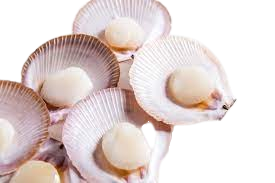
Scallops have been a part of human diets for thousands of years, with their shells (often distinctively fan-shaped with radiating ribs) found in ancient coastal middens across the globe, indicating early human consumption. They inhabit all the world's oceans, with numerous species varying in size and habitat from shallow bays to deep sea environments. The origin of scallops as a significant food source is therefore widespread across coastal cultures.
The scallop shell itself has a rich history beyond just food. It has been a symbol for millennia, most famously as the emblem of Saint James (Santiago), carried by pilgrims on the Camino de Santiago in Spain. In classical antiquity, the scallop shell was associated with the Roman goddess Venus (and her Greek counterpart Aphrodite), often depicted emerging from a scallop shell, as in Botticelli's famous painting "The Birth of Venus." This symbolic importance perhaps elevated the status of the scallop itself. In culinary history, scallops have long been regarded as a delicacy in European cuisine, particularly in France, where classic dishes like Coquilles Saint-Jacques (scallops in a creamy wine sauce, often served in their shells and topped with cheese or breadcrumbs) became a hallmark of fine dining.
Explore More Seafood
Discover more Seafood with detailed nutrition facts, calorie counts, vitamins, minerals, and health benefits. Compare similar foods, serving sizes, macronutrients, and key nutrients to find the best option for your diet and nutrition goals.
 Anchovies calories
 Barramundi calories
 Bluefin Tuna calories
 Bluefish calories
 Calamari calories
 Catfish calories
 Clams calories
 Cod calories
 Conch calories
 Crab calories
 Eel calories
 Fish calories