Calories and Nutritions in Sea Bass
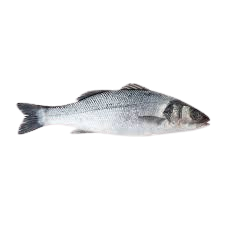
Sea bass is a lean fish that is low in calories and rich in high-quality protein. There are 97 calories in a 100 gram serving of raw sea bass, while one kilogram (1000g) of raw sea bass contains 970 calories. There are 125 calories in sea bass for a single raw fillet (129g), while a 100g serving of cooked sea bass (dry heat) provides 124 calories, 23.7g of protein, 2.6g of fat, 0g of carbohydrates, 0g of fiber, and 0g of sugar. A whole sea bass from ASDA has 256 calories, while one serving of Chilean Sea Bass from Eddie V's contains 290 calories.
The sea bass nutrition facts show this fish is an excellent source of omega-3 fatty acids. A meta-analysis confirmed that consumption of fish rich in omega-3s is strongly associated with reduced risk of coronary heart disease (Mozaffarian, D., & Rimm, E. B., 2006). The main health benefits of sea bass come from its overall sea bass nutrition, including a profile of omega-3s, protein, and selenium. A 100g serving of cooked sea bass provides 0.65g of omega-3s and 67% of the DV for selenium, supporting heart and cellular health.
The main types of sea bass are European sea bass (branzino), black sea bass, and Chilean sea bass. Top producers of farmed sea bass include Turkey and Greece, while Italy and Spain are major consumers. The price of sea bass has increased over the last 20 years, with the average retail price for wild black sea bass rising from under $9.00 per pound in 2001/2002 to over $18.00 per pound in 2022.
Sea bass is a key ingredient in dishes like Whole Roasted Branzino and Miso-Glazed Chilean Sea Bass at restaurants like Zaytinya and Nobu. A good recommendation for consumption is a 4-ounce (113g) fillet of cooked sea bass twice per week. One 4-ounce serving of seabass provides 141 calories, which can be burned by doing 14 minutes of moderate speed running or 18 minutes of cycling.
Sea Bass nutrition
| Stats | Weight |
|---|---|
| Carbs | 0 grams |
| Protein | 23 grams |
| Fats | 0 grams |
| Sugars | 0 grams |
- Raw Sea Bass Calories (Nutritional Facts)
- Sea Bass Fillet Calories (Nutritional Facts)
- Small Sea Bass Calories (Nutritional Facts)
- Fiber in Sea Bass
- Protein in Sea Bass
- Carbs in Sea Bass
- Fat in Sea Bass
- Vitamins in Sea Bass
- Minerals in Sea Bass
- Omega 3 in Sea Bass
- Cholesterol in Sea Bass
Raw Sea Bass Calories (Nutritional Facts)
A 100g serving (3.53oz) of raw sea bass contains 97 calories, 18.4g of protein, 2g of fat, 0g of carbohydrates, 0g of fiber, 0g of sugar, and 68mg of sodium. A 3oz (85g) serving of raw sea bass contains 82 calories, 15.7g of protein, 1.7g of fat, 0g of carbohydrates, 0g of fiber, 0g of sugar, and 57.8mg of sodium. A 200-calorie serving of raw sea bass (206g) provides 200 calories, 38g of protein, 4.1g of fat, 0g of carbohydrates, 0g of fiber, 0g of sugar, and 140.2mg of sodium.
A single raw fillet (129g) contains 125 calories, 23.8g of protein, 2.6g of fat, 0g of carbohydrates, 0g of fiber, 0g of sugar, and 87.7mg of sodium. A sea bass fillet cooked with dry heat (101g) contains 125 calories, 23.9g of protein, 2.6g of fat, 0g of carbohydrates, 0g of fiber, 0g of sugar, and 87.9mg of sodium. A one-ounce (28g) serving of sea bass fillet cooked with dry heat contains 35 calories, 6.7g of protein, 0.73g of fat, 0g of carbohydrates, 0g of fiber, 0g of sugar, and 24.7mg of sodium. A 300g serving of sea bass fillet cooked with dry heat contains 372 calories, 70.9g of protein, 7.7g of fat, 0g of carbohydrates, 0g of fiber, 0g of sugar, and 261mg of sodium.
A small sea bass portion cooked with dry heat (50g) contains 62 calories, 11.8g of protein, 1.3g of fat, 0g of carbohydrates, 0g of fiber, 0g of sugar, and 43.5mg of sodium. A small raw sea bass portion (50g) contains 49 calories, 9.2g of protein, 1g of fat, 0g of carbohydrates, 0g of fiber, 0g of sugar, and 34mg of sodium.
Sea bass contains 0g of dietary fiber across all preparations and serving sizes.
A 100g serving of sea bass cooked with dry heat has 23.7g of protein, and a 100g serving of raw sea bass has 18.4g of protein. A single fillet cooked with dry heat (101g) has 23.9g of protein, while a single raw fillet (129g) has 23.8g of protein. A 300g serving of sea bass fillet cooked with dry heat has 70.9g of protein. A small 50g portion cooked with dry heat has 11.8g of protein, and a small 50g raw portion has 9.2g of protein.
Sea bass contains 0g of carbohydrates across all preparations and serving sizes.
A 100g serving of sea bass cooked with dry heat contains 2.6g of total fat, and a 100g serving of raw sea bass contains 2g of total fat. A single fillet cooked with dry heat (101g) contains 2.6g of total fat, while a single raw fillet (129g) contains 2.6g of total fat. A 300g serving of sea bass fillet cooked with dry heat contains 7.7g of total fat. A small 50g portion cooked with dry heat has 1.3g of fat, and a small 50g raw portion has 1g of fat.
A 100g serving of raw sea bass provides 5.6mcg of Vitamin D (28% DV). A 3oz (85g) serving of raw sea bass provides 4.8mcg of Vitamin D (24% DV). A 200-calorie serving of raw sea bass (206g) provides 11.5mcg of Vitamin D (58% DV). A single raw fillet (129g) provides 7.2mcg of Vitamin D (36% DV).
A 100g serving of raw sea bass contains 194mg of phosphorus (16% DV), 256mg of potassium (5% DV), and 10mg of calcium (1% DV). A single fillet cooked with dry heat (101g) contains 250.5mg of phosphorus (20% DV), 331.3mg of potassium (7% DV), and 13.1mg of calcium (1% DV). A 300g serving of sea bass fillet cooked with dry heat contains 744mg of phosphorus (60% DV) and 984mg of potassium (21% DV). A 200-calorie serving of raw sea bass (206g) contains 400mg of phosphorus (32% DV) and 527.8mg of potassium (11% DV).
A 100g serving of sea bass cooked with dry heat contains 0.65g of omega-3 fatty acids, and a 100g serving of raw sea bass contains 0.5g of omega-3 fatty acids. A single fillet cooked with dry heat (101g) contains 0.66g of omega-3s, and a 300g serving contains 1.95g of omega-3s. A single raw fillet (129g) contains 0.65g of omega-3s, and a 200-calorie raw serving (206g) contains 1.03g of omega-3s.
A 100g serving of sea bass cooked with dry heat contains 53mg of cholesterol (18% DV), and a 100g serving of raw sea bass contains 41mg of cholesterol (14% DV). A single fillet cooked with dry heat (101g) contains 53.5mg of cholesterol (18% DV), while a single raw fillet (129g) contains 52.9mg of cholesterol (18% DV). A 300g serving of sea bass fillet cooked with dry heat contains 159mg of cholesterol (53% DV). A 200-calorie serving of raw sea bass (206g) contains 84.5mg of cholesterol (28% DV).
Get a Custom Report on Sea Bass Nutrition Data – Contact Us!
What are the Types of Sea Bass?
The types of sea bass are European sea bass, black sea bass, and Chilean sea bass (Patagonian toothfish). The table below details the characteristics of these common varieties.
| Type | Description | Calories (Approximate per 100g cooked) | Calorie Qualifications |
|---|---|---|---|
|
European Sea Bass (Branzino)
|
A saltwater fish with a mild, delicate flavor and firm, white flesh. | 124 calories | Low in calories, a lean source of protein. |
|
Black Sea Bass
|
Found in the Western Atlantic. Has a firm texture and a mild, slightly sweet flavor. | 124 calories | Low in calories, with a nutritional profile similar to European sea bass. |
|
Chilean Sea Bass (Patagonian Toothfish)
|
A deep-water fish with a rich, buttery flavor and large, white flakes. Not a true bass. | 225 calories | High in calories and fat, prized for its rich taste and texture. |
What are the Main Dishes With Sea Bass?
Sea bass is a popular main course fish, prized for a mild flavor and firm texture that holds up well to grilling, baking, and pan-searing. Main course dishes that feature sea bass are outlined in the following table.
| Dish Name | Calories (Estimate per serving) | Type of Sea Bass Used | Carbs (g) (Estimate) | Sugar (g) (Estimate) | Protein (g) (Estimate) | Fat (g) (Estimate) | Cuisine | Restaurants |
|---|---|---|---|---|---|---|---|---|
|
Whole Roasted Branzino
|
450-600 | European Sea Bass | 10-15 | 3-6 | 40-50 | 25-35 | Mediterranean, Italian | Zaytinya (Washington, D.C.) |
|
Pan-Seared Sea Bass with Lemon-Butter Sauce
|
500-650 | European or Black Sea Bass | 5-10 | 2-4 | 35-45 | 30-40 | French, American | The Capital Grille (restaurant chain) |
|
Miso-Glazed Chilean Sea Bass
|
600-800 | Chilean Sea Bass | 20-30 | 15-25 | 40-50 | 35-45 | Japanese, Pan-Asian | Nobu (restaurant chain) |
|
Grilled Sea Bass with Vegetables
|
400-550 | Black Sea Bass | 15-25 | 5-10 | 40-50 | 18-28 | Modern American | The Cheesecake Factory (restaurant chain) |
|
Steamed Sea Bass with Ginger & Scallions
|
350-500 | European or Black Sea Bass | 5-10 | 2-5 | 35-45 | 15-25 | Chinese (Cantonese) | Yank Sing (San Francisco, CA) |
|
Sea Bass en Papillote
|
400-550 | European Sea Bass | 10-20 | 5-10 | 40-50 | 20-30 | French, Italian | Le Bernardin (New York, NY) |
|
Salt-Crusted Sea Bass
|
400-550 | European Sea Bass | 0-5 | 0-2 | 40-50 | 20-30 | Italian, Mediterranean | Marea (New York, NY) |
|
Sea Bass Ceviche
|
250-400 | Black Sea Bass | 15-25 | 8-12 | 20-30 | 5-10 | Peruvian, Latin American | La Mar Cebicheria Peruana (San Francisco, CA) |
|
Crispy Skin Sea Bass
|
500-650 | European or Black Sea Bass | 20-30 | 4-8 | 35-45 | 28-38 | Modern American | Gramercy Tavern (New York, NY) |
|
Sea Bass Tacos
|
400-550 | Black Sea Bass | 30-40 | 3-6 | 25-35 | 15-25 | Mexican (Coastal) | Puesto (restaurant chain) |
What Cuisines Prefer Sea Bass the Most?
Sea bass is a foundational ingredient in Mediterranean cuisines, where the fish's delicate flavor is a perfect match for the region's emphasis on fresh herbs, olive oil, and citrus. Cuisines that prominently feature sea bass are shown in the table below.
| Cuisine | Dish | Types of Sea Bass Used | Calories (Estimate per serving) | Restaurant(s) |
|---|---|---|---|---|
|
Italian
|
Branzino al Sale (Salt-Baked Sea Bass) | European Sea Bass | 400-550 | Marea (New York, NY) |
|
Greek
|
Lavraki Plaki (Baked Sea Bass with Tomatoes) | European Sea Bass | 450-600 | Avra Madison Estiatorio (New York, NY) |
|
French
|
Loup de Mer with Sauce Vierge | European Sea Bass | 500-650 | Le Bernardin (New York, NY) |
|
Pan-Asian (Fusion)
|
Miso-Glazed Chilean Sea Bass | Chilean Sea Bass | 600-800 | Roy's (restaurant chain) |
|
Spanish
|
Lubina a la Plancha (Grilled Sea Bass) | European Sea Bass | 400-550 | Casa Mono (New York, NY) |
|
Chinese (Cantonese)
|
Steamed Whole Sea Bass | European or Black Sea Bass | 350-500 | Yank Sing (San Francisco, CA) |
|
Turkish
|
Izgara Levrek (Grilled Sea Bass) | European Sea Bass | 400-550 | Zaytinya (Washington, D.C.) |
|
Modern American
|
Grilled Sea Bass with Seasonal Succotash | Black Sea Bass | 400-550 | Gramercy Tavern (New York, NY) |
|
Japanese
|
Sea Bass Sashimi (Suzuki) | Black Sea Bass | 100-150 | Nobu (restaurant chain) |
|
Thai
|
Pla Kapong Neung Manao (Steamed Sea Bass with Lime) | European Sea Bass | 400-550 | Ayada Thai (New York, NY) |
Which Countries Produce Most Sea Bass?
The top producers of sea bass, based on aquaculture production volumes for European sea bass, are Turkey, Greece, and Egypt. The growth of marine aquaculture has made these Mediterranean countries the global leaders in supplying farmed sea bass. The table below shows the production quantity for European sea bass for these leading countries from 2003 to 2022.
| Country | 2003 | 2004 | 2005 | 2006 | 2007 | 2008 | 2009 | 2010 | 2011 | 2012 | 2013 | 2014 | 2015 | 2016 | 2017 | 2018 | 2019 | 2020 | 2021 | 2022 |
|---|---|---|---|---|---|---|---|---|---|---|---|---|---|---|---|---|---|---|---|---|
| Turkey | 28,500 | 35,100 | 42,300 | 48,900 | 55,200 | 65,800 | 68,100 | 72,400 | 78,600 | 85,300 | 92,100 | 105,400 | 115,800 | 128,900 | 135,600 | 142,300 | 155,800 | 162,100 | 168,900 | 175,400 |
| Greece | 30,200 | 32,800 | 35,100 | 38,400 | 42,100 | 45,600 | 48,200 | 50,100 | 52,300 | 55,800 | 58,100 | 60,400 | 62,300 | 65,100 | 68,400 | 70,200 | 72,100 | 75,300 | 78,600 | 81,200 |
| Egypt | 10,500 | 12,300 | 15,800 | 18,200 | 22,100 | 25,400 | 28,900 | 32,100 | 35,600 | 38,200 | 42,100 | 45,800 | 48,900 | 52,300 | 55,100 | 58,400 | 60,200 | 62,100 | 65,300 | 68,900 |
Which Countries Consume Most Sea Bass?
The top consumers of sea bass, based on import volumes for fresh and chilled marine fish, are Italy, Spain, and France. High import volumes in these Mediterranean countries reflect the fish's integral role in their national cuisines. The table below shows the import quantity of fresh or chilled marine fish for these top consuming countries.
| Country | 2003 | 2004 | 2005 | 2006 | 2007 | 2008 | 2009 | 2010 | 2011 | 2012 | 2013 | 2014 | 2015 | 2016 | 2017 | 2018 | 2019 | 2020 | 2021 | 2022 |
|---|---|---|---|---|---|---|---|---|---|---|---|---|---|---|---|---|---|---|---|---|
| Italy | 150,112 | 155,432 | 160,876 | 165,990 | 172,112 | 178,432 | 175,876 | 180,990 | 185,345 | 182,876 | 188,990 | 192,112 | 190,432 | 195,876 | 198,990 | 202,345 | 205,876 | 198,990 | 208,345 | 212,876 |
| Spain | 120,876 | 125,345 | 130,990 | 135,432 | 140,876 | 145,112 | 142,432 | 148,987 | 152,345 | 150,990 | 155,112 | 158,432 | 156,876 | 160,112 | 163,432 | 166,876 | 170,990 | 165,345 | 172,876 | 176,990 |
| France | 95,678 | 98,345 | 102,112 | 105,432 | 110,876 | 115,990 | 112,345 | 118,876 | 122,990 | 120,112 | 125,432 | 128,876 | 126,990 | 130,345 | 133,876 | 136,990 | 140,345 | 135,876 | 142,990 | 146,345 |
How Do Prices of Sea Bass-Including Dishes Change?
The menu prices of dishes that include sea bass have risen substantially over the past decade. This change reflects increases in the wholesale cost of the fish, labor, and restaurant overhead. Fine dining restaurants like Nobu and The Capital Grille, which feature premium sea bass, have adjusted menu prices to account for these economic factors.
| Restaurant | Dish | Old Price (Year) | Current Price (2024/2025) |
|---|---|---|---|
| The Capital Grille (restaurant chain) | Pan-Seared Sea Bass | $42.00 (2016) | $56.00 - $59.00 |
| Nobu (restaurant chain) | Black Cod with Miso (similar prep to Sea Bass) | $38.00 (2015) | $50.00 - $58.00 |
| Marea (New York, NY) | Salt-Baked Branzino for Two | $98.00 (2015) | $128.00 - $145.00 |
| Roy's (restaurant chain) | Miso-Glazed Chilean Sea Bass | $41.00 (2017) | $51.00 - $73.00 |
| Avra Madison Estiatorio (New York, NY) | Grilled Lavraki (Sea Bass) | $34.95 per lb (2016) | $38.00 - $49.95 per lb |
| Ocean Prime (restaurant chain) | Chilean Sea Bass | $33.00 (2014) | $37.00 - $44.00 |
Calorie of Sea Bass per 100g
A 100g serving (3.53oz) of sea bass cooked with dry heat contains 124 calories. A 100g serving of raw sea bass contains 97 calories.
What is the Calorie of Sea Bass per 1KG?
One kilogram (1000g) of sea bass cooked with dry heat contains 1240 calories. One kilogram of raw sea bass contains 970 calories.
What is the Calories of 1 Whole Sea Bass?
One Whole Sea Bass from ASDA contains 256 calories, 31g of protein, 14g of fat, and 2g of carbohydrates. A 100g cooked serving of a Tesco Whole Sea Bass contains 295 calories, 19.6g of protein, 22.9g of fat, and 2.7g of carbohydrates. One serving of Chilean Sea Bass from Eddie V's contains 290 calories, 42g of protein, 7g of fat, and 9g of carbohydrates.
What are the Health Benefits of Sea Bass?
Sea bass provides significant health benefits, mainly from a high content of omega-3 fatty acids, high-quality protein, and essential minerals. The fish's nutritional composition supports cardiovascular, brain, and cellular health. The key sea bass benefits are detailed below.
- Sea bass is rich in omega-3 fatty acids. These essential fats, particularly EPA and DHA, are crucial for heart health, reducing inflammation, and supporting brain function. A meta-analysis by Mozaffarian, D., & Rimm, E. B. (2006), "Fish intake, contaminants, and human health: evaluating the risks and the benefits," concluded that the consumption of fish rich in omega-3s is strongly associated with a reduced risk of coronary heart disease mortality.
- Sea bass provides high-quality, complete protein. Protein is essential for building and repairing tissues, supporting muscle mass, and maintaining a healthy immune system. A review by Paddon-Jones, D., & Rasmussen, B. B. (2009), "Dietary protein recommendations and the prevention of sarcopenia," demonstrated that adequate intake of high-quality protein is vital for preserving muscle function, especially in older adults.
- Sea bass is an excellent source of selenium. Selenium is a trace mineral that acts as a powerful antioxidant, protecting cells from damage and supporting thyroid and immune function. A study by Rayman, M.P. (2012), "Selenium and human health," confirmed the mineral's critical role in antioxidant defense systems, thyroid hormone metabolism, and reducing the risk of certain diseases.
What are the Downsides of Sea Bass?
Sea bass is a nutritious fish, but some species can contain environmental contaminants like mercury, and sustainability can be a concern depending on the source. These potential concerns are outlined in the points that follow.
- Some sea bass species can contain mercury. Larger, longer-living predatory fish can accumulate mercury from the marine environment. The FDA and EPA maintain a list classifying fish by mercury levels, and while many sea bass types are considered good choices, species like Chilean sea bass can have higher levels. A report by the Environmental Protection Agency (EPA) and Food and Drug Administration (FDA) (2017), "A Joint Federal Advisory for Pregnant Women, Breastfeeding Mothers, and Parents of Young Children About Eating Fish and Shellfish," advises limiting consumption of fish with higher mercury levels. An alternative with lower mercury content is salmon.
- Farmed sea bass may have sustainability issues. The environmental impact of aquaculture, including feed sourcing and potential for pollution, is a concern for some farmed sea bass operations. A report by the Monterey Bay Aquarium Seafood Watch program, "Sea Bass Recommendations," provides ratings for different sea bass sources, guiding consumers toward more sustainable options. A daily suggested amount for adults is one fillet (170g) of a low-mercury sea bass variety.
Is Sea Bass Good for You?
Yes, sea bass is a good food choice because the fish is a lean source of high-quality protein, beneficial omega-3 fatty acids, and essential minerals. For heart health, the omega-3 fatty acids in sea bass help reduce triglycerides, lower blood pressure, and decrease the risk of cardiovascular events. A meta-analysis by Mozaffarian, D., & Rimm, E. B. (2006), "Fish intake, contaminants, and human health," confirmed that the benefits of fish consumption for heart health are substantial. Regarding brain health, the DHA component of the omega-3s is a major structural fat in the brain and retina, supporting cognitive function and development. A review by Swanson, D., et al. (2012), "Omega-3 Fatty Acids EPA and DHA: Health Benefits Throughout Life," detailed the critical role of these fats in brain health. For cellular health, the high selenium content in sea bass acts as a powerful antioxidant, protecting cells from oxidative damage. Research by Rayman, M.P. (2012), "Selenium and human health," established the importance of selenium in immune function and antioxidant defense.
How Much Sea Bass Should I Eat a Day?
The Dietary Guidelines for Americans recommend that adults eat at least 8 ounces of seafood per week, which averages to two 4-ounce servings. The American Heart Association also recommends eating two servings of fish, particularly fatty fish like sea bass, per week. A daily intake of one 3-ounce to 4-ounce (85g to 113g) serving of cooked sea bass can fit within these guidelines.
How Much Sea Bass Can I Eat a Day at Most?
The Food and Drug Administration (FDA) advises that for most adults, consuming up to 12 ounces of low-mercury fish per week is safe. This amount averages to less than 2 ounces (57g) per day. For sea bass species listed as a "Good Choice" by the FDA, such as black sea bass, adhering to this weekly limit is recommended. Consuming more than this amount could lead to an excessive intake of potential environmental contaminants like mercury.
How Does Calorie Change According to Sea Bass Types?
The calorie content of sea bass changes substantially according to the species. The true bass varieties, such as European sea bass and black sea bass, are lean fish and low in calories, both containing 124 calories per 100g cooked serving. The primary distinction between these types is geographic origin, not the overall calorie count. The highest calorie count is found in Chilean sea bass, which is technically not a bass but a toothfish. This species has a much higher fat content, resulting in 225 calories per 100g cooked serving. The lowest calorie count for sea bass is 124 calories for the European and black sea bass varieties, while the highest is 225 calories for the Chilean type.
How Does Sea Bass Differ From Freshwater Bass?
Sea bass and freshwater bass differ in habitat, flavor, and nutritional composition. Sea bass are saltwater fish, while freshwater bass, like largemouth bass, live in lakes, rivers, and ponds. This environmental difference affects their diet and, consequently, their nutritional profile. Sea bass has a milder, more delicate flavor, while freshwater bass has a stronger, more "fishy" or earthy taste. The freshwater bass nutrition facts for a 100g cooked serving show the fish contains 124 calories, 22g of protein, and 3.4g of fat. In comparison, a 100g serving of cooked European sea bass has a similar calorie count at 124 but contains less protein at 20.4g and more fat at 4.1g. A key difference is the omega-3 fatty acid content, with saltwater sea bass containing a higher concentration of beneficial EPA and DHA compared to most freshwater bass species.
Is Sea Bass Healthier Than Salmon?
No, salmon is generally healthier than sea bass. The primary reason is the significantly higher content of beneficial omega-3 fatty acids in salmon. A 100g serving of cooked salmon provides over 1.5g of omega-3s, while the same amount of sea bass contains 0.65g. A review by Swanson, D., et al. (2012), "Omega-3 Fatty Acids EPA and DHA: Health Benefits Throughout Life," detailed the extensive benefits of higher omega-3 intake for cardiovascular and brain health. The sea bass vs salmon nutrition comparison also shows salmon is a richer source of Vitamin D. Salmon provides over 500 IU of Vitamin D per 100g, while sea bass provides 310 IU. Research by Holick, M. F. (2007), "Vitamin D deficiency," established the widespread health implications of inadequate Vitamin D status. Both fish are excellent sources of high-quality protein, with salmon providing 25g and sea bass providing 20.4g per 100g. Sea bass is lower in calories, with 124 calories per 100g compared to salmon's 206 calories, making sea bass a leaner choice. The superior omega-3 and Vitamin D content makes salmon the more nutrient-dense and beneficial option for overall health.
What is the Origin of Sea Bass?
The origin of sea bass consumption is in the coastal regions of Europe and the Mediterranean, where European sea bass, or branzino, has been a prized food fish since ancient Roman times. The Romans were among the first to practice aquaculture, raising sea bass in coastal lagoons. The fish's delicate, white flesh and mild flavor made the food a staple in the cuisines of Italy, Greece, and France for centuries. Dishes like salt-baked branzino have ancient roots in Italian coastal cooking, a simple preparation designed to preserve the fish's moisture and flavor. In North America, the native black sea bass of the Atlantic coast was an important food source for Indigenous peoples and later for European colonists. The global popularity of "sea bass" expanded in the late 20th century with the marketing of the Patagonian toothfish as "Chilean sea bass," a name created to make the deep-water fish more appealing to consumers.
Explore More Seafood
Discover more Seafood with detailed nutrition facts, calorie counts, vitamins, minerals, and health benefits. Compare similar foods, serving sizes, macronutrients, and key nutrients to find the best option for your diet and nutrition goals.
 Anchovies calories
 Barramundi calories
 Bluefin Tuna calories
 Bluefish calories
 Calamari calories
 Catfish calories
 Clams calories
 Cod calories
 Conch calories
 Crab calories
 Eel calories
 Fish calories