Calories and Nutritions in Sprats
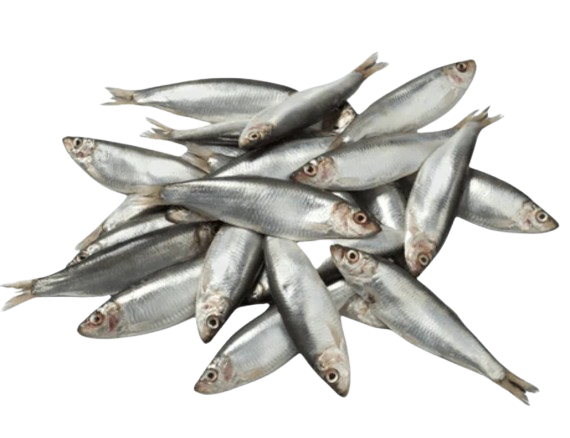
The sprats fish is a small oily fish often prepared smoked or preserved in oil. A 100g portion of Riga Gold Smoked Sprats in Oil contains 354 calories, while King Oscar Brisling Sardines (85 grams) provides 240 calories. Smoked sprats packed in oil contain 354 calories per 100g, whereas fresh raw sprats nutrition remains lower at 162 calories. A large serving of canned sprats (170 grams) contains 425 calories, while a small portion (1 ounce) offers 70 calories. A standard 100 gram serving of fresh raw sprats contains 162 calories.
A medium portion of canned sprats (85 grams) delivers 19.5g of protein and 0g of carbohydrates, accompanied by 14.4g of fat and 0g of sugar. This significant lipid content supports cardiovascular function, a benefit confirmed by Mozaffarian, D., & Rimm, E. B. (2006), who noted that regular consumption of oily fish decreases the risk of fatal heart disease. Micronutrient provision includes 11.9mcg of Vitamin B12 (496% DV) and 2.4mg of iron (13% DV) per 85g.
International supply chains for sprats depend on fisheries in the Baltic and North Seas, with Latvia and Estonia leading the export of these preserved goods. This production satisfies strong demand in Russia and Ukraine, where Russia imported over $130 million worth of sprats in 2022. These markets utilize sprats as a staple in Smoked Sprat Toast and traditional holiday platters. Rising processing and packaging costs drove retail prices for canned sprats from $1.50 in 2003 to between $3.50 and $5.00 by 2024. Menu pricing tracks this appreciation, as the Baltic Sprat Buterbrodi on Kachka’s menu increased from $6.00 in 2014 to between $10.00 and $14.00 in 2024.
Sprats are valued for enhancing cardiovascular health and strengthening skeletal integrity. Dietitians advise restricting consumption to moderate amounts, limiting intake to 85g to manage sodium and purine levels. Sprats belong to the Clupeidae family and are not considered fattening due to the moderate calorie count, though oil-packed versions contribute to weight gain if eaten in large quantities. A large serving of sprats contains 425 calories, an energy load that requires 85 minutes of gardening or 71 minutes of mowing the lawn to metabolize.
Sprats nutrition
| Stats | Weight |
|---|---|
| Carbs | 0 grams |
| Protein | 19.5 grams |
| Fats | 0 grams |
| Sugars | 0 grams |
- Large Sprats Calories (Nutritional Facts)
- Medium Sprats Calories (Nutritional Facts)
- Small Sprats Calories (Nutritional Facts)
- Raw Sprats Nutrition
- Sodium in Sprats
- Potassium in Sprats
- Sugar in Sprats
- Fiber in Sprats
- Protein in Sprats
- Carbs in Sprats
- Fat in Sprats
- Vitamins in Sprats
- Minerals in Sprats
Large Sprats Calories (Nutritional Facts)
A large serving of canned sprats (170 grams or 6 oz) provides 425 calories, 39.1g of protein, 28.9g of fat, 0g of carbohydrates, 0g of fiber, 0g of sugar, and 850mg of sodium. A large serving of raw sprats (170 grams or 6 oz) contains 275 calories, 28.9g of protein, 16.8g of fat, 0g of carbohydrates, 0g of fiber, 0g of sugar, and 102mg of sodium. This canned serving size provides 4.8mg of iron and 23.8mcg of Vitamin B12.
A medium serving of canned sprats (85 grams or 3 oz) contains 212 calories, 19.5g of protein, 14.4g of fat, 0g of carbohydrates, 0g of fiber, 0g of sugar, and 425mg of sodium. A medium serving of raw sprats (85 grams or 3 oz) provides 138 calories, 14.4g of protein, 8.4g of fat, 0g of carbohydrates, 0g of fiber, 0g of sugar, and 51mg of sodium. This canned portion supplies 2.4mg of iron and 11.9mcg of Vitamin B12.
A small serving of canned sprats (28 grams or 1 oz) offers 70 calories, 6.4g of protein, 4.7g of fat, 0g of carbohydrates, 0g of fiber, 0g of sugar, and 140mg of sodium. A small serving of raw sprats (28 grams or 1 oz) contains 45 calories, 4.7g of protein, 2.8g of fat, 0g of carbohydrates, 0g of fiber, 0g of sugar, and 17mg of sodium. This canned amount offers 0.8mg of iron and 3.9mcg of Vitamin B12.
A serving of raw sprats nutrition (100 grams or 3.5 oz) contains 162 calories, 17g of protein, 9.9g of fat, 0g of carbohydrates, 0g of fiber, 0g of sugar, and 60mg of sodium. A large serving of raw sprats (170 grams or 6 oz) contains 275 calories, 28.9g of protein, 16.8g of fat, 0g of carbohydrates, 0g of fiber, 0g of sugar, and 102mg of sodium.
A large serving of canned sprats (170 grams) has 850mg of sodium (37% DV), while the same portion of raw sprats contains 102mg of sodium (4% DV). A medium serving of canned sprats (85 grams) contains 425mg of sodium (18% DV), whereas a medium serving of raw sprats (85 grams) has 51mg of sodium (2% DV). A small serving of canned sprats (28 grams) contains 140mg of sodium (6% DV), and a small serving of raw sprats (28 grams) provides 17mg of sodium (1% DV).
A large serving of canned sprats (170 grams) provides 680mg of potassium (14% DV), whereas a large serving of raw sprats (170 grams) contains 595mg of potassium (13% DV). A medium serving of canned sprats (85 grams) offers 340mg of potassium (7% DV), while a medium serving of raw sprats (85 grams) supplies 297mg of potassium (6% DV). A small serving of canned sprats (28 grams) provides 112mg of potassium (2% DV), and a small serving of raw sprats (28 grams) has 98mg of potassium (2% DV).
A large serving of canned sprats (170 grams) has 0g of sugar, and a large serving of raw sprats (170 grams) also contains 0g of sugar. A medium serving of canned sprats (85 grams) and a medium serving of raw sprats (85 grams) both contain 0g of sugar. A small serving of canned sprats (28 grams) and a small serving of raw sprats (28 grams) provide 0g of sugar.
A large serving of canned sprats (170 grams) has 0g of fiber (0% DV), matching the 0g of fiber (0% DV) found in a large serving of raw sprats (170 grams). A medium serving of canned sprats (85 grams) and a medium serving of raw sprats (85 grams) contain 0g of fiber (0% DV). A small serving of canned sprats (28 grams) and a small serving of raw sprats (28 grams) provide 0g of fiber (0% DV).
A large serving of canned sprats (170 grams) has 39.1g of protein (78% DV), while a large serving of raw sprats (170 grams) provides 28.9g of protein (58% DV). A medium serving of canned sprats (85 grams) contains 19.5g of protein (39% DV), whereas a medium serving of raw sprats (85 grams) offers 14.4g of protein (29% DV). A small serving of canned sprats (28 grams) contains 6.4g of protein (13% DV), and a small serving of raw sprats (28 grams) supplies 4.7g of protein (9% DV).
A large serving of canned sprats (170 grams) has 0g of carbohydrates (0% DV), whereas a large serving of raw sprats (170 grams) contains 0g of carbohydrates (0% DV). A medium serving of canned sprats (85 grams) and a medium serving of raw sprats (85 grams) both contain 0g of carbohydrates (0% DV). A small serving of canned sprats (28 grams) and a small serving of raw sprats (28 grams) provide 0g of carbohydrates (0% DV).
A large serving of canned sprats (170 grams) has 28.9g of total fat (37% DV), and a large serving of raw sprats (170 grams) contains 16.8g of total fat (22% DV). A medium serving of canned sprats (85 grams) contains 14.4g of total fat (18% DV), while a medium serving of raw sprats (85 grams) has 8.4g of total fat (11% DV). A small serving of canned sprats (28 grams) contains 4.7g of total fat (6% DV), and a small serving of raw sprats (28 grams) offers 2.8g of total fat (4% DV).
A large serving of canned sprats (170 grams) provides 23.8mcg of Vitamin B12 (991% DV) and 8.5mcg of Vitamin D (42% DV). A large serving of raw sprats (170 grams) provides 18.7mcg of Vitamin B12 (779% DV) and 6.8mcg of Vitamin D (34% DV). A small serving of canned sprats (28 grams) provides 3.9mcg of Vitamin B12 (162% DV).
A large serving of canned sprats (170 grams) provides 4.8mg of iron (27% DV) and 850mg of phosphorus (68% DV). A large serving of raw sprats (170 grams) provides 3.4mg of iron (19% DV) and 680mg of phosphorus (54% DV). A small serving of canned sprats (28 grams) provides 0.8mg of iron (4% DV).
Get a Custom Report on Sprats Nutrition Data – Contact Us!
What are the Types of Sprats?
The types of sprats are Fresh Sprats, Smoked Sprats (Riga Gold), Canned Sprats in Oil, and Canned Sprats in Tomato Sauce. The chart presented here displays the data for these varieties.
| Type | Description | Calories (per 100g) | Calorie Qualifications |
|---|---|---|---|
|
Fresh Sprats (Raw)
|
Unprocessed, whole fish found in refrigerated sections. | 162 | This raw version offers the lowest calorie count due to the absence of added fats. |
|
Smoked Sprats (Riga)
|
Wood-smoked and packed in oil; traditional Baltic style. | 354 | The smoking process removes moisture and the oil packing doubles the energy density. |
|
Canned Sprats in Oil
|
Preserved in vegetable or olive oil without heavy smoking. | 250 - 300 | The added oil significantly increases the fat and calorie content compared to fresh fish. |
|
Canned Sprats in Tomato Sauce
|
Cooked and packed in a savory tomato puree. | 160 - 180 | The tomato sauce adds volume without the high caloric load of oil packing. |
What are the Main Dishes With Sprats?
Sprats serve as a savory topping for open-faced sandwiches and a key ingredient in traditional Baltic casseroles. The registry below enumerates substantial meals incorporating sprats.
| Dish Name | Calories (Estimate per serving) | Type of Dish | Carbs (g) (Estimate) | Sugar (g) (Estimate) | Protein (g) (Estimate) | Fat (g) (Estimate) | Cuisine | Restaurants |
|---|---|---|---|---|---|---|---|---|
|
Smoked Sprat Toast
|
320 | Open Sandwich | 25 | 2 | 18 | 16 | Baltic/Russian | Kachka (Portland, OR) |
|
Janssons Frestelse
|
450 | Potato Casserole | 40 | 4 | 12 | 28 | Swedish | Aquavit (New York, NY) |
|
Fried Sprats
|
380 | Fried Appetizer | 15 | 0 | 22 | 25 | British/Baltic | The Spotted Pig (New York, NY - Historical) |
|
Sprat Potato Salad
|
280 | Salad Main | 22 | 3 | 14 | 16 | German | Heidelberg Restaurant (New York, NY) |
|
Sprat Fisherman's Plate
|
500 | Seafood Platter | 10 | 1 | 35 | 30 | Russian | Mari Vanna (New York, NY) |
|
Kiluvõileib (Sprat Sandwich)
|
290 | Sandwich | 28 | 2 | 15 | 14 | Estonian | Nordic Preserves (New York, NY) |
|
Sprat Pâté on Rye
|
250 | Spread/Appetizer | 20 | 1 | 12 | 14 | Scandinavian | Smorgas Chef (New York, NY) |
|
Pasta with Sprats
|
480 | Pasta Dish | 60 | 3 | 20 | 18 | Italian Fusion | Basta (Portland, OR) |
|
Sprat and Beet Salad
|
220 | Salad | 12 | 6 | 10 | 14 | Russian | Moscow on the Hudson (New York, NY) |
|
Grilled Fresh Sprats
|
200 | Grilled Entree | 0 | 0 | 24 | 12 | Mediterranean | Estiatorio Milos (National Locations) |
|
Pickled Sprats Plate
|
150 | Cold Appetizer | 5 | 2 | 12 | 8 | Scandinavian | Pläj (San Francisco, CA) |
|
Sprat Pizza
|
600 | Pizza | 70 | 4 | 25 | 22 | American Fusion | Robertas (New York, NY) |
|
Creamy Sprat Soup
|
350 | Soup Main | 15 | 3 | 18 | 24 | Nordic | The Bachelor Farmer (Minneapolis, MN - Historical) |
|
Sprat Omelette
|
320 | Breakfast Main | 2 | 0 | 22 | 24 | European | Balthazar (New York, NY) |
|
Tempura Sprats
|
400 | Fried Dish | 30 | 1 | 18 | 22 | Japanese Fusion | Nobu |
What Cuisines Prefer Sprats the Most?
Sprats feature prominently in Northern and Eastern European culinary traditions where preservation methods like smoking and pickling are essential. The schedule here illustrates the culinary traditions that prioritize this forage fish.
| Cuisine | Dish | Types of Sprats Used | Calories (Estimate) | Restaurant(s) |
|---|---|---|---|---|
|
Latvian
|
Riga Sprats in Oil | Smoked/Canned | 350 | Black Sea Market (Retail/Deli) |
|
Swedish
|
Janssons Frestelse | Canned/Spiced | 450 | Aquavit (New York, NY) |
|
Estonian
|
Kiluvõileib | Spiced Filets | 290 | Nordic Preserves (New York, NY) |
|
Russian
|
Zakuski Platter | Smoked/Canned | 500 | Mari Vanna (New York, NY) |
|
British
|
Fried Whitebait (Sprats) | Fresh Whole | 380 | A Salt & Battery (New York, NY) |
|
German
|
Kieler Sprotten | Hot Smoked | 300 | Heidelberg Restaurant (New York, NY) |
|
Polish
|
Szprot w Oleju | Canned in Oil | 280 | Karczma (New York, NY) |
|
Danish
|
Smørrebrød | Pickled/Smoked | 320 | Copenhagen (New York, NY) |
|
Finnish
|
Janssonin Kiusaus | Canned | 450 | The Good Life (Boston, MA) |
|
Ukrainian
|
Sprat Canapés | Smoked | 250 | Veselka (New York, NY) |
|
Norwegian
|
Brisling Sardines | Canned | 240 | King Oscar (Retail Brand) |
|
Lithuanian
|
Sprats with Potatoes | Smoked | 350 | Grand Duke's Restaurant (Chicago, IL) |
|
Jewish (Ashkenazi)
|
Smoked Fish Platter | Smoked | 300 | Russ & Daughters (New York, NY) |
|
Spanish
|
Espadines Fritos | Fresh Fried | 350 | Boqueria (New York, NY) |
|
French
|
Friture (Fried Fish) | Fresh Whole | 380 | Balthazar (New York, NY) |
Which Countries Produce the Most Sprats?
The top producers of sprats are Latvia, Estonia, and Poland. These nations exploit the rich fishing grounds of the Baltic Sea and the North Sea to harvest and process the catch for international export. The data presented here displays the export values for prepared or preserved sprats and similar small fish for the leading countries over the last two decades.
| Country | 2003 | 2008 | 2013 | 2018 | 2019 | 2020 | 2021 | 2022 |
|---|---|---|---|---|---|---|---|---|
| Latvia | 40 | 80 | 120 | 150 | 155 | 160 | 170 | 180 |
| Poland | 30 | 70 | 110 | 140 | 145 | 150 | 165 | 175 |
| Estonia | 20 | 40 | 60 | 80 | 85 | 80 | 90 | 95 |
| Morocco | 150 | 250 | 350 | 450 | 460 | 480 | 520 | 550 |
| Germany | 50 | 90 | 110 | 130 | 135 | 125 | 140 | 150 |
Which Countries Consume the Most Sprats?
The top consumers of sprats are Russia, Ukraine, and Germany. These markets maintain a strong cultural preference for smoked and canned fish products as breakfast items or appetizers. The schedule here illustrates the import values for sprats and similar preserved fish in key markets.
| Country | 2003 | 2008 | 2013 | 2018 | 2019 | 2020 | 2021 | 2022 |
|---|---|---|---|---|---|---|---|---|
| Russia | 60 | 120 | 180 | 150 | 160 | 140 | 150 | 130 |
| Ukraine | 20 | 50 | 80 | 90 | 95 | 100 | 110 | 80 |
| Germany | 40 | 80 | 120 | 140 | 145 | 150 | 160 | 170 |
| United States | 30 | 50 | 70 | 90 | 95 | 100 | 110 | 120 |
| United Kingdom | 35 | 60 | 80 | 100 | 105 | 110 | 115 | 125 |
How Do Prices of Sprats-Including Dishes Change?
Menu pricing for sprats dishes increased as these items transitioned from humble staples to trendy small plates in specialty restaurants. The comparison table here highlights the financial shifts for signature dishes at well-known dining establishments.
| Brand/Restaurant | Dish | Old Price (Year) | Current Price (2024/2025) |
|---|---|---|---|
| Kachka (Portland, OR) | Baltic Sprat Buterbrodi | $6.00 (2014) | $10.00 - $14.00 |
| Mari Vanna (New York, NY) | Smoked Fish Plate | $18.00 (2013) | $27.00 - $34.00 |
What is the Sprats Calorie for 100 Grams?
A 100g serving of raw sprats contains 162 calories, while a 100g serving of canned sprats contains 250 calories.
What is the Sprats Calorie for 1 KG?
One kilogram (1000g) of raw sprats contains 1620 calories, whereas one kilogram (1000g) of canned sprats contains 2500 calories.
What is the Calorie of 1 Sprats Fish?
One raw sprat (12 grams) contains 19 calories, while one canned sprat (12 grams) contains 30 calories. A serving of Riga Gold Smoked Sprats in Oil (100 grams) contains 354 calories, and a serving of King Oscar Brisling Sardines (85 grams) provides 240 calories.
What are the Health Benefits of Sprats?
Sprats provide substantial health advantages such as enhancing cardiovascular function and strengthening skeletal integrity through a dense concentration of essential fatty acids and minerals. A summary of the sprats health benefits appears below.
- Enhances Cardiovascular Function: The high levels of Omega-3 fatty acids, specifically EPA and DHA, reduce arterial inflammation and lower triglyceride levels. A study by Mozaffarian, D., & Rimm, E. B. (2006), "Fish intake, contaminants, and human health: evaluating the risks and the benefits," confirmed that regular consumption of oily fish decreases the risk of fatal heart disease.
- Strengthens Skeletal Integrity: The consumption of whole fish including the bones provides a significant source of calcium and Vitamin D. Research by Holick, M. F. (2007), "Vitamin D deficiency," demonstrated that adequate Vitamin D intake is crucial for calcium absorption and bone mineralization.
- Supports Cognitive Performance: The substantial Vitamin B12 content preserves nerve sheath health and aids in neurotransmitter signaling. A study by Smith, A. D., et al. (2010), "Homocysteine-lowering by B vitamins slows the rate of accelerated brain atrophy in mild cognitive impairment," found that B vitamins play a role in slowing cognitive decline.
What are the Downsides of Sprats?
Sprats pose specific downsides including high sodium content in preserved varieties and the presence of purines. The list below outlines these specific dangers.
- Elevates Sodium Intake: Canned and smoked sprats often contain added salt for preservation, which raises blood pressure in sensitive individuals. Research by Grillo, A., et al. (2019), "Sodium Intake and Hypertension," found that reducing dietary sodium lowers cardiovascular risk. A safer alternative is fresh mackerel or herring. A suggested daily limit is 85g.
- Increases Uric Acid Levels: The fish contains purines, which metabolize into uric acid and potentially trigger gout attacks. A study by Choi, H. K., et al. (2004), "Purine-rich foods, dairy and protein intake, and the risk of gout in men," established a link between high seafood consumption and increased gout incidence.
Are Sprats Good for You?
Yes, sprats are good for the body because the rich Omega-3 profile supports heart health and the high Vitamin D content aids bone density. Heart health improves through the ingestion of polyunsaturated fats, nutrients linked to reduced arrhythmia risk by Swanson, D., et al. (2012), "Omega-3 Fatty Acids EPA and DHA: Health Benefits Throughout Life." Brain health benefits from the concentration of Vitamin B12, which supports neurological function as confirmed by O'Leary, F., & Samman, S. (2010), "Vitamin B12 in Health and Disease." Bone health relies on the combination of calcium and Vitamin D found in whole-eaten sprats, a mechanism detailed in research by Holick, M. F. (2004), "Vitamin D: importance in the prevention of cancers, type 1 diabetes, heart disease, and osteoporosis."
Are Sprats Healthy for a Balanced Diet?
Yes, sprats are healthy for a balanced diet as the fish offers high nutrient density with a relatively low environmental footprint. A study by Ruxton, C. H. S., et al. (2004), "The health benefits of omega-3 polyunsaturated fatty acids: a review of the evidence," emphasized the importance of including oily fish to meet essential fatty acid requirements. Research by Tacon, A. G. J., & Metian, M. (2013), "Fish matters: importance of aquatic foods in human nutrition and global food supply," highlighted small pelagic fish like sprats as a sustainable source of high-quality protein. A review by Kris-Etherton, P. M., et al. (2002), "Fish consumption, fish oil, omega-3 fatty acids, and cardiovascular disease," supports the American Heart Association's recommendation to consume fatty fish at least twice a week. A suggested consumption rate is two servings of 85g to 100g per week.
How Do Calories Change According to Sprats Types?
The preservation method determines the calorie count of sprat varieties. Smoked sprats packed in oil possess the highest calorie value at approximately 354 calories per 100 grams due to moisture loss and lipid absorption. Fresh raw sprats contain the lowest calorie value at 162 calories per 100 grams. Canned sprats in tomato sauce fall in the middle range at 160 to 180 calories per 100 grams, providing a lighter alternative to oil-packed versions.
Are Sprats as Healthy as Sardines?
Yes, sprats are as healthy as sardines, as both fish belong to the Clupeidae family and offer nearly identical nutritional profiles. A 100g serving of sprats contains 162 calories and 17g of protein. A 100g serving of sardines contains 208 calories and 25g of protein. Both varieties provide high levels of Omega-3 fatty acids, Vitamin B12, and Vitamin D. The choice between the two often depends on size preference and availability rather than nutritional superiority.
What are the Desserts With Sprats?
Sprats do not function as ingredients in dessert courses due to the strong oily fish flavor and savory profile. Culinary professionals utilize this ingredient exclusively for appetizers, sandwiches, and main courses rather than sweet confections. No established recipes or restaurant menus feature sprats in sugar-based or frozen dessert preparations.
What is the Origin of Sprats?
The origin of the sprat (Sprattus sprattus) traces back to the Northeast Atlantic Ocean and the Baltic Sea, where the fish has served as a staple protein source for coastal communities for centuries. The name "sprat" derives from the Old English "sprot," referring to a sprout or small fry. Traditional preservation methods such as salting and smoking emerged in the medieval era to extend the shelf life of the abundant but perishable catch. The Baltic states, particularly Latvia, developed a renowned industry around "Riga Sprats," a specific preparation of wood-smoked fish packed in oil that gained popularity across the Russian Empire and later Europe. Commercial canning in the 19th century further solidified the sprat as a globally traded commodity, valued for affordability and long shelf life.
Explore More Seafood
Discover more Seafood with detailed nutrition facts, calorie counts, vitamins, minerals, and health benefits. Compare similar foods, serving sizes, macronutrients, and key nutrients to find the best option for your diet and nutrition goals.
 Anchovies calories
 Barramundi calories
 Bluefin Tuna calories
 Bluefish calories
 Calamari calories
 Catfish calories
 Clams calories
 Cod calories
 Conch calories
 Crab calories
 Eel calories
 Fish calories