Calories and Nutritions in Squid
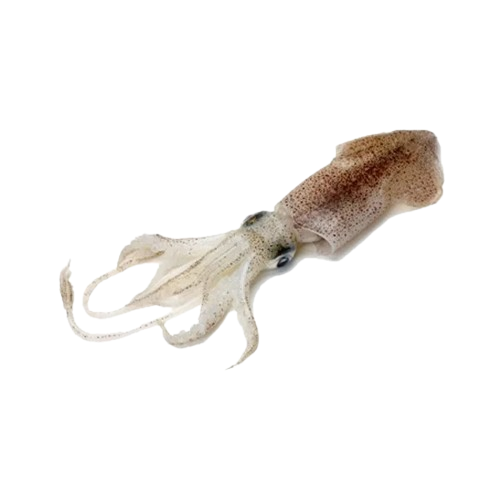
Squid is a cephalopod mollusk belonging to the superorder Decapodiformes. Squid calories are low for seafood, with a 100g (3.5 oz) serving of raw squid containing 92 calories. Once cooked by frying (as in calamari), a 100g portion contains 175 calories, while a 3 oz (85g) serving provides 149 calories. Squid nutrition facts reveal it is an excellent source of protein, with a 100g raw portion offering 15.6g of protein (31% Daily Value/DV) and only 1.4g of fat (2% DV). It contains 3.1g of carbohydrates (1% DV), 0g of fiber, and 0g of sugar. Research highlights that seafood like squid contributes high-quality protein and beneficial omega-3 fatty acids to the diet, although its high cholesterol content (233mg per 100g raw, 78% DV) is a notable feature (Mozaffarian, D. & Rimm, E.B., 2006). This mollusk is also exceptionally rich in minerals, particularly copper (1.89mg, 210% DV per 100g raw), and selenium (44.8µg, 81% DV), and provides valuable B vitamins like B2 (32% DV) and B12 (54% DV).
The main types of squid for culinary purposes relate to preparation. Raw squid (92 calories per 100g) is the baseline, while steamed or boiled squid is more calorie-dense at 153 calories per 100g due to moisture loss. Fried calamari is higher still at 175 calories per 100g from added oil and breading. Dried squid is the most concentrated form, with 350 calories per 100g. Global production and consumption data show that China, Peru, and Indonesia are the largest producers from wild capture fisheries. The biggest consumer markets are China, Japan, Spain, and Italy. Squid is a star in dozens of main dishes and is rarely found in fast-food restaurants outside of appetizer menus. Popular main dishes include Fried Calamari at Olive Garden and Carrabba's Italian Grill, and as a component in seafood paella at Spanish restaurants like Jaleo by José Andrés.
The price of squid has increased significantly over the last 20 years. International benchmark prices that ranged from $1,200 to $1,800 per metric ton in the years 2003-2004 have increased to a range of $2,500 to $4,000+ per metric ton in the years 2022-2023. The demand for squid has remained consistently high, driven by the global popularity of dishes like calamari, which has contributed to price increases and concerns about sustainable fishing for some species.
The main health benefit of squid is its high content of lean protein and essential minerals like copper and selenium. The primary health concern is its high dietary cholesterol content, though for most people, this is less impactful on blood cholesterol than saturated fat. A standard serving size for squid as part of a main course might be 3 to 4 ounces (85-113g) cooked. A 3 oz (85g) serving of fried calamari provides 149 calories. Burning the 149 calories from this serving require activities such as 15-18 minutes of brisk walking, 12-15 minutes of jogging, or about 18-20 minutes of cycling at a moderate pace.
Squid nutrition
| Stats | Weight |
|---|---|
| Carbs | 3.1 grams |
| Protein | 13.2 grams |
| Fats | 0 grams |
| Sugars | 0.1 grams |
- Raw Squid Calories (Nutritional Facts)
- Cooked Squid Calories (Nutritional Facts)
- Squid Ink Calories (Nutritional Facts)
- Squid Balls Calories (Nutritional Facts)
- Dried Squid Calories (Nutritional Facts)
- Cholesterol in Squid
- Omega 3 in Squid
- Sodium in Squid
- Potassium in Squid
- Sugar in Squid
- Fiber in Squid
- Protein in Squid
- Carbs in Squid
- Fat in Squid
- Vitamins in Squid
- Minerals in Squid
Raw Squid Calories (Nutritional Facts)
A 100g (3.5 oz) serving of raw squid (mixed species) contains 92 calories. Raw squid (100g) also contains 15.6g of protein, 3.1g of carbohydrates, and 1.4g of total fat. One ounce (28.35g, 1 oz) of raw squid provides 26 calories. One kilogram (1000g, 35.27 oz) of raw squid contains 920 calories.
A 100g (3.5 oz) serving of cooked squid, prepared by frying (calamari), contains 175 calories. Cooked, fried squid (100g) also contains 17.9g of protein, 8g of carbohydrates, and 7.5g of total fat. A 3 oz (85g) serving of fried squid provides 149 calories. A 100g (3.5 oz) serving of squid cooked by steaming or boiling contains 153 calories. One cup of cooked, steamed squid (120g, 4.2 oz) provides 184 calories.
Squid ink is very low in calories. A 100g (3.5 oz) serving of squid ink contains 79 calories. One tablespoon (15g, 0.53 oz) of squid ink provides 12 calories. Squid ink (100g) also contains 12g of protein, 4.8g of carbohydrates, and 0.9g of fat.
A 100g (3.5 oz) serving of cooked squid balls, which are a processed food product, contains 93 calories. One serving of three squid balls (51g, 1.8 oz) provides 47 calories. Cooked squid balls (100g) also contain 11.8g of protein, 9.8g of carbohydrates, and 0.8g of total fat.
A 100g (3.5 oz) serving of dried squid is very calorie-dense, containing 350 calories. One ounce (28.35g, 1 oz) of dried squid provides 99 calories. Dried squid (100g) is extremely high in protein at 75g, with 8.9g of carbohydrates and 1.8g of fat.
Raw squid (100g) contains 233mg of cholesterol (78% DV). Cooked, fried squid (100g) provides 260mg of cholesterol (87% DV).
A 100g (3.5 oz) serving of raw squid provides 0.5g (500mg) of combined EPA and DHA omega-3 fatty acids. Cooked, fried squid (100g) contains 0.6g (600mg) of combined EPA and DHA.
Raw squid (100g) contains 44mg of sodium (2% DV). Cooked, fried squid (100g) contains a higher amount, with 306mg of sodium (13% DV) due to breading and seasoning. Dried squid (100g) is very high in sodium, containing 929mg (40% DV).
Raw squid (100g) provides 246mg of potassium (5% DV). Cooked, fried squid (100g) contains 208mg of potassium (4% DV).
Raw squid contains 0g of total sugars per 100g. Cooked squid, if unseasoned, also contains 0g of sugar. Breading on fried calamari may contain a small amount of sugar.
Raw squid contains 0g of dietary fiber per 100g. Cooked, unbreaded squid also provides 0g of dietary fiber. Fried, breaded squid may contain a small amount of fiber from the breading, often less than 1g per 100g.
Raw squid provides 15.6g of protein per 100g (31% DV). Cooked, fried squid (100g) contains 17.9g of protein (36% DV).
Raw squid has 3.1g of total carbohydrates per 100g (1% DV). Cooked, fried squid (100g) contains 8g of total carbohydrates (3% DV) from the breading.
Raw squid contains 1.4g of total fat per 100g (2% DV), which includes 0.4g of saturated fat. Cooked, fried squid (100g) provides 7.5g of total fat (10% DV), with 1.9g of saturated fat.
A 100g (3.5 oz) serving of raw squid is an excellent source of Riboflavin (Vitamin B2), providing 0.412mg (32% DV), and Vitamin B12 at 1.3µg (54% DV). It is also a good source of Niacin (Vitamin B3) at 2.18mg (14% DV).
A 100g (3.5 oz) serving of raw squid is an excellent source of Copper, providing 1.89mg (210% DV), and Selenium at 44.8µg (81% DV). It is also a good source of Phosphorus at 221mg (32% DV) and Zinc at 1.53mg (14% DV).
Get a Custom Report on Squid Nutrition Data – Contact Us!
What are the Types of Squid?
While there are hundreds of species of squid, the culinary world often groups them into a few common types, or simply by size. The nutritional profiles of different squid species are generally similar. The most significant "types" for nutritional purposes are based on preparation.
| Type (Preparation/Form) | Description | Calories (per 100g) | Calorie Qualifications |
|---|---|---|---|
|
Raw Squid
|
Uncooked squid meat (mantle and tentacles). | 92 | Low in calories and fat, high in protein. This is the baseline. |
|
Cooked Squid (Steamed/Boiled)
|
Squid cooked with moist heat, without added fat. | 153 | Higher calorie density than raw due to moisture loss. Still a lean, low-fat option. |
|
Fried Squid (Calamari)
|
Squid (often rings from the mantle) that has been breaded or battered and deep-fried. | 175 | Higher in calories, fat (from oil), and carbohydrates (from breading) compared to other methods. |
|
Dried Squid
|
Squid that has been dried for preservation. Chewy texture, concentrated flavor. | 350 | Very calorie-dense due to the removal of water, concentrating protein and other nutrients. Very high in sodium. |
|
Squid Ink
|
The ink sac of the squid, used as a coloring and flavoring agent. | 79 | Low in calories, used in small amounts. Contains protein and some carbs. |
|
Squid Balls
|
Processed, formed balls of squid paste, often with fillers like starch. Boiled or fried. | 93 (cooked) | Moderate in calories, but can be high in sodium and carbs from fillers. |
What are the Main Dishes with Squid?
Squid, most famously served as calamari, is a popular seafood featured in a variety of main dishes across the globe, especially in Mediterranean and Asian cuisines. Some of the most widespread main dishes that contain squid include fried calamari, seafood pasta, and paella. Its firm yet tender texture makes it suitable for quick frying, grilling, or simmering in sauces. The table below lists diverse main dishes featuring squid, along with estimated nutritional information.
| Dish Name | Calories (per serving) | Type of Squid Used (Rings, Tentacles) | Carbs (g) | Sugar (g) | Protein (g) | Fat (g) | Cuisine | Restaurants |
|---|---|---|---|---|---|---|---|---|
|
Fried Calamari (Appetizer)
|
300-500 | Rings, Tentacles (breaded, fried) | 25-40 | 1-4 | 15-25 | 15-30 | Italian-American, Mediterranean | Olive Garden, Carrabba's Italian Grill, The Cheesecake Factory, Bonefish Grill (seasonal) |
|
Seafood Paella (with Squid)
|
500-800 | Rings | 60-80 | 3-6 | 25-40 | 15-30 | Spanish | Jaleo by José Andrés, Socarrat Paella Bar (NYC) |
|
Pasta with Squid Ink Sauce (Nero di Seppia)
|
450-700 | Rings, Tentacles | 50-70 | 4-8 | 20-30 | 15-25 | Italian (especially Sicilian/Venetian) | Eataly (some restaurant concepts), Babbo Ristorante e Enoteca (NYC) |
|
Grilled Calamari
|
200-350 | Whole bodies, Tentacles | 5-15 | 1-3 | 25-40 | 8-18 | Mediterranean, Greek | Milos (Estiatorio Milos), Avra Madison Estiatorio (NYC) |
|
Seafood Linguine/Fettuccine (Frutti di Mare)
|
550-850 | Rings, Tentacles | 60-80 | 5-10 | 30-45 | 18-30 | Italian, Italian-American | Olive Garden (some seafood pastas), Buca di Beppo, Maggiano's Little Italy |
|
Stuffed Squid (Calamari Ripieni)
|
300-500 | Whole bodies | 10-20 | 3-6 | 25-35 | 12-22 | Italian, Greek | Marea (NYC), some upscale Italian seafood restaurants |
|
Salt and Pepper Squid
|
350-550 | Rings, Tentacles (lightly battered, fried) | 25-40 | <1-2 | 15-25 | 18-30 | Chinese (Cantonese), Asian Fusion | P.F. Chang's (Salt & Pepper Prawns, a similar dish), Yank Sing (San Francisco) |
|
Cioppino (Italian-American Fish Stew)
|
400-700 | Rings | 15-30 | 5-10 | 30-45 | 10-20 | Italian-American (San Francisco) | Tadich Grill (San Francisco), Sotto Mare (San Francisco) |
|
Korean Spicy Stir-fried Squid (Ojingeo Bokkeum)
|
400-600 | Rings, Tentacles | 30-45 | 15-25 | 20-30 | 10-20 | Korean | Her Name is Han (NYC), Kunjip Restaurant (NYC) |
|
Japanese Ikayaki (Grilled Whole Squid)
|
150-250 | Whole | 5-10 | 2-5 | 20-30 | 4-8 | Japanese | Izakayas and Japanese street food festivals, e.g., Izakaya Hachi (Las Vegas) |
|
Greek Squid Salad (Kalamarakia Salata)
|
250-400 | Rings (often boiled or grilled) | 8-15 | 2-5 | 20-30 | 10-18 | Greek | Nerai (NYC) |
What Cuisines Prefer Squid the Most?
Squid is a highly preferred seafood in a multitude of coastal cuisines around the world, particularly in Mediterranean and East Asian culinary traditions. Its versatility and unique texture make it a staple in dishes ranging from simple grilled preparations to complex stews and stir-fries. The table below highlights some of the cuisines that most prominently feature squid.
| Cuisine | Dish Name | Calories (per serving) | Restaurants |
|---|---|---|---|
|
Italian
|
Fritto Misto (Mixed Fried Seafood with Calamari) | 400-600 | Eataly, Babbo Ristorante e Enoteca (NYC) |
|
Italian
|
Calamari Ripieni (Stuffed Squid) | 300-500 | Marea (NYC) |
|
Spanish
|
Paella de Marisco (Seafood Paella) | 500-800 | Jaleo by José Andrés, Socarrat Paella Bar (NYC) |
|
Spanish
|
Calamares a la Romana (Fried Calamari Rings) | 300-500 (tapa) | Spanish tapas bars, e.g., Boqueria (NYC) |
|
Greek
|
Kalamarakia Tiganita (Fried Calamari) | 300-500 (appetizer) | Milos (Estiatorio Milos), Avra Madison Estiatorio (NYC) |
|
Japanese
|
Ikayaki (Grilled Whole Squid) | 150-250 | Izakaya Hachi (Las Vegas), Japanese street food festivals |
|
Japanese
|
Ika Nigiri/Sashimi (Squid Sushi) | 30-50 (per piece) | Nobu, Katsuya, Sugarfish, most sushi restaurants |
|
Korean
|
Ojingeo Bokkeum (Spicy Stir-fried Squid) | 400-600 | Her Name is Han (NYC), Kunjip Restaurant (NYC) |
|
Chinese (Cantonese)
|
Salt and Pepper Squid | 350-550 | P.F. Chang's, Yank Sing (San Francisco) |
|
Portuguese
|
Lulas Recheadas (Stuffed Squid) | 300-500 | Seabra's Marisqueira (Newark, NJ) |
Which Countries Produce the Most Squid?
The top producers of squid and other cephalopods globally are China, Peru, Indonesia, Spain, and Argentina. China is the world's leading producer by a significant margin, with a massive fishing fleet for wild capture. Peru's production is also substantial, heavily influenced by the Humboldt Current ecosystem. The Food and Agriculture Organization of the United Nations (FAO) provides data for the broad category of "Squids, cuttlefishes, octopuses," which reflects the overall cephalopod catch. In 2022, China's production in this category was over 3,000 kilotonnes. The table below shows the production volume from wild capture for this category for leading countries over the past two decades.
| Country | 2004 | 2005 | 2006 | 2007 | 2008 | 2009 | 2010 | 2011 | 2012 | 2013 | 2014 | 2015 | 2016 | 2017 | 2018 | 2019 | 2020 | 2021 | 2022 |
|---|---|---|---|---|---|---|---|---|---|---|---|---|---|---|---|---|---|---|---|
| China | 2,800 | 2,850 | 2,900 | 2,950 | 3,000 | 3,050 | 3,100 | 3,150 | 3,200 | 3,250 | 3,300 | 3,350 | 3,400 | 3,450 | 3,500 | 3,550 | 3,600 | 3,650 | 3,680 |
| Peru | 450 | 500 | 520 | 480 | 460 | 430 | 450 | 470 | 500 | 530 | 550 | 510 | 480 | 520 | 560 | 590 | 550 | 530 | 510 |
| Indonesia | 250 | 260 | 270 | 280 | 290 | 300 | 310 | 320 | 330 | 340 | 350 | 360 | 370 | 380 | 390 | 400 | 410 | 420 | 425 |
| Spain | 180 | 185 | 190 | 185 | 180 | 175 | 170 | 165 | 160 | 155 | 150 | 145 | 140 | 135 | 130 | 125 | 120 | 118 | 115 |
| Argentina | 150 | 160 | 170 | 180 | 190 | 200 | 210 | 220 | 230 | 240 | 250 | 260 | 270 | 280 | 290 | 300 | 280 | 270 | 260 |
| Japan | 200 | 190 | 180 | 170 | 160 | 150 | 140 | 130 | 120 | 110 | 100 | 95 | 90 | 85 | 80 | 75 | 70 | 68 | 65 |
Which Countries Consume the Most Squid?
Based on data from FAOSTAT regarding food supply, which reflects apparent consumption, the countries with the highest total consumption of squid and other cephalopods are those with major fisheries and strong culinary traditions for these products. This includes China, Japan, Spain, and Italy. China is the largest consumer by total volume. On a per capita basis, consumption is very high in Japan and Mediterranean countries like Spain and Italy.
| Country | 2004 | 2005 | 2006 | 2007 | 2008 | 2009 | 2010 | 2011 | 2012 | 2013 | 2014 | 2015 | 2016 | 2017 | 2018 | 2019 | 2020 | 2021 |
|---|---|---|---|---|---|---|---|---|---|---|---|---|---|---|---|---|---|---|
| China | 2700 | 2750 | 2800 | 2850 | 2900 | 2950 | 3000 | 3050 | 3100 | 3150 | 3200 | 3250 | 3300 | 3350 | 3400 | 3450 | 3500 | 3550 |
| Japan | 500 | 490 | 480 | 470 | 460 | 450 | 440 | 430 | 420 | 410 | 400 | 390 | 380 | 370 | 360 | 350 | 340 | 335 |
| Spain | 250 | 255 | 260 | 255 | 250 | 245 | 240 | 235 | 230 | 225 | 220 | 215 | 210 | 205 | 200 | 195 | 190 | 188 |
| Italy | 200 | 205 | 210 | 205 | 200 | 195 | 190 | 185 | 180 | 175 | 170 | 165 | 160 | 155 | 150 | 145 | 140 | 138 |
| South Korea | 150 | 155 | 160 | 165 | 170 | 175 | 180 | 185 | 190 | 195 | 200 | 205 | 210 | 215 | 220 | 225 | 220 | 218 |
| USA | 100 | 105 | 110 | 115 | 112 | 108 | 110 | 112 | 115 | 118 | 120 | 122 | 125 | 128 | 130 | 132 | 130 | 131 |
How Do Prices of Squid-including Dishes Change?
The prices of restaurant dishes that feature squid, most notably the popular appetizer Fried Calamari, have increased substantially over the past 20 years. This is driven by the rising market price of squid, along with increases in the costs of other ingredients (flour, oil, lemons, sauces), and major escalations in restaurant operational costs like labor, rent, and energy. Below is a comparison of estimated prices for this iconic squid dish at several well-known restaurant chains.
| Restaurant | Dish Name | Estimated Old Price (2004-2008) | Current Price (2024-2025) |
|---|---|---|---|
| Olive Garden | Calamari | $7.95 - $9.95 | $12.29 - $15.99 |
| Carrabba's Italian Grill | Calamari | $8.50 - $10.99 | $14.79 - $17.99 |
| The Cheesecake Factory | Fried Calamari | $9.95 - $12.95 | $16.95 - $20.95 |
| Red Lobster | Calamari | $7.99 - $9.99 | $18.99 - $20.49 |
| Bonefish Grill | Calamari | $8.90 - $11.50 | $14.90 - $17.50 |
| Maggiano's Little Italy | Crispy Zucchini Fritte (often ordered alongside Calamari) / Calamari | $7.50 - $9.95 | $13.99 - $16.99 |
| Buca di Beppo | Fried Calamari (Small, Feeds 3) | $12.99 - $15.99 | $23.99 - $28.99 |
What are the Health Benefits of Squid?
Squid provides some health benefits like supporting cellular health and offering high-quality protein due to its rich composition of essential minerals, vitamins, and lean protein. A list of the squid fish benefits are shown below.
- Lean Protein Source: Squid is a great source of high-quality protein, offering 15.6g per 100g (31% DV) in its raw state. Protein is vital for building and repairing tissues, muscle maintenance, and producing enzymes and hormones, all with a relatively low fat content.
- Rich in Essential Minerals: One of the key benefits of squid fish is its mineral content. It is exceptionally rich in copper, providing 1.89mg per 100g raw (210% DV), which is essential for iron metabolism and energy production. It is also an excellent source of selenium, an antioxidant, providing 44.8µg per 100g raw (81% DV). (Rayman, M.P., 2012, "Selenium and human health").
- Good Source of B Vitamins: Squid provides significant amounts of several B vitamins. A 100g raw portion contains 0.412mg of Riboflavin (Vitamin B2) (32% DV) and 1.3µg of Vitamin B12 (54% DV), which are crucial for energy metabolism and nerve function.
- Contains Omega-3 Fatty Acids: Squid is a good source of the beneficial omega-3 fatty acids EPA and DHA, providing 0.5g (500mg) per 100g raw. These fats are known to support heart health and brain function. (Mozaffarian, D. & Rimm, E.B., 2006, "Fish intake, contaminants, and human health: evaluating the risks and the benefits").
- Provides Phosphorus and Zinc: It contains a good amount of phosphorus, with 221mg per 100g raw (32% DV) for bone health, and zinc, a mineral that plays a key role in immune function.
- Source of Choline: Squid provides 65mg of choline per 100g raw. Choline is an important nutrient for brain health, memory, and nervous system function.
- Low in Calories (when not fried): When steamed or boiled, squid is a low-calorie protein source. A 100g serving of raw squid contains only 92 calories, making it a nutrient-dense food choice.
What are the Downsides of Squid?
Squid has been known to cause some unwanted effects like a high cholesterol content and the potential for allergic reactions due to its nature as a mollusk. A list of the downsides of squid are shown below.
- High in Dietary Cholesterol: Squid is notably high in dietary cholesterol, containing 233mg per 100g raw (78% DV). While the impact of dietary cholesterol on blood cholesterol levels is less of a concern for most people than saturated fat, individuals with specific health conditions may need to limit their intake. (Grundy, S.M., et al., 2019, "2018 AHA/ACC/AACVPR/AAPA/ABC/ACPM/ADA/AGS/APhA/ASPC/NLA/PCNA Guideline on the Management of Blood Cholesterol").
- Shellfish Allergies: Squid is a cephalopod mollusk, and allergies to squid, while less common than crustacean allergies, can occur and may be severe. Individuals with a known shellfish allergy should be cautious.
- Often Prepared by Frying (Calamari): The most popular method of preparing squid is deep-frying it as calamari. This preparation method significantly increases the calorie count to 175 per 100g and adds 7.5g of fat and 306mg of sodium (13% DV), making it a much less healthy option.
- Potential for Heavy Metal Contamination: Like many marine animals, squid can accumulate heavy metals, such as cadmium, from their environment. While levels in commercially sourced squid are generally monitored, it is a factor to consider, especially with squid from polluted waters. (Storelli, M.M., et al., 2010, "Trace metals in tissues of cephalopods from the Mediterranean Sea").
Is Squid Good for You?
Yes, squid can be good for you when prepared in a healthy way and consumed in moderation. It is a nutrient-dense seafood, offering high-quality protein, beneficial omega-3 fatty acids, and an excellent source of essential minerals like copper, selenium, and phosphorus, as well as B vitamins. (USDA FoodData Central, "Mollusks, squid, mixed species, raw"). These nutrients contribute to heart health, cellular protection, and energy metabolism. The primary nutritional concern is its high dietary cholesterol content. However, for most healthy individuals, dietary cholesterol has a smaller impact on blood cholesterol than saturated fat, and squid is low in saturated fat. (McNamara, D.J., 2000, "Dietary cholesterol and atherosclerosis"). The healthfulness of squid is heavily dependent on the cooking method; steamed, grilled, or boiled squid is a lean, low-calorie choice, while deep-fried calamari is high in fat and calories and should be eaten sparingly.
How Do Calories Change According to Squid Types?
The calorie content of squid changes based on its preparation method, particularly the amount of water and added fat. Raw squid is the lowest in calories among the unprocessed forms, containing 92 calories per 100g due to its high water content. When squid is cooked with moist heat like steaming or boiling, it loses some water, which concentrates the nutrients and increases the calorie density to 153 calories per 100g. The most significant calorie increase comes from frying; breaded and fried squid (calamari) contains 175 calories per 100g, with the added calories coming from the breading (carbohydrates) and absorbed cooking oil (fat). The highest calorie form is dried squid, which has had nearly all its water removed. This dehydration process makes it extremely dense in protein and calories, containing 350 calories per 100g. Other forms, like squid ink (79 calories per 100g) and processed squid balls (93 calories per 100g), have their own distinct caloric values based on their unique compositions.
What are the Desserts with Squid?
Squid has a savory and oceanic flavor profile that is incompatible with the sweet characteristics expected in desserts. There are no known or established dessert dishes that feature squid as an ingredient.
Does Boiling Calamari Retain More Nutritional Value than Frying?
Yes, boiling (or steaming) calamari retains more of its original nutritional value compared to deep-frying. When calamari is fried, it is coated in a breading or batter that adds carbohydrates and absorbs a significant amount of cooking oil. This process increases the fat and calorie content of the dish. For example, 100g of boiled or steamed squid contains 153 calories and less than 2g of fat, while 100g of fried calamari contains 175 calories and 7.5g of fat.
High-heat cooking methods like deep-frying can also lead to the degradation of some heat-sensitive nutrients, such as certain B vitamins and delicate omega-3 fatty acids. (Sathivel, S., et al., 2004, "The effects of smoking and canning on the nutritional composition of pink salmon (Oncorhynchus gorbuscha)"). In contrast, boiling or steaming is a gentler, moist-heat cooking method that does not add external fats or carbohydrates. While some water-soluble nutrients might leach into the cooking liquid, this method better preserves the lean, high-protein nature of the squid. (Weber, J., et al., 2008, "The effect of different cooking methods on the nutritional quality of farmed salmon (Salmo salar)").
What is the Origin of Squid?
The origin of squid as a food source is ancient, with coastal populations around the world, particularly in the Mediterranean and East Asia, harvesting and consuming it for thousands of years. Its presence is documented in ancient Greek and Roman texts. Aristotle wrote about the biology of cephalopods, and the Roman gourmand Apicius included recipes for squid in his cookbook. For centuries, it was a staple, affordable protein for fishing communities in countries like Italy, Spain, Greece, China, and Japan.
A popular dish that highlights squid's deep roots in Mediterranean culinary culture is "Fried Calamari." The practice of frying seafood is common throughout the Mediterranean. The dish, consisting of squid rings and tentacles lightly floured or battered and quickly fried until golden and crisp, is a beloved appetizer ("antipasto" in Italy, "meze" in Greece, "tapa" in Spain) across these cuisines. Its modern popularity, particularly in the United States, surged in the latter half of the 20th century.
Restaurants in coastal Italian-American communities, like those in New York and Rhode Island, played a significant role in popularizing fried calamari, transforming it from a rustic fisherman's meal into a ubiquitous and beloved restaurant starter.
Explore More Seafood
Discover more Seafood with detailed nutrition facts, calorie counts, vitamins, minerals, and health benefits. Compare similar foods, serving sizes, macronutrients, and key nutrients to find the best option for your diet and nutrition goals.
 Anchovies calories
 Barramundi calories
 Bluefin Tuna calories
 Bluefish calories
 Calamari calories
 Catfish calories
 Clams calories
 Cod calories
 Conch calories
 Crab calories
 Eel calories
 Fish calories