Calories and Nutritions in Swordfish
Calories in swordfish are moderate, with a 100g serving of raw swordfish containing 121 calories. A 100g cooked swordfish steak has 144 calories, while a 170g (6oz) cooked swordfish steak has 245 calories. The swordfish nutrition facts reveal a profile rich in high quality protein and essential micronutrients. A 100g (3.5 oz) cooked swordfish steak contains 22.6g of protein (45% DV), 5.03g of fat (6% DV), 58.6mcg of selenium (107% DV), 10.4mcg of vitamin D (52% DV), and 1.7mcg of vitamin B12 (70% DV). The high selenium content is crucial for antioxidant defense and proper immune function (Rayman, M. P., 2012, Selenium and human health).
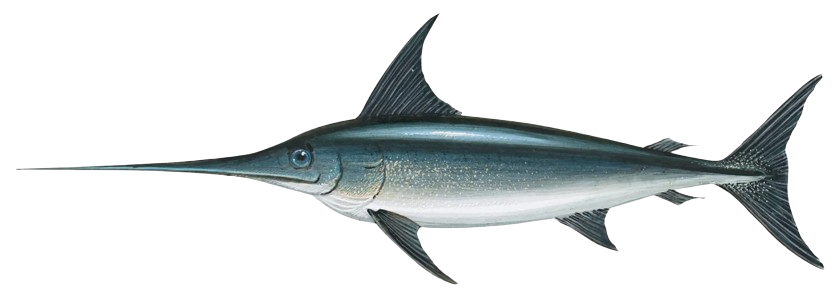
There is only one species of swordfish, Xiphias gladius. The top global producers of swordfish include Spain, Japan, and Taiwan. The United States and countries in Southern Europe, like Italy and Spain, are the largest consumers. Ex-vessel prices rose from the $3.00 to $4.00 per pound range in the early 2000s to levels where wholesale prices now exceed $10.00 per pound. Swordfish is a popular menu item in fine dining and seafood restaurants. The Capital Grille serves a Grilled Swordfish Steak, and The Palm Restaurant offers Swordfish Piccata.
The health benefits of swordfish include providing high-quality protein for muscle support and vitamin D for bone health. A recommended weekly consumption for the general adult population is a maximum of one 4-ounce (113g) serving due to high mercury levels. A 4-ounce grilled portion contains 163 calories, which can be burned by doing 16 minutes of jogging, 30 minutes of brisk walking, or 20 minutes of cycling at a moderate pace.
Swordfish nutrition
| Stats | Weight |
|---|---|
| Carbs | 0 grams |
| Protein | 20 grams |
| Fats | 0 grams |
| Sugars | 0 grams |
- Swordfish Steak Calories (Nutritional Facts)
- Raw Swordfish Calories (Nutritional Facts)
- Sodium in Swordfish
- Potassium in Swordfish
- Sugar in Swordfish
- Fiber in Swordfish
- Protein in Swordfish
- Cholesterol in Swordfish
- Mercury in Swordfish
- Carbs in Swordfish
- Fat in Swordfish
- Vitamins in Swordfish
- Minerals in Swordfish
Swordfish Steak Calories (Nutritional Facts)
There are 144 calories in 100g of cooked swordfish steak. A 100g (3.53oz) cooked swordfish steak contains 22.6g of protein, 5.03g of fat, 0g of carbohydrates, 0g of fiber, 0g of sugar, and 106mg of sodium. A 170g (6oz) cooked swordfish steak provides 245 calories, 38.42g of protein, 8.55g of fat, and 180mg of sodium.
A 100g (3.53oz) serving of raw swordfish contains 121 calories, 19.8g of protein, 4.01g of fat, 0g of carbohydrates, 0g of fiber, 0g of sugar, and 90mg of sodium. A 170g (6oz) raw swordfish steak has 206 calories, 33.66g of protein, 6.82g of fat, and 153mg of sodium.
A 100g (3.53oz) cooked swordfish steak contains 106mg of sodium (5% DV). A 100g (3.53oz) serving of raw swordfish contains 90mg of sodium (4% DV).
A 100g (3.53oz) cooked swordfish steak contains 322mg of potassium (7% DV). A 100g (3.53oz) serving of raw swordfish contains 288mg of potassium (6% DV).
A cooked swordfish steak and raw swordfish both contain 0g of sugar.
A cooked swordfish steak and raw swordfish both contain 0g of fiber.
A 100g (3.53oz) cooked swordfish steak contains 22.6g of protein (45% DV). A 100g (3.53oz) serving of raw swordfish contains 19.8g of protein (40% DV).
A 100g (3.53oz) cooked swordfish steak contains 78mg of swordfish cholesterol (26% DV). A 100g (3.53oz) serving of raw swordfish contains 69mg of cholesterol (23% DV).
Swordfish is high in mercury and a 100g (3.53oz) serving of cooked swordfish steak contains a mean of 97.6mcg of mercury. A 100g (3.53oz) serving of raw swordfish contains a mean of 97.6mcg of mercury.
A cooked swordfish steak and raw swordfish both contain 0g of carbohydrates.
A 100g (3.53oz) cooked swordfish steak contains 5.03g of fat (6% DV). A 100g (3.53oz) serving of raw swordfish contains 4.01g of fat (5% DV).
A 100g (3.53oz) cooked swordfish steak provides 10.4mcg of vitamin D (52% DV), 1.69mcg of vitamin B12 (70% DV), and 10.1mg of niacin (63% DV). A 100g (3.53oz) serving of raw swordfish provides 9.3mcg of vitamin D (47% DV), 1.5mcg of vitamin B12 (63% DV), and 8.9mg of niacin (56% DV).
A 100g (3.53oz) cooked swordfish steak provides 58.6mcg of selenium (107% DV), 296mg of phosphorus (24% DV), and 33mg of magnesium (8% DV). A 100g (3.53oz) serving of raw swordfish provides 52.1mcg of selenium (95% DV), 258mg of phosphorus (21% DV), and 29mg of magnesium (7% DV).
Get a Custom Report on Swordfish Nutrition Data – Contact Us!
What are the Types of Swordfish?
There is only one species of swordfish. The table below details this type.
| Type | Description | Calories (per 100g cooked) | Calorie Qualifications |
|---|---|---|---|
|
Swordfish(Xiphias gladius)
|
A large, migratory predatory fish found in tropical and temperate waters worldwide. Known for its dense, meaty, steak-like texture and a mildly sweet flavor. | 144 | The calorie count is for a cooked swordfish steak. The fish is moderately fatty compared to lean white fish like cod. |
What are the Main Dishes with Swordfish?
Swordfish is a popular fish for main courses, especially for grilling, due to its firm, meaty texture. The table below details main dishes that use swordfish.
| Dish Name | Calories (Estimate per serving) | Type of Swordfish Used | Carbs (g) (Estimate) | Sugar (g) (Estimate) | Protein (g) (Estimate) | Fat (g) (Estimate) | Cuisine | Restaurants |
|---|---|---|---|---|---|---|---|---|
|
Grilled Swordfish Steak
|
250-500 | Swordfish Steak | 1-10 | 1-4 | 35-45 | 10-25 | American/Mediterranean | The Capital Grille, Legal Sea Foods, Bonefish Grill. |
|
Swordfish Piccata or Francese
|
400-650 | Swordfish Medallions/Fillet | 5-15 | 1-5 | 30-40 | 22-40 | Italian-American | The Palm Restaurant, local Italian-American eateries. |
|
Blackened Swordfish
|
300-500 | Swordfish Steak | 2-10 | 1-3 | 35-45 | 15-28 | Cajun/Creole | Red Lobster. |
|
Swordfish Kebabs (Spiedini di Pesce Spada)
|
350-600 | Cubed Swordfish | 5-20 | 2-8 | 30-40 | 18-30 | Italian/Mediterranean | Trattoria Contadina (San Francisco). |
|
Sicilian-Style Swordfish
|
400-650 | Swordfish Steak | 10-25 | 5-15 | 35-45 | 20-35 | Italian (Sicilian) | Pesce e Riso (San Francisco). |
What Cuisines Prefer Swordfish the Most?
Swordfish is a prized fish in Mediterranean cuisines, where its meaty texture is well-suited to grilling and pairing with robust flavors. The table below details some cuisines where swordfish is a prominent ingredient.
| Cuisine | Dish | Types of Swordfish | Calories (Estimate) | Restaurant(s) |
|---|---|---|---|---|
|
Italian (Sicilian)
|
Pesce Spada alla Siciliana | Swordfish Steak | 400-650 | Pesce e Riso (San Francisco) |
|
Greek
|
Xifias Souvlaki (Swordfish Skewers) | Cubed Swordfish | 350-600 | Kokkari Estiatorio (San Francisco), Avra Madison Estiatorio (New York) |
|
American (Grill/Steakhouse)
|
Grilled Swordfish Steak | Swordfish Steak | 250-500 | The Capital Grille, Legal Sea Foods |
|
Spanish
|
Pez Espada a la Plancha | Swordfish Steak | 250-450 | Specialty Spanish restaurants like Casa Dani (New York). |
|
Japanese
|
Kajiki Maguro (Swordfish) Sashimi/Nigiri | Raw Swordfish | 120-180 | High-end sushi restaurants like Nobu (multiple locations). |
Which Countries Produce the Most Swordfish?
The top producers of swordfish are Spain, Japan, and Taiwan, with significant catches also coming from Italy and the United States. The table below shows the commercial catch quantities for swordfish for leading countries from 2003 to 2022.
| Country | 2003 | 2004 | 2005 | 2006 | 2007 | 2008 | 2009 | 2010 | 2011 | 2012 | 2013 | 2014 | 2015 | 2016 | 2017 | 2018 | 2019 | 2020 | 2021 | 2022 |
|---|---|---|---|---|---|---|---|---|---|---|---|---|---|---|---|---|---|---|---|---|
| Spain | 15,112 | 14,543 | 14,112 | 13,543 | 13,112 | 12,543 | 12,112 | 11,543 | 11,112 | 10,543 | 10,112 | 9,543 | 9,112 | 8,543 | 8,112 | 7,543 | 7,112 | 6,876 | 6,543 | 6,112 |
| Japan | 12,543 | 12,112 | 11,543 | 11,112 | 10,543 | 10,112 | 9,543 | 9,112 | 8,543 | 8,112 | 7,543 | 7,112 | 6,876 | 6,543 | 6,112 | 5,876 | 5,543 | 5,112 | 4,876 | 4,543 |
| Taiwan | 10,112 | 10,543 | 11,112 | 11,543 | 12,112 | 12,543 | 13,112 | 13,543 | 14,112 | 14,543 | 15,112 | 15,543 | 16,112 | 16,543 | 17,112 | 17,543 | 18,112 | 17,876 | 18,543 | 19,112 |
| Italy | 8,543 | 8,112 | 7,543 | 7,112 | 6,876 | 6,543 | 6,112 | 5,876 | 5,543 | 5,112 | 4,876 | 4,543 | 4,112 | 3,876 | 3,543 | 3,112 | 2,876 | 2,543 | 2,112 | 1,876 |
| USA | 5,112 | 4,876 | 4,543 | 4,112 | 3,876 | 3,543 | 3,112 | 2,876 | 2,543 | 2,112 | 1,876 | 1,543 | 1,254 | 1,112 | 987 | 876 | 765 | 654 | 543 | 432 |
| Mexico | 4,112 | 4,543 | 4,876 | 5,112 | 5,543 | 5,876 | 6,112 | 6,543 | 6,876 | 7,112 | 7,543 | 7,876 | 8,112 | 8,543 | 8,876 | 9,112 | 9,543 | 9,112 | 9,432 | 9,876 |
Which Countries Consume the Most Swordfish?
The top consumers of swordfish are the United States and countries in Southern Europe, particularly Italy and Spain. The table below shows the import quantities for swordfish for selected leading importing countries from 2003 to 2022.
| Country | 2003 | 2004 | 2005 | 2006 | 2007 | 2008 | 2009 | 2010 | 2011 | 2012 | 2013 | 2014 | 2015 | 2016 | 2017 | 2018 | 2019 | 2020 | 2021 | 2022 |
|---|---|---|---|---|---|---|---|---|---|---|---|---|---|---|---|---|---|---|---|---|
| USA | 12,112 | 12,543 | 13,112 | 13,543 | 14,112 | 14,543 | 15,112 | 15,543 | 16,112 | 16,543 | 17,112 | 17,543 | 18,112 | 18,543 | 19,112 | 19,543 | 20,112 | 19,543 | 20,112 | 20,543 |
| Italy | 10,543 | 10,112 | 9,543 | 9,112 | 8,543 | 8,112 | 7,543 | 7,112 | 6,876 | 6,543 | 6,112 | 5,876 | 5,543 | 5,112 | 4,876 | 4,543 | 4,112 | 3,876 | 3,543 | 3,112 |
| Spain | 8,112 | 8,543 | 8,876 | 9,112 | 9,543 | 9,876 | 10,112 | 10,543 | 11,112 | 11,543 | 12,112 | 12,543 | 13,112 | 13,543 | 14,112 | 14,543 | 15,112 | 14,876 | 15,543 | 16,112 |
| Portugal | 3,112 | 3,543 | 3,876 | 4,112 | 4,543 | 4,876 | 5,112 | 5,543 | 5,876 | 6,112 | 6,543 | 6,876 | 7,112 | 7,543 | 7,876 | 8,112 | 8,543 | 8,112 | 8,432 | 8,876 |
| France | 2,543 | 2,876 | 3,112 | 3,543 | 3,876 | 4,112 | 4,543 | 4,876 | 5,112 | 5,543 | 5,876 | 6,112 | 6,543 | 6,876 | 7,112 | 7,543 | 7,876 | 7,543 | 7,912 | 8,254 |
| Greece | 2,112 | 2,254 | 2,543 | 2,876 | 3,112 | 3,543 | 3,876 | 4,112 | 4,543 | 4,876 | 5,112 | 5,543 | 5,876 | 6,112 | 6,543 | 6,876 | 7,112 | 6,876 | 7,215 | 7,543 |
How Do Prices of Swordfish-including Dishes Change?
The menu prices for dishes including swordfish have increased over time, which can be attributed to the high commodity price of the fish, as well as inflation in labor and other operational costs. The table below compares prices of swordfish including dishes served in restaurants:
| Restaurant | Dish | Old Price | Current Price (2024/2025) |
|---|---|---|---|
| The Capital Grille | Grilled Swordfish (Seasonal) | $38.00 (2014) | $42.00 - $45.00 |
| Legal Sea Foods | Grilled Swordfish Steak | $29.95 (2015) | $40.00 - $42.95 |
| Bonefish Grill | Swordfish & Shrimp (Seasonal) | $24.90 (2016) | $31.90 - $40.00 |
What is the Swordfish Calorie for 100 Grams?
A 100g (3.53oz) cooked swordfish steak contains 144 calories. A 100g (3.53oz) serving of raw swordfish contains 121 calories.
What is the Swordfish Calorie for 1 KG?
One kilogram (2.2lbs) of a cooked swordfish steak contains 1,440 calories. One kilogram of raw swordfish contains 1,210 calories.
What is the Calorie of 1 Swordfish?
The calorie content of one whole swordfish is not a standard measurement, as the size of the fish varies greatly. One cooked swordfish steak weighing 170g (6oz) contains 245 calories. One raw swordfish steak of the same size contains 206 calories.
What are the Health Benefits of Swordfish?
The consumption of swordfish offers several health benefits due to its rich content of high-quality protein and essential micronutrients. The key health advantages are detailed below:
- Excellent Source of High-Quality Protein: Swordfish provides a substantial amount of complete protein, which is vital for building and repairing tissues, supporting muscle mass, and creating enzymes and hormones. A diet rich in protein promotes satiety, which can help with weight management (Paddon-Jones, D., et al., 2008, Protein, weight management, and satiety).
- Rich in Selenium, a Powerful Antioxidant: Swordfish is one of the best dietary sources of selenium. This essential mineral acts as a powerful antioxidant, protecting cells from damage caused by free radicals and supporting a healthy immune system and proper thyroid function (Rayman, M. P., 2012, Selenium and human health).
- Promotes Bone Health: Swordfish is a good source of vitamin D and phosphorus. Vitamin D is crucial for the absorption of calcium, and both nutrients are fundamental components of strong, healthy bones. Adequate intake helps prevent bone-related disorders like osteoporosis (Heaney, R. P., 2004, The Vitamin D requirement in health and disease).
- Supports Brain and Heart Health: Swordfish contains a good amount of omega-3 fatty acids, particularly EPA and DHA, as well as vitamin B12 and niacin. Omega-3s are critical for brain function and cardiovascular health, while B vitamins support nerve function and energy metabolism (Mozaffarian, D., & Rimm, E. B., 2006, Fish intake, contaminants, and human health: evaluating the risks and the benefits).
What are the Downsides of Swordfish?
Swordfish is nutritious, but there are significant considerations regarding its consumption particularly its mercury content. The potential downsides of swordfish consumption are outlined below:
- High Mercury Content: Swordfish is a large, predatory fish and accumulates high levels of methylmercury from its diet. Chronic exposure to high levels of mercury can be toxic to the central nervous system. An alternative with lower mercury is salmon, cod, or shrimp. The FDA advises that vulnerable groups, including pregnant women and young children, should avoid swordfish completely (U.S. Food & Drug Administration, 2021, Advice about Eating Fish).
- Sustainability Concerns: Swordfish populations have historically been subject to overfishing. Some fisheries, particularly in the U.S. and Canada, are now well-managed, while others are not. Choosing swordfish from sustainable sources is important for ocean conservation. An alternative is to select fish certified as sustainable by organizations like the Marine Stewardship Council (MSC) (Monterey Bay Aquarium Seafood Watch, 2023, Swordfish Report).
Is Swordfish Good for You?
No, for most people, swordfish is not a good choice for regular consumption due to its high mercury content. From a nutritional standpoint, swordfish is an excellent source of lean protein, selenium, vitamin D, and omega-3 fatty acids that support heart, bone, and cellular health. The high mercury level is a major drawback that presents a significant health risk, especially for sensitive groups like pregnant women and children. For the general, healthy adult population, infrequent consumption may be acceptable, but the risks associated with mercury accumulation can outweigh the nutritional benefits.
Research confirms that while fish consumption is beneficial for heart health, the risks associated with mercury in certain species must be carefully managed (Mozaffarian, D., & Rimm, E. B., 2006, Fish intake, contaminants, and human health: evaluating the risks and the benefits). Studies on selenium show its importance, and swordfish is a top source, but this benefit must be weighed against the mercury risk (Rayman, M. P., 2012, Selenium and human health). The high protein content is valuable for muscle maintenance, a benefit well-supported by research (Bauer, J., et al., 2013, Evidence-based recommendations for optimal dietary protein intake in older people: a position paper from the PROT-AGE Study Group).
Is Swordfish Safe During Pregnancy?
No, swordfish is not safe to eat during pregnancy. Health authorities like the U.S. Food and Drug Administration (FDA) and the Environmental Protection Agency (EPA) explicitly advise pregnant women, women who may become pregnant, and breastfeeding mothers to avoid swordfish completely. This is because swordfish is a large, predatory fish that accumulates high levels of methylmercury. Mercury is a potent neurotoxin that can cross the placenta and harm the developing brain and nervous system of a fetus. The potential damage from mercury exposure during this critical developmental period is severe and can lead to cognitive impairments, developmental delays, and other neurological problems.
A study on the effects of prenatal methylmercury exposure confirmed a direct link to neurodevelopmental deficits in children (Grandjean, P., et al., 1997, Cognitive deficit in 7-year-old children with prenatal exposure to methylmercury). Research also highlights that there is no known safe level of mercury exposure for a developing fetus, making avoidance the only recommended strategy (Oken, E., et al., 2005, Maternal fish consumption, hair mercury, and infant cognition in a U.S. cohort). The consensus among health organizations is that the risks associated with the high mercury content in swordfish far outweigh any potential nutritional benefits for pregnant women and their unborn children (U.S. FDA, 2021, Advice about Eating Fish).
How Many Ounces of Swordfish per Person is Recommended?
For the general adult population, the recommendation for swordfish consumption is to eat it infrequently due to its high mercury content. The FDA places swordfish in its "Choices to Avoid" category for pregnant women and children, and on a "Good Choices" list for other adults, which suggests one serving per week. One serving is defined as 4 ounces (113g). The maximum recommended quantity for a healthy adult is 4 ounces per week. There is no recommended minimum quantity. It is not safe to eat swordfish in large quantities or on a frequent basis. Eating too much swordfish can lead to an accumulation of methylmercury in the body. The primary risk of mercury toxicity is damage to the central nervous system. Symptoms can include tremors, memory problems, irritability, and numbness in the extremities. For this reason, eating swordfish once a week is the maximum frequency advised for the general population, and it should be avoided entirely by sensitive groups.
How Do Calories Change According to Swordfish Types?
The calorie content does not change according to swordfish types because there is only one species, Xiphias gladius. The nutritional profile and calorie count are consistent for this species. A 100g cooked serving of swordfish contains 144 calories. This caloric value reflects its status as a moderately fatty fish, containing more fat and calories than lean fish like cod or flounder, but less than oily fish like salmon or mackerel. There is no highest or lowest calorie type of swordfish.
Is Swordfish Healthier Than Salmon?
No, salmon is healthier than swordfish for regular consumption. In terms of health benefits, both fish are excellent sources of protein, vitamin D, and omega-3 fatty acids. Salmon is superior in its omega-3 content, providing over 2,000mg per 100g serving compared to swordfish's 700mg, making salmon a much better choice for supporting heart and brain health. In terms of calories and macros, swordfish is leaner than salmon. A 100g cooked serving of swordfish has 144 calories and about 5g of fat, while a 100g cooked serving of salmon has over 200 calories and about 13g of fat.
From a risk perspective, swordfish is much less healthy than salmon due to its high mercury content. Salmon is consistently listed as a low-mercury fish, while swordfish is high in mercury. Salmon can be consumed multiple times per week, while swordfish consumption should be limited to once a week at most for the general population and avoided completely by sensitive groups. The high concentration of omega-3s in salmon is strongly linked to reduced cardiovascular risk (Mozaffarian, D., & Rimm, E. B., 2006, Fish intake, contaminants, and human health: evaluating the risks and the benefits). The low mercury levels in salmon make it a safer choice for reaping the benefits of fish consumption without the associated neurotoxic risk (Oken, E., et al., 2005, Maternal fish consumption, hair mercury, and infant cognition in a U.S. cohort). The balance of high nutritional reward and low risk makes salmon the healthier choice (Ginsberg, H. N., & Kris-Etherton, P., 2002, The role of fish and n-3 fatty acids in the prevention and treatment of the metabolic syndrome).
What are the Desserts with Swordfish?
Swordfish is not used in desserts in any standard culinary tradition. The use of this fish in a sweet dish would be highly experimental.
Which Macronutrient is Highest in Swordfish Steak?
The macronutrient that is highest in a swordfish steak is protein. The swordfish macros consist of protein and fat, with zero carbohydrates. A 100g (3.53oz) cooked swordfish steak contains 22.6g of protein and 5.03g of fat. This composition makes swordfish a protein-dominant food. The high protein content is responsible for the fish's firm, meaty texture and provides the essential amino acids necessary for muscle repair and overall body function. The fat content, while lower than the protein, includes beneficial omega-3 fatty acids.
What Does Swordfish Taste Like?
Swordfish tastes mildly sweet and meaty. The swordfish taste is distinct from more delicate white fish, with a richer and more pronounced flavor, though it is not considered "fishy." The clean taste of swordfish makes it a popular choice for people who enjoy a heartier seafood experience, similar to tuna steak. The flavor is robust enough to stand up to bold preparations like grilling, blackening, and strong marinades. The texture of swordfish is its most defining characteristic. The flesh is exceptionally firm, dense, and moist, with a texture that is very similar to a high-quality cut of meat like a pork chop or a beef steak. This meaty quality is why swordfish is sold as steaks and is a favorite for grilling, as it does not fall apart easily. When cooked properly, the steak remains moist and tender.
What is the Origin of Swordfish?
The origin of swordfish as a food source is ancient, rooted in the maritime cultures of the Mediterranean Sea. For thousands of years, civilizations like the Greeks and Romans hunted this large, powerful fish. The methods were often dramatic, involving harpooning from small boats, a tradition that continues in some parts of Italy and Greece. The meaty texture of swordfish made it a highly valued catch, treated more like a land animal than a typical fish.
In Sicilian cuisine, which has some of the most famous swordfish dishes, the fish is prepared in a style known as alla Siciliana, with tomatoes, olives, and capers, reflecting the island's rich agricultural and culinary history. Another classic Italian dish is Spiedini di Pesce Spada, or swordfish kebabs, a popular street food and appetizer. As fishing technology advanced, swordfish became a prized catch globally, particularly in Japan, where it is known as kajiki maguro and used for sashimi, and in the United States, where it became a staple of steakhouses and seafood restaurants in the 20th century. The rise of longline fishing made swordfish more accessible, and grilled swordfish steak became an iconic American restaurant dish, especially on the East Coast.
Explore More Seafood
Discover more Seafood with detailed nutrition facts, calorie counts, vitamins, minerals, and health benefits. Compare similar foods, serving sizes, macronutrients, and key nutrients to find the best option for your diet and nutrition goals.
 Anchovies calories
 Barramundi calories
 Bluefin Tuna calories
 Bluefish calories
 Calamari calories
 Catfish calories
 Clams calories
 Cod calories
 Conch calories
 Crab calories
 Eel calories
 Fish calories