Calories and Nutritions in White Fish
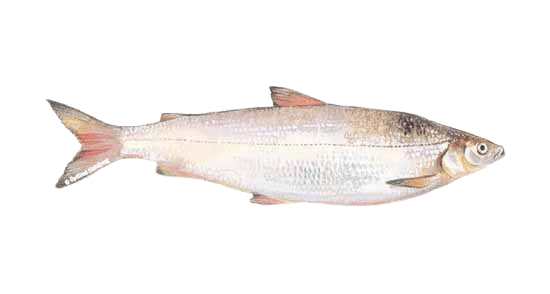
The calories in white fish are low, making these species ideal for those looking for lean protein options. A 100g serving of cooked white fish (3.5 oz) such as Atlantic cod has 82 calories. A larger 180g cooked white fish fillet contains 148 calories. A 150g (5.3 oz) serving of raw white fish has 123 calories. White fish provides high-quality protein and key nutrients, with a 100g serving of cooked cod providing 17.8g of protein (36% DV), 32.8mcg of selenium (60% DV), 203mg of phosphorus (16% DV), 0.91mcg of vitamin B12 (38% DV), and 2.06mg of niacin (13% DV). White fish nutrition facts emphasize that the consumption of fish is linked to a reduced risk of stroke and supports cardiovascular health (He, K., et al., 2004, Fish consumption and risk of stroke in men).
The category of white fish includes many species like cod, haddock, pollock, tilapia, halibut, and flounder. Russia, the United States, and Norway are top producers of white fish, with China, the United States, and the United Kingdom as the biggest consumers. Atlantic cod prices peaked around 2008 above $3.00 per pound for fishermen due to tight supply. Prices for Alaska pollock have remained more stable and lower, in the $0.30 to $0.50 per pound range. White fish is a versatile ingredient used in making many restaurant dishes. Fish and Chips, which use cod or haddock, is a signature item at Gordon Ramsay Fish & Chips. Baked Cod is a classic offering at Legal Sea Foods. Fish Tacos made with tilapia or cod are featured at Rubio's Coastal Grill.
The health benefits of white fish include supporting lean muscle with high-quality protein and promoting heart and brain health with omega-3 fatty acids. A recommended weekly consumption is two 4-ounce (113g) servings. One 4-ounce serving of cooked cod contains 93 white fish calories which can be burned by doing 10 minutes of jogging, 12 minutes of swimming, or 25 minutes of brisk walking.
White Fish nutrition
| Stats | Weight |
|---|---|
| Carbs | 0 grams |
| Protein | 28 grams |
| Fats | 0 grams |
| Sugars | 0 grams |
- White Fish Fillet Calories (Nutritional Facts)
- Raw White Fish Nutrition
- Sodium in White Fish
- Potassium in White Fish
- Sugar in White Fish
- Fiber in White Fish
- Protein in White Fish
- Cholesterol in White Fish
- Carbs in White Fish
- Fat in White Fish
- Vitamins in White Fish
- Minerals in White Fish
White Fish Fillet Calories (Nutritional Facts)
A 100g (3.53oz) cooked white fish fillet, using Atlantic cod as a representative example, provides 82 calories, 17.81g of protein, 0.67g of fat, 0g of carbohydrates, 0g of fiber, 0g of sugar, and 181mg of sodium. A larger cooked white fish fillet weighing 180g (6.3oz) contains 148 calories, 32.06g of protein, 1.21g of fat, 0g of carbohydrates, 0g of fiber, 0g of sugar, and 326mg of sodium.
A 100g (3.53oz) serving of raw white fish, such as Atlantic cod contains 82 calories, 17.81g of protein, 0.67g of fat, 0g of carbohydrates, 0g of fiber, 0g of sugar, and 54mg of sodium. A common portion size of 150g (5.3oz) of raw white fish has 123 calories, 26.72g of protein, 1.01g of fat, 0g of carbohydrates, 0g of fiber, 0g of sugar, and 81mg of sodium.
A cooked 100g (3.53oz) white fish fillet, using Atlantic cod contains 181mg of sodium (8% DV). A 100g (3.53oz) serving of raw white fish, such as Atlantic cod, contains 54mg of sodium (2% DV).
A cooked 100g (3.53oz) white fish fillet, using Atlantic cod contains 264mg of potassium (6% DV). A 100g (3.53oz) serving of raw white fish, such as Atlantic cod, contains 413mg of potassium (9% DV).
A cooked white fish fillet and raw white fish contain 0g of sugar.
A cooked white fish fillet and raw white fish contain 0g of fiber.
A cooked 100g (3.53oz) white fish fillet, using Atlantic cod contains 17.81g of protein (36% DV). A 100g (3.53oz) serving of raw white fish, such as Atlantic cod, provides 17.81g of protein (36% DV).
A cooked 100g (3.53oz) white fish fillet, using Atlantic cod contains 55mg of white fish cholesterol (18% DV). A 100g (3.53oz) serving of raw white fish, such as Atlantic cod, contains 43mg of cholesterol (14% DV).
A cooked white fish fillet and raw white fish contain 0g of carbohydrates.
A cooked 100g (3.53oz) white fish fillet, using Atlantic cod contains 0.67g of fat (1% DV). A 100g (3.53oz) serving of raw white fish, such as Atlantic cod, provides 0.67g of fat (1% DV).
A cooked 100g (3.53oz) white fish fillet, using Atlantic cod provides 0.91mcg of vitamin B12 (38% DV), 2.06mg of niacin (13% DV), 0.17mg of vitamin B6 (10% DV), 4mcg of vitamin A (0% DV), and 0.2mg of vitamin E (1% DV). A 100g (3.53oz) serving of raw white fish, such as Atlantic cod, contains 0.91mcg of vitamin B12 (38% DV), 2.06mg of niacin (13% DV), 0.25mg of vitamin B6 (15% DV), 12mcg of vitamin A (1% DV), and 0.6mg of vitamin E (4% DV).
A cooked 100g (3.53oz) white fish fillet, using Atlantic cod contains 32.8mcg of selenium (60% DV), 203mg of phosphorus (16% DV), 32mg of magnesium (8% DV), 16mg of calcium (1% DV), and 0.37mg of zinc (3% DV). A 100g (3.53oz) serving of raw white fish, such as Atlantic cod, provides 33.1mcg of selenium (60% DV), 203mg of phosphorus (16% DV), 32mg of magnesium (8% DV), 16mg of calcium (1% DV), and 0.45mg of zinc (4% DV).
Get a Custom Report on White Fish Nutrition Data – Contact Us!
What are the Types of White Fish?
The term white fish encompasses many mild-flavored, flaky fish species. The table below details some common types.
| Type | Description | Calories (per 100g cooked) | Calorie Qualifications |
|---|---|---|---|
|
Cod (Atlantic/Pacific)
|
A very popular white fish with a mild flavor and dense, flaky flesh. | 82 | A very lean fish, making cod one of the lowest-calorie protein sources. |
|
Haddock
|
A member of the cod family, haddock has a slightly sweeter taste and a finer flake. | 90 | Slightly higher in calories than cod due to a marginal increase in fat content. |
|
Pollock (Alaskan)
|
A mild-flavored fish with a coarse texture, commonly used for fish sticks and surimi. | 92 | A lean fish with a calorie count similar to other members of the cod family. |
|
Tilapia
|
A freshwater fish with a very mild, almost neutral flavor and a firm texture. | 128 | Higher in calories than cod or pollock, with a different fatty acid profile. |
|
Halibut
|
A large flatfish with a firm, meaty texture and a slightly sweet flavor. | 111 | A lean fish, but with more fat and calories than cod. |
|
Flounder/Sole
|
A group of flatfish known for a delicate texture and a mild, sweet flavor. | 91 | A very lean option with a low calorie count, similar to pollock. |
What are the Main Dishes with White Fish?
White fish is a crucial ingredient in many main courses globally due to its versatility and mild taste. The table below details main dishes that use white fish.
| Dish Name | Calories (Estimate per serving) | Type of White Fish Used | Carbs (g) (Estimate) | Sugar (g) (Estimate) | Protein (g) (Estimate) | Fat (g) (Estimate) | Cuisine | Restaurants |
|---|---|---|---|---|---|---|---|---|
|
Fish and Chips
|
800-1200 | Cod, Haddock, Pollock | 70-100 | 2-6 | 25-40 | 40-60 | English/British | Gordon Ramsay Fish & Chips, A Salt & Battery (New York). |
|
Baked Cod with Lemon and Herbs
|
200-400 | Cod, Haddock | 1-10 | 1-4 | 30-40 | 8-20 | American/Mediterranean | Legal Sea Foods, Bonefish Grill. |
|
Fish Tacos
|
350-600 | Tilapia, Cod, Pollock | 25-45 | 2-8 | 20-30 | 12-25 | Cal-Mex/American | Rubio's Coastal Grill, Wahoo's Fish Taco. |
|
Blackened White Fish
|
250-450 | Tilapia, Cod | 2-10 | 1-3 | 30-40 | 10-22 | Cajun/Creole | Red Lobster. |
|
New England Clam Chowder (with fish)
|
300-500 (per bowl) | Haddock, Cod | 20-35 | 5-10 | 15-25 | 15-25 | American (New England) | Legal Sea Foods, Ivar's Acres of Clams (Seattle). |
|
French Fish Meunière
|
300-500 | Sole, Flounder | 5-15 | 1-4 | 25-35 | 18-30 | French | Balthazar (New York). |
What Cuisines Prefer White Fish the Most?
White fish is a foundational ingredient in many culinary traditions around the world, prized for a mild flavor that adapts well to a wide range of seasonings. The table below details some cuisines where white fish is a prominent feature.
| Cuisine | Dish | Types of White Fish | Calories (Estimate) | Restaurant |
|---|---|---|---|---|
|
English/British
|
Fish and Chips | Cod, Haddock | 800-1200 | Gordon Ramsay Fish & Chips, A Salt & Battery (New York) |
|
American (New England)
|
Baked Haddock, Fish Chowder | Haddock, Cod | 250-500 | Legal Sea Foods, The Union Oyster House (Boston) |
|
French
|
Sole Meunière | Dover Sole, Flounder | 300-500 | Balthazar (New York), Mon Ami Gabi (multiple locations) |
|
Italian
|
Baccalà Mantecato | Salt Cod | 300-450 | Lilia (Brooklyn, NY) |
|
Portuguese
|
Bacalhau à Brás | Salt Cod | 400-600 | Seabra's Marisqueira (Newark, NJ) |
|
Japanese
|
Fish Tempura, Shioyaki (Salt-grilled fish) | Cod, Pollock | 250-450 | Nobu (multiple locations) |
|
Mexican (Coastal)
|
Pescado a la Veracruzana | Tilapia, Cod | 300-500 | Fonda (New York) |
Which Countries Produce the Most White Fish?
The top producers of white fish globally are Russia, the United States, Norway, and China, with production dominated by species like pollock and cod. The table below shows the combined commercial catch quantities for Atlantic cod, haddock, and Alaska pollock for leading countries from 2003 to 2022.
| Country | 2003 | 2004 | 2005 | 2006 | 2007 | 2008 | 2009 | 2010 | 2011 | 2012 | 2013 | 2014 | 2015 | 2016 | 2017 | 2018 | 2019 | 2020 | 2021 | 2022 |
|---|---|---|---|---|---|---|---|---|---|---|---|---|---|---|---|---|---|---|---|---|
| Russia | 1,450,112 | 1,510,543 | 1,580,876 | 1,620,112 | 1,690,543 | 1,750,876 | 1,810,112 | 1,890,543 | 1,950,876 | 2,010,112 | 2,150,543 | 2,210,876 | 2,290,112 | 2,350,543 | 2,410,876 | 2,490,112 | 2,550,543 | 2,610,876 | 2,690,112 | 2,750,543 |
| USA | 1,380,543 | 1,410,876 | 1,450,112 | 1,490,543 | 1,510,876 | 1,550,112 | 1,580,543 | 1,610,876 | 1,650,112 | 1,680,543 | 1,710,876 | 1,750,112 | 1,780,543 | 1,810,876 | 1,850,112 | 1,880,543 | 1,910,876 | 1,950,112 | 1,980,543 | 2,010,876 |
| Norway | 680,112 | 710,543 | 750,876 | 780,112 | 810,543 | 850,876 | 880,112 | 910,543 | 950,876 | 980,112 | 1,010,543 | 1,050,876 | 1,080,112 | 1,110,543 | 1,150,876 | 1,180,112 | 1,210,543 | 1,250,876 | 1,280,112 | 1,310,543 |
| Iceland | 240,543 | 250,876 | 260,112 | 270,543 | 280,876 | 290,112 | 300,543 | 310,876 | 320,112 | 330,543 | 340,876 | 350,112 | 360,543 | 370,876 | 380,112 | 390,543 | 400,876 | 410,112 | 420,543 | 430,876 |
| China | 150,112 | 160,543 | 170,876 | 180,112 | 190,543 | 200,876 | 210,112 | 220,543 | 230,876 | 240,112 | 250,543 | 260,876 | 270,112 | 280,543 | 290,876 | 300,112 | 310,543 | 320,876 | 330,112 | 340,543 |
Which Countries Consume the Most White Fish?
The top consumers of white fish include China, the United States, Japan, and several large European countries. The table below shows the combined import quantities for Atlantic cod, haddock, and Alaska pollock for selected leading importing countries from 2003 to 2022.
| Country | 2003 | 2004 | 2005 | 2006 | 2007 | 2008 | 2009 | 2010 | 2011 | 2012 | 2013 | 2014 | 2015 | 2016 | 2017 | 2018 | 2019 | 2020 | 2021 | 2022 |
|---|---|---|---|---|---|---|---|---|---|---|---|---|---|---|---|---|---|---|---|---|
| China | 350,112 | 380,543 | 410,876 | 450,112 | 480,543 | 510,876 | 550,112 | 580,543 | 610,876 | 650,112 | 680,543 | 710,876 | 750,112 | 780,543 | 810,876 | 850,112 | 880,543 | 850,112 | 890,543 | 920,876 |
| USA | 210,543 | 220,876 | 230,112 | 240,543 | 250,876 | 260,112 | 270,543 | 280,876 | 290,112 | 300,543 | 310,876 | 320,112 | 330,543 | 340,876 | 350,112 | 360,543 | 370,876 | 360,112 | 380,543 | 390,876 |
| United Kingdom | 180,112 | 185,543 | 190,876 | 195,112 | 200,543 | 205,876 | 210,112 | 215,543 | 220,876 | 225,112 | 230,543 | 235,876 | 240,112 | 245,543 | 250,876 | 255,112 | 260,543 | 250,876 | 255,112 | 260,543 |
| Germany | 150,543 | 155,876 | 160,112 | 165,543 | 170,876 | 175,112 | 180,543 | 185,876 | 190,112 | 195,543 | 200,876 | 205,112 | 210,543 | 215,876 | 220,112 | 225,543 | 230,876 | 220,112 | 225,543 | 230,876 |
| Japan | 120,112 | 125,543 | 130,876 | 135,112 | 140,543 | 145,876 | 150,112 | 155,543 | 160,876 | 165,112 | 170,543 | 175,876 | 180,112 | 185,543 | 190,876 | 195,112 | 200,543 | 190,876 | 195,112 | 200,543 |
| France | 100,543 | 105,876 | 110,112 | 115,543 | 120,876 | 125,112 | 130,543 | 135,876 | 140,112 | 145,543 | 150,876 | 155,112 | 160,543 | 165,876 | 170,112 | 175,543 | 180,876 | 170,112 | 175,543 | 180,876 |
How Do Prices of White Fish-including Dishes Change?
The menu prices for dishes including white fish have increased over time, reflecting changes in fish costs, labor, and general inflation, as shown in the following table:
| Restaurant | Dish | Old Price | Current Price (2024/2025) |
|---|---|---|---|
| Legal Sea Foods | Baked Boston Cod | $24.95 (2014) | $33.00 - $36.00 |
| Red Lobster | Fish and Chips (Cod) | $14.99 (2015) | $19.99 - $25.79 |
| Bonefish Grill | Cod Fish & Chips | $16.50 (2016) | $19.90 - $21.90 |
| Gordon Ramsay Fish & Chips | Fish & Chips (Cod) | $14.99 (2017) | $17.99 - $21.99 |
What is the White Fish Calorie for 100 Grams?
A 100g (3.53oz) cooked white fish fillet, using Atlantic cod contains 82 calories. A 100g (3.53oz) serving of raw white fish, such as Atlantic cod, contains 82 calories.
What is the White Fish Calorie for 1 KG?
One kilogram (2.2lbs) of cooked white fish fillet, using Atlantic cod contains 820 calories. One kilogram of raw white fish, such as Atlantic cod, contains 820 calories.
What is the Calorie of 1 White Fish?
One cooked fillet of white fish (Atlantic cod) weighing 180g (6.3oz) contains 148 calories. One raw fillet of white fish (Atlantic cod) weighing 180g (6.3oz) contains 148 calories.
What is the White Fish Calorie per Ounces?
One ounce (28.35g) of a cooked white fish fillet, using Atlantic cod contains 23 calories. One ounce of raw white fish, such as Atlantic cod, contains 23 calories.
What are the Health Benefits of White Fish?
Consumption of white fish is linked to several positive health outcomes, which are detailed below:
- Supports Lean Muscle Mass and Weight Management: White fish is an excellent source of high-quality, low-fat protein. Protein is essential for building and repairing tissues and can increase satiety, which helps in controlling overall calorie intake and managing body weight (Westerterp-Plantenga, M. S., 2003, The role of protein in weight management).
- Promotes Heart Health: Many types of white fish, while lean, contain omega-3 fatty acids. These fatty acids help lower blood pressure, reduce triglycerides, and decrease the risk of cardiovascular events. Regular fish consumption is a cornerstone of heart-healthy diets (Mozaffarian, D., & Rimm, E. B., 2006, Fish intake, contaminants, and human health: evaluating the risks and the benefits).
- Boosts Brain Function: White fish is a good source of vitamin B12 and other B vitamins, which are crucial for nerve function and the production of red blood cells. The omega-3s present also play a role in maintaining cognitive health and may reduce the risk of age-related cognitive decline (Morris, M. C., et al., 2003, Consumption of fish and n-3 fatty acids and risk of incident Alzheimer disease).
- Supports Thyroid Function: White fish provides iodine and selenium, two minerals that are vital for the proper functioning of the thyroid gland. The thyroid regulates metabolism, and these nutrients are necessary for the synthesis of thyroid hormones (Zimmermann, M. B., & Köhrle, J., 2002, The impact of iron and selenium deficiencies on iodine and thyroid metabolism: biochemistry and relevance to public health).
What are the Downsides of White Fish?
Although white fish is a healthy food, there are some potential downsides which are outlined below:
- Mercury Content: Some species of white fish can contain mercury, an environmental contaminant. While levels are lower than in larger predatory fish, accumulation can be a concern, especially for pregnant women and young children. An alternative with lower mercury is shrimp or scallops. The FDA suggests a weekly consumption of two to three servings of fish from the "Best Choices" list, which includes cod and tilapia (U.S. Food & Drug Administration, 2021, Advice about Eating Fish).
- Sustainability and Overfishing: Certain popular white fish species, such as Atlantic cod, have faced severe population declines due to overfishing. Choosing sustainably sourced fish is important for ocean health. An alternative is to select fish certified by organizations like the Marine Stewardship Council (MSC). Look for pollock from Alaska or farmed tilapia from responsible sources (Pauly, D., et al., 2002, Towards sustainability in world fisheries).
- Microplastics Contamination: Microplastics have been found in marine environments and can be ingested by fish. The long-term health effects of consuming microplastics through seafood are still under investigation, but represent a potential concern. Filtering water sources and reducing plastic use are broader solutions. There is no direct dietary alternative to avoid this potential exposure from wild seafood (Smith, M., et al., 2018, Microplastics in Seafood and the Implications for Human Health).
Is White Fish Good for You?
Yes, white fish is good for consumption because the food provides lean protein, vitamins, and minerals that support multiple aspects of health. For heart health, white fish is low in saturated fat and contains omega-3 fatty acids that help manage cholesterol levels and reduce blood pressure. For brain health, the B vitamins, particularly B12, and omega-3s found in white fish are essential for nerve function and cognitive maintenance. The high-quality protein in white fish is important for muscle development and repair, and because protein promotes satiety, white fish can be a valuable component of a weight management plan.
Regular fish intake is associated with a reduced risk of coronary disease mortality (Marckmann, P., & Grønbaek, M., 1999, Fish consumption and coronary heart disease mortality. A systematic review of prospective cohort studies). The consumption of fish is also linked to a slower rate of age-related cognitive decline in older adults (Morris, M. C., et al., 2005, Fish consumption and cognitive decline with age in a large community study). Furthermore, the selenium in white fish is a critical component of enzymes that protect the thyroid gland from oxidative damage (Schomburg, L., 2011, Selenium, selenoproteins and the thyroid gland: interactions in health and disease).
How Do Calories Change According to White Fish Types?
The calorie content of white fish changes based on the species, with the main difference being the fat content of the fish. Leaner fish like Atlantic Cod contain the fewest calories, with 82 calories per 100g cooked serving. Flounder and haddock have slightly more, with 91 and 90 calories, respectively. Alaskan Pollock is also a low-calorie choice at 92 calories per 100g. The calorie count increases in fish with a higher fat content. Halibut contains 111 calories per 100g serving. The highest calorie white fish among these common types is Tilapia, which provides 128 calories per 100g cooked serving.
What are the Desserts with White Fish?
White fish is not a conventional ingredient for desserts, and its use is limited.
What Happens to the Macros in White Fish when Cooked at High Temperatures?
Cooking white fish at high temperatures causes changes to the white fish macros through moisture loss and protein denaturation. The high heat forces water out of the fish muscle, which concentrates the protein and fat content relative to the final weight of the cooked product, meaning a 100g portion of cooked white fish will have a higher protein and fat concentration than a 100g portion of raw white fish. Cooking at high temperatures does not reduce the total macronutrient content in white fish in terms of grams of protein or fat, but instead alters the structure and can affect the quality of these macros. The intense heat denatures the proteins, causing them to coagulate and become firmer, which can make them slightly less digestible, and the small amount of fat in lean white fish can undergo oxidation, which may reduce its nutritional quality.
Research shows that while the overall quantity of macronutrients remains stable, the physical and chemical properties change; for example, frying at high temperatures leads to the most significant moisture loss and changes in protein structure (García-Arias, M.T., et al., 2003, Cooking-freezing-reheating (CFR) of sardine (Sardina pilchardus) fillets. Effect of different cooking and reheating methods on the proximate and fatty acid compositions). Another study confirms that severe heat treatment can lead to a decrease in the availability of some amino acids, the building blocks of protein (Bax, M.L., et al., 2012, The effects of high temperature/short time processing on the structure and digestibility of proteins).
What is the Origin of White Fish?
The origin of white fish as a dietary staple dates back thousands of years to coastal and river-based civilizations across the globe. In Northern Europe, species like cod and haddock were fundamental to the survival of Norse and early British populations. The Vikings perfected methods of air-drying cod, creating a durable, protein-rich food source called stockfish that fueled long sea voyages. This preservation technique allowed cod to become one of the world's first international commodities. The salt cod trade, pioneered by the Basque and Portuguese, became a cornerstone of European economies from the 15th century onward, linking the Grand Banks of Newfoundland to markets across the continent. This trade gave rise to iconic national dishes like Portuguese Bacalhau à Brás and Italian Baccalà Mantecato. In England, the rise of industrial-era trawl fishing in the 19th century made white fish cheap and abundant, leading to the creation of the classic dish Fish and Chips, which became a cultural institution. In the Americas, Indigenous peoples harvested freshwater white fish like tilapia and various coastal species. In Japan, white fish has long been used for grilling (shioyaki), simmering (nimono), and as a key ingredient in processed products like surimi, the basis for kamaboko fish cakes.
Explore More Seafood
Discover more Seafood with detailed nutrition facts, calorie counts, vitamins, minerals, and health benefits. Compare similar foods, serving sizes, macronutrients, and key nutrients to find the best option for your diet and nutrition goals.
 Anchovies calories
 Barramundi calories
 Bluefin Tuna calories
 Bluefish calories
 Calamari calories
 Catfish calories
 Clams calories
 Cod calories
 Conch calories
 Crab calories
 Eel calories
 Fish calories