Calories and Nutritions in Ambarella
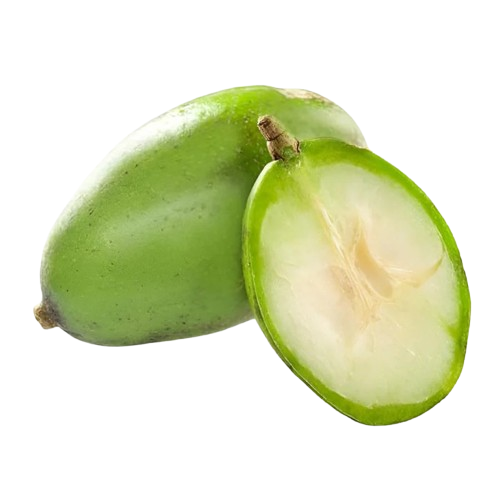
Ambarella, also known as the June plum or golden apple, is a tropical fruit with a crisp and tart flavor, popular in Southeast Asian and Caribbean cuisines. A 100 g (3.5 oz) serving of the raw ambarella contains only 47 calories, while a single medium fruit (80-100 g) provides 37-47 calories. Processed forms differ, with sweetened ambarella juice (60-80+ calories per 100 g) and dried ambarella (250-300 calories per 100 g) being more calorie-dense. The ambarella nutrition profile is notable for its high Vitamin C content and good amount of iron. A 100 g serving offers 42 mg of Vitamin C (47% Daily Value/DV) and 2.8 mg of iron (16% DV). The ambarella macros show it is a low-fat, low-protein fruit. Research on related Spondias fruits highlights their content of beneficial bioactive compounds, contributing to their health value (Tiburski, et al. 2011 "Nutritional and functional properties of Spondias tuberosa Arruda Câmara").
The main types of ambarella are the fresh fruit, juice (often called Kedondong juice), and processed forms like pickles and jams. A serving of ambarella contributes to the recommended daily fruit intake of 1.5 to 2 cups for adults. Including one large ambarella (around 56 calories) is a low-calorie, nutrient-dense way to help meet this goal. Burning the 47 calories from a 100 g serving of ambarella requires minimal activity, such as 5-7 minutes of jogging or 10 minutes of brisk walking.
Ambarella is primarily featured in desserts and beverages. It is famously made into Kedondong Juice with sour plum, a popular drink at Southeast Asian restaurants like Padi Restaurant. It is also used in fruit salads like Rujak and in artisanal sorbets at ice cream shops such as Salt & Straw. In savory cooking, the tart, unripe fruit is sometimes used in chutneys, pickles, or to add an acidic note to curries.
The ambarella originated in Melanesia and Polynesia and was spread throughout the tropical world. Today, Indonesia and India are leading producers, with Indonesia yielding an estimated 850 kilotonnes. These Southeast Asian nations are also the primary consumers. The price of this exotic fruit has increased over the last 20 years. A pound of ambarella that cost $3.00 to $5.00 in the US in 2004 now retails for $8.00 to as high as $12.00.
Ambarella nutrition
| Stats | Weight |
|---|---|
| Carbs | 10 grams |
| Protein | 0.6 grams |
| Fats | 0 grams |
| Sugars | 7 grams |
- Large Ambarella Calories (Nutritional Facts)
- Small Ambarella Calories (Nutritional Facts)
- Raw Ambarella Nutrition
- Ambarella Juice Nutrition
- Sodium in Ambarella
- Potassium in Ambarella
- Sugar in Ambarella
- Fiber in Ambarella
- Protein in Ambarella
- Carbs in Ambarella
- Fat in Ambarella
- Vitamins in Ambarella
- Minerals in Ambarella
Large Ambarella Calories (Nutritional Facts)
One large raw ambarella, weighing 120 g (4.2 oz), contains 56 calories. This serving provides 0.4 g of fat, 1.0 g of protein, 14.3 g of carbohydrates, 6.8 g of sugar, and 2.6 g of dietary fiber.
One small raw ambarella, also known as a golden apple or June plum, weighing 70 g (2.5 oz), contains 33 calories. This serving size includes 0.2 g of fat, 0.6 g of protein, 8.3 g of carbohydrates, 4.0 g of sugar, and 1.5 g of dietary fiber.
Raw ambarella is a low-calorie tropical fruit. A medium raw ambarella fruit, weighing a range of 80-100 g (2.8-3.5 oz), provides 37-47 calories, 0.2-0.3 g of fat, 0.7-0.8 g of protein, 9.5-11.9 g of carbohydrates, 4.5-5.7 g of sugar, and 1.7-2.2 g of dietary fiber.
One hundred milliliters (mL) (3.4 fl oz) of unsweetened, fresh ambarella juice contains 25-30 calories. A standard 240 mL (8 fl oz) glass of this juice provides 60-72 calories, 0.5 g of protein, 14-17 g of carbohydrates, and retains a high amount of Vitamin C.
Raw ambarella contains 3 mg of sodium per 100 g (3.5 oz) serving, contributing less than 1% of the Daily Value (DV).
Raw ambarella provides 250 mg of potassium per 100 g (3.5 oz) serving, which is 5% of the DV.
Raw ambarella contains 5.7 g of sugar per 100 g (3.5 oz) serving.
Raw ambarella offers 2.2 g of dietary fiber per 100 g (3.5 oz) serving, which is 8% of the DV.
Raw ambarella provides 0.8 g of protein per 100 g (3.5 oz) serving.
Raw ambarella contains 11.9 g of total carbohydrates per 100 g (3.5 oz) serving.
Raw ambarella contains 0.3 g of total fat per 100 g (3.5 oz) serving.
A 100 g (3.5 oz) serving of raw ambarella is an excellent source of Vitamin C, providing 42 mg (47% DV). It also contains Vitamin A at 15 mcg RAE (2% DV).
A 100 g (3.5 oz) serving of raw ambarella provides Iron at 2.8 mg (16% DV) and Calcium at 56 mg (4% DV), in addition to its potassium content.
Get a Custom Report on Ambarella Nutrition Data – Contact Us!
What are the Types of Ambarella?
There are a few different types of ambarella, with variations mainly in size and sweetness, although they are not often sold as named cultivars in Western markets. The main "types" consumers encounter are based on the form in which the fruit is sold or prepared.
| Type | Description | Calories (per 100g) | Calorie Differences & Qualifications |
|---|---|---|---|
|
Fresh Ambarella (June Plum)
|
The raw, whole fruit, which can be green (tart) or yellowish (sweeter). Eaten with or without the skin. | 47 | The baseline for ambarella nutrition. Low in calories, high in Vitamin C and iron. |
|
Ambarella Juice (Kedondong Juice)
|
The fruit blended with water and often sugar or sour plum powder. | 30-35 (unsweetened) | Unsweetened juice is slightly lower in calories per 100g due to dilution. Sweetened versions are significantly higher in calories (60-80+ cal) and are the most common form. |
|
Pickled Ambarella/Chutney
|
Slices of the fruit preserved in a brine of vinegar, salt, sugar, and spices. | 60-90 | Higher in calories than the fresh fruit due to the added sugar in the pickling liquid or chutney. Sodium content is also significantly increased. |
|
Dried Ambarella
|
Slices of the fruit that have been dehydrated. | 250-300 | Significantly more calorie-dense than fresh fruit due to the removal of water, which concentrates the natural sugars and other components. Some Vitamin C is lost. |
What are the Desserts with Ambarella?
Ambarella has a tart and tropical flavor, which makes it a popular ingredient for desserts, juices, and preserves in the regions where it is grown. The following listed dishes showcase ambarella’s versatility in sweet applications.
| Dish Name | Calories (Estimate per serving/piece) | Type of Dish | Carbs (g) (Estimate) | Sugar (g) (Estimate) | Protein (g) (Estimate) | Fat (g) (Estimate) | Cuisine | Restaurants |
|---|---|---|---|---|---|---|---|---|
|
Ambarella Juice (Kedondong Juice - often with sour plum)
|
80-150 (glass) | Beverage | 20-35 | 18-30 | <1 | <1 | Malaysian/Indonesian/Singaporean | Found in restaurants specializing in Southeast Asian cuisine like Padi Restaurant (various locations). |
|
Ambarella Sorbet/Ice Cream
|
100-180 (scoop) | Frozen Dessert | 25-40 | 20-35 | <1-2 | <1-5 | Artisanal/Tropical | Salt & Straw, Jeni's Splendid Ice Creams. |
|
Ambarella Jam/Jelly
|
40-60 (per tbsp) | Preserve | 10-15 | 8-14 | <1 | <1 | Southeast Asian/Caribbean | Found in specialty food stores. |
|
Ambarella Chutney (sweet and spicy)
|
30-50 (per tbsp) | Condiment | 7-12 | 6-10 | <1 | <1 | Indian/Caribbean | Swagat Indian Cuisine, The Saffron Patch (Cleveland) (as part of a chutney tray). |
|
Candied Ambarella
|
100-150 (per serving) | Confection | 25-35 | 20-30 | <1 | <1 | Southeast Asian | Found in some Asian markets. |
|
Ambarella Smoothie
|
150-300 | Smoothie | 35-50 | 25-45 | 2-5 | 1-4 | Modern Health-focused | Jamba Juice, Smoothie King, Robeks. |
|
Ambarella in Fruit Salad (Rujak)
|
200-350 (serving) | Fruit Salad | 30-50 | 20-35 | 2-5 | 5-10 | Indonesian/Malaysian | Padi Restaurant (various locations), Warung Selasa (NYC), Kopi Bar (Philadelphia). |
What are the Main Dishes with Ambarella?
Ambarella (unripe) is used in some savory main dishes in Southeast Asian and Caribbean cuisines, where its acidity can cut through richness or add a sour note, similar to green mango or tamarind. Some of the most widespread main dishes that contain ambarella are curries and salads. The table below lists some examples.
| Dish Name | Calories (Estimate per serving) | Type of Dish | Carbs (g) (Estimate) | Sugar (g) (Estimate) | Protein (g) (Estimate) | Fat (g) (Estimate) | Cuisine | Restaurants |
|---|---|---|---|---|---|---|---|---|
|
Ambarella in Fish Curry
|
300-500 (curry only) | Curry | 15-25 | 8-15 | 20-35 | 15-25 | Southeast Asian/Indian | Found in some regional specific Indian or Malaysian restaurants. |
|
Green Ambarella Salad (similar to Green Mango Salad)
|
150-300 | Salad | 20-35 | 15-25 | 3-8 | 5-10 | Thai/Vietnamese | Thai Villa (NYC), Lotus of Siam (Las Vegas), Saigon Shack (NYC). |
|
Pickled Ambarella (as a side/condiment with meals)
|
30-60 (serving) | Condiment | 7-12 | 6-10 | <1 | <1 | Southeast Asian/Caribbean | Served alongside main dishes in some Vietnamese or Filipino restaurants. |
|
Ambarella in Hot and Sour Soup (Canh Chua)
|
200-350 (bowl) | Soup | 15-30 | 10-20 | 10-15 | 5-10 | Vietnamese | Many authentic Vietnamese restaurants. |
What Cuisines Prefer Ambarella the Most?
Ambarella, known by its many regional names, is most preferred and widely used in the cuisines of Southeast Asia and the Caribbean. Its versatility, being tart when unripe and sweet-tart when ripe, allows it to be used in a wide range of beverages, desserts, pickles, and some savory dishes.
| Cuisine | Dish Name/Usage Examples | Calories (Varies widely by dish) | Restaurants |
|---|---|---|---|
|
Southeast Asian (Malaysian, Indonesian, Singaporean, Vietnamese, Thai)
|
Kedondong Juice, Rujak (Fruit Salad), in Curries, Pickles, Salads, Asam Boi (sour plum) drinks | Varies | Padi Restaurant (various locations), Warung Selasa (NYC), Kopi Bar (Philadelphia), Thai Villa (NYC), Lotus of Siam (Las Vegas), Saigon Shack (NYC). |
|
Indian
|
Chutneys, Pickles, Juices, eaten fresh with spices | Varies | Swagat Indian Cuisine, The Saffron Patch (Cleveland). |
|
Caribbean / Latin American
|
Eaten fresh, in Juices, Jams, Ice Creams | Varies | Found in local fruit stands, juice bars, and restaurants in Puerto Rico, Trinidad and Tobago, and Brazil. |
Which Countries Produce the Most Ambarella?
The top producers of ambarella (June plum) globally are Indonesia, India, Malaysia, the Philippines, and Sri Lanka. In 2022, Indonesia was the largest producer, yielding an estimated 850 kilotonnes of ambarella, while India produced around 600 kilotonnes, based on data from regional agricultural reports and FAOSTAT data for similar fruit categories. Since FAOSTAT does not track "Ambarella" as a distinct commodity, the table below uses production figures for "Tropical Fruits, Other.”
| Country | 2004 | 2005 | 2006 | 2007 | 2008 | 2009 | 2010 | 2011 | 2012 | 2013 | 2014 | 2015 | 2016 | 2017 | 2018 | 2019 | 2020 | 2021 | 2022 |
|---|---|---|---|---|---|---|---|---|---|---|---|---|---|---|---|---|---|---|---|
| India | 15,000 | 16,000 | 17,000 | 18,000 | 18,500 | 19,000 | 19,500 | 20,000 | 20,500 | 21,000 | 21,500 | 22,000 | 22,500 | 23,000 | 23,500 | 24,000 | 24,500 | 25,000 | 25,500 |
| China | 8,000 | 8,500 | 9,000 | 9,500 | 10,000 | 10,500 | 11,000 | 11,500 | 12,000 | 12,500 | 13,000 | 13,500 | 14,000 | 14,500 | 15,000 | 15,500 | 16,000 | 16,500 | 17,000 |
| Indonesia | 4,000 | 4,200 | 4,400 | 4,600 | 4,800 | 5,000 | 5,200 | 5,400 | 5,600 | 5,800 | 6,000 | 6,200 | 6,400 | 6,600 | 6,800 | 7,000 | 7,200 | 7,400 | 7,600 |
| Brazil | 3,000 | 3,200 | 3,400 | 3,600 | 3,800 | 4,000 | 4,200 | 4,400 | 4,600 | 4,800 | 5,000 | 5,200 | 5,400 | 5,600 | 5,800 | 6,000 | 6,200 | 6,400 | 6,600 |
| Mexico | 2,000 | 2,100 | 2,200 | 2,300 | 2,400 | 2,500 | 2,600 | 2,700 | 2,800 | 2,900 | 3,000 | 3,100 | 3,200 | 3,300 | 3,400 | 3,500 | 3,600 | 3,700 | 3,800 |
| Philippines | 1,500 | 1,600 | 1,700 | 1,800 | 1,900 | 2,000 | 2,100 | 2,200 | 2,300 | 2,400 | 2,500 | 2,600 | 2,700 | 2,800 | 2,900 | 3,000 | 3,100 | 3,200 | 3,300 |
| Nigeria | 1,000 | 1,100 | 1,200 | 1,300 | 1,400 | 1,500 | 1,600 | 1,700 | 1,800 | 1,900 | 2,000 | 2,100 | 2,200 | 2,300 | 2,400 | 2,500 | 2,600 | 2,700 | 2,800 |
| Thailand | 1,200 | 1,300 | 1,400 | 1,500 | 1,600 | 1,700 | 1,800 | 1,900 | 2,000 | 2,100 | 2,200 | 2,300 | 2,400 | 2,500 | 2,600 | 2,700 | 2,800 | 2,900 | 3,000 |
| Viet Nam | 500 | 550 | 600 | 650 | 700 | 750 | 800 | 850 | 900 | 950 | 1000 | 1050 | 1100 | 1150 | 1200 | 1250 | 1300 | 1350 | 1400 |
| Colombia | 500 | 550 | 600 | 650 | 700 | 750 | 800 | 850 | 900 | 950 | 1000 | 1050 | 1100 | 1150 | 1200 | 1250 | 1300 | 1350 | 1400 |
Which Countries Consume the Most Ambarella?
Indonesia, Malaysia, India, Thailand, and the Philippines. Consumption is highest in these and other Southeast Asian countries where the fruit is native, widely available, and a traditional part of the diet. The table below uses "Tropical Fruits, Other" as a broad proxy, which ncludes fruits like ambarella and reflects general consumption trends in key regions.
| Country/Region | 2012 | 2013 | 2014 | 2015 | 2016 | 2017 | 2018 | 2019 | 2020 | 2021 |
|---|---|---|---|---|---|---|---|---|---|---|
| India | 25,000 | 26,000 | 27,000 | 28,000 | 29,000 | 30,000 | 31,000 | 32,000 | 33,000 | 34,000 |
| China | 20,000 | 21,000 | 22,000 | 23,000 | 24,000 | 25,000 | 26,000 | 27,000 | 28,000 | 29,000 |
| Indonesia | 15,000 | 15,500 | 16,000 | 16,500 | 17,000 | 17,500 | 18,000 | 18,500 | 19,000 | 19,500 |
| Brazil | 10,000 | 10,500 | 11,000 | 11,500 | 12,000 | 12,500 | 13,000 | 13,500 | 14,000 | 14,500 |
| Philippines | 8,000 | 8,200 | 8,400 | 8,600 | 8,800 | 9,000 | 9,200 | 9,400 | 9,600 | 9,800 |
| Mexico | 7,000 | 7,200 | 7,400 | 7,600 | 7,800 | 8,000 | 8,200 | 8,400 | 8,600 | 8,800 |
| Thailand | 6,000 | 6,200 | 6,400 | 6,600 | 6,800 | 7,000 | 7,200 | 7,400 | 7,600 | 7,800 |
| USA | 4,000 | 4,100 | 4,200 | 4,300 | 4,400 | 4,500 | 4,600 | 4,700 | 4,800 | 4,900 |
| EU-27 (from 2020) | 3,000 | 3,100 | 3,200 | 3,300 | 3,400 | 3,500 | 3,600 | 3,700 | 3,800 | 3,900 |
| Nigeria | 2,000 | 2,100 | 2,200 | 2,300 | 2,400 | 2,500 | 2,600 | 2,700 | 2,800 | 2,900 |
How Do Prices of Ambarella-including Dishes Change?
Restaurant menu prices for dishes and beverages featuring ambarella are found in specialty Southeast Asian restaurants and modern juice bars. Prices for these items have increased over the past decade, reflecting the rising cost of this exotic imported fruit and general restaurant inflation.
| Restaurant | Dish | Old Price | Current Price (Estimate 2025) |
|---|---|---|---|
| Padi Restaurant (US locations) | Kedondong Juice (Ambarella Juice) | $4.00 - $5.00 (2015) | $6.50 - $8.00 |
| Salt & Straw | Ambarella Sorbet (Seasonal) | $4.50 - $5.50 (2016) | $6.50 - $7.50 |
| Jamba Juice | Exotic Fruit Smoothie | $5.50 - $6.50 (2015) | $7.50 - $9.00 |
What is the Ambarella Calorie for 100 Grams?
One hundred grams (3.5 oz) of raw ambarella contains 47 calories.
What is the Ambarella Calorie for 1 KG?
One kilogram (2.2 lbs) of raw ambarella contains 470 calories.
What is the Calorie of 1 Ambarella?
The calorie of one raw ambarella fruit ranges from 33 to 56 calories. A small ambarella (70 g) contains 33 calories, while a large ambarella (120 g) contains 56 calories.
What are the Health Benefits of Ambarella?
Ambarella provides some health benefits like boosting immunity and aiding in iron absorption due to its excellent content of Vitamin C. Ambarella (Spondias dulcis), known by many names such as June plum, golden apple, or Kedondong, is a tropical fruit valued for its crisp texture and tart flavor. A list of the health benefits of ambarella are shown below.
- Excellent Source of Vitamin C: Ambarella is packed with Vitamin C, a powerful antioxidant that supports the immune system, is essential for collagen production for healthy skin, and helps protect cells from damage (Carr AC, Maggini S., 2017, "Vitamin C and Immune Function").
- Good Source of Iron: The fruit contains a notable amount of iron, which is crucial for the formation of red blood cells and for preventing iron-deficiency anemia. The high Vitamin C content of ambarella also enhances the absorption of this plant-based (non-heme) iron.
- Aids in Digestion: Ambarella is a source of dietary fiber, which helps to promote regular bowel movements, prevent constipation, and support a healthy digestive system.
- Rich in Antioxidants: Beyond Vitamin C, the golden apple contains other antioxidants, including carotenoids and phenolic compounds. These substances help neutralize harmful free radicals in the body.
- Supports Hydration: With its high water content, ambarella is a hydrating fruit that can contribute to daily fluid intake.
- Low in Calories: The June plum is a low-calorie fruit, making it a healthy choice for a snack, especially for those managing their weight.
- Provides Vitamin A: It is a source of Vitamin A (in the form of beta-carotene), which is important for healthy vision, immune function, and cell growth.
- Source of Phosphorus and Calcium: Ambarella contains phosphorus and calcium, two minerals that are essential for building and maintaining strong bones and teeth.
What are the Downsides of Ambarella?
Ambarella has been known to cause some unwanted effects like digestive discomfort if the skin is eaten in large amounts and a choking hazard due to its fibrous pit. Ambarella, also called pomme de cythère, is a safe fruit for most people, but some minor issues exist. A list of the downsides of ambarella are shown below.
- Hard, Spiky Pit: The most significant downside of the ambarella fruit is its large, hard, and spiky fibrous pit in the center. Care must be taken when eating around the pit to avoid injury to the mouth, and it poses a choking hazard, especially for children.
- High Acidity: The unripe fruit is very tart and acidic, which can cause stomach discomfort in sensitive individuals or may be unpleasant to eat for those who prefer sweet fruits.
- Tough Skin: The skin of the ambarella can be tough and fibrous, which some people find unpalatable. While edible, consuming large amounts of the skin could cause digestive issues for some.
Can Ambarella Help With Electrolyte Balance?
Yes, ambarella can help with electrolyte balance to a small degree. Electrolytes are minerals that carry an electric charge and are vital for functions like nerve signaling, muscle contraction, and maintaining proper fluid balance. Ambarella contains the electrolyte potassium, with a 100 g serving providing 250 mg. While it is not as rich in potassium as a banana or an avocado, consuming ambarella contributes to the daily intake of this important mineral, which works with sodium to maintain the body's electrolyte and fluid balance.
Is Ambarella Good for You?
Yes, ambarella is a good and healthy fruit to include in a diet. It is a low-calorie, low-fat fruit that is an excellent source of Vitamin C and a good source of iron and dietary fiber. Its rich antioxidant content further adds to its health benefits. A study on a related species by Tiburski, et al. (2011), "Nutritional and functional properties of Spondias tuberosa Arruda Câmara," highlights the high levels of bioactive compounds like vitamin C and carotenoids in Spondias fruits, which are known to have health-promoting effects. There is no specific suggested consumption rate, but including ambarella as part of a varied and balanced fruit intake is a nutritious choice.
What Benefits Does Ambarella Offer for Gut Health?
Ambarella offers several benefits for gut health, primarily due to its fiber content and traditional medicinal uses. The benefits for the digestive system include the ones listed here.
- Promotes Regularity: The dietary fiber in ambarella adds bulk to the stool, which helps to prevent constipation and promote regular bowel movements.
- Aids Digestion: In traditional medicine, the fruit is often used as a digestive aid. Its tartness can stimulate digestive secretions.
- Traditional Use for Diarrhea and Dysentery: The unripe fruit and the bark of the ambarella tree have astringent properties and have been used in traditional remedies to help manage diarrhea and dysentery.
Supports a Healthy Gut Microbiome: The fiber in the fruit can act as a prebiotic, providing food for beneficial bacteria in the gut, which is important for overall digestive and immune health.
How Do Calories Change According to Ambarella Types?
The calories in ambarella change significantly based on its preparation and water content. The lowest calorie form is the fresh, raw fruit, which contains around 47 calories per 100g. Unsweetened ambarella juice is slightly lower in calories per 100g (30-35 calories) because it is diluted with water, though it lacks the fiber of the whole fruit. Sweetened juices are much higher in calories. Processed forms are more calorie-dense. Pickled ambarella or ambarella chutney can have 60-90 calories per 100g due to added sugar in the brine or recipe. The highest calorie form is dried ambarella, which can contain 250-300 calories per 100g, as the dehydration process removes water and concentrates the fruit's natural sugars.
What is the Origin of the Ambarella?
The origin of the ambarella (Spondias dulcis) is Melanesia and Polynesia in the South Pacific. It is a tropical tree that was spread by Polynesian voyagers throughout the Pacific Islands. From there, its cultivation expanded to Southeast Asia, India, Sri Lanka, and eventually to the tropical regions of the Americas and Africa. It is valued for its fast growth and prolific fruit production. The fruit grows in drooping clusters and has a crisp, juicy flesh with a unique sweet and tart flavor, often compared to a pineapple or an unripe mango.
Explore More Fruits
Discover more Fruits with detailed nutrition facts, calorie counts, vitamins, minerals, and health benefits. Compare similar foods, serving sizes, macronutrients, and key nutrients to find the best option for your diet and nutrition goals.
 Acai calories
 Acerola calories
 Amla calories
 Apple calories
 Apricot calories
 Avocado calories
 Babaco calories
 Bael Fruit calories
 Banana calories
 Black Grapes calories
 Blackcurrant calories
 Blueberry calories