Calories and Nutritions in Blackcurrant
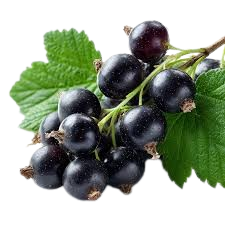
Blackcurrants are small, dark berries with an intense, tart flavor and a rich nutritional profile. The calories in blackcurrants are low for the fresh fruit, with a 100g (3.5 oz) serving of raw blackcurrants containing 63 calories, while a full cup (112g or 3.95 oz) provides 71 calories. Dried blackcurrants are much more calorie-dense, with around 280-300 calories per 100g.
Blackcurrant nutrition is most notable for its exceptionally high Vitamin C content and potent antioxidants. A 100 g serving of fresh blackcurrants offers an impressive 181 mg of Vitamin C, which is 201% of the Daily Value (DV), making it one of the richest sources available. This same serving provides 1.4 g of protein, 0.4 g of fat, 15.4 g of carbohydrates, 4.3 g of fiber (15% DV), 1.54 mg of iron (9% DV), and 322 mg of potassium (7% DV). The deep color of the berries comes from anthocyanins, powerful antioxidants that contribute to many currant fruit benefits. Research confirms that the high anthocyanin content is linked to a variety of health advantages, including a reduced risk of cardiovascular disease (Cassidy A, et al. 2013, "High Anthocyanin Intake Is Associated With a Reduced Risk of Myocardial Infarction in Young and Middle-Aged Women"). The main types of blackcurrants available to consumers are fresh, frozen, dried, and processed into juices, jams, powders, or liqueurs like Crème de Cassis.
While there is no specific recommended daily intake for blackcurrants, they contribute significantly to the general dietary guideline for adults to consume 1.5 to 2 cups of fruit per day. A half-cup serving of fresh blackcurrants (around 35 calories) is a nutrient-dense way to help meet this goal. Burning the 35 calories from this serving is achieved through about 5-7 minutes of walking. Burning the calories from a rich blackcurrant dessert, like a slice of cheesecake (350-550 calories), would require 35 to 55 minutes of moderate jogging.
Blackcurrants are featured in various popular desserts and some savory main dishes. They are used in Blackcurrant Cheesecakes, pies, and tarts found in European-style bakeries, and in macarons at French pâtisseries like Ladurée. Artisanal ice cream shops such as Salt & Straw often feature blackcurrant sorbet or ice cream seasonally. In main dishes, blackcurrant sauce (Cassis) is a classic French pairing for rich meats like Duck Breast, a dish found in upscale restaurants such as The Capital Grille (on seasonal menus). Blackcurrants originated in the temperate regions of northern Europe and Asia and have been cultivated for centuries. Russia and Poland are the top global producers of blackcurrants, with Russia producing 350 kilotonnes in 2022. The price of blackcurrants has generally increased over the past 20 years, influenced by harvest yields and demand from the processing industry. Bulk prices for processing-grade blackcurrants in Europe, which were below $1.00 per kilogram in the early 2000s, have risen to a range of $1.50 to $2.50 per kilogram in recent years.
Blackcurrant nutrition
| Stats | Weight |
|---|---|
| Carbs | 8.6 grams |
| Protein | 0.8 grams |
| Fats | 0 grams |
| Sugars | 2.4 grams |
- Large Blackcurrant Calories (Nutritional Facts)
- Medium Blackcurrant Calories (Nutritional Facts)
- Small Blackcurrant Calories (Nutritional Facts)
- Raw Blackcurrant Nutrition
- Sodium in Blackcurrant
- Potassium in Blackcurrant
- Sugar in Blackcurrant
- Fiber in Blackcurrant
- Protein in Blackcurrant
- Carbs in Blackcurrant
- Fat in Blackcurrant
- Vitamins in Blackcurrant
- Minerals in Blackcurrant
Large Blackcurrant Calories (Nutritional Facts)
A large serving of raw blackcurrants, considered as one cup weighing 112 g (3.95 oz), contains 71 calories. This serving provides 0.5 g of fat, 1.6 g of protein, 17.2 g of carbohydrates, 12.4 g of sugar, and 4.8 g of dietary fiber.
A medium serving of raw blackcurrants, considered as one-half cup weighing 56 g (1.98 oz), contains 35 calories. This serving size includes 0.2 g of fat, 0.8 g of protein, 8.6 g of carbohydrates, 6.2 g of sugar, and 2.4 g of dietary fiber.
A small serving of raw blackcurrants, considered as one ounce weighing 28.35 g (1 oz), contains 18 calories. This portion offers 0.1 g of fat, 0.4 g of protein, 4.3 g of carbohydrates, 3.1 g of sugar, and 1.2 g of dietary fiber.
Raw blackcurrants are low in calories and exceptionally rich in Vitamin C and other antioxidants. A 100 g (3.5 oz) serving of raw blackcurrants provides 63 calories, 0.4 g of fat, 1.4 g of protein, 15.4 g of carbohydrates, 11.0 g of sugar, and 4.3 g of dietary fiber.
Raw blackcurrants contain 2 mg of sodium per 100 g (3.5 oz) serving, contributing less than 1% of the Daily Value (DV).
Raw blackcurrants provide 322 mg of potassium per 100 g (3.5 oz) serving, which is 7% of the DV.
Raw blackcurrants contain 11.0 g of sugar per 100 g (3.5 oz) serving.
Raw blackcurrants offer 4.3 g of dietary fiber per 100 g (3.5 oz) serving, which is 15% of the DV.
Raw blackcurrants provide 1.4 g of protein per 100 g (3.5 oz) serving.
Raw blackcurrants contain 15.4 g of total carbohydrates per 100 g (3.5 oz) serving.
Raw blackcurrants contain 0.4 g of total fat per 100 g (3.5 oz) serving.
A 100 g (3.5 oz) serving of raw blackcurrants is an excellent source of Vitamin C, providing 181 mg (201% DV). It also contains Vitamin A at 12 mcg RAE (1% DV) and small amounts of Vitamin E and B vitamins.
A 100 g (3.5 oz) serving of raw blackcurrants provides Iron at 1.54 mg (9% DV) and Manganese at 0.256 mg (11% DV). It also contains Calcium at 55 mg (4% DV) and Magnesium at 24 mg (6% DV), in addition to its potassium content.
Get a Custom Report on Blackcurrant Nutrition Data – Contact Us!
What are the Types of Blackcurrant?
There are over 100 different types of blackcurrant cultivars, though they are not often differentiated at the consumer level in stores. The primary "types" consumers encounter relate to how the berries are processed and sold. The table below shows the most common blackcurrant types and their calorie information.
| Type | Description | Calories (per 100g) | Calorie Differences & Qualifications |
|---|---|---|---|
|
Fresh Blackcurrants
|
Raw, whole berries. Tart, intense flavor. | 63 | The baseline for blackcurrant nutrition. Low in calories, very high in Vitamin C. |
|
Frozen Blackcurrants
|
Whole berries that have been frozen, often without added sugar. | ~60 | Freezing preserves most nutrients, including Vitamin C. Calorie content is very similar to fresh. |
|
Dried Blackcurrants
|
Dehydrated blackcurrant berries. Sweet, chewy, intense flavor. | 280-300 | Significantly more calorie-dense than fresh due to the removal of water, which concentrates the sugars and other components. Some Vitamin C is lost in the drying process. |
|
Blackcurrant Jam/Jelly
|
Berries cooked down with sugar to create a preserve. | 200-260 | High in calories from added sugar. Most of the Vitamin C is destroyed by heat during processing. |
|
Blackcurrant Juice (unsweetened, from concentrate)
|
The juice extracted from blackcurrants, often sold as a concentrate to be diluted. | 50-60 | Lower in fiber than whole berries. Calorie content is for 100% juice; sweetened versions (like Ribena) will be much higher in calories and sugar. Vitamin C is often added back. |
|
Blackcurrant Powder (freeze-dried)
|
Freeze-dried berries ground into a powder. | ~300-350 | Very calorie-dense due to complete water removal. Freeze-drying preserves more nutrients than heat-drying. Used as a supplement or food coloring/flavoring. |
What are the Desserts with Blackcurrant?
Blackcurrant's intense, tart, and complex flavor makes it a prized ingredient in a variety of desserts, especially in European cuisines where it is more common. Its sharp profile provides an excellent balance to sweet and rich ingredients. Here are several examples of desserts that feature blackcurrant.
| Dish Name | Calories (Estimate per serving/piece) | Carbs (g) | Sugar (g) | Protein (g) | Fat (g) | Cuisine | Restaurants |
|---|---|---|---|---|---|---|---|
|
Blackcurrant Cheesecake
|
350-550 (slice) | 30-50 | 25-45 | 5-8 | 20-35 | European/American | The Cheesecake Factory (seasonal fruit cheesecakes), some upscale bakeries or restaurants. |
|
Blackcurrant Crumble/Cobbler
|
300-500 | 50-70 | 30-50 | 3-6 | 10-20 | British/European | Found in British-style pubs or restaurants. |
|
Blackcurrant Pie/Tart
|
300-450 (slice) | 40-60 | 25-40 | 3-5 | 15-25 | European | Common in European bakeries; some artisanal bakeries in the US may offer it seasonally. |
|
Blackcurrant Ice Cream/Sorbet/Gelato
|
120-200 (scoop) | 25-40 | 20-35 | <1-2 | <1-8 | Global/Italian | Häagen-Dazs, Salt & Straw, Jeni's Splendid Ice Creams, many artisanal ice cream and gelato shops. |
|
Blackcurrant Mousse
|
200-350 | 20-35 | 18-30 | 3-6 | 10-20 | French/European | May be found on dessert menus at French or contemporary European restaurants. |
|
Blackcurrant Jam/Conserve (served with scones, toast)
|
40-60 (per tbsp) | 10-15 | 8-14 | <1 | <1 | British/European | Served as part of an afternoon tea service in hotels or tea rooms; Wilkin & Sons Tiptree is a famous retail brand. |
|
Summer Pudding (often includes blackcurrants)
|
300-450 | 50-70 | 30-50 | 4-8 | 5-15 | British | A traditional British dessert; less common in US restaurants but may appear in authentic British eateries. |
|
Blackcurrant Macarons
|
80-110 (each) | 10-15 | 8-14 | 1-2 | 4-7 | French | Ladurée, Bouchon Bakery, many French pâtisseries. |
|
Blackcurrant Soufflé
|
250-400 | 25-40 | 20-35 | 5-8 | 12-20 | French | Found in upscale French restaurants. |
|
Kir (Cocktail - Crème de Cassis/blackcurrant liqueur)
|
100-150 (glass) | 8-12 | 8-12 | 0 | 0 | French | Balthazar (NYC), Mon Ami Gabi (Las Vegas, Chicago), many French bistros and bars. |
What are the Main Dishes with Blackcurrant?
Blackcurrant's tartness makes it an excellent ingredient for sauces and glazes for rich, savory main dishes, particularly game meats, pork, and duck. Its acidity cuts through the fat and adds a complex fruity note. Some of the most widespread main dishes that contain blackcurrant are duck with blackcurrant sauce and venison with a similar fruit-based sauce. The table below lists some examples.
| Dish Name | Calories (Estimate per serving) | Carbs (g) | Sugar (g) | Protein (g) | Fat (g) | Cuisine | Restaurants |
|---|---|---|---|---|---|---|---|
|
Duck Breast with Blackcurrant Sauce (Cassis)
|
450-700 | 15-30 | 10-25 | 30-45 | 25-40 | French/European | The Capital Grille, Daniel (NYC), many upscale French and New American restaurants like Gramercy Tavern (NYC). |
|
Venison with Blackcurrant/Berry Sauce
|
400-600 | 15-30 | 10-25 | 40-60 | 15-25 | European/British | Found in restaurants specializing in game meats or with a traditional European/British focus, particularly in autumn/winter. |
|
Pork Loin/Chops with Blackcurrant Glaze
|
400-600 | 20-35 | 15-30 | 30-45 | 15-25 | Modern European | Often featured on seasonal menus at contemporary American or European restaurants. |
|
Game Pie with Blackcurrants/Berries
|
500-800 | 40-60 | 5-15 | 25-40 | 25-40 | British | Found in some British gastropubs or specialty pie shops. |
|
Lamb with Blackcurrant Sauce
|
450-700 | 15-30 | 10-25 | 35-50 | 20-35 | Modern European | Similar to duck and venison, this pairing might be found in fine dining establishments. |
What Cuisines Prefer Blackcurrant the Most?
Blackcurrants are most popular and extensively used in the cuisines of the United Kingdom, France, Germany, the Netherlands, Scandinavia, Poland, and Russia. In these regions, the berries are well-suited to the climate and have become a staple in desserts, beverages, and savory sauces for game and rich meats due to their intense, tart flavor.
| Cuisine | Dish Name/Usage Examples | Calories (Varies widely by dish) | Restaurants |
|---|---|---|---|
|
British
|
Blackcurrant Crumble/Pie, Summer Pudding, Blackcurrant Jam, Ribena (drink) | Varies | Many pubs and traditional restaurants across the UK; afternoon tea services in hotels. |
|
French
|
Crème de Cassis (liqueur for Kir), Sauces for Duck/Game, Tarts, Mousses, Sorbets, Macarons | Varies | Balthazar (NYC), Ladurée, Bouchon Bakery, many French bistros, pâtisseries, and fine dining establishments. |
|
European (German, Dutch, Scandinavian, Polish, Russian)
|
Juices (Saft/Sok), Jams, Fruit Soups, Desserts, Flavored Vodkas | Varies | IKEA (sells blackcurrant syrup/SAFT), Aquavit (NYC - for general Scandinavian), Russian Tea Room (NYC), various European bakeries and restaurants. |
Which Countries Produce the Most Blackcurrants?
The top producers of blackcurrants globally are Russia, Poland, Germany, Ukraine, and the United Kingdom. These European countries have suitable temperate climates for cultivating blackcurrant bushes. In 2022, Russia produced 350 kilotonnes of blackcurrants, while Poland produced 150 kilotonnes, based on data from FAOSTAT.
| Country | 2004 | 2005 | 2006 | 2007 | 2008 | 2009 | 2010 | 2011 | 2012 | 2013 | 2014 | 2015 | 2016 | 2017 | 2018 | 2019 | 2020 | 2021 | 2022 |
|---|---|---|---|---|---|---|---|---|---|---|---|---|---|---|---|---|---|---|---|
| Russian Federation | 250 | 260 | 270 | 280 | 290 | 300 | 280 | 260 | 250 | 270 | 290 | 300 | 310 | 320 | 330 | 340 | 345 | 348 | 350 |
| Poland | 180 | 185 | 190 | 200 | 195 | 180 | 170 | 160 | 150 | 140 | 130 | 120 | 125 | 130 | 135 | 140 | 145 | 148 | 150 |
| Germany | 100 | 95 | 90 | 85 | 80 | 75 | 70 | 65 | 60 | 55 | 50 | 45 | 40 | 38 | 35 | 32 | 30 | 28 | 25 |
| Ukraine | 50 | 55 | 60 | 65 | 70 | 60 | 50 | 40 | 30 | 25 | 22 | 20 | 18 | 15 | 12 | 10 | 8 | 6 | 5 |
| United Kingdom | 30 | 32 | 35 | 38 | 40 | 35 | 30 | 28 | 25 | 22 | 20 | 18 | 16 | 15 | 14 | 13 | 12 | 11 | 10 |
| France | 20 | 22 | 23 | 21 | 20 | 18 | 16 | 15 | 14 | 13 | 12 | 11 | 10 | 9 | 8 | 7 | 6 | 5 | 4 |
| Austria | 15 | 14 | 13 | 12 | 11 | 10 | 9 | 8 | 7 | 6 | 5 | 4 | 3 | 2 | 1 | 1 | 1 | 1 | 1 |
| Czechia | 10 | 9 | 8 | 7 | 6 | 5 | 4 | 3 | 2 | 1 | 1 | 1 | 1 | 1 | 1 | 1 | 1 | 1 | 1 |
| Netherlands | 8 | 7 | 6 | 5 | 4 | 3 | 2 | 1 | 1 | 1 | 1 | 1 | 1 | 1 | 1 | 1 | 1 | 1 | 1 |
| New Zealand | 5 | 6 | 7 | 8 | 9 | 10 | 11 | 12 | 13 | 14 | 15 | 14 | 13 | 12 | 11 | 10 | 9 | 8 | 7 |
Which Countries Consume the Most Blackcurrants?
Based on data from various agricultural and market sources, the top consumers of blackcurrants are Russia, Poland, Germany, the United Kingdom, and other countries in Central and Northern Europe. Consumption is driven by the use of blackcurrants in juices, jams, cordials, desserts, and as a flavoring. These regions have a strong cultural affinity for the tart flavor of blackcurrants. Since a direct table of consumption in kilotonnes for blackcurrants over 20 years is not available in the same way as for major commodities, the table below uses "Berries nes" (Berries Not Elsewhere Specified, which often includes currants) Food Supply Quantity from FAOSTAT as a broad proxy, reflecting regions with high berry intake.
| Country/Region | 2012 | 2013 | 2014 | 2015 | 2016 | 2017 | 2018 | 2019 | 2020 | 2021 |
|---|---|---|---|---|---|---|---|---|---|---|
| Russian Federation | 500 | 510 | 520 | 530 | 540 | 550 | 560 | 570 | 580 | 590 |
| Poland | 300 | 290 | 280 | 270 | 260 | 250 | 240 | 230 | 220 | 210 |
| Germany | 150 | 155 | 160 | 165 | 170 | 175 | 180 | 185 | 190 | 195 |
| Ukraine | 100 | 90 | 80 | 70 | 60 | 50 | 40 | 30 | 20 | 15 |
| United Kingdom | 80 | 82 | 85 | 88 | 90 | 92 | 95 | 98 | 100 | 102 |
| France | 60 | 62 | 65 | 68 | 70 | 72 | 75 | 78 | 80 | 82 |
| USA | 50 | 55 | 60 | 65 | 70 | 75 | 80 | 85 | 90 | 95 |
| China | 40 | 45 | 50 | 55 | 60 | 65 | 70 | 75 | 80 | 85 |
| Canada | 30 | 32 | 35 | 38 | 40 | 42 | 45 | 48 | 50 | 52 |
| Italy | 20 | 22 | 25 | 28 | 30 | 32 | 35 | 38 | 40 | 42 |
How Do Prices of Blackcurrant-including Dishes Change?
Menu prices for dishes featuring blackcurrants, such as desserts or savory sauces, have increased over the past two decades. This trend reflects the rising cost of the berries themselves, along with general inflation in the restaurant industry, including higher costs for other ingredients, labor, and operations.
| Restaurant | Dish (Blackcurrant-prominent) | Old Price (Approx. Year) | Current Price (2025) |
|---|---|---|---|
| Ladurée (French Pâtisserie) | Blackcurrant Macaron (Cassis Violette) | $2.50 - $2.80 (2014) | $3.50 - $4.00 |
| Balthazar (NYC - French Bistro) | Kir Royale (with Crème de Cassis) | $12.00 - $15.00 (2010) | $20.00 - $25.00 |
| Salt & Straw | Blackcurrant Sorbet/Ice Cream (Seasonal) | $4.00 - $5.00 (Scoop, 2015) | $6.50 - $7.50 (Scoop) |
| Typical British Pub | Blackcurrant Crumble or Pie | $5.00 - $7.00 (2010) | $8.00 - $12.00 |
What is the Blackcurrant Calorie for 100 Grams?
One hundred grams (3.5 oz) of raw blackcurrants contain 63 calories.
What is the Blackcurrant Calorie for 1 KG?
One kilogram (2.2 lbs) of raw blackcurrants contains 630 calories.
What is the Calorie of 1 Blackcurrant?
The calorie of one blackcurrant is very low. One single raw blackcurrant berry, weighing 0.5-1.0 g, contains less than 1 calorie.
What are the Health Benefits of Blackcurrant?
Blackcurrants provide some health benefits like improved immune function and eye health due to its exceptionally high content of Vitamin C and anthocyanin antioxidants. Blackcurrants are nutrient-dense berries that offer a wide spectrum of advantages. A list of the health benefits of blackcurrants are shown below.
- Extremely Rich in Vitamin C: Blackcurrants are one of the richest natural sources of Vitamin C, a powerful antioxidant that supports the immune system, promotes healthy skin through collagen production, and protects cells from damage. A 100g serving contains over 200% of the daily recommended intake.
- High in Antioxidants (Anthocyanins): The deep purple color of blackcurrants comes from anthocyanins, a type of flavonoid with potent antioxidant and anti-inflammatory properties. These compounds help combat oxidative stress and may reduce the risk of chronic diseases (Cassidy A, et al., 2013, "High Anthocyanin Intake Is Associated With a Reduced Risk of Myocardial Infarction in Young and Middle-Aged Women").
- May Support Eye Health: The anthocyanins and Vitamin C in blackcurrants are beneficial for vision. They may improve blood flow to the eyes, aid in dark adaptation, and help protect against eye fatigue and conditions like glaucoma.
- Boosts Immune Function: The combination of high Vitamin C and antioxidants in blackcurrants helps to strengthen the immune system and enhance the body's ability to fight off infections.
- Anti-inflammatory Effects: Anthocyanins and other compounds in blackcurrants have anti-inflammatory effects, which can be beneficial for managing inflammatory conditions and reducing muscle soreness after exercise (Lyall KA, et al., 2009, "Short-term blackcurrant extract consumption modulates exercise-induced oxidative stress and lipopolysaccharide-stimulated inflammatory responses").
- Good Source of Gamma-Linolenic Acid (GLA): Blackcurrant seed oil is a rare source of GLA, an omega-6 fatty acid that can help reduce inflammation and may be beneficial for conditions like rheumatoid arthritis and certain skin disorders.
- May Improve Kidney Function: Some research suggests that blackcurrant consumption may help prevent the formation of certain types of kidney stones by making urine more alkaline.
- Supports Brain Health: The antioxidants in blackcurrants can help protect brain cells from oxidative damage, potentially supporting cognitive function and reducing the risk of neurodegenerative diseases.
- Contains Dietary Fiber: Blackcurrants provide a good amount of dietary fiber, which aids digestion, promotes gut health, and contributes to feelings of fullness.
- Provides Essential Minerals: They are a source of minerals like iron, potassium, and manganese, which are important for various bodily functions including blood production, blood pressure regulation, and metabolism.
What are the Downsides of Blackcurrant?
Blackcurrants have been known to cause some unwanted effects like slowed blood clotting and potential medication interactions due to its concentrated nutrients and bioactive compounds. A list of the downsides of blackcurrants are shown below.
- May Slow Blood Clotting: Blackcurrants, particularly in supplement or extract form, can have a mild anticoagulant effect, meaning they can slow down blood clotting. Individuals with bleeding disorders or those taking blood-thinning medications (like warfarin) should use caution and consult their doctor before consuming large amounts of blackcurrants or their supplements (Haynes A, et al., 1993, "Inhibition of platelet aggregation by blackcurrant seed oil").
- Potential for Lowering Blood Pressure: Due to their potential to improve blood flow and relax blood vessels, blackcurrants might lower blood pressure. While a benefit for many, individuals already on blood pressure medication should monitor their levels to avoid hypotension (low blood pressure).
- Interactions with Medications for Immune System: Since blackcurrants can stimulate the immune system, there is a theoretical concern that they could interfere with immunosuppressant medications.
Are Blackcurrants Good for You?
Yes, blackcurrants are exceptionally good for you. They are one of the most nutritionally potent berries, celebrated for their remarkably high concentration of Vitamin C and powerful antioxidants called anthocyanins. These compounds work together to support a robust immune system, protect cells from damage, and reduce inflammation. A review by Gopalan A, et al. (2012), "Blackcurrant (Ribes nigrum): A review of its phytochemistry, pharmacology, and clinical applications," discusses the extensive evidence for the health-promoting properties of blackcurrants, linking their consumption to benefits for vision, cardiovascular health, and immune response. Their rich fiber and mineral content further add to their status as a highly beneficial fruit. There is no specific suggested consumption rate, but incorporating a serving (e.g., a half-cup or 56 g) into the diet regularly can be a very healthy practice.
How Do Calories Change According to Blackcurrant Types?
The calorie content of blackcurrants changes dramatically based on their preparation and water content. Fresh blackcurrants have the lowest calorie count, at 63 calories per 100g, due to their high water content. Frozen blackcurrants are very similar, around 60 calories per 100g. When blackcurrants are processed, their calorie density increases significantly. Dried blackcurrants are one of the highest calorie forms, ranging from 280-300 calories per 100g, because the removal of water concentrates their natural sugars. Freeze-dried blackcurrant powder is also very calorie-dense, around 300-350 calories per 100g. Blackcurrant jam or jelly is also high in calories (200-260 per 100g) due to the large amount of added sugar used in its preparation. Unsweetened blackcurrant juice falls in a moderate range, around 50-60 calories per 100g, as it contains the fruit's natural sugars but lacks its fiber.
How Do Blackcurrants Compare to Other Fruits in Terms of Antioxidants?
Blackcurrants contain a very high level of antioxidants compared to many other fruits, particularly the anthocyanins that give them their dark color. The antioxidant capacity of foods is often measured by ORAC (Oxygen Radical Absorbance Capacity). While ORAC values can vary, blackcurrants consistently rank very high, with a range of 5,000 to 8,000 µmol TE per 100g. In comparison, blueberries, another antioxidant powerhouse, have a range of 4,000 to 6,500 µmol TE per 100g. Pomegranates have a similar high range, while fruits like apples (around 3,000) or bananas (around 800) have lower antioxidant capacities.
Antioxidants are beneficial compounds that help neutralize harmful free radicals in the body. Free radicals are unstable molecules that can cause cellular damage (oxidative stress), which is linked to aging and a host of chronic diseases, including heart disease, cancer, and neurodegenerative disorders. The rich supply of antioxidants in blackcurrants, including anthocyanins and an extremely high amount of Vitamin C, helps protect cells from this damage, supports immune function, and reduces inflammation, contributing to overall health and disease prevention.
Are Blackcurrants Healthier Than Other Berries?
Yes, based on key nutritional metrics, blackcurrants are arguably one of the most nutritionally potent and healthy berries available. The primary reason is their outstanding Vitamin C content. A 100g serving of blackcurrants provides around 181 mg of Vitamin C, which is over 200% of the daily value. This is significantly higher than most other common berries; for comparison, 100g of strawberries contain around 59 mg, blueberries contain around 10 mg, and raspberries contain around 26 mg of Vitamin C. This makes blackcurrants a superior choice for immune support and skin health. Also as noted, blackcurrants are packed with anthocyanins, often in higher concentrations than even blueberries. Their combination of extremely high Vitamin C and potent anthocyanins provides a powerful antioxidant and anti-inflammatory punch that is hard to match, which is why blackcurrants are so extensively studied for their health benefits.
Is Blackcurrant Juice a Healthy Drink?
Yes, 100% blackcurrant juice can be a healthy drink when consumed in moderation, primarily due to its high concentration of Vitamin C and antioxidant anthocyanins, which are retained from the whole fruit. These compounds contribute to its potential health benefits, such as supporting immune function and cardiovascular health. A study by Cook MD, et al. (2017), "Effect of New Zealand blackcurrant extract on sport performance," found that a blackcurrant extract improved sport performance, an effect linked to the fruit's anthocyanins which can enhance blood flow. However, it is crucial to distinguish between 100% pure juice and sweetened blackcurrant "juice drinks" or cordials (like Ribena). Sweetened versions are high in added sugar, which negates many of the health benefits and contributes to excess calorie intake. Furthermore, the juicing process removes most of the dietary fiber found in whole blackcurrants, making the whole fruit a more nutritionally complete option.
What is the Origin of the Blackcurrant?
The origin of the blackcurrant (Ribes nigrum) is native to the temperate parts of central and northern Europe and northern Asia. For centuries, it was cultivated primarily for its medicinal properties rather than as a culinary fruit. Its leaves, bark, and roots were used in traditional folk remedies. It wasn't until the 17th and 18th centuries that blackcurrants began to be more widely appreciated for their intense flavor in foods and beverages. Their cultivation was somewhat limited in the United States for much of the 20th century because the plant was found to be a host for a fungus that threatened the white pine logging industry, leading to a federal ban on its cultivation which was lifted in 1966, though some state-level restrictions remain.
An interesting and famous product that highlights the blackcurrant is Crème de Cassis, a sweet, dark red liqueur made from blackcurrants. Its origin is firmly rooted in Burgundy, France, with the first written record of a similar liqueur appearing in the 18th century. The modern version of Crème de Cassis was developed in Dijon in 1841. This liqueur is most famously used to make the cocktail known as the "Kir." The story goes that the drink was popularized by Félix Kir, a mayor of Dijon, after World War II. He would serve a drink made of local white wine (Bourgogne Aligoté) and Crème de Cassis to visiting delegations, promoting the region's products. The simple, elegant cocktail became known as a "Kir," and a version made with champagne instead of white wine is called a "Kir Royale." This single product and the cocktails it created helped to elevate the status of blackcurrant from a humble berry to a flavor celebrated in bars and restaurants worldwide.
Explore More Fruits
Discover more Fruits with detailed nutrition facts, calorie counts, vitamins, minerals, and health benefits. Compare similar foods, serving sizes, macronutrients, and key nutrients to find the best option for your diet and nutrition goals.
 Acai calories
 Acerola calories
 Ambarella calories
 Amla calories
 Apple calories
 Apricot calories
 Avocado calories
 Babaco calories
 Bael Fruit calories
 Banana calories
 Black Grapes calories
 Blueberry calories