Calories and Nutritions in Apricot
An apricot is a fruit of the species Prunus armeniaca, known for its velvety skin and mildly tart flesh. Apricot calories are low in the fresh fruit, with a 100g (3.5 oz) serving of raw apricots containing 48 calories. When dried, the calories become highly concentrated, with a 100g serving providing 241 calories. A single medium fresh apricot (35g, 1.2 oz) contains just 17 calories. The apricot nutrition facts for a 100g raw portion show it provides 1.4g of protein (3% Daily Value/DV), 0.4g of fat (1% DV), and 11.1g of carbohydrates (4% DV), which includes 2g of fiber (7% DV) and 9.2g of sugar. Research consistently demonstrates that a high intake of fruits and vegetables is associated with a reduced risk of chronic diseases (Slavin, J.L. & Lloyd, B., 2012, "Health benefits of fruits and vegetables"). This fruit is also an excellent source of Vitamin A (96µg RAE, 11% DV) and a good source of Vitamin C (10mg, 11% DV).
The main types of apricots available to consumers are fresh, dried, and canned. Fresh apricots have the lowest calories, while dried are the highest. Canned apricots in heavy syrup (80-100 calories per 100g) are higher in calories than those canned in water. Global production and consumption data show that Turkey, Uzbekistan, and Iran are the world's largest producers and consumers. Apricots are featured in dozens of main dishes and desserts. Popular main dishes include Moroccan Chicken Tagine at restaurants like Café Mogador in New York City, while desserts include Apricot Tarts from bakeries like Tartine Bakery in San Francisco or the Apricot Danish at Panera Bread.
The price of apricots has increased over the last 20 years, from $1.50 to $2.50 per pound for fresh apricots in the US in 2003 to $3.00 to $5.00 per pound in 2023. The demand for both fresh and dried apricots has remained strong, but prices are often volatile due to the crop's sensitivity to weather conditions like spring frosts, which can significantly impact supply.
The main apricot benefits include their high content of Vitamin A (from beta-carotene) and other antioxidants. The primary health concern is the high concentration of sugar in dried apricots, which requires mindful consumption. A recommended serving size is 3-4 fresh apricots (140g) or a quarter-cup of dried apricots (40g). A serving of four fresh apricots contains about 67 calories, which can be burned by doing 6-8 minutes of jogging, 8-10 minutes of brisk walking, or 10 minutes of cycling at a moderate intensity.
Apricot nutrition
| Stats | Weight |
|---|---|
| Carbs | 10.2 grams |
| Protein | 0.961 grams |
| Fats | 0.405 grams |
| Sugars | 0 grams |
- Dried Apricot Calories (Nutritional Facts)
- Small Apricot Calories (Nutritional Facts)
- Raw Apricot Nutrition
- Sodium in Apricot
- Potassium in Apricot
- Sugar in Apricot
- Fiber in Apricot
- Protein in Apricot
- Carbs in Apricot
- Fat in Apricot
- Vitamins in Apricot
- Minerals in Apricot
Dried Apricot Calories (Nutritional Facts)
A 100g (3.5 oz) serving of dried apricots contains 241 calories. One cup of dried apricot halves (130g, 4.6 oz) provides 313 calories. A single dried apricot half (4g, 0.14 oz) has 10 calories. Dried apricots (100g) also contain 3.4g of protein, 62.6g of total carbohydrates, and 0.5g of total fat.
A small raw apricot (35g, 1.2 oz) contains 17 calories. This small apricot also provides 0.5g of protein, 3.9g of total carbohydrates, and 0.1g of total fat. It includes 0.7g of dietary fiber and 3.2g of sugar.
A 100g (3.5 oz) serving of raw apricots contains 48 calories. This portion also provides 1.4g of protein, 11.1g of total carbohydrates (including 2g of fiber), and 0.4g of total fat. One cup of sliced raw apricots (155g, 5.5 oz) contains 74 calories.
Raw apricots are very low in sodium, containing 1mg per 100g (0% DV). Dried apricots that are unsulfured contain 10mg of sodium per 100g (0% DV). Some commercially dried apricots may have higher sodium if preservatives are used.
Raw apricots provide 259mg of potassium per 100g (6% DV). Dried apricots are an excellent source of potassium due to concentration, providing 1162mg per 100g (25% DV).
Raw apricots contain 9.2g of total sugars per 100g. Dried apricots have a much more concentrated sugar content, with 53.4g of total sugars per 100g.
Raw apricots provide 2g of dietary fiber per 100g (7% DV). Dried apricots are an excellent source of fiber, offering 7.3g per 100g (26% DV).
Raw apricots contain 1.4g of protein per 100g (3% DV). Dried apricots provide 3.4g of protein per 100g (7% DV).
Raw apricots have 11.1g of total carbohydrates per 100g (4% DV). Dried apricots have a much higher carbohydrate content, with 62.6g per 100g (23% DV).
Raw apricots contain 0.4g of total fat per 100g (1% DV). Dried apricots provide 0.5g of total fat per 100g (1% DV).
A 100g (3.5 oz) serving of raw apricots is an excellent source of Vitamin A, providing 96µg RAE (11% DV from beta-carotene). It is also a good source of Vitamin C, with 10mg (11% DV). Dried apricots (100g) are an outstanding source of Vitamin A, providing 180µg RAE (20% DV), and a good source of Vitamin E at 4.3mg (29% DV), but their Vitamin C content is much lower at 1mg (1% DV).
A 100g (3.5 oz) serving of raw apricots contains Potassium at 259mg (6% DV). Dried apricots (100g) are a much richer source of minerals, providing an excellent amount of Potassium at 1162mg (25% DV) and Iron at 2.7mg (15% DV). Dried apricots also offer Copper at 0.34mg (38% DV) and Magnesium at 32mg (8% DV).
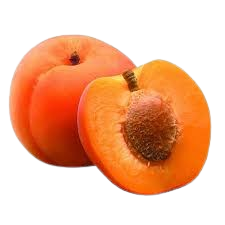
Get a Custom Report on Apricot Nutrition Data – Contact Us!
What are the Types of Apricots?
There are many different cultivars of apricots, but for consumers, the primary "types" are distinguished by their preparation method (fresh vs. dried) and sometimes their color, as this significantly impacts their nutritional profile and use. The table below shows these common forms.
| Type (Preparation/Variety Group) | Description | Calories (per 100g) | Calorie Qualifications |
|---|---|---|---|
|
Fresh Apricots
|
The raw, whole fruit, typically golden-orange in color. Juicy, soft flesh with a velvety skin. | 48 | Low in calories, high in water content. |
|
Dried Apricots
|
Fresh apricots that have been dehydrated, concentrating their nutrients and sugar. Chewy texture. | 241 | Significantly higher in calories, sugar, and fiber by weight due to the removal of water. One of the key dried apricot benefits is nutrient concentration. |
|
Canned Apricots (in syrup)
|
Apricots preserved in a can with a sugary syrup. | 80-100 | Higher in calories and added sugar than fresh apricots, but lower than dried. |
|
Canned Apricots (in juice/water)
|
Apricots preserved in a can with fruit juice or water. | 50-70 | Lower in calories and sugar than those in heavy syrup. Closer to fresh. |
|
Apricot Nectar/Juice
|
The juice pressed from apricots, often with added sugar and water. | 50-60 | Moderate in calories, high in sugar, and lacks the fiber of the whole fruit. |
|
White Apricots (Fresh/Dried)
|
Less common varieties with a paler skin and flesh, often sweeter and less tart than orange apricots. | Similar to orange apricots | Calorie content is very similar to their orange counterparts in both fresh (low) and dried (high) forms. |
What are Desserts with Apricots?
Apricots, with their sweet, slightly tart flavor and soft texture, are a versatile fruit featured in a wide variety of desserts, both in their fresh and dried forms. They are used in tarts, cakes, pastries, compotes, and confections, prized for their vibrant color and taste. The table below lists several desserts where apricots are a key ingredient.
| Dish Name | Calories (per serving) | Type of Apricot Used (Fresh, Dried, Canned) | Carbs (g) | Sugar (g) | Protein (g) | Fat (g) | Cuisine | Restaurants/Brands |
|---|---|---|---|---|---|---|---|---|
|
Apricot Tart/Galette
|
300-450 (slice) | Fresh or Canned | 40-60 | 20-35 | 3-6 | 12-20 | French, European | Tartine Bakery (San Francisco), Bouchon Bakery, Whole Foods Market (bakery section) |
|
Apricot Danish
|
300-400 | Dried or Jam/Filling | 40-55 | 18-28 | 4-7 | 12-20 | Danish, American | Panera Bread, Starbucks (seasonal pastries), Au Bon Pain |
|
Apricot Crumble/Cobbler
|
350-500 | Fresh or Canned | 50-70 | 30-45 | 4-6 | 15-25 | British, American | Cracker Barrel (seasonal fruit cobblers) |
|
Qubani ka Meetha (Indian Apricot Pudding)
|
250-400 | Dried | 40-60 | 35-50 | 3-5 | 8-15 | Indian (Hyderabadi) | Paradise Biryani Pointe |
|
Poached Apricots (in syrup)
|
150-250 | Fresh or Dried | 35-50 | 30-45 | 1-3 | <1 | French, European | Home preparation |
|
Apricot Jam/Preserves
|
50-70 (1 tbsp) | Fresh or Dried | 12-18 | 10-15 | <1 | 0 | International | Smucker's (brand), Bonne Maman (brand), served with breakfast at IHOP and Denny's |
|
Apricot Clafoutis
|
250-400 (slice) | Fresh or Canned | 30-45 | 20-30 | 6-10 | 10-18 | French | Home preparation |
|
Apricot Upside-Down Cake
|
350-500 (slice) | Canned or Fresh | 50-70 | 35-50 | 4-6 | 12-20 | American | Home preparation |
|
Dried Apricot and Nut Bars/Energy Bites
|
100-180 (per bar/ball) | Dried | 15-25 | 10-18 | 3-6 | 5-10 | Health-conscious, Modern | Lärabar (Apricot flavor - brand), KIND Bars (some bars contain apricot) |
|
Apricot Sorbet
|
100-150 (1/2 cup) | Fresh or Puree | 25-35 | 20-30 | <1 | 0 | International | Jeni's Splendid Ice Creams (seasonal), Salt & Straw (seasonal) |
|
Sacher Torte (with apricot jam layer)
|
400-550 (slice) | Jam/Glaze | 45-60 | 35-50 | 5-8 | 20-30 | Austrian (Viennese) | Grand Lux Cafe, The Cheesecake Factory (some similar rich chocolate cakes) |
|
Trail Mix (with dried apricots)
|
150-200 (1/4 cup) | Dried | 15-20 | 10-15 | 4-6 | 8-12 | American Snack | Planters (brand), Archer Farms (Target brand) |
What are the Main Dishes with Apricots?
Apricots, particularly dried apricots, lend a sweet and tangy flavor to a variety of savory main dishes, especially in Middle Eastern, North African, and some European cuisines. Some of the most widespread main dishes that contain apricots include Moroccan tagines and various meat roasts. Their sweetness provides a beautiful contrast to savory and sometimes spicy ingredients. The table below lists several main dishes featuring apricots.
| Dish Name | Calories (per serving) | Type of Apricot Used | Carbs (g) | Sugar (g) | Protein (g) | Fat (g) | Cuisine | Restaurants |
|---|---|---|---|---|---|---|---|---|
|
Moroccan Chicken Tagine with Apricots & Almonds
|
500-750 | Dried | 40-60 | 20-30 | 30-45 | 20-30 | Moroccan, North African | Café Mogador (NYC), local Moroccan restaurants |
|
Lamb Tagine with Apricots
|
550-800 | Dried | 40-60 | 20-30 | 35-50 | 25-40 | Moroccan, North African | Zaytinya (Washington D.C.), Tanoreen (Brooklyn) |
|
Pork Loin/Chops with Apricot Glaze
|
400-600 | Jam, Preserves, Dried | 20-35 | 18-30 | 30-45 | 15-25 | American, European | The Cheesecake Factory (some pork chop dishes have fruit glazes), Seasons 52 (seasonal) |
|
Roasted Chicken with Apricot Stuffing
|
450-700 | Dried | 30-45 | 15-25 | 35-50 | 18-30 | American, European | Boston Market (seasonal specials), home preparation for holidays |
|
Curried Chicken Salad with Apricots
|
350-550 (sandwich/scoop) | Dried (chopped) | 15-25 | 10-18 | 20-30 | 15-25 | American, Fusion | Panera Bread (some seasonal chicken salads), Trader Joe's (pre-packaged), Pret A Manger |
|
Middle Eastern Lamb and Apricot Stew
|
450-700 | Dried | 35-50 | 18-28 | 30-45 | 20-30 | Middle Eastern, Persian | Restaurants specializing in Persian or Middle Eastern cuisine |
|
Couscous with Roasted Vegetables and Apricots
|
350-500 | Dried (chopped) | 50-70 | 10-18 | 8-12 | 8-15 | Mediterranean, North African | CAVA (some seasonal bowls may have similar ingredients), Naf Naf Grill |
What Cuisines Prefer Apricots the Most?
Apricots are most prominently preferred in Middle Eastern, North African, and Central Asian cuisines, where both fresh and dried apricots are integral to a wide range of savory and sweet dishes. French cuisine also highly values apricots, particularly in pastries and tarts. The table below highlights cuisines that frequently and characteristically use apricots.
| Cuisine | Dish Name | Calories (per serving) | Restaurants |
|---|---|---|---|
|
Middle Eastern (Persian/Levantine)
|
Khoresh (Stew) with Lamb and Apricots | 450-700 | Restaurants specializing in Persian cuisine like Rumi's Kitchen (Atlanta) |
|
Moroccan
|
Chicken or Lamb Tagine with Apricots | 500-800 | Café Mogador (NYC), Zaytinya (Washington D.C.) |
|
Indian (Hyderabadi)
|
Qubani ka Meetha (Apricot Dessert) | 250-400 | Paradise Biryani Pointe |
|
French (Patisserie)
|
Apricot Tart | 300-450 (slice) | Tartine Bakery (San Francisco), Bouchon Bakery, Maison Kayser |
|
Austrian
|
Marillenknödel (Apricot Dumplings) | Varies | Wallsé (NYC), cafes in Vienna |
|
Austrian
|
Sacher Torte (with Apricot Jam) | 400-550 (slice) | Grand Lux Cafe |
|
American (Baking)
|
Apricot Cobbler/Pie | 350-500 (serving) | Cracker Barrel (seasonal fruit cobblers) |
|
Turkish
|
Used in various meat dishes and desserts (Kayısı Tatlısı) | Varies | Sofra Bakery & Cafe (Cambridge, MA), Turkish restaurants |
|
Central Asian (Uzbek)
|
Plov (Rice Pilaf, sometimes with dried apricots) | Varies | Restaurants specializing in Central Asian cuisine, like Farida (NYC) |
Which Countries Produce the Most Apricots?
The top producers of apricots globally are Turkey, Uzbekistan, Iran, Italy, and Algeria. Turkey is by far the world's largest producer, particularly of dried apricots. The Food and Agriculture Organization of the United Nations (FAO) provides comprehensive data for "Apricots." In 2022, Turkey produced over 800 kilotonnes of apricots. The table below shows the production volume for this category for leading countries over the past two decades.
| Country | 2004 | 2005 | 2006 | 2007 | 2008 | 2009 | 2010 | 2011 | 2012 | 2013 | 2014 | 2015 | 2016 | 2017 | 2018 | 2019 | 2020 | 2021 | 2022 |
|---|---|---|---|---|---|---|---|---|---|---|---|---|---|---|---|---|---|---|---|
| Turkey | 530 | 550 | 570 | 695 | 560 | 450 | 630 | 675 | 730 | 785 | 815 | 650 | 730 | 985 | 750 | 840 | 833 | 800 | 803 |
| Uzbekistan | 180 | 190 | 200 | 220 | 250 | 270 | 290 | 320 | 350 | 380 | 420 | 460 | 500 | 540 | 580 | 620 | 660 | 550 | 580 |
| Iran | 250 | 260 | 270 | 280 | 290 | 300 | 310 | 320 | 330 | 340 | 350 | 345 | 340 | 335 | 330 | 325 | 320 | 315 | 310 |
| Italy | 210 | 220 | 230 | 200 | 190 | 180 | 225 | 230 | 235 | 240 | 220 | 205 | 190 | 180 | 170 | 160 | 150 | 145 | 140 |
| Algeria | 145 | 150 | 160 | 170 | 180 | 190 | 200 | 210 | 220 | 230 | 240 | 250 | 256 | 260 | 265 | 270 | 257 | 260 | 265 |
| Pakistan | 190 | 195 | 200 | 205 | 210 | 215 | 220 | 225 | 230 | 235 | 240 | 230 | 220 | 210 | 200 | 195 | 190 | 185 | 180 |
Which Countries Consume the Most Apricots?
Based on FAOSTAT data for food supply (apparent consumption), the countries with the highest total consumption of apricots are those that are also major producers, particularly Uzbekistan, Turkey, and Iran. European countries like Italy, France, and Germany, as well as Russia, are also significant consumers, relying on both domestic production and imports.
| Country | 2004 | 2005 | 2006 | 2007 | 2008 | 2009 | 2010 | 2011 | 2012 | 2013 | 2014 | 2015 | 2016 | 2017 | 2018 | 2019 | 2020 | 2021 |
|---|---|---|---|---|---|---|---|---|---|---|---|---|---|---|---|---|---|---|
| Uzbekistan | 175 | 185 | 195 | 215 | 245 | 265 | 285 | 315 | 345 | 375 | 415 | 455 | 495 | 535 | 575 | 615 | 655 | 545 |
| Turkey | 180 | 190 | 200 | 220 | 200 | 180 | 210 | 225 | 240 | 260 | 270 | 230 | 250 | 320 | 280 | 300 | 295 | 280 |
| Iran | 240 | 250 | 260 | 270 | 280 | 290 | 300 | 310 | 320 | 330 | 340 | 335 | 330 | 325 | 320 | 315 | 310 | 305 |
| Italy | 190 | 200 | 210 | 185 | 175 | 165 | 205 | 210 | 215 | 220 | 200 | 185 | 170 | 160 | 150 | 140 | 130 | 125 |
| Algeria | 140 | 145 | 155 | 165 | 175 | 185 | 195 | 205 | 215 | 225 | 235 | 245 | 251 | 255 | 260 | 265 | 252 | 255 |
| Russia | 60 | 65 | 70 | 75 | 80 | 85 | 90 | 95 | 100 | 105 | 110 | 115 | 120 | 125 | 130 | 135 | 140 | 142 |
How Do Prices of Apricots-including Dishes Change?
The prices of restaurant dishes that feature apricots, such as apricot tarts, glazes for meats, or specialty salads, have increased over the past 20 years. This is driven by the rising cost of both fresh and dried apricots, along with significant increases in the prices of other ingredients, and major escalations in restaurant operational costs like labor, rent, and energy. Below is a comparison of estimated prices for representative menu items where apricots are a key component.
| Restaurant | Dish Name | Old Price (2004-2008) | Current Price (2024-2025) |
|---|---|---|---|
| Local French Bakery/Patisserie | Fresh Apricot Tart (Slice) | $4.00 - $6.00 | $7.00 - $10.00 |
| Panera Bread | Apricot Scone or Danish (seasonal) | $2.19 - $2.69 | $3.59 - $4.49 |
| The Cheesecake Factory | Pork Chop with Apricot Glaze (when featured) | $18.95 - $22.95 | $28.95 - $35.95 |
| Upscale American Restaurant | Chicken Salad Sandwich with Dried Apricots | $9.95 - $13.95 | $16.95 - $22.95 |
| Local Moroccan Restaurant | Chicken Tagine with Apricots and Almonds | $14.99 - $19.99 | $22.99 - $30.99 |
What is the Apricot Calorie for 100 Grams?
A 100g (3.5 oz) serving of raw apricots contains 48 calories. A 100g (3.5 oz) serving of dried apricots provides 241 calories.
What is the Apricot Calorie for 1 KG?
One kilogram (1000g, 35.27 oz) of raw apricots contains 480 calories. One kilogram (1000g, 35.27 oz) of dried apricots provides 2410 calories.
What is the Calorie of 1 Apricot?
The calorie of one apricot depends on its size and whether it is fresh or dried. One medium raw apricot (35g, 1.2 oz) contains 17 calories. One dried apricot half (4g, 0.14 oz) contains 10 calories.
What are the Health Benefits of Apricots?
Apricots provide some health benefits like supporting eye health and offering a rich source of antioxidants due to its high content of beta-carotene, Vitamin C, and other phytonutrients. A list of the health benefits of apricots are shown below.
- Rich in Vitamin A and Beta-Carotene: Apricots are an excellent source of Vitamin A (in the form of beta-carotene), which is a powerful antioxidant essential for good vision, immune function, and skin health. (Sommer, A., 1995, "Vitamin A deficiency and its consequences: a field guide to detection and control").
- Good Source of Antioxidants: In addition to beta-carotene, apricots contain other antioxidants like Vitamin C, Vitamin E (especially in dried apricots), and flavonoids such as catechins and quercetin. These compounds help protect the body's cells from damage caused by free radicals. (Vinson, J.A., et al., 1998, "Phenol antioxidant quantity and quality in foods: vegetables").
- Supports Heart Health: The fiber in apricots can help lower LDL (bad) cholesterol levels. They also provide potassium, a mineral that helps regulate blood pressure, and antioxidants that protect against oxidative stress, all of which are beneficial for cardiovascular health. (Aburto, N.J., et al., 2013, "Effect of increased potassium intake on cardiovascular risk factors and disease: systematic review and meta-analyses").
- Promotes Digestive Health: Apricots, particularly dried apricots, are a good source of dietary fiber. Fiber is crucial for maintaining a healthy digestive system, promoting regular bowel movements, and preventing constipation. (Slavin, J.L., 2013, "Fiber and Prebiotics: Mechanisms and Health Benefits").
- Hydrating Properties (Fresh Apricots): Fresh apricots have a high water content, which can help contribute to daily hydration needs, important for all bodily functions.
- Good for Skin Health: The combination of Vitamin C and Vitamin A in apricots can support skin health by aiding in collagen production and protecting the skin from UV damage and environmental pollutants.
- Rich in Potassium: Apricots provide a good amount of potassium, an electrolyte that is vital for nerve function, muscle contractions, and maintaining fluid balance in the body.
- May Protect the Liver: Some animal studies have suggested that apricots may have hepatoprotective effects, helping to protect the liver from damage, though more research in humans is needed.
What are the Downsides of Apricots?
Apricots have been known to cause some unwanted effects like potential for allergic reactions and issues with sulfites in dried varieties due to their composition and processing methods. A list of the downsides of apricots are shown below.
- High Sugar Content in Dried Apricots: Dried apricots are a concentrated source of sugar. While it is natural fruit sugar, consuming large quantities can lead to excessive sugar and calorie intake, which can be a concern for individuals managing their weight or blood sugar levels.
- Presence of Sulfites in Some Dried Apricots: Many commercially dried apricots are treated with sulfur dioxide (sulfites) as a preservative to maintain their color and extend their shelf life. Some individuals, particularly those with asthma, can have a sensitivity or allergic reaction to sulfites, which can trigger respiratory issues. (Vally, H. & Misso, N.L.A., 2012, "Adverse reactions to the sulphite additives"). Choosing unsulfured dried apricots can avoid this issue.
- Potential for Allergic Reactions: While not as common as other fruit allergies, some people can be allergic to apricots, experiencing symptoms like itching, swelling, or digestive upset.
- Amygdalin in Kernels: The kernels (seeds) found inside the apricot pit contain a compound called amygdalin, which can be converted to cyanide in the body when ingested. It is important not to eat the kernels from inside the pit.
- Digestive Issues from Excess Fiber: Consuming very large quantities of dried apricots at once can lead to digestive discomfort, bloating, or diarrhea due to their high fiber content, especially for individuals not accustomed to a high-fiber diet.
Are Apricots Good for You?
Yes, apricots are good for you and can be a healthy and nutritious part of a balanced diet. Fresh apricots are a good source of vitamins A and C, potassium, and dietary fiber, all while being low in calories. Dried apricots offer a more concentrated source of nutrients, including fiber, potassium, iron, and Vitamin E. (USDA FoodData Central, "Apricots, raw" and "Apricots, dried, sulfured, uncooked"). Regular consumption of fruits like apricots is associated with a reduced risk of many chronic diseases. (Slavin, J.L. & Lloyd, B., 2012, "Health benefits of fruits and vegetables"). However, it is important to consume dried apricots in moderation due to their high sugar and calorie concentration, and to choose unsulfured varieties if you have a sensitivity to sulfites.
How Do Calories Change According to Apricot Types?
The calorie content of apricots changes dramatically based on their preparation method, primarily due to differences in water and sugar concentration. Fresh apricots are the lowest in calories, containing only 48 calories per 100g, because of their high water content. When apricots are dried, the water is removed, which concentrates all the other components, including sugar. This makes dried apricots the most calorie-dense form, with 241 calories per 100g. Canned apricots fall in between; those canned in water or their own juice are closer to fresh apricots, with 50 to 70 calories per 100g, while those canned in heavy syrup are higher, at 80 to 100 calories per 100g, due to the added sugar from the syrup. Apricot nectar or juice, which has the fiber removed and often contains added sugar, typically has around 50 to 60 calories per 100g.
Are Dried Apricots High in Fiber?
Yes, dried apricots are high in fiber, making them a very good source of this important nutrient. The dehydration process concentrates all the components of the fruit, including the fiber. A 100g serving of dried apricots contains 7.3g of dietary fiber, which provides about 26% of the recommended Daily Value. This is a significant amount compared to fresh apricots, which contain 2g of fiber per 100g.
The benefits of dried apricots, particularly their high fiber content, are significant for digestive health. The fiber in apricots helps to add bulk to the stool, promote regular bowel movements, and prevent constipation. (Slavin, J.L., 2013, "Fiber and Prebiotics: Mechanisms and Health Benefits"). This fiber also acts as a prebiotic, feeding the beneficial bacteria in the gut, which is important for a healthy gut microbiome. Because of this high concentration, dried apricots can be a very effective and natural way to increase fiber intake, but they should be consumed in moderation and with plenty of water due to their high sugar and calorie content.
What is the Serving Size for Apricots?
A standard apricot serving size for fresh apricots is about 140g (5 oz), which is equivalent to 3 to 4 medium apricots. This portion provides 67 calories, 1.9g of protein, 15.5g of carbohydrates (including 12.9g of sugar and 2.8g of fiber), and 0.5g of fat. For dried apricots, due to their concentration, a serving size is much smaller, typically a quarter-cup, which is 40g (1.4 oz). This serving of dried apricots contains 96 calories, 1.4g of protein, 25g of carbohydrates (including 21.4g of sugar and 2.9g of fiber), and 0.2g of fat.
What is the Origin of Apricots?
The origin of the apricot (Prunus armeniaca) is somewhat debated among botanists, but it is believed to have originated in China or Central Asia. From there, it spread westward along the Silk Road to Persia (modern-day Iran) and the Mediterranean region. The fruit's scientific name, Prunus armeniaca, which means "Armenian plum," was given by the Romans who thought it originated in Armenia, a testament to its long history of cultivation in that area. Apricots were highly valued in ancient Persia and the Arab world, not just for their flavor but also for their perceived medicinal qualities. Apricots were introduced to the New World by Spanish missionaries in the 18th century, who planted them in their California missions, which is why California is the primary producer of apricots in the United States today.
A dish that beautifully highlights the apricot's journey and its importance in both savory and sweet cooking is the "Moroccan Chicken Tagine with Apricots and Almonds." This classic slow-cooked stew features chicken simmered with a blend of warm spices like cinnamon, ginger, and turmeric, along with the rich, sweet chewiness of dried apricots. The sweetness of the apricots provides a perfect balance to the savory chicken and earthy spices, creating a complex and aromatic dish that is a hallmark of North African cuisine. This dish showcases how dried apricots, a product of ancient preservation techniques, became a cornerstone ingredient in the flavorful and exotic cuisines that developed along the old trade routes.
Explore More Fruits
Discover more Fruits with detailed nutrition facts, calorie counts, vitamins, minerals, and health benefits. Compare similar foods, serving sizes, macronutrients, and key nutrients to find the best option for your diet and nutrition goals.
 Acai calories
 Acerola calories
 Ambarella calories
 Amla calories
 Apple calories
 Avocado calories
 Babaco calories
 Bael Fruit calories
 Banana calories
 Black Grapes calories
 Blackcurrant calories
 Blueberry calories