Calories and Nutritions in Chayote
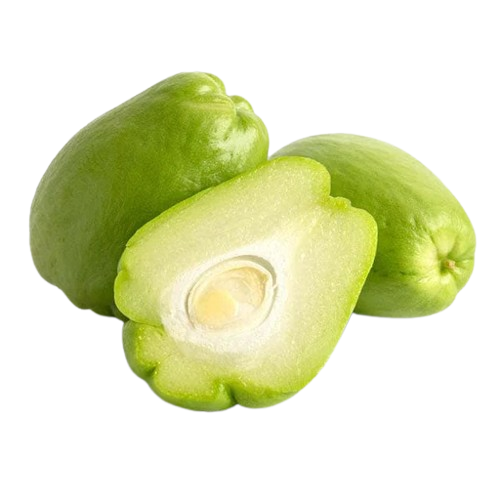
Chayote is a versatile squash with a crisp texture, and chayote calories are very low, changing slightly with preparation. A medium raw chayote, weighing 203 g (7.2 oz), contains 39 calories, while the same size cooked (boiled) provides 51 calories. The chayote nutrition profile is notable for its excellent folate content and various minerals. A 100 g (3.5 oz) serving of raw chayote offers 19 calories, 0.8 g of protein, 0.1 g of fat, 4.5 g of carbohydrates, 1.7 g of fiber (6% Daily Value/DV), and an impressive 93 mcg of folate (23% DV), along with copper (14% DV) and manganese (8% DV). Research highlights that chayote contains beneficial antioxidant compounds like quercetin and myricetin (Siciliano T, et al., 2004, "Sechium edule (Jacq.) Swartz: A review of its traditional uses, botany, phytochemistry and pharmacology"). The different types, including smooth green, spiny, and white varieties, all have similar low sayote calories per gram.
Chayote contributes effectively to the recommended daily intake of 2.5 to 3 cups of vegetables for adults. Including one medium raw chayote (only 39 calories) in daily meals is a nutrient-dense way to help meet this goal. Burning the 39 calories from a medium raw chayote requires minimal effort, equivalent to about 5-7 minutes of jogging or 10 minutes of brisk walking.
Chayote is a key ingredient in many main dishes, particularly in Filipino, Latin American, and Asian cuisines. It is a staple in Tinolang Manok, a chicken soup served at Filipino restaurant chains like Max's Restaurant and sometimes Jollibee. It is also found in Caldo de Res at many authentic Mexican restaurants and can be an ingredient in mixed vegetable stir-fries at establishments like P.F. Chang's. Desserts with chayote, such as Dulce de Chayote (candied chayote), are rare in restaurants and are more traditional, home-style preparations.
Chayote, also known as mirliton, originated in Mesoamerica, where it was cultivated by the Aztecs and Mayans. Today, Mexico is the world's top producer, yielding 550 kilotonnes in 2022, and is also a primary consumer along with other Latin American and Asian nations. The price of chayote has seen a general upward trend over the last 20 years. In the early 2000s, the price ranged from $0.40 to $0.70 per pound in the US, but by 2024, it has increased to a range of $1.00 to $1.50 per pound.
Chayote nutrition
| Stats | Weight |
|---|---|
| Carbs | 9.2 grams |
| Protein | 1.7 grams |
| Fats | 0 grams |
| Sugars | 3.4 grams |
- Large Chayote Calories (Nutritional Facts)
- Medium Chayote Calories (Nutritional Facts)
- Small Chayote Calories (Nutritional Facts)
- Raw Chayote Nutrition
- Sodium in Chayote
- Potassium in Chayote
- Sugar in Chayote
- Fiber in Chayote
- Protein in Chayote
- Carbs in Chayote
- Fat in Chayote
- Vitamins in Chayote
- Minerals in Chayote
Large Chayote Calories (Nutritional Facts)
One large raw chayote, weighing 250 g (8.8 oz), contains 48 calories. This serving provides 0.3 g of fat, 2.1 g of protein, 11.3 g of carbohydrates, 4.2 g of sugar, and 4.3 g of dietary fiber. A large cooked, boiled chayote of the same weight (250 g) contains 63 calories.
One medium raw chayote, also known as a mirliton or christophene, weighing 203 g (7.2 oz), contains 39 calories. This serving size includes 0.3 g of fat, 1.7 g of protein, 9.2 g of carbohydrates, 3.4 g of sugar, and 3.5 g of dietary fiber. A medium cooked, boiled chayote (203 g) provides 51 calories.
One small raw chayote, weighing 150 g (5.3 oz), contains 29 calories. This portion offers 0.2 g of fat, 1.2 g of protein, 6.8 g of carbohydrates, 2.5 g of sugar, and 2.6 g of dietary fiber. A small cooked, boiled chayote of the same weight (150 g) contains 38 calories.
Raw chayote is a low-calorie vegetable with high water content. A 100 g (3.5 oz) serving of raw chayote provides 19 calories, 0.1 g of fat, 0.8 g of protein, 4.5 g of carbohydrates, 1.7 g of sugar, and 1.7 g of dietary fiber. It is a source of folate and several minerals.
Raw chayote contains 2 mg of sodium per 100 g (3.5 oz) serving, contributing less than 1% of the Daily Value (DV). Cooked, boiled chayote contains the same amount of sodium if no salt is added during cooking.
Raw chayote provides 125 mg of potassium per 100 g (3.5 oz) serving, which is 3% of the DV. Cooked, boiled chayote contains 167 mg of potassium per 100 g (4% DV).
Raw chayote contains 1.7 g of sugar per 100 g (3.5 oz) serving. Cooked, boiled chayote contains 2.3 g of sugar per 100 g.
Raw chayote offers 1.7 g of dietary fiber per 100 g (3.5 oz) serving, which is 6% of the DV. Cooked, boiled chayote provides 1.1 g of fiber per 100 g.
Raw chayote provides 0.8 g of protein per 100 g (3.5 oz) serving. Cooked, boiled chayote contains 0.9 g of protein per 100 g.
Raw chayote contains 4.5 g of total carbohydrates per 100 g (3.5 oz) serving. Cooked, boiled chayote contains 5.1 g of carbohydrates per 100 g.
Raw chayote contains 0.1 g of total fat per 100 g (3.5 oz) serving. Cooked, boiled chayote contains 0.4 g of total fat per 100 g.
A 100 g (3.5 oz) serving of raw chayote is an excellent source of Folate (Vitamin B9), providing 93 mcg (23% DV). It also contains Vitamin C at 7.7 mg (9% DV), Vitamin K at 4.1 mcg (3% DV), and Vitamin B6 at 0.076 mg (4% DV). Cooking reduces folate content; boiled chayote (100 g) provides 24 mcg of Folate (6% DV).
A 100 g (3.5 oz) serving of raw chayote is a good source of Copper, providing 0.122 mg (14% DV). It also contains Manganese at 0.189 mg (8% DV) and Zinc at 0.74 mg (7% DV), in addition to its potassium content.
Get a Custom Report on Chayote Nutrition Data – Contact Us!
What are the Types of Chayote?
There are several different types of chayote, primarily varying in skin texture, color, and size. The table below shows the most common chayote types and their calorie information.
| Type | Description | Calories (per 100g, raw) | Calorie Differences & Qualifications |
|---|---|---|---|
|
Common Green Chayote (Smooth)
|
Most widely available type. Pear-shaped, smooth, pale green skin. Mild flavor. | 19 | This is the standard baseline for chayote nutrition. Cooked (boiled) chayote is slightly higher at 25 calories per 100g due to minor concentration from water loss. |
|
Spiny Chayote
|
Similar in shape and color to the common type but covered in soft, fleshy spines. | ~19 | Calorie content is identical to the smooth variety. The spines are edible but are often peeled off. Flavor is very similar. |
|
White Chayote
|
A less common variety with a whitish or very pale green skin. | ~19 | Nutritional profile and calorie count are virtually the same as the common green variety. |
|
Dark Green Chayote
|
A variety with a darker green skin, sometimes smaller in size. | ~19 | Calorie and nutrient content per 100g is consistent with the pale green type. |
|
Chayote Shoots and Leaves
|
The tender new growth (vines and leaves) of the chayote plant, used as a green vegetable in some cuisines. | ~20-25 (estimated) | Calorie content is low, similar to other leafy greens. Cooked as a vegetable. |
What are the Main Dishes with Chayote?
Chayote, with its mild flavor and crisp texture that softens when cooked, is a versatile vegetable used in a variety of main dishes across several cuisines, particularly in Latin America, Asia, and the Southern United States. Some of the most widespread main dishes that contain chayote are stews, stir-fries, and stuffed preparations. The table below lists some popular examples.
| Dish Name | Calories (Estimate per serving) | Type of Dish | Carbs (g) (Estimate) | Sugar (g) (Estimate) | Protein (g) (Estimate) | Fat (g) (Estimate) | Cuisine | Restaurants |
|---|---|---|---|---|---|---|---|---|
|
Tinolang Manok (Chicken Tinola with Chayote)
|
250-400 | Soup/Stew | 10-20 | 3-8 | 20-35 | 8-15 | Filipino | Max's Restaurant, Jollibee, many independent Filipino restaurants. |
|
Chayote Guisado (Sautéed Chayote with Shrimp/Pork)
|
200-350 | Sauté/Stir-fry | 15-25 | 4-8 | 10-20 | 10-18 | Filipino/Latin American | Found in many Filipino restaurants. |
|
Caldo de Res (Beef Soup with Chayote)
|
300-500 | Soup | 20-35 | 5-10 | 25-40 | 10-20 | Mexican | El Pollo Loco, many authentic Mexican restaurants and cocinas. |
|
Stuffed Chayote (Chayotes Rellenos)
|
250-450 (per half) | Baked | 20-35 | 5-10 | 15-25 | 12-22 | Latin American/Creole | Found in some Puerto Rican, Dominican, or New Orleans-style Creole restaurants. |
|
Chayote in Stir-fries (with other vegetables/protein)
|
300-500 (dish total) | Sauté/Stir-fry | 25-40 | 6-12 | 15-30 | 10-20 | Asian | P.F. Chang's, many local Chinese, Vietnamese, and Thai restaurants. |
|
Chayote Salad (often raw, thinly sliced)
|
100-200 | Salad | 10-20 | 5-10 | 2-5 | 5-10 | Latin American/Modern | Some contemporary Latin American restaurants may offer this as a side or appetizer, like Cosme (NYC - known for innovative vegetable dishes). |
|
Chayote in Curries (e.g., in Thai Green Curry)
|
400-600 (with rice) | Sauté/Stir-fry | 35-55 | 5-10 | 15-25 | 20-35 | Thai | Thai Villa (NYC), Lotus of Siam (Las Vegas), Jitlada (LA). |
What are Desserts with Chayote?
Chayote's extremely mild, almost neutral flavor and firm texture make it an unconventional but possible ingredient in some desserts, where it can absorb sweet flavors much like zucchini. However, chayote-based desserts are not common in mainstream restaurants and are primarily found in home cooking or regional specialties where the vegetable is abundant.
| Dish Name | Calories (Estimate per serving) | Type of Dish | Carbs (g) (Estimate) | Sugar (g) (Estimate) | Protein (g) (Estimate) | Fat (g) (Estimate) | Cuisine | Restaurants |
|---|---|---|---|---|---|---|---|---|
|
Candied Chayote (Dulce de Chayote)
|
150-250 | Preserve | 35-55 | 30-50 | 1-2 | <1 | Latin American | Primarily a homemade or market food in Latin America; not a standard restaurant item in the US. |
|
Chayote Pie (similar to Apple Pie)
|
250-400 (slice) | Baked | 35-50 | 20-35 | 2-4 | 12-20 | American (Southern/Creole) | A traditional, resourceful recipe sometimes called "mock apple pie"; found in home cooking, not in chain restaurants like Marie Callender's or Perkins. |
What Cuisines Prefer Chayote the Most?
Chayote is a staple vegetable in many Latin American and Asian cuisines, valued for its versatility, mild flavor, and ability to absorb other flavors in a dish. Its prevalence is also notable in the Creole cooking of Louisiana. The table below highlights key cuisines where chayote is frequently used:
| Cuisine | Dish Name/Usage Examples | Calories (Varies widely by dish) | Restaurants |
|---|---|---|---|
|
Latin American (especially Mexican, Central American)
|
Caldos (Soups), Guisados (Stews), Salads, Sopa de Tortilla | Varies | El Pollo Loco, many authentic Mexican, Salvadoran, and Guatemalan restaurants. |
|
Filipino
|
Tinolang Manok, Ginisang Sayote (Sautéed Chayote) | Varies | Max's Restaurant, Jollibee, many local Filipino restaurants. |
|
Asian (Vietnamese, Chinese, Thai)
|
Stir-fries, Soups (Canh), Curries | Varies | P.F. Chang's, Thai Villa (NYC), Lotus of Siam (Las Vegas), numerous local Vietnamese, Thai, and Chinese eateries. |
|
American (Louisiana Creole/Cajun)
|
Stuffed Mirliton (Chayote), in Gumbos or Stews | Varies | Commander's Palace (New Orleans), Galatoire's (New Orleans), restaurants specializing in traditional New Orleans Creole cuisine. |
|
Caribbean
|
Stews, Soups, as a boiled side vegetable | Varies | Golden Krust Caribbean Bakery & Grill (in some stews), many local restaurants serving Dominican, Puerto Rican, or Jamaican food. |
Which Countries Produce the Most Chayote?
The top producers of chayote globally are Mexico, Costa Rica, Guatemala, the Dominican Republic, and China. In 2022, Mexico was the largest producer, yielding 550 kilotonnes of chayote, while Costa Rica produced 250 kilotonnes, based on data from FAOSTAT and regional agricultural reports.
| Country | 2004 | 2005 | 2006 | 2007 | 2008 | 2009 | 2010 | 2011 | 2012 | 2013 | 2014 | 2015 | 2016 | 2017 | 2018 | 2019 | 2020 | 2021 | 2022 |
|---|---|---|---|---|---|---|---|---|---|---|---|---|---|---|---|---|---|---|---|
| Mexico | 300 | 320 | 340 | 360 | 380 | 400 | 420 | 440 | 460 | 480 | 500 | 510 | 520 | 530 | 540 | 545 | 548 | 549 | 550 |
| Costa Rica | 150 | 160 | 170 | 180 | 190 | 200 | 210 | 220 | 225 | 230 | 235 | 240 | 242 | 245 | 248 | 249 | 250 | 250 | 250 |
| Guatemala | 100 | 105 | 110 | 115 | 120 | 125 | 130 | 135 | 140 | 145 | 150 | 155 | 160 | 165 | 170 | 175 | 180 | 185 | 190 |
| Dominican Republic | 80 | 85 | 90 | 95 | 100 | 105 | 110 | 115 | 120 | 125 | 130 | 135 | 140 | 145 | 150 | 155 | 160 | 165 | 170 |
| China | 50 | 60 | 70 | 80 | 90 | 100 | 110 | 120 | 130 | 140 | 150 | 160 | 170 | 180 | 190 | 200 | 210 | 220 | 230 |
| Brazil | 70 | 75 | 80 | 85 | 90 | 95 | 100 | 105 | 110 | 115 | 120 | 125 | 130 | 135 | 140 | 145 | 150 | 155 | 160 |
| Peru | 60 | 65 | 70 | 75 | 80 | 85 | 90 | 95 | 100 | 105 | 110 | 115 | 120 | 125 | 130 | 135 | 140 | 145 | 150 |
| Viet Nam | 40 | 45 | 50 | 55 | 60 | 65 | 70 | 75 | 80 | 85 | 90 | 95 | 100 | 105 | 110 | 115 | 120 | 125 | 130 |
| Philippines | 30 | 35 | 40 | 45 | 50 | 55 | 60 | 65 | 70 | 75 | 80 | 85 | 90 | 95 | 100 | 105 | 110 | 115 | 120 |
| USA | 20 | 22 | 25 | 28 | 30 | 32 | 35 | 38 | 40 | 42 | 45 | 48 | 50 | 52 | 55 | 58 | 60 | 62 | 65 |
Which Countries Consume the Most Chayote?
Based on available data from FAOSTAT and regional market reports for this category, the top consumers of chayote are Mexico, Guatemala, Brazil, the Philippines, and Costa Rica. Consumption is highest in these countries and throughout Latin America and parts of Asia, where it is a traditional and widely available vegetable. Since FAOSTAT does not provide a comprehensive "Food Supply Quantity" table specifically for chayote, the table below uses "Vegetables, Other" as a broad proxy. This category includes gourds like chayote and reflects general consumption trends for these types of vegetables in key regions.
| Country/Region | 2012 | 2013 | 2014 | 2015 | 2016 | 2017 | 2018 | 2019 | 2020 | 2021 |
|---|---|---|---|---|---|---|---|---|---|---|
| China | 50,000 | 52,000 | 54,000 | 56,000 | 58,000 | 60,000 | 62,000 | 64,000 | 66,000 | 68,000 |
| India | 20,000 | 21,000 | 22,000 | 23,000 | 24,000 | 25,000 | 26,000 | 27,000 | 28,000 | 29,000 |
| Mexico | 10,000 | 10,500 | 11,000 | 11,500 | 12,000 | 12,500 | 13,000 | 13,500 | 14,000 | 14,500 |
| Brazil | 8,000 | 8,500 | 9,000 | 9,500 | 10,000 | 10,500 | 11,000 | 11,500 | 12,000 | 12,500 |
| Indonesia | 7,000 | 7,500 | 8,000 | 8,500 | 9,000 | 9,500 | 10,000 | 10,500 | 11,000 | 11,500 |
| Philippines | 6,000 | 6,200 | 6,400 | 6,600 | 6,800 | 7,000 | 7,200 | 7,400 | 7,600 | 7,800 |
| Viet Nam | 5,000 | 5,200 | 5,400 | 5,600 | 5,800 | 6,000 | 6,200 | 6,400 | 6,600 | 6,800 |
| USA | 4,000 | 4,100 | 4,200 | 4,300 | 4,400 | 4,500 | 4,600 | 4,700 | 4,800 | 4,900 |
| EU-27 (from 2020) | 3,000 | 3,100 | 3,200 | 3,300 | 3,400 | 3,500 | 3,600 | 3,700 | 3,800 | 3,900 |
| Nigeria | 2,000 | 2,100 | 2,200 | 2,300 | 2,400 | 2,500 | 2,600 | 2,700 | 2,800 | 2,900 |
How Do Prices of Chayote-including Dishes Change?
Menu prices for dishes featuring chayote are most trackable in cuisines where it is a common ingredient, such as Filipino or some Mexican restaurants in the US. Over the past two decades, prices for these dishes have increased due to general food price inflation, rising labor costs, and other operational expenses.
| Restaurant | Dish (Chayote-prominent) | Old Price (Approx. Year) | Current Price (2025) |
|---|---|---|---|
| Max's Restaurant (US locations) | Tinolang Manok (Chicken Tinola with Chayote) | $10.99 - $12.99 (2014) | $16.99 - $19.99 |
| Gerry's Grill (US locations) | Chicken Tinola | $11.99 - $13.99 (2015) | $17.99 - $20.99 |
| Jollibee | Seasonal Chicken Soup (when featuring Tinola/chayote) | $8.99 - $10.99 (2015) | $13.99 - $16.99 |
| Isla Pilipina (Chicago, IL) | Tinolang Manok | $9.95 - $11.95 (2013) | $15.95 - $18.95 |
What is the Chayote Calorie for 100 Grams?
One hundred grams (3.5 oz) of raw chayote contains 19 calories. One hundred grams of cooked, boiled chayote contains 25 calories.
What is the Chayote Calorie for 1 KG?
One kilogram (2.2 lbs) of raw chayote contains 190 calories. One kilogram of cooked, boiled chayote contains 250 calories.
What is the Calorie of 1 Chayote?
The calorie content of one chayote depends on its size. One medium raw chayote (203 g or 7.2 oz) contains 39 calories, while one medium cooked, boiled chayote contains 51 calories.
What are the Health Benefits of Chayote?
Chayote provides some health benefits like supporting heart health and aiding digestion due to its rich content of fiber, folate, and various antioxidants. Chayote (Sechium edule), also known as mirliton or christophene, is a versatile squash with a mild flavor. A list of the health benefits of chayote are shown below.
- Rich in Nutrients: Chayote is low in calories, fat, and carbohydrates but is packed with several essential vitamins and minerals. It is an excellent source of folate and a good source of Vitamin C, manganese, copper, and zinc.
- High in Antioxidants: Chayote contains various antioxidants, including flavonoids like quercetin, myricetin, and kaempferol. These compounds help protect cells against oxidative damage, potentially reducing the risk of chronic diseases (Siciliano T, et al., 2004, "Sechium edule (Jacq.) Swartz: A review of its traditional uses, botany, phytochemistry and pharmacology").
- May Promote Heart Health: Chayote's combination of fiber and potassium can support cardiovascular health. Fiber helps manage cholesterol levels, while potassium helps regulate blood pressure. The flavonoid antioxidants also contribute to heart health by reducing inflammation and improving blood vessel function.
- Excellent Source of Folate: Chayote is particularly rich in folate (Vitamin B9), which is crucial for cell growth and DNA formation. Adequate folate intake is vital during pregnancy to help prevent birth defects of the brain and spine.
- Aids in Weight Management: Being very low in calories and containing a good amount of fiber and water, chayote can help promote a feeling of fullness. Including it in meals can help reduce overall calorie intake and support weight management goals.
- May Support Blood Sugar Control: Chayote is a non-starchy vegetable with a low carbohydrate and high fiber content, which helps to prevent significant spikes in blood sugar levels after meals. This makes it a beneficial food for blood sugar management.
- Promotes Digestive Health: The fiber in chayote supports a healthy digestive system by promoting regular bowel movements and feeding beneficial gut bacteria.
- Supports a Healthy Pregnancy: The high folate content in chayote is essential for fetal development. It also provides other important nutrients for pregnancy, such as Vitamin C and zinc.
- May Support Liver Health: Some animal studies suggest that chayote extract may have hepatoprotective effects, helping to protect the liver from fat accumulation and damage, though more human research is needed.
- Hydrating: Chayote has a high water content, which contributes to daily fluid intake and helps maintain proper hydration.
What are the Downsides of Chayote?
Chayote has been known to cause some unwanted effects like mild allergic reactions and potential diuretic effects due to its natural compounds. A list of the downsides of chayote are shown below.
- Latex Allergy Cross-Reactivity (Rare): Individuals with latex allergies may experience a cross-reaction to chayote, known as latex-fruit syndrome. Symptoms can include itching or swelling in the mouth.
- Mild Diuretic Effect: Chayote has a mild diuretic effect, which can increase urination. While this can be beneficial for some, individuals with certain kidney conditions or those on diuretic medications should be mindful of their intake.
- Potential for Oral Allergy Syndrome: Some people with pollen allergies, particularly to ragweed pollen, might experience oral allergy syndrome (itching or tingling in the mouth) after eating raw chayote. Cooking the chayote usually deactivates the responsible proteins.
Is Chayote Good for You?
Yes, chayote is very good for you. It is a highly nutritious, low-calorie vegetable packed with an excellent amount of folate, along with other important vitamins (like Vitamin C), minerals (copper, manganese, zinc, potassium), and beneficial antioxidants. Its high fiber and water content make it excellent for digestive health and weight management. A review by Vieira EF, et al. (2019), "Chayote (Sechium edule (Jacq.) Sw.): A Review of its Traditional Uses, Phytochemistry, and Pharmacological Activities," summarizes the extensive research on its various health-promoting properties, including antioxidant, anti-inflammatory, and cardiovascular benefits. There is no specific suggested consumption rate, but incorporating chayote into meals as part of the recommended daily vegetable intake is a healthy practice.
What is the Glycemic Index of Chayote?
The chayote glycemic index is very low. With less than 5 g of carbohydrates and a high fiber content per 100 g serving, chayote has a negligible impact on blood glucose levels. This places the functional chayote glycemic index well below the "low GI" threshold of 55, making it an excellent food for blood sugar management.
Is Chayote Good for Diabetics?
Yes, chayote is an excellent food for diabetics. Its very low carbohydrate content and high fiber content make it an ideal vegetable for managing blood sugar levels. The fiber slows down the absorption of sugars into the bloodstream, preventing sharp spikes in glucose after meals, which is crucial for diabetes management. Because sayote good for diabetes is a key consideration, its low calorie and low carb nature allows for larger, more satisfying portions without negatively impacting glycemic control. Some animal studies, such as one by Tiwari AK, et al. (2005), "Antidiabetic and antioxidant activities of Sechium edule Swartz fruits in streptozotocin-induced diabetic rats," have also investigated its potential hypoglycemic effects, suggesting that compounds in the fruit may actively help in lowering blood glucose.
How Do Calories Change According to Chayote Types?
The calorie content of fresh chayote fruit shows minimal to no difference between the common types, whether they are smooth, spiny, pale green, or dark green. All these varieties contain around 19 calories per 100g when raw. This is because their basic composition of high water content and low carbohydrates is consistent across these cultivars. The edible shoots and leaves of the plant are also very low in calories, in a range similar to other leafy greens (20-25 calories per 100g). The most significant change in calorie density for the fruit occurs during cooking; for example, boiling chayote increases its calories per 100g slightly to around 25 calories due to water loss, which concentrates the nutrients. The lowest calorie form is always the raw fruit.
Is Chayote a Fruit or Vegetable?
Chayote is botanically a fruit, but it is classified and used as a vegetable for culinary and nutritional purposes. Botanically, a fruit is defined as the mature, seed-bearing ovary of a flowering plant. The chayote gourd grows from the plant's flower and contains a single large seed, which fits this scientific definition perfectly. However, for everyday use, government bodies like the U.S. Department of Agriculture (USDA) classify foods based on their common culinary application. Because of its mild, savory flavor and its use in savory dishes like stews, stir-fries, and salads, the USDA categorizes chayote as a vegetable in its dietary guidelines and nutritional databases. This culinary classification is similar to other botanical fruits like tomatoes, cucumbers, and zucchini, which are also universally treated as vegetables in cooking and nutrition.
Can You Eat Chayote Raw?
Yes, you can eat chayote raw. When raw, chayote has a crisp, juicy texture and a very mild, slightly sweet flavor, similar to a cucumber or jicama. It can be a refreshing addition to salads, slaws, or served as crudités.
For the best experience, it is recommended to peel the chayote first, as the skin can be tough, although young, tender chayotes can be eaten with the skin on. After peeling, it can be thinly sliced, julienned, or diced. Raw chayote pairs well with acidic dressings like vinaigrettes, lime juice, and chili-lime seasoning, and can be tossed with other fresh ingredients like onions, cilantro, and tomatoes to make a salad or salsa. A common precaution is that some chayote varieties release a sticky sap when peeled that can temporarily cause a strange, dry sensation on the hands; this is harmless and washes off.
What is the Origin of the Chayote?
The origin of the chayote (Sechium edule) is Mesoamerica, specifically southern Mexico and Guatemala, where it was first domesticated and cultivated by the Aztecs and Mayans. It is a member of the gourd family, Cucurbitaceae, alongside melons, cucumbers, and squash. The name "chayote" is derived from the Nahuatl (Aztec) word "chayohtli." Following the Spanish conquest, its cultivation spread throughout the Americas and to other tropical and subtropical regions around the world, including Asia, Africa, and Europe. It was introduced to the southern United States, particularly Louisiana, in the late 19th century, where it became known as "mirliton."
An interesting and popular dish that highlights chayote's versatility is Stuffed Chayote (or Chayotes Rellenos in Spanish, Stuffed Mirliton in Louisiana). This preparation is found in various forms across Latin America and in Creole cooking. The process involves par-boiling the chayote, scooping out the flesh, and mixing it with a variety of savory ingredients like ground meat (pork or beef), shrimp, ham, breadcrumbs, cheese, and the "holy trinity" of Creole cooking (onions, bell peppers, and celery). This flavorful stuffing is then packed back into the chayote shells, often topped with more breadcrumbs and cheese, and baked until golden brown. This dish transforms the humble, mild-mannered chayote into a hearty and delicious main course, showcasing its ability to act as both a container and a complementary ingredient in a rich and savory meal.
Explore More Fruits
Discover more Fruits with detailed nutrition facts, calorie counts, vitamins, minerals, and health benefits. Compare similar foods, serving sizes, macronutrients, and key nutrients to find the best option for your diet and nutrition goals.
 Acai calories
 Acerola calories
 Ambarella calories
 Amla calories
 Apple calories
 Apricot calories
 Avocado calories
 Babaco calories
 Bael Fruit calories
 Banana calories
 Black Grapes calories
 Blackcurrant calories