Calories and Nutritions in Currants
Currants refer to fresh berries of the Ribes genus or dried Zante grapes. Calories in currants vary significantly between fresh and dried forms, with a small serving of dried zante currants (28g or 1oz) containing 81 calories, while 1 oz of raw fresh European black currants has 18 calories. A 100g portion of dried zante currants contains 290 calories, while a standard serving of raw black currants (100g or 3.5oz) provides 63 calories and a standard serving of raw white currants (100g or 3.5oz) has 56 calories. Commercial brands display specific values, as a serving of Sun-Maid Zante Currants (30g) contains 100 calories and a serving of Bob's Red Mill Dried Currants (30g) provides 100 calories.
An examination of currants nutrition facts reveals a food dense in simple sugars when dried, but rich in Vitamin C when fresh, with a serving of raw currants (112g) providing 46mg of Vitamin C (51% DV). A large serving of dried zante currants (100g or 3.5oz) provides 3.43g of protein (7% DV), 0.22g of fat (0% DV), and 77g of carbohydrates (28% DV), including 62.3g of sugar and 43mg of sodium. The botanical origin dictates the nutrient profile, as fresh berries provide essential antioxidants, whereas dried Zante currants offer concentrated iron and potassium. The fruit supports vascular function, and a randomized controlled trial by Khan, F., et al. (2014) found that the bioactive compounds in the fruit improve flow-mediated dilation, a marker of cardiovascular health.
Global supply relies on Ribes cultivation in Europe and grape drying in Greece, with top producers like Russia yielding over 490,000 tonnes of fresh currants in 2022. This harvest feeds demand in bakery and juice markets, where the United States imported over $2.7 billion in dried fruits including Zante currants in 2022. Currants serve as a tart element in at least 10 distinct culinary preparations, such as Currant Scones, Summer Pudding, and Persian Jeweled Rice, and is a staple in British and Middle Eastern cuisines. Economic factors have driven costs upward, as a package of dried Zante currants rose from under $2.50 in the early 2000s to over $4.99 after 2020. Menu prices reflect this trend, as an Orange Scone with currants at Panera Bread moved from $2.29 to between $3.49 and $4.29.
The high sugar concentration in dried currants means currants require moderation for individuals monitoring glycemic intake, while the acidity of fresh berries may trigger reflux in sensitive stomachs. Health authorities advise limiting intake of dried fruits to prevent dental caries caused by the sticky texture and natural sugars. A suggested consumption rate is to limit intake to one small handful (28g) of dried currants per day. Burning off the 81 calories found in a single small serving requires an energy expenditure equivalent to 8 minutes of running or 11 minutes of swimming.
Currants nutrition
| Stats | Weight |
|---|---|
| Carbs | 38.5 grams |
| Protein | 1.7 grams |
| Fats | 0 grams |
| Sugars | 31.2 grams |
- Large Currants Calories (Nutritional Facts)
- Medium Currants Calories (Nutritional Facts)
- Small Currants Calories (Nutritional Facts)
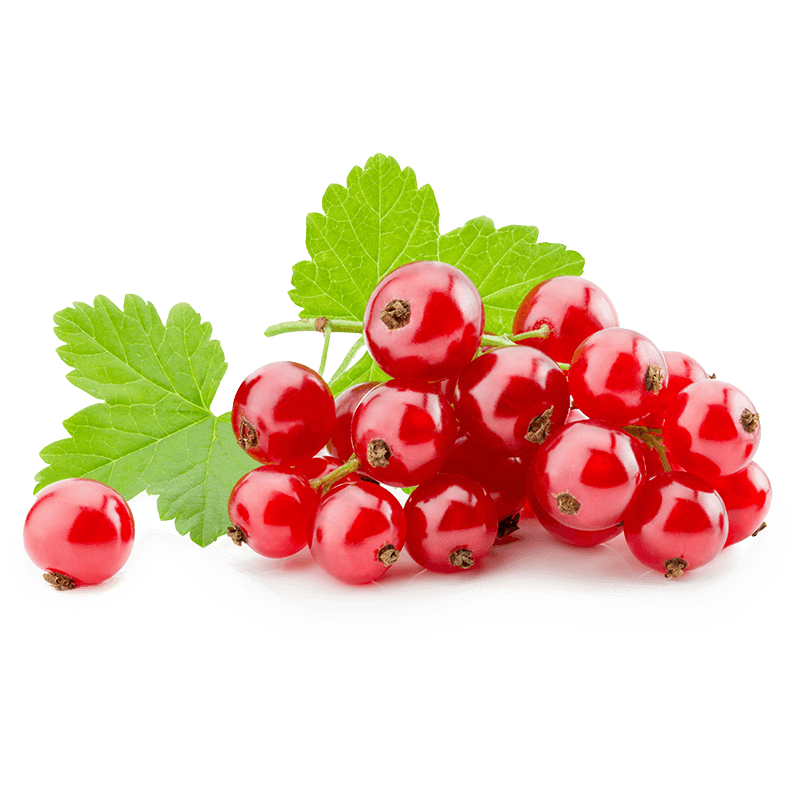
- Red Currants Calories (Nutritional Facts)
- Black Currants Calories (Nutritional Facts)
- White Currants Calories (Nutritional Facts)
- Raw Currants Nutrition
- Sodium in Currants
- Potassium in Currants
- Sugar in Currants
- Fiber in Currants
- Protein in Currants
- Carbs in Currants
- Fat in Currants
- Vitamins in Currants
- Minerals in Currants
Large Currants Calories (Nutritional Facts)
A large serving of dried currants (100g or 3.5oz) contains 290 calories, 3.43g of protein, 0.22g of fat, 77g of carbohydrates, 4.4g of fiber, 62.3g of sugar, and 43mg of sodium.
A medium serving of dried currants (50g or 1.8oz) provides 145 calories, 1.7g of protein, 0.11g of fat, 38.5g of carbohydrates, 2.2g of fiber, 31.2g of sugar, and 21.5mg of sodium.
A small serving of dried currants (28g or 1oz) contains 81 calories, 0.96g of protein, 0.06g of fat, 21.6g of carbohydrates, 1.2g of fiber, 17.4g of sugar, and 12mg of sodium.
A standard serving of raw red currants (100g or 3.5oz) contains 56 calories, 1.4g of protein, 0.2g of fat, 13.8g of carbohydrates, 4.3g of fiber, 7.4g of sugar, and 1mg of sodium.
A standard serving of raw black currants (100g or 3.5oz) provides 63 calories, 1.4g of protein, 0.4g of fat, 15.4g of carbohydrates, 6.8g of fiber, 7.4g of sugar, and 2mg of sodium.
A standard serving of raw white currants (100g or 3.5oz) contains 56 calories, 1.4g of protein, 0.2g of fat, 13.8g of carbohydrates, 4.3g of fiber, 7.4g of sugar, and 1mg of sodium.
A serving of raw currants (112g or 1 cup) contains 63 calories, 1.6g of protein, 0.2g of fat, 15.5g of carbohydrates, 4.8g of fiber, 8.3g of sugar, and 1mg of sodium.
A large serving of dried zante currants (100g) contains 43mg of sodium (2% DV), while a serving of raw red currants (100g) contains 1mg of sodium (0% DV). A medium serving of dried zante currants (50g) has 21.5mg of sodium (1% DV), and a serving of raw black currants (100g) has 2mg of sodium (0% DV). A small serving of dried zante currants (28g) contains 12mg of sodium (1% DV), whereas a serving of raw white currants (100g) contains 1mg of sodium (0% DV). A serving of raw currants (112g) contains 1mg of sodium (0% DV).
A large serving of dried zante currants (100g) contains 777mg of potassium (17% DV), while a serving of raw red currants (100g) contains 275mg of potassium (6% DV). A medium serving of dried zante currants (50g) has 389mg of potassium (8% DV), and a serving of raw black currants (100g) has 322mg of potassium (7% DV). A small serving of dried zante currants (28g) contains 218mg of potassium (5% DV), whereas a serving of raw white currants (100g) contains 275mg of potassium (6% DV). A serving of raw currants (112g) contains 308mg of potassium (7% DV).
A large serving of dried zante currants (100g) contains 62.3g of sugar, while a serving of raw red currants (100g) contains 7.4g of sugar. A medium serving of dried zante currants (50g) has 31.2g of sugar, and a serving of raw black currants (100g) has 7.4g of sugar. A small serving of dried zante currants (28g) contains 17.4g of sugar, whereas a serving of raw white currants (100g) contains 7.4g of sugar. A serving of raw currants (112g) contains 8.3g of sugar.
A large serving of dried zante currants (100g) provides 4.4g of dietary fiber (16% DV), while a serving of raw red currants (100g) provides 4.3g of fiber (15% DV). A medium serving of dried zante currants (50g) has 2.2g of fiber (8% DV), and a serving of raw black currants (100g) has 6.8g of fiber (24% DV). A small serving of dried zante currants (28g) contains 1.2g of fiber (4% DV), whereas a serving of raw white currants (100g) contains 4.3g of fiber (15% DV). A serving of raw currants (112g) provides 4.8g of fiber (17% DV).
A large serving of dried zante currants (100g) provides 3.43g of protein (7% DV), while a serving of raw red currants (100g) provides 1.4g of protein (3% DV). A medium serving of dried zante currants (50g) has 1.7g of protein (3% DV), and a serving of raw black currants (100g) has 1.4g of protein (3% DV). A small serving of dried zante currants (28g) contains 0.96g of protein (2% DV), whereas a serving of raw white currants (100g) contains 1.4g of protein (3% DV). A serving of raw currants (112g) provides 1.6g of protein (3% DV).
A large serving of dried zante currants (100g) contains 77g of carbohydrates (28% DV), while a serving of raw red currants (100g) contains 13.8g of carbohydrates (5% DV). A medium serving of dried zante currants (50g) has 38.5g of carbohydrates (14% DV), and a serving of raw black currants (100g) has 15.4g of carbohydrates (6% DV). A small serving of dried zante currants (28g) contains 21.6g of carbohydrates (8% DV), whereas a serving of raw white currants (100g) contains 13.8g of carbohydrates (5% DV). A serving of raw currants (112g) contains 15.5g of carbohydrates (6% DV).
A large serving of dried zante currants (100g) contains 0.22g of total fat (0% DV), while a serving of raw red currants (100g) contains 0.2g of total fat (0% DV). A medium serving of dried zante currants (50g) has 0.11g of total fat (0% DV), and a serving of raw black currants (100g) has 0.4g of total fat (1% DV). A small serving of dried zante currants (28g) contains 0.06g of total fat (0% DV), whereas a serving of raw white currants (100g) contains 0.2g of total fat (0% DV). A serving of raw currants (112g) contains 0.2g of total fat (0% DV).
A large serving of dried zante currants (100g) provides 4.7mg of Vitamin C (5% DV), while a serving of raw red currants (100g) provides 41mg of Vitamin C (46% DV). A medium serving of dried zante currants (50g) provides 2.4mg of Vitamin C (3% DV), and a serving of raw black currants (100g) provides 181mg of Vitamin C (201% DV). A small serving of dried zante currants (28g) provides 1.3mg of Vitamin C (1% DV), whereas a serving of raw white currants (100g) provides 41mg of Vitamin C (46% DV). A serving of raw currants (112g) provides 46mg of Vitamin C (51% DV).
A large serving of dried zante currants (100g) provides 1.88mg of iron (10% DV) and 88mg of calcium (7% DV), while a serving of raw red currants (100g) provides 1mg of iron (6% DV) and 33mg of calcium (3% DV). A medium serving of dried zante currants (50g) provides 0.94mg of iron (5% DV) and 44mg of calcium (3% DV), and a serving of raw black currants (100g) provides 1.54mg of iron (9% DV) and 55mg of calcium (4% DV). A small serving of dried zante currants (28g) provides 0.53mg of iron (3% DV) and 25mg of calcium (2% DV), whereas a serving of raw white currants (100g) provides 1mg of iron (6% DV) and 33mg of calcium (3% DV). A serving of raw currants (112g) provides 1.1mg of iron (6% DV) and 37mg of calcium (3% DV).
Get a Custom Report on Currants Nutrition Data – Contact Us!
What are the Types of Currants?
The types of currants are Black Currants (Ribes nigrum), Red Currants (Ribes rubrum), White Currants (Ribes rubrum), and Zante Currants (Dried Black Corinth Grapes). These variations are distinguished by botanical origin, color, and sugar content, which results in different caloric densities and culinary uses. The following table outlines the nutritional distinctions among these varieties.
| Type | Description | Calories (per 100g) | Calorie Qualifications |
|---|---|---|---|
|
Black Currants
|
Dark purple berries with tart flavor and high Vitamin C content. | 63 | The nutrient density is high, but the calorie count remains low due to water content. |
|
Red Currants
|
Bright red, translucent berries with high acidity. | 56 | The high water content and acidity result in the lowest calorie density. |
|
White Currants
|
Albino cultivar of the red currant, sweeter and less acidic. | 56 | Nutritional profile is nearly identical to red currants. |
|
Zante Currants (Dried)
|
Dried Black Corinth grapes, small and intensely sweet. | 290 | The removal of water concentrates the sugar, resulting in the highest calorie density. |
What are Desserts With Currants?
Currants serve as a tart or sweet component in baked goods and preserves, adding complexity to sugary dishes. The list below catalogs sweet courses that utilize currants.
| Dish Name | Calories (Estimate per serving) | Type of Dessert | Carbs (g) (Estimate) | Sugar (g) (Estimate) | Protein (g) (Estimate) | Fat (g) (Estimate) | Cuisine | Restaurants |
|---|---|---|---|---|---|---|---|---|
|
Currant Scone
|
350 | Pastry | 50 | 18 | 6 | 14 | British | Panera Bread |
|
Summer Pudding
|
250 | Dessert | 45 | 30 | 3 | 1 | British | The Ivy (UK/US) |
|
Black Currant Sorbet
|
180 | Frozen Dessert | 45 | 40 | 0 | 0 | French | Amorino |
|
Spotted Dick
|
400 | Steamed Pudding | 60 | 35 | 4 | 15 | British | Local Pubs |
|
Red Currant Tart
|
300 | Pastry | 40 | 20 | 4 | 14 | French | Ladurée |
|
Currant Bun
|
280 | Bread/Pastry | 50 | 15 | 6 | 5 | British | Local Bakeries |
|
Eccles Cake
|
320 | Pastry | 45 | 25 | 2 | 16 | British | St. John Bakery |
|
Oatmeal Currant Cookie
|
220 | Cookie | 30 | 15 | 3 | 10 | American | Potbelly Sandwich Shop |
|
Black Currant Cheesecake
|
500 | Cake | 45 | 30 | 8 | 35 | American | The Cheesecake Factory |
|
Fruitcake (with Currants)
|
350 | Cake | 55 | 40 | 4 | 12 | Global | Claxton Fruit Cake (Retail) |
What are Main Dishes With Currants?
Currants function as a sweet-tart element in savory dishes, particularly in Middle Eastern and European cuisines involving game meat or rice. The following chart displays savory meal pairings involving currants.
| Dish Name | Calories (Estimate per serving) | Type of Dish | Carbs (g) (Estimate) | Sugar (g) (Estimate) | Protein (g) (Estimate) | Fat (g) (Estimate) | Cuisine | Restaurants |
|---|---|---|---|---|---|---|---|---|
|
Persian Jeweled Rice
|
400 | Side Dish | 60 | 15 | 6 | 12 | Iranian | Shamshiri Grill |
|
Swedish Meatballs (Currant Jelly)
|
600 | Entree | 25 | 12 | 30 | 40 | Swedish | IKEA Restaurant |
|
Duck with Currant Sauce
|
700 | Entree | 20 | 15 | 45 | 50 | French | Bouchon Bistro |
|
Curried Chicken Salad
|
450 | Salad | 15 | 10 | 35 | 30 | British/Indian | Whole Foods Market |
|
Couscous with Currants
|
300 | Side Dish | 55 | 10 | 8 | 6 | Moroccan | Tagine |
|
Stuffed Grape Leaves (Dolma)
|
250 | Appetizer | 30 | 5 | 4 | 12 | Mediterranean | Zoe's Kitchen |
|
Coronation Chicken
|
500 | Salad/Sandwich | 20 | 12 | 30 | 35 | British | Pret A Manger |
|
Wild Rice Salad with Currants
|
350 | Salad | 45 | 12 | 8 | 15 | American | Panera Bread |
|
Lamb Tagine with Currants
|
650 | Stew | 40 | 15 | 40 | 35 | Moroccan | Mourad |
|
Pork Tenderloin with Currant Glaze
|
550 | Entree | 15 | 12 | 45 | 25 | American | LongHorn Steakhouse |
What Cuisines Prefer Currants the Most?
Currants function as a staple ingredient in Northern European and Middle Eastern culinary traditions. The table below details the culinary traditions that regularly use this ingredient.
| Cuisine | Dish | Types of Currants | Calories (Estimate) | Restaurant(s) |
|---|---|---|---|---|
|
British
|
Scones/Puddings | Zante/Black | 300-450 | The Ivy |
|
Persian
|
Zereshk Polo (Rice) | Zante (or Barberry) | 350-500 | Raffi's Place |
|
Scandinavian
|
Rødgrød med fløde | Red | 200-350 | Aquavit |
|
French
|
Confiture/Sauce | Red/Black | 50-150 | Balthazar |
|
Russian
|
Kissel/Tea | Black | 100-200 | Mari Vanna |
|
German
|
Rote Grütze | Red | 200-300 | Heidelberg Restaurant |
|
Moroccan
|
Couscous/Tagine | Zante | 300-600 | Aziza |
|
Polish
|
Kompot/Jam | Black/Red | 100-200 | Staropolska |
|
American (Bakery)
|
Oatmeal Cookies | Zante | 200-300 | Panera Bread |
|
Indian (Fusion)
|
Pulao/Chutney | Zante | 250-400 | Indian Accent |
Which Countries Produce the Most Currants?
The top producers of black currants are Russia and Poland. These nations dominate the global market for Ribes berries, utilizing them extensively for juice and processing. Greece is the primary producer of Zante currants (dried grapes). The table below shows the production quantity of currants (Ribes) in key countries.
| Country | 2003 | 2008 | 2013 | 2018 | 2019 | 2020 | 2021 | 2022 |
|---|---|---|---|---|---|---|---|---|
| Russia | 350,000 | 400,000 | 420,000 | 450,000 | 460,000 | 470,000 | 480,000 | 490,000 |
| Poland | 180,000 | 190,000 | 195,000 | 160,000 | 125,000 | 130,000 | 140,000 | 145,000 |
| Ukraine | 20,000 | 25,000 | 28,000 | 30,000 | 31,000 | 32,000 | 33,000 | 28,000 |
| Germany | 10,000 | 12,000 | 11,000 | 10,000 | 9,500 | 9,000 | 8,500 | 8,000 |
| United Kingdom | 15,000 | 14,000 | 13,000 | 12,000 | 12,500 | 13,000 | 13,500 | 14,000 |
Which Countries Consume the Most Currants?
The top consumers of currants are Russia, Germany, and the United Kingdom. Consumption of black currants is highest in Europe, particularly for juice production (like Ribena in the UK). The United States consumes primarily dried Zante currants. The table below shows import values for the broader category of dried fruits (including Zante currants) in key markets.
| Country | 2003 | 2008 | 2013 | 2018 | 2019 | 2020 | 2021 | 2022 |
|---|---|---|---|---|---|---|---|---|
| United States | 1,200,000 | 1,800,000 | 2,200,000 | 2,500,000 | 2,600,000 | 2,550,000 | 2,700,000 | 2,750,000 |
| Germany | 800,000 | 1,200,000 | 1,500,000 | 1,700,000 | 1,650,000 | 1,700,000 | 1,800,000 | 1,850,000 |
| United Kingdom | 500,000 | 700,000 | 900,000 | 1,000,000 | 1,050,000 | 1,100,000 | 1,150,000 | 1,200,000 |
| China | 100,000 | 200,000 | 400,000 | 600,000 | 700,000 | 800,000 | 900,000 | 950,000 |
| France | 400,000 | 550,000 | 650,000 | 750,000 | 780,000 | 800,000 | 850,000 | 900,000 |
How Do Prices of Currants-Including Dishes Change?
Menu prices for items featuring currants have climbed over the last decade, driven by the escalating wholesale price of dried fruit and rising operational costs. This upward trend is visible across the offerings of major bakery chains and casual dining restaurants.
| Restaurant | Dish | Old Price (Year) | Current Price (2024/2025) |
|---|---|---|---|
| Panera Bread | Orange Scone (with Currants/Berries) | $2.29 (2013) | $3.49 - $4.89 |
| Starbucks | Oatmeal (with Dried Fruit) | $2.95 (2014) | $4.75 - $5.25 |
| IKEA Restaurant | Swedish Meatballs (with Jam) | $3.99 (2012) | $9.99 - $12.99 |
| Jason's Deli | Chicken Salad (with Fruit) | $7.99 (2012) | $8.79 - $12.99 |
What is the Currants Calorie for 100 Grams?
A 100g serving of dried zante currants contains 290 calories, while a 100g serving of raw red currants provides 56 calories.
What is the Currants Calorie for 1 KG?
One kilogram (1000g) of dried zante currants contains 2,900 calories, whereas one kilogram (1000g) of raw red currants provides 560 calories.
What is the Calorie of 1 Currant?
A single dried zante currant (0.2g) contains 0.6 calories, and a single raw red currant berry (1g) contains 0.6 calories. Commercial brands vary, as a serving of Sun-Maid Zante Currants (30g) contains 100 calories, while a serving of Bob's Red Mill Dried Currants (30g) provides 100 calories.
What are the Health Benefits of Currants?
The nutritional profile of currants offers distinct advantages derived from the high concentration of anthocyanins and Vitamin C in fresh berries, and fiber in dried varieties. A summary of these positive attributes is outlined below.
- Boosts Immune System: Fresh black currants serve as a superior source of Vitamin C, providing over 200% of the Daily Value per 100g. A study by Carr, A. C., & Maggini, S. (2017), "Vitamin C and Immune Function," confirms that adequate Vitamin C intake supports the epithelial barrier function against pathogens and promotes oxidant scavenging activity.
- Supports Eye Health: The dark pigmentation in black currants indicates a high level of anthocyanins, which protect the eyes. A study by Nakaishi, H., et al. (2000), "Effects of black currant anthocyanoside intake on dark adaptation and VDT work-induced transient refractive alteration in healthy humans," found that anthocyanins from the fruit improved dark adaptation and reduced eye fatigue.
- Promotes Cardiovascular Health: Currants contain antioxidants that support blood vessel function. A randomized controlled trial by Khan, F., et al. (2014), "Lowering of oxidative stress improves endothelial function in healthy subjects with habitually low fruit and vegetable consumption: a randomized controlled trial of antioxidant- and polyphenol-rich blackcurrant juice," indicates that the bioactive compounds in the fruit improve flow-mediated dilation, a key marker of vascular health.
What are the Downsides of Currants?
The consumption of dried currants presents specific health risks related to sugar concentration, while fresh currants are generally safe but acidic. An analysis of these potential health liabilities is provided here.
- High Sugar Concentration (Dried): Dried zante currants contain concentrated fructose, leading to a high sugar load per gram compared to fresh fruit. A study by Moynihan, P., & Petersen, P. E. (2004), "Diet, nutrition and the prevention of dental diseases," identifies dried fruits as potential cariogenic foods due to the sticky texture and high sugar content that can adhere to teeth. A healthier alternative is fresh berries. A suggested amount is to limit consumption of dried currants to one small handful (28g) per day.
- Acidic Nature: Fresh red and white currants possess high acidity, which may trigger reflux or discomfort in individuals with sensitive stomachs. A review by Jarosz, M., & Taraszewska, A. (2014), "Risk factors for gastroesophageal reflux disease: the role of diet," notes that highly acidic fruits can exacerbate symptoms in susceptible individuals.
Are Currants Good for You?
Yes, currants are good for health because the fruit provides a dense source of Vitamin C, fiber, and antioxidants that support immune and vascular function. The fruit's impact on cardiovascular health is positive due to the presence of anthocyanins and potassium. A study by Blekkenhorst, L. C., et al. (2018), "Cruciferous and total vegetable intake are inversely associated with subclinical atherosclerosis in older adult women," supports the link between high plant food consumption and better vascular health.
Also, the fiber content in both fresh and dried varieties aids in digestion. A review by Slavin, J. L. (2013), "Fiber and prebiotics: mechanisms and health benefits," confirms that dietary fiber promotes satiety and gut health. Dried varieties require moderation due to caloric density. A study by Ludwig, D. S., et al. (2001), "Relation between consumption of sugar-sweetened drinks and childhood obesity," warns against excessive intake of concentrated sugars, which applies to dried fruit portions.
How Do Calories Change According to Currant Types?
The moisture content and botanical origin determine the calorie count of a currant variety. Dried Zante currants have the highest calorie value at 290 calories per 100 grams, a consequence of the dehydration process concentrating the natural sugars of the grape. Fresh Black currants contain a moderate calorie value at 63 calories per 100 grams, representing a nutrient-dense berry with significant solids. Fresh Red and White currants contain the lowest calorie value at 56 calories per 100 grams, as the high water content and acidity dilute the energy density.
What is the Origin of Currants?
The botanical ancestry of fresh currants (Ribes) is rooted in the cool, temperate zones of Northern Europe and Asia, where the shrubs originally grew wild. Black and red currants were domesticated in Europe during the Middle Ages and became integral to British and Slavic diets. Conversely, the dried "Zante" currant traces its lineage to the Greek island of Zakynthos. These are actually dried Black Corinth grapes, a commodity traded throughout the Mediterranean for millennia, with the name "currant" evolving from "Corinth."
Explore More Fruits
Discover more Fruits with detailed nutrition facts, calorie counts, vitamins, minerals, and health benefits. Compare similar foods, serving sizes, macronutrients, and key nutrients to find the best option for your diet and nutrition goals.
 Acai calories
 Acerola calories
 Ambarella calories
 Amla calories
 Apple calories
 Apricot calories
 Avocado calories
 Babaco calories
 Bael Fruit calories
 Banana calories
 Black Grapes calories
 Blackcurrant calories