Calories and Nutritions in Einkorn wheat
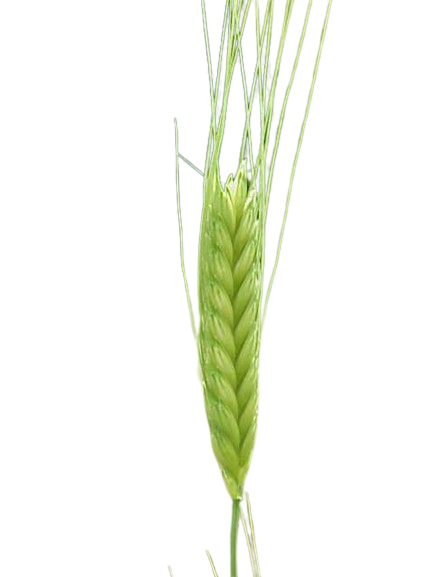
Einkorn wheat is a nutrient-rich ancient grain valued used in making bread, pasta, and salads. A small serving of organic einkorn wheat berries (48g) contains 170 calories, while a single slice of einkorn bread (28g) provides 74 calories. A 100g portion of raw dry einkorn grain contains 369 calories, 100g of organic einkorn berries has 354 calories, and 100g of baked bread made from einkorn wheat flour has 264 calories. Jovial All-Purpose Einkorn Flour contains 210 calories per 60g.
An analysis of Einkorn wheat nutrition facts reveals a nutrient-dense food superior to many modern wheat varieties. A large serving of organic einkorn berries supplies 128g of carbohydrates and an impressive 36g of protein, alongside 16g of dietary fiber. A standard 100g portion of raw einkorn grain contains 369 calories, which is significantly denser than the 264 calories found in the same weight of einkorn bread due to hydration during baking. The mineral content is equally significant, delivering 276mg of magnesium (65% DV), 8.8mg of iron (48% DV), and 829mg of potassium (18% DV) to support muscle and nerve function. The grain is also a rich source of B-vitamins, providing 0.5mg of Thiamin (42% DV). These nutrients contribute to specific health advantages, particularly regarding vision and immunity. The grain contains high levels of lutein, a carotenoid that protects the retina from oxidative stress, while the dense concentration of zinc and iron strengthens immune cell development. The substantial thiamin content facilitates efficient cellular metabolism by converting carbohydrates into usable energy.
Global supply of einkorn wheat depends on niche cultivation in Europe, as this heritage crop traces its roots back 10,000 years to the Fertile Crescent. Originally domesticated from wild grass in southeastern Turkey, einkorn, meaning "single grain" in German, sustained early civilizations before being displaced by higher-yielding modern wheat. Today, Italy leads global production, harvesting thousands of tonnes of einkorn grains annually in regions like Piedmont to supply the growing artisan market. The grain is prized in these regions for its unique gluten structure, which, although weaker than modern wheat, produces better quality baked goods and pasta. This specialized production and lower yield contribute to its premium status, driving costs upward with bulk organic einkorn berries in the United States rising from $2.00 per pound in 2004 to over $5.00 per pound in 2024. Menu prices reflect this inflationary trend, as a loaf of Ancient Grain Bread at Tartine Bakery increased from $9.00 to between $14.85 and $17.00 in 2024 and 2025.
Einkorn wheat is considered a nutritional powerhouse with a high concentration of protein and lipophilic antioxidants. This nutrient profile supports energy metabolism and long-term eye health. Nutritionists advise consuming the dense grain in moderation due to the high carbohydrate content. A large serving of einkorn berries contains 680 calories, which can be burned in 68 minutes of running or 85 minutes of swimming. People with Celiac disease should avoid einkorn wheat entirely, as it contains gluten proteins that trigger autoimmune reactions despite being an ancient variety.
Einkorn wheat nutrition
| Stats | Weight |
|---|---|
| Carbs | 68.7 grams |
| Protein | 15.1 grams |
| Fats | 3.81 grams |
| Sugars | 0 grams |
- Large Einkorn Wheat Calories (Nutritional Facts)
- Medium Einkorn Wheat Calories (Nutritional Facts)
- Small Einkorn Wheat Calories (Nutritional Facts)
- Raw Einkorn Wheat Nutrition
- Magnesium in Einkorn Wheat
- Sodium in Einkorn Wheat
- Potassium in Einkorn Wheat
- Sugar in Einkorn Wheat
- Fiber in Einkorn Wheat
- Protein in Einkorn Wheat
- Carbs in Einkorn Wheat
- Fat in Einkorn Wheat
- Vitamins in Einkorn Wheat
- Minerals in Einkorn Wheat
Large Einkorn Wheat Calories (Nutritional Facts)
A large serving of organic einkorn wheat berries (192g or 1 cup) contains 680 calories, 36g of protein, 6g of total fat, 128g of carbohydrates, 16g of dietary fiber, and 0mg of sodium. A large serving of einkorn wheat bread (454g or 1 loaf) provides 1,184 calories, 43.2g of protein, 7.2g of total fat, 233.6g of carbohydrates, 49.6g of dietary fiber, and 4,536mg of sodium.
A medium serving of organic einkorn wheat berries (96g or 0.5 cup) provides 340 calories, 18g of protein, 3g of total fat, 64g of carbohydrates, 8g of dietary fiber, and 0mg of sodium. A medium serving of einkorn wheat bread (56g or 2 slices) contains 148 calories, 5.4g of protein, 0.9g of total fat, 29.2g of carbohydrates, 6.2g of dietary fiber, and 567mg of sodium.
A small serving of organic einkorn wheat berries (48g or 0.25 cup) contains 170 calories, 9g of protein, 1.5g of total fat, 32g of carbohydrates, 4g of dietary fiber, and 0mg of sodium. A small serving of einkorn wheat bread (28g or 1 slice) provides 74 calories, 2.7g of protein, 0.45g of total fat, 14.6g of carbohydrates, 3.1g of dietary fiber, and 283.5mg of sodium.
A serving of raw dry einkorn grain (100g) contains 369 calories, 15.1g of protein, 3.8g of total fat, 68.7g of carbohydrates, 8.9g of dietary fiber, and 0mg of sodium.
A large serving of organic einkorn wheat berries (192g) provides 276mg of magnesium (65% DV). A medium serving of organic einkorn wheat berries (96g) has 138mg of magnesium (33% DV). A small serving of organic einkorn wheat berries (48g) contains 69mg of magnesium (16% DV). A serving of raw einkorn grain (100g) contains 144mg of magnesium (34% DV).
A large serving of organic einkorn wheat berries (192g) contains 0mg of sodium (0% DV), while a large serving of einkorn wheat bread (454g) has 4,536mg of sodium (197% DV). A medium serving of einkorn wheat berries (96g) provides 0mg of sodium (0% DV), whereas a medium serving of bread (56g) contains 567mg of sodium (25% DV). A small serving of einkorn wheat berries (48g) contains 0mg of sodium (0% DV), and a single slice of bread (28g) provides 283.5mg of sodium (12% DV). A serving of raw einkorn grain (100g) contains 0mg of sodium (0% DV).
A large serving of organic einkorn wheat berries (192g) contains 829mg of potassium (18% DV), while a large serving of einkorn wheat bread (454g) provides 1,470mg of potassium (31% DV). A medium serving of einkorn wheat berries (96g) has 414mg of potassium (9% DV), and a medium serving of bread (56g) contains 181mg of potassium (4% DV). A small serving of einkorn wheat berries (48g) contains 207mg of potassium (4% DV), and a single slice of bread (28g) provides 90.7mg of potassium (2% DV). A serving of raw einkorn grain (100g) provides 431.8mg of potassium (9% DV).
A large serving of organic einkorn wheat berries (192g) contains 0g of total sugar. A large serving of einkorn wheat bread (454g) has 7.2g of total sugar. A small serving of einkorn wheat berries (48g) contains 0g of sugar. A single slice of einkorn wheat bread (28g) provides 0.45g of sugar (1% DV).
A large serving of organic einkorn wheat berries (192g) provides 16g of dietary fiber (56% DV), while a large serving of einkorn wheat bread (454g) has 49.6g of fiber (177% DV). A medium serving of einkorn wheat berries (96g) contains 8g of fiber (28% DV). A small serving of einkorn wheat berries (48g) provides 4g of fiber (14% DV), and a single slice of bread (28g) contains 3.1g of fiber (11% DV). A serving of raw einkorn grain (100g) supplies 8.9g of fiber (32% DV).
A large serving of organic einkorn wheat berries (192g) provides 36g of protein (72% DV), while a large serving of einkorn wheat bread (454g) contains 43.2g of protein (86% DV). A medium serving of einkorn wheat berries (96g) has 18g of protein (36% DV). A small serving of einkorn wheat berries (48g) contains 9g of protein (18% DV), and a single slice of bread (28g) provides 2.7g of protein (5% DV). A serving of raw einkorn grain (100g) supplies 15.1g of protein (30% DV).
A large serving of organic einkorn wheat berries (192g) contains 128g of carbohydrates (48% DV), while a large serving of einkorn wheat bread (454g) has 233.6g of carbohydrates (85% DV). A medium serving of einkorn wheat berries (96g) provides 64g of carbohydrates (24% DV). A small serving of einkorn wheat berries (48g) contains 32g of carbohydrates (12% DV), and a single slice of bread (28g) provides 14.6g of carbohydrates (5% DV). A serving of raw einkorn grain (100g) contains 68.7g of carbohydrates (25% DV).
A large serving of organic einkorn wheat berries (192g) contains 6g of total fat (8% DV), while a large serving of einkorn wheat bread (454g) has 7.2g of fat (16% DV). A medium serving of einkorn wheat berries (96g) provides 3g of fat (4% DV). A small serving of einkorn wheat berries (48g) contains 1.5g of fat (2% DV), and a single slice of bread (28g) provides 0.45g of fat (1% DV). A serving of raw einkorn grain (100g) contains 3.8g of fat (5% DV).
A large serving of organic einkorn wheat berries (192g) provides 0.5mg of Thiamin (42% DV) based on raw grain equivalents. A single slice of einkorn wheat bread (28g) contains 0mg of Vitamin C. A serving of raw einkorn grain (100g) supplies 0.4mg of Thiamin (33% DV) and 3.1mg of Niacin (19% DV).
A large serving of organic einkorn wheat berries (192g) provides 8.8mg of iron (48% DV), 159.2mg of calcium (12% DV), and 800.8mg of phosphorus (64% DV). A single slice of einkorn wheat bread (28g) contains 0.65mg of iron (4% DV), 8.6mg of calcium (1% DV), and 91.3mg of phosphorus (7% DV). A serving of raw einkorn grain (100g) supplies 3.7mg of iron (21% DV), 41.4mg of calcium (3% DV), and 435.8mg of phosphorus (35% DV).
Get a Custom Report on Einkorn wheat Nutrition Data – Contact Us!
What are the Types of Einkorn Wheats?
The types of einkorn wheat are Whole Grain Berries, All-Purpose Flour, and Whole Grain Flour, categorized by the processing method and the form of the kernel. The table below details the calorie differences and qualifications for each type.
| Type | Description | Calories (per 100g) | Calorie Qualifications |
|---|---|---|---|
|
Whole Grain Berries
|
The intact kernel with the bran, germ, and endosperm. | 354 | The standard calorie count reflects the complete nutritional profile of the seed. |
|
Whole Grain Flour
|
Stone-ground berries containing all parts of the kernel. | 350 | The milling process retains the fiber and oil, maintaining a density similar to the berry. |
|
High-Extraction (All-Purpose) Flour
|
Sifted flour with some bran and germ removed. | 360 | The removal of fibrous bran slightly increases the calorie density per gram due to higher starch concentration. |
|
Sprouted Einkorn Flour
|
Flour made from berries that have been germinated and dried. | 340 | The sprouting process activates enzymes that break down starches, slightly reducing caloric density. |
What are Desserts With Einkorn Wheat?
Einkorn wheat serves as a flavorful base for rustic pastries and cakes, offering a nutty taste and a tender crumb due to its weak gluten. Sweet preparations utilizing this ingredient are provided in the following table.
| Dish Name | Calories (Estimate per serving) | Type of Dessert | Carbs (g) (Estimate) | Sugar (g) (Estimate) | Protein (g) (Estimate) | Fat (g) (Estimate) | Cuisine | Restaurants |
|---|---|---|---|---|---|---|---|---|
|
Einkorn Shortbread
|
180 | Cookie | 22 | 8 | 3 | 10 | French/Modern | Tartine Bakery (San Francisco, CA) |
|
Einkorn Banana Bread
|
320 | Quick Bread | 45 | 18 | 6 | 12 | American | Levain Bakery (New York, NY) |
|
Einkorn Croissant
|
350 | Pastry | 38 | 6 | 7 | 18 | French | Arsicault Bakery (San Francisco, CA) |
|
Einkorn Biscotti
|
140 | Cookie | 20 | 8 | 4 | 5 | Italian | Eataly (National Locations) |
|
Einkorn Berry Cobbler
|
380 | Baked Fruit | 55 | 30 | 5 | 14 | American | Bubby's (New York, NY) |
|
Einkorn Crepes
|
160 | Pan Pastry | 18 | 2 | 6 | 7 | French | Le Gamin (Brooklyn, NY) |
|
Einkorn Scones
|
290 | Pastry | 35 | 12 | 6 | 14 | British/American | Alice's Tea Cup (New York, NY) |
|
Einkorn Chocolate Chip Cookie
|
210 | Cookie | 28 | 16 | 3 | 10 | American | Seven Stars Bakery (Providence, RI) |
|
Einkorn Pound Cake
|
340 | Cake | 42 | 22 | 5 | 16 | American | Zingerman's Bakehouse (Ann Arbor, MI) |
|
Einkorn Galette
|
310 | Pastry | 36 | 12 | 5 | 15 | French | Chez Panisse (Berkeley, CA) |
What are the Main Dishes With Einkorn Wheat?
Einkorn wheat functions as a nutritious whole grain substitute in salads, risottos, and artisan breads. The grain's chewy texture and rich flavor enhance savory entrees. Savory dishes incorporating the ingredient are listed here.
| Dish Name | Calories (Estimate per serving) | Type of Dish | Carbs (g) (Estimate) | Sugar (g) (Estimate) | Protein (g) (Estimate) | Fat (g) (Estimate) | Cuisine | Restaurants |
|---|---|---|---|---|---|---|---|---|
|
Einkorn Berry Salad
|
320 | Grain Salad | 45 | 4 | 10 | 12 | Mediterranean | Sweetgreen |
|
Einkorn Risotto
|
450 | Grain Entree | 60 | 2 | 14 | 16 | Italian | Blue Hill at Stone Barns (Pocantico Hills, NY) |
|
Einkorn Sourdough Toast
|
180 | Bread Side | 34 | 1 | 7 | 2 | Artisan | The Mill (San Francisco, CA) |
|
Einkorn Tabbouleh
|
240 | Salad | 30 | 2 | 6 | 10 | Middle Eastern | Mamoun's Falafel (New York, NY) |
|
Einkorn Pasta Pomodoro
|
420 | Pasta | 75 | 6 | 16 | 8 | Italian | Sfoglia (New York, NY) |
|
Einkorn Pizza Crust
|
280 | Pizza Base | 50 | 2 | 10 | 5 | Italian/Modern | Roberta's (Brooklyn, NY) |
|
Einkorn Pilaf
|
260 | Side Dish | 40 | 2 | 8 | 8 | Turkish | Pera Mediterranean (New York, NY) |
|
Einkorn Porridge (Savory)
|
220 | Breakfast/Bowl | 38 | 1 | 10 | 6 | Nordic/Modern | Great White (Venice, CA) |
|
Whole Grain Einkorn Burger Bun
|
190 | Bread | 36 | 3 | 8 | 3 | American | Hopdoddy Burger Bar (Austin, TX) |
|
Einkorn Soup (Minestra)
|
210 | Soup | 30 | 3 | 9 | 5 | Italian | I Sodi (New York, NY) |
What Cuisines Prefer Einkorn Wheat the Most?
Einkorn wheat functions as a heritage staple in Italian, French, and Turkish food cultures. The following chart identifies food cultures worldwide where Einkorn wheat is considered a must.
| Cuisine | Dish | Types of Einkorn Used | Calories (Estimate) | Restaurant |
|---|---|---|---|---|
|
Italian (Tuscany)
|
Pane di Monococco | Whole Grain Flour | 220 | Eataly (National Locations) |
|
French (Provence)
|
Petit Épeautre Risotto | Whole Berries | 450 | Le Coucou (New York, NY) |
|
Turkish
|
Siyez Bulgur Pilav | Cracked Berries (Bulgur) | 280 | Sip Sak (New York, NY) |
|
German
|
Einkorn Brot | Whole Grain Flour | 240 | Heidelberg Pastry Shoppe (Arlington, VA) |
|
Mediterranean
|
Ancient Grain Salad | Whole Berries | 320 | Cava |
|
American (Artisan)
|
Sourdough Bread | High-Extraction Flour | 180 | Tartine Bakery (San Francisco, CA) |
|
Middle Eastern
|
Freekeh (Einkorn var.) Soup | Green/Roasted Berries | 210 | Tanoreen (Brooklyn, NY) |
|
Swiss
|
Einkorn Muesli | Flaked Berries | 350 | Cafe Sabarsky (New York, NY) |
|
Nordic
|
Sprouted Grain Porridge | Sprouted Berries | 250 | Aska (Brooklyn, NY) |
|
Moroccan
|
Einkorn Couscous | Semolina (Einkorn) | 400 | Cafe Mogador (New York, NY) |
Which Countries Produce the Most Einkorn Wheat?
The top producers of einkorn wheat are European nations that have preserved or revitalized the cultivation of ancient grains for the health food market. Italy leads the global market, particularly in the Piedmont and Lombardy regions, followed by France and Turkey. The table below shows the estimated production of ancient hulled wheats (including einkorn) in key countries over the last two decades.
| Country | 2003 | 2008 | 2013 | 2018 | 2019 | 2020 | 2021 | 2022 |
|---|---|---|---|---|---|---|---|---|
| Italy | 2,500 | 3,200 | 4,500 | 6,000 | 6,200 | 6,500 | 6,800 | 7,000 |
| France | 1,800 | 2,000 | 2,800 | 3,500 | 3,600 | 3,800 | 4,000 | 4,200 |
| Turkey | 1,200 | 1,500 | 2,000 | 2,800 | 3,000 | 3,200 | 3,300 | 3,500 |
| Germany | 800 | 1,000 | 1,500 | 2,000 | 2,100 | 2,200 | 2,300 | 2,400 |
| Austria | 500 | 600 | 800 | 1,200 | 1,300 | 1,400 | 1,500 | 1,600 |
Which Countries Consume the Most Einkorn Wheat?
The top consumers of einkorn wheat are Italy, France, and Germany, where the grain remains part of regional gastronomic heritage. Consumption is rising in the United States due to the popularity of ancient grains and organic diets. The table below shows the estimated market value of ancient grain products in key consumer markets.
| Country | 2003 | 2008 | 2013 | 2018 | 2019 | 2020 | 2021 | 2022 |
|---|---|---|---|---|---|---|---|---|
| Italy | 15.0 | 20.0 | 35.0 | 50.0 | 55.0 | 60.0 | 65.0 | 70.0 |
| United States | 5.0 | 10.0 | 25.0 | 45.0 | 50.0 | 65.0 | 75.0 | 85.0 |
| France | 10.0 | 15.0 | 22.0 | 30.0 | 32.0 | 35.0 | 38.0 | 40.0 |
| Germany | 8.0 | 12.0 | 18.0 | 25.0 | 27.0 | 30.0 | 32.0 | 35.0 |
| Turkey | 4.0 | 6.0 | 10.0 | 15.0 | 16.0 | 18.0 | 20.0 | 22.0 |
How Do Prices of Einkorn Wheat-Including Dishes Change?
Menu pricing for dishes containing einkorn wheat has increased significantly, reflecting the premium cost of the ingredient and the labor-intensive nature of artisan preparations. The table below displays the price changes for specific menu items.
| Brand/Restaurant | Dish | Old Price (Year) | Current Price (2024/2025) |
|---|---|---|---|
| Tartine Bakery (SF) | Ancient Grain Bread (Loaf) | $9.00 (2016) | $14.85 - $17.00 |
| Sweetgreen | Grain Bowl (Base) | $9.50 (2014) | $14.45 - $15.95 |
| Jovial Foods (Retail) | Einkorn Pasta (12oz) | $3.99 (2013) | $5.19 - $6.99 |
| Eataly (Retail USA) | Mulino Marino Flour (1kg) | $8.90 (2015) | $12.09 - $14.50 |
What is the Einkorn Wheat Calorie for 100 Grams?
A 100g serving of raw einkorn wheat grain contains 369 calories, while a 100g serving of einkorn wheat bread provides approximately 264 calories. A 100g portion of organic einkorn wheat berries contains 354 calories.
What is the Einkorn Wheat Calorie for 1 KG?
One kilogram (1000g) of raw einkorn wheat grain contains 3,690 calories, whereas one kilogram (1000g) of einkorn wheat bread provides 2,640 calories. One kilogram (1000g) of organic einkorn wheat berries contains 3,540 calories.
What is the Calorie of 1 Einkorn Wheat?
A single small serving of organic einkorn wheat berries (48g) contains 170 calories. A single slice of einkorn wheat bread (28g) provides 74 calories. Commercial varieties vary, as a serving of Jovial All-Purpose Einkorn Flour (60g) contains 210 calories.
What are the Health Benefits of Einkorn Wheat?
The nutritional profile of einkorn wheat supports immune function, eye health, and cellular metabolism through a high concentration of protein, carotenoids, and essential minerals.
- Enhances Vision Health: The ancient grain contains significant levels of lutein, a carotenoid that accumulates in the retina and protects against oxidative damage. A study by Hidalgo, A., et al. (2006), "Carotenoid content and antioxidant activity of bread wheat and einkorn," established that einkorn contains markedly higher levels of lutein compared to modern bread wheat, offering superior protection against macular degeneration.
- Supports Immune Function: The wheat provides a dense source of zinc and iron, minerals critical for the development and function of immune cells. A review by Gami, R. A., et al. (2020), "Zinc: An essential trace element for human health," confirms that adequate zinc intake regulates intracellular signaling pathways in innate and adaptive immune cells.
- Promotes Cellular Metabolism: The food offers a rich concentration of Thiamin (Vitamin B1), which is essential for converting carbohydrates into usable energy. A study by Lonsdale, D. (2006), "A review of the biochemistry, metabolism and clinical benefits of thiamin(e) and its derivatives," highlights that thiamin acts as a cofactor for enzymes involved in glucose metabolism and energy production.
What Antioxidants are in Einkorn Wheat?
Einkorn wheat is distinguished by a superior antioxidant profile compared to modern wheat varieties, particularly regarding lipophilic antioxidants. Specific compounds contributing to this profile are shown below.
- Lutein: A carotenoid that filters blue light and protects eye tissues. A study by Abdel-Aal, E. S., et al. (2002), "Carotenoid composition and content of whole grain einkorn, emmer, spelt, and hard red spring wheat," found that einkorn contained the highest levels of lutein among all tested wheat species.
- Zeaxanthin: An isomer of lutein that supports central vision. The research by Hidalgo, A., & Brandolini, A. (2014), "Nutritional properties of einkorn wheat (Triticum monococcum L.)," confirmed the presence of elevated zeaxanthin levels in the grain, contributing to its yellow pigment and health value.
- Ferulic Acid: A phenolic compound that neutralizes free radicals. A study by Li, L., et al. (2008), "The antioxidant activity of wheat phenolics," demonstrated that ferulic acid is the dominant phenolic acid in wheat and exerts strong anti-inflammatory effects.
What are the Downsides of Einkorn Wheat?
The gluten content and caloric density of the food present specific health risks for individuals with autoimmune conditions or those managing weight. Specific dietary concerns are outlined here.
- Triggers Celiac Disease: The grain contains gluten proteins, specifically gliadin, which induce an autoimmune reaction in individuals with Celiac disease. A study by Suligoj, T., et al. (2013), "The toxicity of Triticum monococcum in patients with celiac disease," determined that while einkorn gluten differs structurally from modern wheat, it still elicits a toxic response and intestinal damage in Celiac patients. A safer alternative for those avoiding gluten is Buckwheat Groats. A suggested daily amount for individuals without gluten sensitivity is to limit consumption to one cooked cup (150g) to manage caloric intake.
- Contains Anti-Nutrients: The hull and bran contain phytic acid, which can bind to minerals like iron and zinc, reducing their absorption. A study by Schlemmer, U., et al. (2009), "Phytate in foods and significance for humans," indicates that high phytate intake can impair mineral bioavailability, though soaking or fermenting the grain mitigates this effect.
Is Einkorn Wheat Good for You?
Yes, einkorn wheat is good for health because the ancient grain offers a richer protein profile, higher antioxidant levels, and lower allergenicity compared to modern wheat. The high protein content supports muscle maintenance and satiety, a benefit supported by Paddon-Jones, D., et al. (2008), "Protein, weight management, and satiety." The presence of substantial lutein supports long-term eye health, as noted in the research by Hidalgo, A., et al. (2006), "Carotenoid content and antioxidant activity of bread wheat and einkorn." The food also aids in digestion for some individuals due to its weaker gluten structure. A study by Valli, V., et al. (2018), " Health benefits of ancient grains. Comparison among bread made with ancient, heritage and modern grain flours in human cultured cells," suggests that the protein composition of ancient wheats may be less inflammatory for those with non-celiac gluten sensitivity.
Is Einkorn Better for Blood Sugar Control Than Modern Wheat?
Yes, einkorn wheat is better for blood sugar control than modern wheat due to its higher protein content and lower starch digestibility. The ancient grain possesses a lower glycemic index, meaning it causes a slower and more gradual rise in blood glucose levels. A study by Brandolini, A., et al. (2008), "Starch properties of einkorn (Triticum monococcum L.) lines," established that einkorn starch granules are less accessible to digestive enzymes compared to modern bread wheat, resulting in a reduced rate of hydrolysis and glucose release. Furthermore, research by Rosen, L. a., et al. (2011), " Postprandial glycemia, insulinemia, and satiety responses in healthy subjects after whole grain rye bread made from different rye varieties. 1," demonstrated that consumption leads to a more stable postprandial insulin response compared to refined wheat products. A review by Dhanavath, S., & Rao, U. P. (2017), "Nutritional and nutraceutical properties of Triticum dicoccum wheat and its health benefits," further supports that the complex carbohydrate structure of ancient wheats contributes to improved glycemic management and reduced risk of type 2 diabetes.
How Do Calories Change According to Einkorn Wheat Types?
The calorie count varies slightly between the whole berry and processed flour forms of einkorn. A serving of Whole Grain Einkorn Berries contains 354 calories per 100 grams, representing the natural energy density of the seed. Whole Grain Einkorn Flour maintains a similar value at roughly 350 calories per 100 grams, as the entire kernel is simply ground. High-Extraction or All-Purpose Einkorn Flour presents a slightly higher profile at approximately 360 calories per 100 grams, a consequence of removing the fibrous bran which concentrates the starchy endosperm. Cooked Einkorn Berries contain 127 calories per 100 grams, as the absorption of water during boiling triples the weight and dilutes the energy content.
What is the Origin of Einkorn Wheat?
The origin of einkorn wheat traces back to the Fertile Crescent around 10,000 to 12,000 years ago, making it the oldest known variety of cultivated wheat. The name derives from the German "Ein Korn," meaning "single grain," referring to the single kernel per spikelet on the plant. Early Neolithic farmers in the Karacadağ mountain range of southeastern Turkey first domesticated the wild grass Triticum boeoticum into Triticum monococcum. The grain spread throughout Europe and the Mediterranean, serving as a primary food source for Ötzi the Iceman and Roman legions before being displaced by higher-yielding tetraploid and hexaploid wheats during the Bronze Age.
Explore More Grains
Discover more Grains with detailed nutrition facts, calorie counts, vitamins, minerals, and health benefits. Compare similar foods, serving sizes, macronutrients, and key nutrients to find the best option for your diet and nutrition goals.
 Amaranth calories
 Arborio Rice calories
 Arrowroot Powder calories
 Barley calories
 Basmati Rice calories
 Black Rice calories
 Brown Rice calories
 Buckwheat calories
 Bulgur Wheat calories
 Coconut Flour calories
 Cornmeal calories
 Cornstarch calories