Calories and Nutritions in Fonio
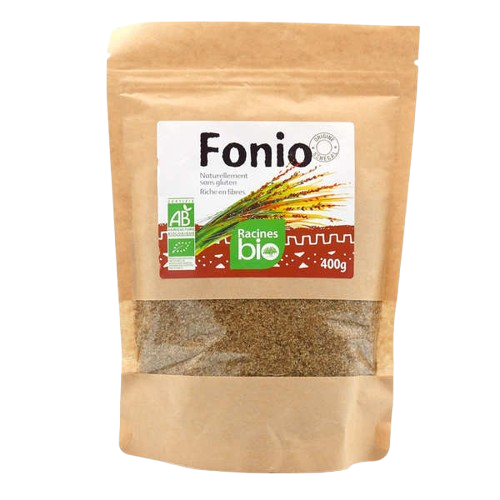
Fonio is an ancient West African cereal grain used in making porridge, pudding, and various sweet dishes. The calories in one fonio serving depend heavily on the portion size and variety, with a small serving of raw fonio (42.5g) containing 157 calories. A medium portion (85g) of fonio has 314 calories, while a large serving (170g) provides 627 calories. Raw white Fonio contains 369 calories per 100g, while Black Fonio offers 380 calories per 100g. Raw fonio grain contains 369 calories per 100g while cooked fonio has 120 calories. Yolele Fonio contains 160 calories per 45g serving and Aduna Fonio Super-Grain provides 176 calories per 50g.
An evaluation of fonio nutrition facts highlights a nutrient-dense food rich in sulfur-containing amino acids and minerals. A large serving of fonio supplies 138.2g of carbohydrates, 12.2g of protein, and 3.7g of dietary fiber. The mineral content is substantial, delivering 4.6mg of iron (26% DV) and 19.9mg of calcium (2% DV). The grain is particularly valued for high concentrations of methionine and cystine, sulfur-containing amino acids that facilitate tissue repair. Despite this density, the raw hull contains anti-nutrients like phytic acid and oxalates which bind to minerals and hinder absorption.
Global production for fonio centers on the Sahelian zone of West Africa, where the crop has thrived for over 5,000 years. Guinea leads the market, harvesting over 550,000 tonnes annually. The crop is historically referred to as "hungry rice" due to the ability to grow in nutrient-poor, sandy soils where other major cereals fail. Rising international demand has established fonio as a premium export commodity. Retail prices in the United States increased from a range of $6.00 to $8.00 per pound in 2017 to between $7.00 and $10.00 in 2024. This upward trend mirrors broader economic shifts, as the Consumer Price Index for cereals rose from 227.6 in 2017 to 286.7 in 2024. Restaurant pricing reflects this inflation, as a Fonio Salad at Ponty Bistro moved from $14.00 in 2016 to between $15.00 and $21.00 in 2024 / 2025.
Fonio is considered a nutritional powerhouse with a unique amino acid profile and low glycemic index. Nutritionists advise consuming the dense grain in moderation due to the high carbohydrate content. A large serving of fonio contains 627 calories, which can be burned by doing 63 minutes of running or 79 minutes of swimming.
Fonio nutrition
| Stats | Weight |
|---|---|
| Carbs | 81.3 grams |
| Protein | 7.17 grams |
| Fats | 1.69 grams |
| Sugars | 0 grams |
- Large Fonio Calories (Nutritional Facts)
- Medium Fonio Calories (Nutritional Facts)
- Small Fonio Calories (Nutritional Facts)
- White Fonio Calories (Nutritional Facts)
- Black Fonio Calories (Nutriona Facts)
- Raw Fonio Nutrition
- Sodium in Fonio
- Potassium in Fonio
- Sugar in Fonio
- Fiber in Fonio
- Protein in Fonio
- Carbs in Fonio
- Fat in Fonio
- Vitamins in Fonio
- Minerals in Fonio
Large Fonio Calories (Nutritional Facts)
A large serving of raw fonio (170g or 1 cup) contains 627 calories, 12.2g of protein, 2.9g of total fat, 138.2g of carbohydrates, 3.7g of dietary fiber, and 5.1mg of sodium.
A medium serving of raw fonio (85g or 0.5 cup) provides 314 calories, 6.1g of protein, 1.4g of total fat, 69.1g of carbohydrates, 1.9g of dietary fiber, and 2.6mg of sodium.
A small serving of raw fonio (42.5g or 0.25 cup) contains 157 calories, 3.1g of protein, 0.7g of total fat, 34.6g of carbohydrates, 0.9g of dietary fiber, and 1.3mg of sodium.
A serving of raw white fonio (100g or 3.5oz) contains 369 calories, 7.2g of protein, 1.7g of total fat, 81.3g of carbohydrates, 2.2g of dietary fiber, and 3mg of sodium. This variety, scientifically known as Digitaria exilis, represents the most commonly cultivated type in West Africa.
A serving of raw black fonio (100g or 3.5oz) contains 380 calories, 8.5g of protein, 2.5g of total fat, 82g of carbohydrates, 5.5g of dietary fiber, and 5mg of sodium. This variety, known as Digitaria iburua, offers a slightly denser nutritional profile with higher protein content compared to the white variety.
A serving of raw fonio (100g or 3.5oz) contains 369 calories, 7.2g of protein, 1.7g of total fat, 81.3g of carbohydrates, 2.2g of dietary fiber, 0g of sugar, and 3mg of sodium.
A large serving of raw fonio (170g) contains 5.1mg of sodium (0% DV). A medium serving of raw fonio (85g) has 2.6mg of sodium (0% DV). A small serving of raw fonio (42.5g) contains 1.3mg of sodium (0% DV). A serving of raw white fonio (100g) contains 3mg of sodium (0% DV).
A large serving of raw fonio (170g) contains 74.5mg of potassium (2% DV). A medium serving of raw fonio (85g) has 37.2mg of potassium (1% DV). A small serving of raw fonio (42.5g) contains 18.6mg of potassium (0% DV). A serving of raw white fonio (100g) provides 43.8mg of potassium (1% DV).
A large serving of raw fonio (170g) contains 0g of total sugar. A medium serving of raw fonio (85g) has 0g of sugar. A small serving of raw fonio (42.5g) contains 0g of sugar. A serving of raw white fonio (100g) provides 0g of sugar.
A large serving of raw fonio (170g) provides 3.7g of dietary fiber (13% DV). A medium serving of raw fonio (85g) has 1.9g of fiber (7% DV). A small serving of raw fonio (42.5g) contains 0.9g of fiber (3% DV). A serving of raw white fonio (100g) supplies 2.2g of fiber (8% DV).
A large serving of raw fonio (170g) provides 12.2g of protein (24% DV). A medium serving of raw fonio (85g) has 6.1g of protein (12% DV). A small serving of raw fonio (42.5g) contains 3.1g of protein (6% DV). A serving of raw white fonio (100g) supplies 7.2g of protein (14% DV).
A large serving of raw fonio (170g) contains 138.2g of carbohydrates (50% DV). A medium serving of raw fonio (85g) has 69.1g of carbohydrates (25% DV). A small serving of raw fonio (42.5g) contains 34.6g of carbohydrates (13% DV). A serving of raw white fonio (100g) contains 81.3g of carbohydrates (30% DV).
A large serving of raw fonio (170g) contains 2.9g of total fat (4% DV). A medium serving of raw fonio (85g) has 1.4g of total fat (2% DV). A small serving of raw fonio (42.5g) contains 0.7g of total fat (1% DV). A serving of raw white fonio (100g) contains 1.7g of total fat (2% DV).
A large serving of raw fonio (170g) provides 0mg of Vitamin C (0% DV) and 0mcg of Vitamin D (0% DV). A serving of raw white fonio (100g) supplies 0mg of Vitamin C and 0mcg of Vitamin D. While specific data for other vitamins is not listed in the provided profile, fonio is generally recognized for containing trace amounts of B-vitamins.
A large serving of raw fonio (170g) provides 4.6mg of iron (26% DV), 19.9mg of calcium (2% DV), and 158.4mg of phosphorus (13% DV). A medium serving of raw fonio (85g) has 2.3mg of iron (13% DV), 9.9mg of calcium (1% DV), and 79.2mg of phosphorus (6% DV). A small serving of raw fonio (42.5g) contains 1.1mg of iron (6% DV). A serving of raw white fonio (100g) supplies 2.7mg of iron (15% DV), 11.7mg of calcium (1% DV), and 93.2mg of phosphorus (7% DV).
Get a Custom Report on Fonio Nutrition Data – Contact Us!
What Are the Types of Fonio?
The types of fonio are White Fonio and Black Fonio, categorized by the species and the color of the grain. Distinctions between these varieties are detailed below.
| Type | Description | Calories (per 100g) | Calorie Qualifications |
|---|---|---|---|
|
White Fonio (Digitaria exilis)
|
The most common variety, featuring small, white grains with a mild, nutty flavor. | 369 | The standard calorie count reflects the high carbohydrate content of the endosperm. |
|
Black Fonio (Digitaria iburua)
|
A darker, slightly larger grain primarily grown in Nigeria and Togo. | 380 | The higher protein and fat content results in a slightly denser caloric profile compared to the white variety. |
|
Pre-cooked/Pearled Fonio
|
Grains that have been washed, steamed, and dried for quick preparation. | 360 | The processing removes some outer bran, slightly altering the density but maintaining similar energy values. |
What are Desserts With Fonio?
Fonio serves as a versatile base for puddings, porridges, and gluten-free baked goods, offering a texture similar to semolina or couscous. Dessert courses featuring this grain include the items listed here.
| Dish Name | Calories (Estimate per serving) | Type of Dessert | Carbs (g) (Estimate) | Sugar (g) (Estimate) | Protein (g) (Estimate) | Fat (g) (Estimate) | Cuisine | Restaurants |
|---|---|---|---|---|---|---|---|---|
|
Fonio Pudding
|
320 | Pudding | 45 | 22 | 6 | 12 | West African | Teranga (New York, NY) |
|
Sweet Fonio Porridge (Acha)
|
280 | Breakfast/Dessert | 50 | 18 | 5 | 6 | Nigerian | Lagos Spot (Newark, NJ) |
|
Fonio Mango Parfait
|
250 | Fruit Dessert | 40 | 25 | 4 | 8 | Senegalese | Ponty Bistro (New York, NY) |
|
Fonio Flour Cookies
|
180 | Cookie | 22 | 10 | 2 | 9 | Fusion | Yolele (Retail/Online) |
|
Coconut Fonio Cake
|
350 | Cake | 42 | 20 | 5 | 18 | Fusion | Bloom Cafe (Los Angeles, CA) |
|
Fonio Pancakes
|
290 | Breakfast Sweet | 38 | 8 | 7 | 10 | Modern African | Cafe Rue Dix (Brooklyn, NY) |
|
Fonio Chocolate Mousse
|
310 | Mousse | 35 | 22 | 6 | 15 | Fusion | Le Souk (New York, NY) |
|
Fonio Fruit Salad
|
160 | Salad | 32 | 18 | 3 | 1 | West African | Buka (Brooklyn, NY) |
|
Baked Fonio Custard
|
240 | Custard | 28 | 15 | 8 | 10 | Fusion | Pikine (New York, NY) |
|
Fonio Energy Balls
|
150 | Confection | 18 | 12 | 4 | 7 | Modern Health | Erewhon (Los Angeles, CA) |
What are the Main Dishes With Fonio?
Fonio functions as a rapid-cooking couscous alternative in savory salads, stews, and pilafs. The grain's fluffy texture absorbs sauces and spices effectively. Main course options using this ingredient are shown below.
| Dish Name | Calories (Estimate per serving) | Type of Dish | Carbs (g) (Estimate) | Sugar (g) (Estimate) | Protein (g) (Estimate) | Fat (g) (Estimate) | Cuisine | Restaurants |
|---|---|---|---|---|---|---|---|---|
|
Fonio Jollof
|
350 | Grain Entree | 60 | 6 | 8 | 10 | West African | Teranga (New York, NY) |
|
Fonio Pilaf
|
310 | Side Dish | 55 | 3 | 7 | 8 | Senegalese | Ponty Bistro (New York, NY) |
|
Fonio Salad (Djouka)
|
280 | Grain Salad | 45 | 4 | 9 | 12 | Malian | Joloff Restaurant (Brooklyn, NY) |
|
Fonio Balls (Dambou)
|
420 | Steamed Grain | 70 | 2 | 12 | 10 | Nigerien/Hausa | Mataheko (Queens, NY) |
|
Fonio with Peanut Sauce
|
550 | Stew | 50 | 6 | 22 | 30 | Guinean | Keube (New York, NY) |
|
Fonio Stuffed Peppers
|
320 | Vegetable Entree | 40 | 8 | 10 | 14 | Fusion | True Food Kitchen |
|
Shrimp and Fonio Grits
|
480 | Seafood Entree | 45 | 2 | 25 | 22 | Southern Fusion | The Cecil (New York, NY) |
|
Fonio Tabbouleh
|
220 | Salad | 35 | 2 | 5 | 10 | Fusion | Sweetgreen |
|
Chicken Yassa w/ Fonio
|
650 | Poultry Entree | 65 | 8 | 35 | 28 | Senegalese | La Savane (New York, NY) |
|
Fonio Buddha Bowl
|
400 | Grain Bowl | 55 | 5 | 15 | 16 | Modern Health | Chopt |
What Cuisines Prefer Fonio the Most?
Fonio functions as a staple food in the Sahel region of West Africa, specifically within Guinea, Senegal, Mali, and Nigeria. The chart below highlights food cultures where this ingredient is important.
| Cuisine | Dish | Types of Fonio Used | Calories (Estimate) | Restaurant |
|---|---|---|---|---|
|
Senegalese
|
Fonio Salad | White Fonio | 280 | Ponty Bistro (New York, NY) |
|
Guinean
|
Fonio a la Sauce Arachide | White Fonio | 550 | Keube (New York, NY) |
|
Malian
|
Djouka (Fonio & Peanut) | White Fonio | 450 | Joloff Restaurant (Brooklyn, NY) |
|
Nigerian (Hausa)
|
Tuwo Acha (Swallow) | White/Black Fonio | 300 | Buka (Brooklyn, NY) |
|
Togolese
|
Fonio Couscous | White Fonio | 350 | Aputumpu (New Jersey) |
|
Gambian
|
Fonio Porridge (Chakery) | White Fonio | 320 | Kairaba (Washington, D.C.) |
|
Burkinabe
|
Fonio Pilaf | White Fonio | 310 | Chez Nous (Houston, TX) |
|
Ivorian
|
Fonio with Fish | White Fonio | 480 | Bravo (New York, NY) |
|
American (Fusion)
|
Fonio Grain Bowl | White Fonio | 400 | Teranga (New York, NY) |
|
Nigerien
|
Dambou | White Fonio | 420 | Mataheko (Queens, NY) |
Which Countries Produce the Most Fonio?
The top producers of fonio are West African nations located in the Sahelian zone. Guinea dominates the global market, producing the majority of the world's supply, followed by Nigeria and Mali. The table below shows the estimated production of fonio in key countries over the last two decades.
| Country | 2003 | 2008 | 2013 | 2018 | 2019 | 2020 | 2021 | 2022 |
|---|---|---|---|---|---|---|---|---|
| Guinea | 250,000 | 300,000 | 400,000 | 480,000 | 500,000 | 520,000 | 530,000 | 550,000 |
| Nigeria | 70,000 | 75,000 | 80,000 | 85,000 | 88,000 | 90,000 | 92,000 | 95,000 |
| Mali | 30,000 | 35,000 | 45,000 | 55,000 | 60,000 | 62,000 | 65,000 | 68,000 |
| Burkina Faso | 15,000 | 18,000 | 22,000 | 28,000 | 30,000 | 32,000 | 34,000 | 36,000 |
| Cote d'Ivoire | 10,000 | 12,000 | 15,000 | 18,000 | 19,000 | 20,000 | 21,000 | 22,000 |
Which Countries Consume the Most Fonio?
The top consumers of fonio are the producing nations in West Africa, where the grain serves as a dietary staple and a ceremonial food. Consumption is growing in the United States and Europe due to the gluten-free market. The table below shows the estimated domestic supply and consumption trends.
| Country | 2003 | 2008 | 2013 | 2018 | 2019 | 2020 | 2021 | 2022 |
|---|---|---|---|---|---|---|---|---|
| Guinea | 240,000 | 290,000 | 380,000 | 450,000 | 470,000 | 480,000 | 490,000 | 500,000 |
| Nigeria | 68,000 | 73,000 | 78,000 | 83,000 | 85,000 | 87,000 | 89,000 | 91,000 |
| Mali | 28,000 | 33,000 | 42,000 | 52,000 | 56,000 | 58,000 | 60,000 | 63,000 |
| Burkina Faso | 14,000 | 17,000 | 21,000 | 27,000 | 29,000 | 31,000 | 33,000 | 35,000 |
| United States | 0 | 5 | 50 | 300 | 400 | 600 | 800 | 1,000 |
How Do Prices of Fonio-Including Dishes Change?
Restaurant pricing for fonio-based items has risen significantly, driven by the grain's emergence as a global superfood and broader economic factors. The table below displays the price changes for specific menu items.
| Brand/Restaurant | Dish | Old Price (Year) | Current Price (2024/2025) |
|---|---|---|---|
| Teranga (New York, NY) | Teranga Summer Bowl | $12.00 (2019) | $15.00 - $17.00 |
| Teranga (New York, NY) | West African Kale & Mango Salad Side | $5.00 (2019) | $7.00 - $8.00 |
| Ponty Bistro (New York, NY) | Fonio Salad | $14.00 (2016) | $15.00 - $21.00 |
| Buka (Brooklyn, NY) | Tuwo Acha (Side) | $14.00 (2015) | $15.00 - $18.00 |
What is the Fonio Calorie for 100 Grams?
A 100g serving of raw fonio contains 369 calories, while a 100g serving of cooked fonio provides approximately 120 calories due to water absorption.
What is the Fonio Calorie for 1 KG?
One kilogram (1000g) of raw fonio contains 3,690 calories, whereas one kilogram (1000g) of cooked fonio provides 1,200 calories.
What is the Calorie of 1 Fonio?
A single cup of raw fonio (170g) contains 627 calories. Commercial brands vary slightly, as a serving of Yolele Fonio (45g) contains 160 calories, while a serving of Aduna Fonio Super-Grain (50g) provides 176 calories.
What Are the Health Benefits of Fonio?
The nutritional profile of fonio supports tissue repair, immune function, and metabolic health through a unique composition of amino acids and digestible starches. Primary biological benefits associated with consumption are shown here.
- Supports Tissue Repair: The grain contains exceptionally high levels of methionine and cystine, sulfur-containing amino acids often lacking in major cereals like wheat and corn. A study by Temple, V. J., & Bassa, J. D. (1991), "Proximate chemical composition of 'Acha' (Digitaria exilis) grain," confirmed that fonio protein possesses a methionine content nearly double that of egg protein, which is essential for protein synthesis and liver function.
- Facilitates Digestion: The cereal is naturally gluten-free and highly digestible, making it suitable for individuals with celiac disease or sensitive stomachs. A review by Jideani, I. A. (1999), "Traditional and possible technological uses of Digitaria exilis (acha) and Digitaria iburua (iburu)," highlights that the starch properties and absence of gluten proteins allow for easy digestion and utilization by the body for energy.
- Regulates Energy Release: The carbohydrate structure of the grain includes resistant starches that support steady energy levels. Research by Jideani, I. A., & Akingbala, J. O. (1993), "Some physicochemical properties of acha (Digitaria exilis) and iburu (Digitaria iburua) grains," analyzed the starch granules and found properties that contribute to stable gelatinization, supporting sustained metabolic energy without rapid insulin spikes.
What Are the Downsides of Fonio?
The anti-nutrient content and high carbohydrate density of the food present specific health risks for individuals with mineral deficiencies or those managing caloric intake. Particular nutritional drawbacks are detailed here.
- Inhibits Mineral Absorption: The raw grain contains phytic acid, which binds to minerals like iron and zinc, reducing their bioavailability. A study by Koreissi-Dembélé, Y., et al. (2013), "Iron and Zinc Content and Bioavailability of Fermented Fonio (Digitaria exilis) Foods in Mali," found that while fonio is rich in minerals, the presence of phytates inhibits absorption unless the grain undergoes processing like fermentation or cooking. A safer alternative for those concerned about mineral uptake is White Rice. A suggested daily amount for individuals to maintain caloric balance is to limit consumption to one cooked cup (150g).
- High Caloric Density: The grain is energy-dense due to a high concentration of carbohydrates, which can lead to a caloric surplus if consumed in large quantities. Research by Ballogou, V. Y., et al. (2013), "Chemical composition and nutritional values of fonio (Digitaria exilis) flour used in bread making," established that carbohydrates constitute over 75% of the grain's mass, necessitating portion control for weight management.
Does Fonio Contain Anti-nutrients?
Yes, fonio contains anti-nutrients such as phytic acid and oxalates, which can interfere with the absorption of essential minerals. The hull and outer layers of the grain house these compounds. A study by Koreissi-Dembélé, Y., et al. (2013), "Iron and Zinc Content and Bioavailability of Fermented Fonio (Digitaria exilis) Foods in Mali," determined that phytate concentrations in the grain negatively impact the molar ratios of iron and zinc, reducing bioavailability. Research by Ballogou, V. Y., et al. (2013), "Chemical composition and nutritional values of fonio (Digitaria exilis) flour used in bread making," confirmed the presence of these anti-nutritional factors in fonio flour but noted that they exist in lower quantities compared to legumes. A review by Jideani, I. A. (1999), "Traditional and possible technological uses of Digitaria exilis (acha) and Digitaria iburua (iburu)," emphasized that traditional processing methods, such as washing, cooking, and fermentation, effectively reduce these compounds to safe levels for human consumption.
Is Fonio Good for You?
Yes, fonio is good for health because the ancient grain offers a vital source of sulfur-based amino acids, gluten-free energy, and essential minerals. The high content of methionine supports liver health and detoxification, a benefit highlighted by Temple, V. J., & Bassa, J. D. (1991), "Proximate chemical composition of 'Acha' (Digitaria exilis) grain." The absence of gluten makes the food a safe carbohydrate source for those with autoimmune dietary restrictions, as noted in the review by Jideani, I. A. (1999), "Traditional and possible technological uses of Digitaria exilis (acha) and Digitaria iburua (iburu)." The grain also aids in metabolic regulation due to unique starch properties that provide sustained energy. Research by Jideani, I. A., & Akingbala, J. O. (1993), "Some physicochemical properties of acha (Digitaria exilis) and iburu (Digitaria iburua) grains," supports the role of fonio as a functional food for maintaining stable energy levels.
How Do Calories Change According to Fonio Types?
The calorie count varies slightly between the two main species of the grain. A serving of White Fonio (Digitaria exilis) contains 369 calories per 100 grams, representing the standard energy density found in most commercial exports. Black Fonio (Digitaria iburua) presents a slightly higher profile at approximately 380 calories per 100 grams, a consequence of the higher protein and lipid content inherent to this species. Cooked Fonio contains approximately 120 calories per 100 grams, as the absorption of water during steaming or boiling triples the weight and dilutes the energy content significantly.
What is the Origin of Fonio?
The origin of fonio traces back over 5,000 years to the savannahs of West Africa, making the crop the oldest cultivated cereal on the continent. The Dogon people of Mali refer to the grain as po, or the "seed of the universe," believing the entire cosmos emerged from a single fonio grain. Ancient Egyptians utilized the grain for burial ceremonies, highlighting the spiritual significance. The crop thrived in poor, sandy soils where other major cereals failed, earning the nickname "hungry rice" for the ability to sustain populations during droughts and harvest gaps.
Explore More Grains
Discover more Grains with detailed nutrition facts, calorie counts, vitamins, minerals, and health benefits. Compare similar foods, serving sizes, macronutrients, and key nutrients to find the best option for your diet and nutrition goals.
 Amaranth calories
 Arborio Rice calories
 Arrowroot Powder calories
 Barley calories
 Basmati Rice calories
 Black Rice calories
 Brown Rice calories
 Buckwheat calories
 Bulgur Wheat calories
 Coconut Flour calories
 Cornmeal calories
 Cornstarch calories