Calories and Nutritions in Freekeh
Freekeh calories vary based on preparation. A 100 gram (3.53 ounce) serving of raw freekeh contains 353 calories while a 100 gram serving of cooked freekeh contains 117 calories. A one-cup (180g) serving of cooked freekeh has 211 calories. A recommended daily consumption for whole grains is 3-5 servings, and one cup of cooked freekeh provides two servings. Burning 211 calories (from one cup cooked freekeh) requires 35 minutes of jogging, 40 minutes of swimming, or 50 minutes of brisk walking.
Freekeh nutrition facts show a 100 gram serving of raw freekeh contains 12.5 grams of protein (25% Daily Value/DV), 2.5 grams of fat (3% DV), and 71 grams of carbohydrates (26% DV). The grain is an excellent source of dietary fiber with 13 grams (46% DV) and contains 2 grams of sugar. The freekeh nutrition profile includes key minerals like 3 milligrams of manganese (130% DV), 0.5 milligrams of copper (56% DV), 410 milligrams of phosphorus (33% DV), and 3.1 milligrams of zinc (28% DV). Important vitamins include 6.7 milligrams of niacin (42% DV), 0.36 milligrams of thiamin (30% DV), and 0.22 milligrams of vitamin B6 (13% DV). Freekeh benefits weight management through its high fiber and protein content, which supports satiety (Williams, P., et al., 2021, The Role of Freekeh in Health and Nutrition).
Freekeh is a key ingredient in many Middle Eastern dishes. Freekeh Pilaf is served at restaurants like Zaytinya in Washington, D.C. Shorbat Frik, a traditional soup, is on the menu at Tanoreen in Brooklyn, NY. Freekeh Salad is a popular offering at CAVA. The main types of freekeh are whole grain, which is the intact kernel, and cracked freekeh, which consists of broken pieces. Freekeh originated in the Eastern Mediterranean around 2300 B.C. Major consumers include Egypt, Saudi Arabia, and Jordan. The price of freekeh has increased over the last 20 years, mirroring global wheat price trends. Wheat prices reached peaks in 2008 and 2022, exceeding $9 per bushel. In the early 2000s, freekeh was a low-cost staple in the Middle East. Today, a one-pound (454g) package of freekeh in the United States costs between $7 and $12.
Freekeh nutrition
| Stats | Weight |
|---|---|
| Carbs | 45 grams |
| Protein | 9 grams |
| Fats | 0 grams |
| Sugars | 1 grams |
- Raw Freekeh Nutrition
- Sodium in Freekeh
- Potassium in Freekeh
- Sugar in Freekeh
- Fiber in Freekeh
- Protein in Freekeh
- Carbs in Freekeh
- Fat in Freekeh
- Vitamins in Freekeh
- Minerals in Freekeh
Raw Freekeh Nutrition
A 100g (3.5oz) serving of raw freekeh contains 353 calories, 12.5g of protein, 2.5g of fat, and 71g of carbohydrates. A quarter-cup (40g) serving of raw freekeh contains 141 calories, 5g of protein, 1g of fat, and 28g of carbohydrates. A one-cup (160g) serving of raw freekeh contains 565 calories, 20g of protein, 4g of fat, and 114g of carbohydrates.
A 100g serving of raw freekeh contains 2mg of sodium (0% DV). A quarter-cup (40g) serving of raw freekeh contains 1mg of sodium (0% DV). A one-cup (160g) serving of raw freekeh contains 3mg of sodium (0% DV). A 100g serving of cooked freekeh contains 5mg of sodium (0% DV). A quarter-cup (45g) serving of cooked freekeh contains 2mg of sodium (0% DV). A one-cup (180g) serving of cooked freekeh contains 9mg of sodium (0% DV).
A 100g serving of raw freekeh provides 431mg of potassium (9% DV). A quarter-cup (40g) serving of raw freekeh contains 172mg of potassium (4% DV). A one-cup (160g) serving of raw freekeh contains 690mg of potassium (15% DV). A 100g serving of cooked freekeh contains 140mg of potassium (3% DV). A quarter-cup (45g) serving of cooked freekeh contains 63mg of potassium (1% DV). A one-cup (180g) serving of cooked freekeh contains 252mg of potassium (5% DV).
A 100g serving of raw freekeh contains 2g of sugar. A quarter-cup (40g) serving of raw freekeh contains 0.8g of sugar. A one-cup (160g) serving of raw freekeh contains 3.2g of sugar. A 100g serving of cooked freekeh contains 0.5g of sugar. A quarter-cup (45g) serving of cooked freekeh contains 0.2g of sugar. A one-cup (180g) serving of cooked freekeh contains 0.9g of sugar.
A 100g serving of raw freekeh contains 13g of fiber (46% DV). A quarter-cup (40g) serving of raw freekeh provides 5.2g of fiber (19% DV). A one-cup (160g) serving of raw freekeh contains 20.8g of fiber (74% DV). A 100g serving of cooked freekeh contains 4.5g of fiber (16% DV). A quarter-cup (45g) serving of cooked freekeh contains 2g of fiber (7% DV). A one-cup (180g) serving of cooked freekeh contains 8.1g of fiber (29% DV).
A 100g serving of raw freekeh contains 12.5g of protein (25% DV). A quarter-cup (40g) serving of raw freekeh provides 5g of protein (10% DV). A one-cup (160g) serving of raw freekeh contains 20g of protein (40% DV). A 100g serving of cooked freekeh has 4.5g of protein (9% DV). A quarter-cup (45g) serving of cooked freekeh has 2g of protein (4% DV). A one-cup (180g) serving of cooked freekeh has 8.1g of protein (16% DV).
A 100g serving of raw freekeh contains 71g of carbohydrates (26% DV). A quarter-cup (40g) serving of raw freekeh has 28g of carbohydrates (10% DV). A one-cup (160g) serving of raw freekeh has 114g of carbohydrates (41% DV). A 100g serving of cooked freekeh contains 25g of total carbohydrates (9% DV). A quarter-cup (45g) serving of cooked freekeh contains 11g of carbohydrates (4% DV). A one-cup (180g) serving of cooked freekeh contains 45g of total carbohydrates (16% DV).
A 100g serving of raw freekeh contains 2.5g of fat (3% DV). A quarter-cup (40g) serving of raw freekeh has 1g of fat (1% DV). A one-cup (160g) serving of raw freekeh has 4g of fat (5% DV). A 100g serving of cooked freekeh contains 0.6g of total fat (1% DV). A quarter-cup (45g) serving of cooked freekeh contains 0.3g of fat (0% DV). A one-cup (180g) serving of cooked freekeh contains 1.1g of total fat (1% DV).
A 100g serving of raw freekeh contains 6.7mg of niacin (42% DV), 0.36mg of thiamin (30% DV), and 0.22mg of vitamin B6 (13% DV). A quarter-cup (40g) serving of raw freekeh provides 17% of the DV for niacin and 12% of the DV for thiamin. A one-cup (160g) serving of raw freekeh provides 67% of the DV for niacin and 48% of the DV for thiamin. A 100g serving of cooked freekeh provides 2.2mg of niacin (14% DV) and 0.1mg of vitamin B6 (6% DV). A quarter-cup (45g) serving of cooked freekeh provides 6% of the DV for niacin. A one-cup (180g) serving of cooked freekeh provides 4mg of niacin (25% DV) and 0.18mg of vitamin B6 (11% DV).
A 100g serving of raw freekeh contains 3mg of manganese (130% DV), 0.5mg of copper (56% DV), 410mg of phosphorus (33% DV), and 3.1mg of zinc (28% DV). A quarter-cup (40g) serving of raw freekeh contains 52% of the DV for manganese, 22% of the DV for copper, 13% of the DV for phosphorus, and 11% of the DV for zinc. A one-cup (160g) serving of raw freekeh contains 208% of the DV for manganese, 89% of the DV for copper, 53% of the DV for phosphorus, and 45% of the DV for zinc. A 100g serving of cooked freekeh provides 0.8mg of manganese (35% DV), 0.15mg of copper (17% DV), and 120mg of phosphorus (10% DV). A quarter-cup (45g) serving of cooked freekeh provides 16% of the DV for manganese. A one-cup (180g) serving of cooked freekeh provides 1.44mg of manganese (63% DV), 0.27mg of copper (30% DV), 216mg of phosphorus (17% DV), and 1.6mg of zinc (15% DV).
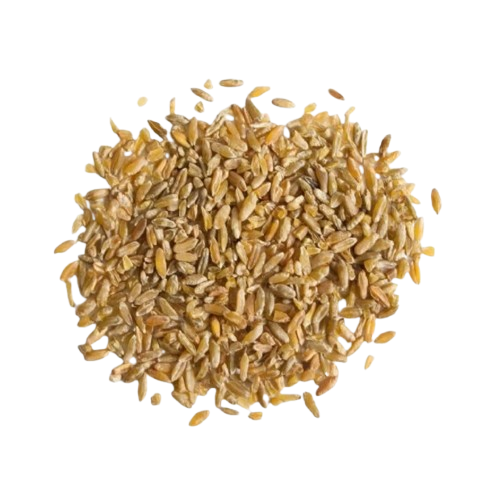
Get a Custom Report on Freekeh Nutrition Data – Contact Us!
What are the Types of Freekehs?
The types of Freekeh are whole grain freekeh and cracked freekeh. The table below details these common varieties and their characteristics.
| Type | Description | Calories (per 45g uncooked) | Calorie Qualifications |
|---|---|---|---|
|
Whole Grain Freekeh
|
The intact, whole kernels of roasted green wheat. This type has a chewier texture and requires a longer cooking time. | 160 | The complete grain retains the highest levels of fiber and nutrients. Calorie content is standard for the whole grain. |
|
Cracked Freekeh
|
Whole freekeh grains that have been broken into smaller pieces. This results in a quicker cooking time and a softer texture. | 160 | The calorie count is the same as whole freekeh per serving. The main difference is in texture and cooking duration. |
What are the Main Dishes with Freekeh?
Freekeh is a foundational ingredient in many main dishes, particularly within Levantine and North African cuisines, where the grain's smoky flavor is highly valued. The table below details staple main dishes that use freekeh.
| Dish Name | Calories (Estimate per serving) | Type of Freekeh Used | Carbs (g) (Estimate) | Sugar (g) (Estimate) | Protein (g) (Estimate) | Fat (g) (Estimate) | Cuisine | Restaurants |
|---|---|---|---|---|---|---|---|---|
|
Freekeh Pilaf with Chicken or Lamb
|
450-650 | Cracked or Whole Freekeh | 45-60 | 2-5 | 30-45 | 15-25 | Middle Eastern, Levantine | Zaytinya (Washington, D.C.), Al-Amir Restaurant (Portland, OR) |
|
Shorbat Frik (Freekeh Soup)
|
250-400 | Cracked Freekeh | 30-45 | 3-6 | 15-25 | 8-15 | North African, Palestinian | Tanoreen (Brooklyn, NY), Reem's California (San Francisco, CA) |
|
Freekeh Salad
|
300-500 | Cracked or Whole Freekeh | 35-50 | 5-10 | 10-15 | 12-20 | Mediterranean, Modern Health | CAVA (national chain), Mamoun's Falafel (New York, NY) |
|
Kufta with Freekeh
|
400-600 | Cracked or Whole Freekeh | 40-55 | 2-5 | 25-35 | 18-28 | Palestinian, Jordanian | Beit Rima (San Francisco, CA) |
What are the Desserts with Freekeh?
Desserts featuring freekeh are less common than savory dishes but offer a unique, nutty flavor and chewy texture. These creations often adapt traditional recipes by substituting freekeh for other grains. The table below details some dessert preparations involving freekeh.
| Dish Name | Calories (Estimate per serving) | Type of Freekeh Used | Carbs (g) (Estimate) | Sugar (g) (Estimate) | Protein (g) (Estimate) | Fat (g) (Estimate) | Cuisine | Restaurants |
|---|---|---|---|---|---|---|---|---|
|
Freekeh Pudding
|
300-450 | Cracked Freekeh | 50-70 | 25-40 | 8-12 | 5-10 | Modern, Fusion | This dish is not a standard menu item at specific restaurants. |
|
Freekeh Porridge with Fruit & Nuts
|
350-500 | Cracked or Whole Freekeh | 60-80 | 20-35 | 10-15 | 8-15 | Modern Health, Fusion | This dish is not a standard menu item at specific restaurants. |
|
Freekeh Coffee Cake
|
400-550 | Freekeh Flour (ground from cracked) | 55-75 | 30-45 | 6-9 | 18-25 | Modern Baking | This dish is not a standard menu item at specific restaurants. |
What Cuisines Prefer Freekeh the Most?
Freekeh is indispensable in many Middle Eastern, Levantine, and North African culinary traditions. The grain's unique smoky flavor and hearty texture make it a staple in these regions. The table below details cuisines where freekeh's role is foundational.
| Cuisine | Dish | Types of Freekeh Used | Calories (Estimate) | Restaurant(s) |
|---|---|---|---|---|
|
Palestinian
|
Shorbat Frik (Freekeh Soup) | Cracked Freekeh | 250-400 | Tanoreen (Brooklyn, NY), Reem's California (San Francisco, CA) |
|
Turkish
|
Firik Pilavı (Freekeh Pilaf) | Cracked Freekeh | 400-600 | Zaytinya (Washington, D.C.) |
|
Syrian
|
Freekeh with Lamb | Cracked or Whole Freekeh | 450-650 | Al-Amir Restaurant (Portland, OR) |
|
Jordanian
|
Freeket Lahma (Pilaf with roasted lamb) | Cracked or Whole Freekeh | 450-650 | Beit Rima (San Francisco, CA) |
Which Countries Produce the Most Freekehs?
The top producers of wheat, which is the main component of freekeh, are located in regions with historical and agricultural ties to the grain. Turkey, Egypt, and Syria are key producers in the Middle East and North Africa, where freekeh originates. The table below shows the production quantity of wheat for these leading countries from 2005 to 2022.
| Country | 2005 | 2006 | 2007 | 2008 | 2009 | 2010 | 2011 | 2012 | 2013 | 2014 | 2015 | 2016 | 2017 | 2018 | 2019 | 2020 | 2021 | 2022 |
|---|---|---|---|---|---|---|---|---|---|---|---|---|---|---|---|---|---|---|
| Turkey | 21,000,000 | 19,000,000 | 17,050,000 | 17,760,000 | 20,500,000 | 19,674,000 | 21,800,000 | 20,100,000 | 22,050,000 | 19,000,000 | 22,600,000 | 20,600,000 | 21,500,000 | 20,000,000 | 19,000,000 | 20,500,000 | 17,650,000 | 19,750,000 |
| Egypt | 8,112,000 | 8,274,000 | 7,380,000 | 7,998,000 | 8,500,000 | 7,200,000 | 8,400,000 | 9,500,000 | 9,460,000 | 9,300,000 | 9,600,000 | 8,100,000 | 8,450,000 | 8,800,000 | 9,000,000 | 9,100,000 | 9,000,000 | 9,700,000 |
| Syria | 4,900,000 | 4,000,000 | 3,300,000 | 2,000,000 | 2,500,000 | 4,000,000 | 4,000,000 | 2,400,000 | 2,400,000 | 1,900,000 | 2,400,000 | 2,200,000 | 1,800,000 | 1,200,000 | 2,200,000 | 2,800,000 | 2,300,000 | 1,700,000 |
Which Countries Consume the Most Freekehs?
The top consumers of wheat, the main component of freekeh, are concentrated in the Middle East and North Africa, where the grain is a dietary staple. Egypt, Saudi Arabia, and Jordan are major importers of wheat, reflecting high domestic consumption. The table below shows the import quantity of wheat for these top consuming regions from 2005 to 2022.
| Country/Region | 2005 | 2006 | 2007 | 2008 | 2009 | 2010 | 2011 | 2012 | 2013 | 2014 | 2015 | 2016 | 2017 | 2018 | 2019 | 2020 | 2021 | 2022 |
|---|---|---|---|---|---|---|---|---|---|---|---|---|---|---|---|---|---|---|
| Egypt | 6,500,000 | 7,400,000 | 7,100,000 | 8,600,000 | 10,000,000 | 10,000,000 | 9,700,000 | 11,200,000 | 10,400,000 | 10,100,000 | 11,000,000 | 11,500,000 | 12,000,000 | 12,500,000 | 12,800,000 | 13,200,000 | 11,000,000 | 10,000,000 |
| Saudi Arabia | 1,700,000 | 1,800,000 | 1,900,000 | 2,000,000 | 2,100,000 | 2,200,000 | 2,500,000 | 2,800,000 | 3,000,000 | 3,200,000 | 3,500,000 | 3,600,000 | 3,400,000 | 3,300,000 | 2,500,000 | 2,700,000 | 3,800,000 | 4,500,000 |
| Jordan | 800,000 | 850,000 | 900,000 | 950,000 | 1,000,000 | 1,100,000 | 1,150,000 | 1,200,000 | 1,250,000 | 1,300,000 | 1,350,000 | 1,400,000 | 1,450,000 | 1,500,000 | 1,550,000 | 1,600,000 | 1,200,000 | 1,100,000 |
How Do Prices of Freekeh-including Dishes Change?
The menu prices of dishes that include freekeh have risen over the past decade. This change reflects increases in ingredient costs, labor, and restaurant overhead. Restaurants specializing in Middle Eastern cuisine show this trend in their pricing for signature freekeh dishes.
| Restaurant | Dish | Old Price | Current Price (2024/2025) |
|---|---|---|---|
| Tanoreen | Freekeh with Chicken | $22.00 (2013) | $25.00 - $32.00 |
| Beit Rima | Gazan Braised Lamb Shank (Lamb Shank with Freekeh) | $24.00 (2019) | $30.00 - $33.00 |
| Al-Amir Restaurant | Freekeh with Lamb | $18.95 (2015) | $26.00 - $30.00 |
What is the Freekeh Calorie for 100 Grams?
A 100-gram serving of raw freekeh contains 353 calories. A 100-gram serving of cooked freekeh contains 117 calories.
What is the Freekeh Calorie for 1 KG?
One kilogram of raw freekeh contains 3,530 calories. One kilogram of cooked freekeh contains 1,170 calories.
What is the Calorie of 1 Freekeh?
One single grain of raw freekeh contains 0.14 calories. A standard serving of raw freekeh is a quarter-cup (40g), which contains 141 calories. A standard one-cup (180g) serving of cooked freekeh contains 211 calories.
What are the Health Benefits of Freekeh?
Freekeh offers several health benefits, largely due to high fiber content, a low glycemic index, and a rich nutrient profile. The list below details some of the key health advantages of consuming freekeh.
- Supports Digestive Health Freekeh is an excellent source of fiber and prebiotics, which are beneficial for digestive health. Fiber adds bulk to stool, promoting regularity, while prebiotics nourish beneficial gut bacteria. Consumption of freekeh improved markers of bowel health, including an increase in beneficial bacteria (CSIRO, 2013, Freekeh, a novel cereal, improves bowel health).
- Aids in Weight Management The high protein and fiber content in freekeh can increase feelings of fullness and satiety, which may help with weight management. Fiber moves slowly through the digestive tract, and some research indicates that increasing fiber intake can promote weight loss. The composition of the grain supports satiety (Williams, P., Grafenauer, S., & O'Shea, M., 2021, The Role of Freekeh in Health and Nutrition).
- Promotes Eye Health Freekeh contains the antioxidants lutein and zeaxanthin, which are important for eye health and may help protect against age-related macular degeneration. Australian-grown freekeh contains notable levels of both lutein and zeaxanthin (Humphries, J. M., & Khachik, F., 2003, Distribution of Lutein, Zeaxanthin, and Related Geometrical Isomers in Fruit, Vegetables, Wheat, and Pasta Products).
- Low Glycemic Index Freekeh has a low glycemic index, meaning the grain causes a slower, more gradual rise in blood sugar levels compared to refined grains. The low glycemic index makes freekeh a suitable carbohydrate choice for managing blood sugar levels. A low GI diet can be beneficial for diabetes management, and international tables confirm freekeh's low GI value of 43 (Atkinson, F. S., Foster-Powell, K., & Brand-Miller, J. C., 2008, International Tables of Glycemic Index and Glycemic Load Values: 2008).
What are the Downsides of Freekeh?
Freekeh is a nutritious grain, yet some considerations exist for certain individuals. The list below shows some of the potential disadvantages of including freekeh in a diet.
- Contains Gluten Since freekeh is a product of wheat, the grain contains gluten. The gluten content makes freekeh unsuitable for individuals with celiac disease, non-celiac gluten sensitivity, or a wheat allergy. Exposure to ancient wheat varieties still triggers the autoimmune response in people with celiac disease (Collyer, T. A., et al., 2020, T-cell reactivity to an ancient wheat variety in celiac disease).
- High in FODMAPs Freekeh is high in fructans, which are a type of FODMAP (fermentable oligosaccharides, disaccharides, monosaccharides, and polyols). For individuals with Irritable Bowel Syndrome (IBS) or a sensitivity to FODMAPs, consuming freekeh can cause digestive symptoms like bloating, gas, and discomfort. Fructans, rather than gluten, have been identified as a potential trigger for gastrointestinal symptoms in some individuals with sensitivities (Biesiekierski, J. R., et al., 2013, No effects of gluten in patients with self-reported non-celiac gluten sensitivity after dietary reduction of fermentable, poorly absorbed, short-chain carbohydrates).
- Contains Phytic Acid Like other whole grains, freekeh contains phytic acid, an antinutrient that can bind to minerals like iron and zinc in the gut and reduce absorption. The roasting process of freekeh may reduce some of the phytic acid content, but the presence of phytic acid is still a factor to consider, particularly for individuals at risk of mineral deficiencies. This interaction is explained by research on the effects of phytic acid on mineral bioavailability (Hurrell, R. F., & Egli, I., 2010, Iron bioavailability and dietary reference values).
Individuals who need to avoid freekeh due to gluten content can use quinoa and brown rice as suitable gluten-free alternatives. People sensitive to FODMAPs may find rice to be a better-tolerated grain. A daily suggested amount for whole grain consumption is at least three to five servings, where one serving is equivalent to a half-cup of cooked grain.
Are Freekehs Good for You?
Yes, freekeh is a good food choice for many because this nutrient-dense whole grain offers multiple health advantages. For heart health, the high fiber content helps lower cholesterol, and the grain's low glycemic index supports stable blood sugar, a key factor in cardiovascular wellness (Atkinson, F. S., et al., 2008, International Tables of Glycemic Index and Glycemic Load Values: 2008). For digestive health, freekeh is a rich source of fiber and prebiotics, which promote the growth of beneficial gut bacteria and support regular bowel movements. Freekeh consumption improved markers of bowel health (CSIRO, 2013, Freekeh, a novel cereal, improves bowel health). The grain’s composition also supports satiety, which can aid in weight management and overall metabolic health (Williams, P., et al., 2021, The Role of Freekeh in Health and Nutrition).
Is Freekeh Gluten-Free?
No, freekeh is not gluten-free. Freekeh is made from young, green durum wheat, and all wheat products contain the protein gluten, making the grain unsafe for individuals with celiac disease or a non-celiac gluten sensitivity. Celiac disease is an immune reaction to eating gluten, a protein found in wheat, barley, and rye (Fasano, A., & Catassi, C., 2012, Celiac Disease). Research has confirmed that ancient strains of wheat are not safe for people with this condition. Both ancient and modern wheat varieties trigger an immune response in individuals with celiac disease (Collyer, T. A., et al., 2020, T-cell reactivity to an ancient wheat variety in celiac disease). The specific proteins in wheat, including gliadins and glutenins, are what cause the adverse reaction, and these are present in all wheat varieties, including the durum wheat used for freekeh (Biesiekierski, J. R., 2017, What is gluten?).
How Does Calorie Change According to Freekeh Types?
The calorie content of freekeh does not change between the different types, as both whole and cracked freekeh are derived from the same roasted green wheat. A standard 45-gram serving of either whole or cracked uncooked freekeh contains 160 calories. The primary difference between the two types is the texture and the cooking time, not the nutritional or caloric value. Cracked freekeh is simply the whole grain broken into smaller pieces, which allows the grain to cook faster. There is no highest or lowest calorie option when choosing between whole and cracked freekeh. The caloric intake is determined by the portion size consumed.
What is the Glycemic Index of Freekeh?
Freekeh has a low glycemic index with a definitive value of 43. The glycemic index ranks foods on a scale from 0 to 100 based on how much they raise blood sugar levels after eating. A low GI is 55 or less, making freekeh a suitable carbohydrate for individuals managing blood sugar levels, including those with diabetes. The low GI value is attributed to the high fiber and protein content of the grain, which slows down the absorption of sugar into the bloodstream. Research confirms this classification, with international tables of glycemic index values listing freekeh as a low GI food, supporting use in diets aimed at blood sugar control.
Is Freekeh a Good Substitute for Rice?
Yes, freekeh is a good substitute for rice, particularly for individuals seeking a more nutrient-dense option. Nutritionally, freekeh is superior to white rice and even brown rice. Compared to brown rice, freekeh has more protein, up to four times the fiber, and a lower glycemic index. A quarter-cup of dry freekeh provides 5 grams of protein and 4.5 grams of fiber. This high fiber and protein content makes freekeh more satiating, which can help with weight management. The grain's nutty, smoky flavor and chewy texture also offer a different culinary experience than rice, working well in pilafs, salads, and soups.
What is the Origin of Freekeh?
The origin of freekeh dates back to 2300 B.C. in the Eastern Mediterranean. The discovery was accidental, occurring when a village under attack had fields of young, green wheat set ablaze. The villagers, in an attempt to salvage their crops, rubbed away the burnt chaff and discovered that the roasted kernels inside were not only edible but had a distinctively smoky and nutty flavor. This process of rubbing the grain gave the food its name. "Freekeh" (or farik) derives from the Arabic word for "to rub." This ancient grain became a staple in Levantine and North African cuisines due to a long shelf life and nutritional value.
Historically, freekeh was used in a variety of dishes, from soups in Tunisia to pilafs in Syria and as a stuffing for pigeon in Egypt, a celebratory dish known as hamam mahshi. The grain is mentioned in early thirteenth-century Baghdad cookbooks and has a possible reference in the Hebrew Bible, highlighting a long history in the region.
Explore More Grains
Discover more Grains with detailed nutrition facts, calorie counts, vitamins, minerals, and health benefits. Compare similar foods, serving sizes, macronutrients, and key nutrients to find the best option for your diet and nutrition goals.
 Amaranth calories
 Arborio Rice calories
 Arrowroot Powder calories
 Barley calories
 Basmati Rice calories
 Black Rice calories
 Brown Rice calories
 Buckwheat calories
 Bulgur Wheat calories
 Coconut Flour calories
 Cornmeal calories
 Cornstarch calories