Calories and Nutritions in Grapes
Calories in grapes vary based on serving size and type. A serving of 100 gram raw seedless grapes contains 69 calories (3% DV), while one cup of grapes (151g) provides 104 calories (5% DV). One large seedless grape (6 grams) contains 4 calories. A 100g serving of grapes provides 18.1g carbohydrates, 0.72g protein, 0.16g fat, 0.9g fiber (3% DV), 14.6µg Vitamin K (12% DV), 3.2mg Vitamin C (4% DV), 191mg Potassium (4% DV), and 0.127mg Copper (14% DV). Grapes nutrition facts highlight the antioxidants content like resveratrol which improve and support health with regular consumption (Xia EQ, 2010). Grape nutrition benefits include antioxidant protection from compounds like resveratrol, support for heart health via potassium and antioxidants, potential brain function benefits, and aid in blood sugar control due to a low-moderate glycemic index.
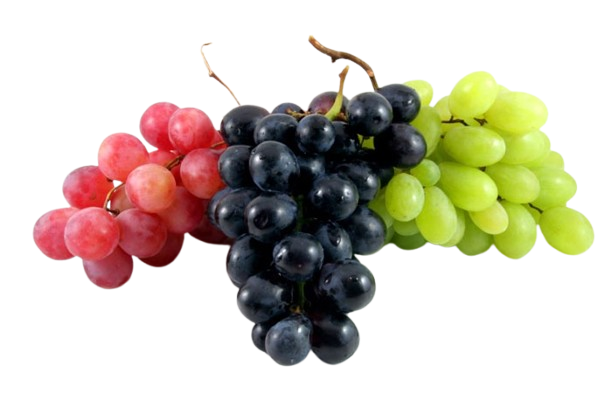
Common grape types include Green Seedless (Thompson), Red Seedless (Crimson), Black/Purple Seedless (Autumn Royal), Concord, specialty types like Cotton Candy, and Dried Grapes (Raisins). China, Italy, the United States, Spain, and France are the leading grape producers, while China, the US, and Italy lead grape consumption, including grapes used for wine. US retail prices for fresh grapes reached $2.50-$3.00 per pound in recent years, influenced by weather, production costs, and demand.
Grapes appear in desserts and main dishes including Grape Tart, Waldorf Salad, and Roasted Chicken with Grapes at restaurants such as Zahav, Eataly, and the Waldorf Astoria hotel. The Dietary Guidelines for Americans suggest adults consume 1.5 to 2 cups of fruit daily. One cup of grapes (151g) counts as a serving, providing 104 calories. Burning 104 calories requires 15 minutes of jogging or 25 minutes of brisk walking.
Grapes nutrition
| Stats | Weight |
|---|---|
| Carbs | 18.6 grams |
| Protein | 0.899 grams |
| Fats | 0.232 grams |
| Sugars | 0 grams |
- Large Grapes Calories (Nutritional Facts)
- Small Grapes Calories (Nutritional Facts)
- Seedless Grapes Calories
- Calories in Grapes with Skin
- Sugar in Grapes
- Fiber in Grapes
- Protein in Grapes
- Carbs in Grapes
- Fat in Grapes
- Vitamins in Grapes
- Minerals in Grapes
Large Grapes Calories (Nutritional Facts)
Calories in one large green seedless grape ( 6g or 0.2oz) amount to 4 calories, 0.04g of protein, 0.01g of fat, and 1.09g of carbohydrates. Calories in large grapes (red seedless) amount to 4 calories per grape, 0.04g of protein, 0.01g of fat, and 1.09g of carbohydrates.
One small green seedless grape (2.5g) contains 2 calories, 0.02g of protein, 0.004g of fat, and 0.45g of carbohydrates. One small red seedless grape (estimated 2.5g) contains 2 calories, 0.02g of protein, 0.004g of fat, and 0.45g of carbohydrates.
Red and green seedless grapes nutrition for a 100g serving includes 69 calories, 0.72g of protein, 0.16g of fat, and 18.1g of carbohydrates. One cup of seedless grapes (151g or 5.3oz) contains 104 calories, 1.09g of protein, 0.24g of fat, and 27.33g of carbohydrates. One regular sized seedless grape (5g or 0.18oz) contains 3 calories, 0.04g of protein, 0.01g of fat, and 0.91g of carbohydrates.
A 100g (3.5oz) serving of raw seedless grapes with skin (green or red/purple) contains 69 calories, 0.72g of protein, 0.16g of fat, and 18.1g of carbohydrates. One cup of seedless grapes with skin (151g or 5.3oz) contains 104 calories, 1.09g of protein, 0.24g of fat, and 27.33g of carbohydrates. One seedless grape with skin (5g or 0.18oz) contains 3 calories, 0.04g of protein, 0.01g of fat, and 0.91g of carbohydrates.
Raw seedless grapes (green, red or purple) contain 15.48g of sugar per 100g (3.5oz). One cup of seedless grapes (151g or 5.3oz) contains 23.37g of sugar. One large seedless grape (6g or 0.2oz) contains 0.93g of sugar. One small seedless grape (2.5g or 0.09oz) contains 0.39g of sugar. One seedless grape (5g or 0.18oz) contains 0.77g of sugar.
Raw seedless grapes (green or red/purple) contain 0.9g of fiber per 100g (3.5oz), providing 3%DV. One cup of seedless grapes (151g or 5.3oz) contains 1.4g of fiber (5%DV). One large seedless grape (6g or 0.2oz) contains 0.05g of fiber (0%DV). One small seedless grape (2.5g or 0.09oz) contains 0.02g of fiber (0%DV). One seedless grape (5g or 0.18oz) contains 0.05g of fiber (0%DV).
Raw seedless grapes contain 0.72g protein per 100g (3.5oz). One cup of seedless grapes (151g or 5.3oz) contains 1.09g of protein. One large seedless grape (6g or 0.2oz) contains 0.04g of protein. One small seedless grape (2.5g or 0.09oz) contains 0.02g of protein. One seedless grape (5g or 0.18oz) contains 0.04g of protein.
Raw seedless grapes (green or red/purple) contain 18.1g of carbohydrates per 100g (3.5oz). One cup of seedless grapes (151g or 5.3oz) contains 27.33g of carbohydrates. One large seedless grape (6g or 0.2oz) contains 1.09g of grapes carbs. One small seedless grape (2.5g or 0.09oz) contains 0.45g of carbohydrates. One seedless grape (5g or 0.18oz) contains 0.91g of carbohydrates.
Raw seedless grapes contain 0.16g of fat per 100g (3.5oz). One cup of seedless grapes (151g) contains 0.24g of grape fat. One large seedless grape (6g or 0.2oz) contains 0.01g of fat. One small seedless grape (2.5g or 0.09oz) contains 0.004g of fat. One seedless grape (5g or 0.18oz) contains 0.01g of fat.
A 100g (3.5oz) serving of raw seedless grapes (green or red/purple) provides 14.6µg of Vitamin K (12%DV) and 3.2mg of Vitamin C (4%DV). One cup of seedless grapes (151g or 5.3oz) provides 22µg of Vitamin K (18%DV) and 4.8mg of Vitamin C (5%DV). One large seedless grape (6g or 0.2oz) provides 0.9µg of Vitamin K (1%DV) and 0.2mg of Vitamin C (0%DV). One small seedless grape (2.5g or 0.09oz) provides 0.4µg of Vitamin K (0%DV) and 0.1mg of Vitamin C (0%DV). One seedless grape (5g or 0.18oz) provides 0.7µg of Vitamin K (1%DV) and 0.16mg of Vitamin C (0%DV).
A 100g (3.5oz) serving of raw seedless grapes (green or red/purple) contains 191mg of Potassium (4%DV) and 0.127mg of Copper (14%DV). One cup of seedless grapes (151g or 5.3oz) contains 288mg of Potassium (6%DV) and 0.192mg of Copper (21%DV). One large seedless grape (6g or 0.2oz) contains 11mg of Potassium (0%DV) and 0.008mg of Copper (1%DV). One small seedless grape (2.5g or 0.09oz) contains 5mg of Potassium (0%DV) and 0.003mg of Copper (0%DV). One seedless grape (5g or 0.18oz) contains 10mg of Potassium (0%DV) and 0.006mg of Copper (1%DV).
Get a Custom Report on Grapes Nutrition Data – Contact Us!
What are the Types of Grapes?
The types of grapes to eat are Green Seedless (e.g., Thompson Seedless, Sugraone), Red Seedless (e.g., Crimson Seedless, Flame Seedless), Black/Purple Seedless (e.g., Autumn Royal), Concord Grapes (dark purple, seeded, distinct flavor), Cotton Candy Grapes (specialty green seedless, very sweet), and Dried Grapes (Raisins). The table below outlines seedless grapes benefits, characteristics and calorie information:
| Type | Description | Calories (per 100g / 3.5oz) | Calorie Qualifications |
|---|---|---|---|
|
Green Seedless Grapes
|
Light green skin, translucent flesh, mild sweet flavor. | 69 | Represents the calorie count for common fresh green seedless varieties. Provide antioxidants and hydration benefits at a moderate calorie level. |
|
Red/Purple Seedless Grapes
|
Red to deep purple skin, translucent flesh, slightly bolder sweet flavor. | 69 | Represents the calorie count for common fresh red/purple seedless varieties. Offer higher levels of antioxidants like resveratrol, contributing to heart health benefits. |
|
Concord Grapes
|
Dark blue/purple thick skin (slip-skin), seeded, strong "grapey" flavor, often used for juice/jelly. | 62 | Slightly lower calorie count than table grapes per 100g. High in polyphenols, contributing to antioxidant benefits. |
|
Cotton Candy Grapes
|
Green seedless specialty variety bred for exceptionally sweet, cotton candy-like flavor. | 90-100 | Higher calorie count due to significantly higher natural sugar concentration compared to standard table grapes. Primarily enjoyed for flavor. |
|
Dried Grapes (Raisins)
|
Grapes (Thompson Seedless) that have been dried. | 299 | Significantly higher calorie density results from water removal and the concentration of sugars, fiber, and minerals like iron. |
What are Desserts with Grapes?
The desserts that feature grapes, showcasing the fruit's sweetness and texture, are listed below:
| Dish Name | Calories (Estimate per serving) | Type of Grapes Used | Carbs (g) (Estimate) | Sugar (g) (Estimate) | Protein (g) (Estimate) | Fat (g) (Estimate) | Cuisine | Restaurants (Seasonal) |
|---|---|---|---|---|---|---|---|---|
|
Grape Tart/Galette
|
350-500 | Seedless Grapes (any color) | 40-65 | 25-40 | 3-6 | 15-25 | French/American | Tartine Bakery, Blue Hill at Stone Barns |
|
Roasted Grapes w/ Cheese/Yogurt
|
200-350 | Seedless Grapes (any color) | 25-40 | 20-35 | 5-10 (w/ cheese) | 8-18 (w/ cheese) | American/Mediter. | Gramercy Tavern, Zahav |
|
Grape Sorbet/Granita
|
120-200 | Concord or Seedless Grapes | 30-50 | 25-45 | <1 | <1 | Italian | Grom, Otto Enoteca Pizzeria |
|
Schiacciata con l'uva
|
250-400 (per slice) | Concord or Wine Grapes | 45-60 | 15-25 | 5-8 | 5-10 | Italian (Tuscan) | Eataly, Sullivan Street Bakery |
|
Grape Pie
|
400-600 (per slice) | Concord Grapes | 60-80 | 40-55 | 3-5 | 18-28 | American | Monica's Pies, Arbor Hill Grapery & Winery |
|
Ambrosia Salad (some versions)
|
250-400 | Seedless Grapes | 30-50 | 25-45 | 2-4 | 10-20 | American (Southern) | Piccadilly Cafeteria, Arnold's Country Kitchen, Cracker Barrel |
What are the Main Dishes with Grapes?
The main dishes that incorporate grapes to add sweetness and moisture, are listed below:
| Dish Name | Calories (Estimate per serving) | Type of Grapes Used | Carbs (g) (Estimate) | Sugar (g) (Estimate) | Protein (g) (Estimate) | Fat (g) (Estimate) | Cuisine | Restaurants (Seasonal) |
|---|---|---|---|---|---|---|---|---|
|
Chicken Marbella
|
500-700 | Green Seedless Grapes | 20-35 | 15-25 | 40-60 | 25-40 | American/Jewish | Domi Restaurants |
|
Waldorf Salad
|
350-550 | Red Seedless Grapes | 25-40 | 20-35 | 5-15 | 20-35 | American | Waldorf Astoria hotel, Peacock Alley |
|
Roasted Pork/Chicken w/ Grapes
|
500-750 | Seedless Grapes (any color) | 15-30 | 10-20 | 40-60 | 25-45 | French/Italian/Am | Gramercy Tavern, Bunch of Grapes |
|
Sausage and Grapes
|
550-800 | Seedless Grapes (any color) | 10-20 | 8-15 | 25-40 | 35-55 | Italian/American | Al Forno, Lidia's Kansas City |
|
Ajo Blanco (Spanish Cold Soup)
|
250-400 (per bowl) | Green Seedless (often garnish) | 15-25 | 5-10 | 8-12 | 15-25 | Spanish | Ajo Blanco restaurant (Malaga, Spain) |
What Cuisines Prefer Grapes the Most?
Grapes, cultivated for millennia, hold importance in Mediterranean, European, and American cuisines for wine and culinary uses. The table below details cuisines where grapes appear in dishes:
| Cuisine | Dish | Types of Grapes Used | Calories (Estimate per serving) | Restaurant(s) |
|---|---|---|---|---|
|
Italian
|
Schiacciata con l'uva (Grape Focaccia) | Concord or Wine Grapes | 250-400 (slice) | Eataly, Sullivan Street Bakery |
|
Italian
|
Sausage and Grapes | Seedless Grapes | 550-800 | Al Forno (Providence, RI), Lidia's Kansas City (seasonal variation), Don Angie |
|
French
|
Roasted Chicken w/ Grapes | Seedless Grapes | 500-750 | Balthazar |
|
Spanish
|
Ajo Blanco (Cold Almond Garlic Soup) | Green Seedless (garnish) | 250-400 (bowl) | Barcelona Wine Bar |
|
American
|
Waldorf Salad | Red Seedless Grapes | 350-550 | Grand Central Oyster Bar (NYC), Original Brown Derby |
|
American
|
Grape Pie | Concord Grapes | 400-600 (slice) | Monica's Pies (Naples, NY), Cindy's Pies |
|
American (Jewish Influence)
|
Chicken Marbella | Green Seedless Grapes | 500-700 | Kenny & Ziggy's New York Delicatessen |
|
Mediterranean (General)
|
Roasted Grapes with Cheese | Seedless Grapes | 200-350 | Zahav |
Which Countries Produce Most Grapes?
The top producers of grapes globally are China, Italy, the United States, Spain, and France. The table below shows the production quantities in tonnes for the top producing countries over the last two decades, based on available FAOSTAT data:
| Country | 2004 | 2005 | 2006 | 2007 | 2008 | 2009 | 2010 | 2011 | 2012 | 2013 | 2014 | 2015 | 2016 | 2017 | 2018 | 2019 | 2020 | 2021 | 2022 |
|---|---|---|---|---|---|---|---|---|---|---|---|---|---|---|---|---|---|---|---|
| China | 4,950,000 | 5,300,000 | 5,800,000 | 6,200,000 | 6,600,000 | 7,000,000 | 8,000,000 | 8,600,000 | 9,600,000 | 11,100,000 | 12,400,000 | 13,200,000 | 13,080,000 | 13,080,000 | 13,450,000 | 14,000,000 | 14,300,000 | 11,840,000 | 12,600,000 |
| Italy | 8,610,000 | 8,050,000 | 8,430,000 | 7,790,000 | 8,420,000 | 8,240,000 | 7,800,000 | 7,000,000 | 6,950,000 | 8,000,000 | 6,930,000 | 8,200,000 | 8,180,000 | 6,900,000 | 8,510,000 | 7,900,000 | 8,160,000 | 8,300,000 | 8,440,000 |
| United States | 6,350,000 | 6,630,000 | 6,120,000 | 6,050,000 | 6,800,000 | 6,700,000 | 6,800,000 | 6,700,000 | 7,510,000 | 7,760,000 | 7,190,000 | 7,090,000 | 7,110,000 | 6,690,000 | 6,890,000 | 6,790,000 | 5,480,000 | 5,780,000 | 5,370,000 |
| Spain | 6,000,000 | 5,750,000 | 6,000,000 | 5,900,000 | 6,500,000 | 5,900,000 | 6,100,000 | 5,800,000 | 5,500,000 | 7,200,000 | 6,200,000 | 5,700,000 | 6,000,000 | 5,300,000 | 6,900,000 | 5,500,000 | 6,750,000 | 5,900,000 | 5,800,000 |
| France | 6,650,000 | 5,900,000 | 6,300,000 | 5,700,000 | 5,200,000 | 5,500,000 | 5,000,000 | 5,800,000 | 5,100,000 | 5,200,000 | 5,600,000 | 5,300,000 | 5,000,000 | 4,600,000 | 5,000,000 | 4,900,000 | 4,700,000 | 4,600,000 | 4,800,000 |
| World Total | 66,570,000 | 65,890,000 | 67,220,000 | 66,350,000 | 68,320,000 | 67,220,000 | 68,300,000 | 69,280,000 | 70,960,000 | 75,480,000 | 74,100,000 | 73,780,000 | 74,310,000 | 73,170,000 | 77,520,000 | 75,740,000 | 75,870,000 | 74,940,000 | 74,410,000 |
Which Countries Consume the Most Grapes?
The top consumers of grapes (including those used for wine and other products) are China, the United States, Italy, France, and Spain. Consumption patterns reflect both fresh grape intake and the large volume used for wine production in major producing nations. Domestic Supply Quantity (Production + Imports - Exports +/- Stock changes) serves as a proxy for overall consumption. The table below shows the Domestic Supply Quantity in tonnes for key countries over the last two decades based on available FAOSTAT data:
| Country | 2004 | 2005 | 2006 | 2007 | 2008 | 2009 | 2010 | 2011 | 2012 | 2013 | 2014 | 2015 | 2016 | 2017 | 2018 | 2019 | 2020 | 2021 |
|---|---|---|---|---|---|---|---|---|---|---|---|---|---|---|---|---|---|---|
| China | 4,950,000 | 5,300,000 | 5,800,000 | 6,200,000 | 6,600,000 | 7,000,000 | 8,000,000 | 8,600,000 | 9,600,000 | 11,100,000 | 12,400,000 | 13,200,000 | 13,080,000 | 13,080,000 | 13,450,000 | 14,000,000 | 14,300,000 | 11,840,000 |
| United States | 5,800,000 | 6,000,000 | 5,500,000 | 5,400,000 | 6,100,000 | 6,000,000 | 6,100,000 | 6,000,000 | 6,800,000 | 7,000,000 | 6,500,000 | 6,400,000 | 6,400,000 | 6,000,000 | 6,200,000 | 6,100,000 | 4,900,000 | 5,200,000 |
| Italy | 5,500,000 | 5,000,000 | 5,300,000 | 4,800,000 | 5,300,000 | 5,100,000 | 4,800,000 | 4,300,000 | 4,300,000 | 5,000,000 | 4,300,000 | 5,100,000 | 5,100,000 | 4,300,000 | 5,300,000 | 4,900,000 | 5,100,000 | 5,200,000 |
| France | 5,000,000 | 4,400,000 | 4,700,000 | 4,200,000 | 3,800,000 | 4,000,000 | 3,600,000 | 4,200,000 | 3,700,000 | 3,800,000 | 4,100,000 | 3,800,000 | 3,600,000 | 3,300,000 | 3,600,000 | 3,500,000 | 3,400,000 | 3,300,000 |
| Spain | 4,000,000 | 3,800,000 | 4,000,000 | 3,900,000 | 4,300,000 | 3,900,000 | 4,000,000 | 3,800,000 | 3,600,000 | 4,700,000 | 4,100,000 | 3,700,000 | 3,900,000 | 3,400,000 | 4,500,000 | 3,600,000 | 4,400,000 | 3,800,000 |
| World Total | 60,170,000 | 59,490,000 | 60,720,000 | 59,850,000 | 61,820,000 | 60,720,000 | 61,800,000 | 62,780,000 | 64,460,000 | 68,980,000 | 67,600,000 | 67,280,000 | 67,810,000 | 66,670,000 | 71,020,000 | 69,240,000 | 69,370,000 | 68,440,000 |
How Do the Prices of Grapes-Including Dishes Change?
Prices for restaurant dishes featuring grapes, such as Waldorf salad or roasted chicken with grapes, increased over the past two decades. This increase reflects rising costs for ingredients including grapes, other produce, proteins, labor, rent, and general food service inflation. The table below provides price comparisons between past and current estimates:
| Restaurant | Dish | Old Price (2005-2010) | New Price (2024) |
|---|---|---|---|
| Peacock Alley (Waldorf Astoria) | Waldorf Salad | $12 - $18 | $25 - $35 |
| Gramercy Tavern (NYC) | Roasted Chicken/Pork w/ Grapes | $22 - $30 | $34 - $50 |
| Al Forno (Providence, RI) | Sausage and Grapes | $18 - $26 | $30 - $42 |
| Jaleo (various locations) | Ajo Blanco (Soup/Appetizer) | $8 - $12 | $14 - $20 |
| Eataly (various locations) | Schiacciata con l'uva (slice) | $4 - $6 | $6 - $9 |
How Does the Price of Grapes Change for the Last 20 Years?
Fresh table grape prices increased over the last 20 years because of weather conditions in major growing areas like California, Chile, Peru, and South Africa heavily influence supply and price. Production costs, including labor for harvesting, water, and fuel for transport, impact retail costs. Consumer demand for fresh grapes remains strong year-round, supported by imports during the domestic off-season. USDA data shows US retail prices for seedless grapes trended upward. Average prices in the mid 2000s were below $1.80 per pound. Prices climbed through the 2010s, crossing $2.00 per pound and reaching $2.20-$2.50 per pound in many periods. Recent years (early 2020s) show average prices between $2.50 and $3.00 per pound, or higher depending on season and origin. The lowest prices occur during the peak California harvest (late summer/fall). The highest prices appear during winter/spring when supply relies on Southern Hemisphere imports.
| Year | Price |
|---|---|
| 2005 | $1.6 |
| 2006 | $1.65 |
| 2007 | $1.7 |
| 2008 | $1.8 |
| 2009 | $1.85 |
| 2010 | $2 |
| 2011 | $2.1 |
| 2012 | $2.15 |
| 2013 | $2.2 |
| 2014 | $2.25 |
| 2015 | $2.3 |
| 2016 | $2.35 |
| 2017 | $2.4 |
| 2018 | $2.45 |
| 2019 | $2.5 |
| 2020 | $2.6 |
| 2021 | $2.7 |
| 2022 | $2.75 |
| 2023 | $2.85 |
| 2024 | $2.9 |
What is the Grapes Calorie for 100 G?
The 100 grams grapes calories for raw seedless grapes are 69 calories.
What is the Grapes Calorie for 1 KG?
Raw seedless grapes contain 690 calories per 1kg (2.2lbs).
What is the Calorie of 1 Grape?
One large green seedless grape (6g) contains 4 calories. One large red seedless grape (6g) contains 4 calories. One small green seedless grape (2.5g) contains 2 calories. One small red seedless grape (2.5g) contains 2 calories.
How Many Calories are in 20 Grapes?
Twenty average-sized seedless grapes contain 69 calories.
What are the Health Benefits of Grapes?
Grapes provide numerous health advantages backed by scientific research, as outlined below:
- Rich in Antioxidants: Grapes, especially red and purple varieties, contain potent antioxidants like resveratrol, flavonoids, and anthocyanins, which help protect cells against oxidative stress and damage linked to chronic diseases. (Xia EQ, Deng GF, Guo YJ, Li HB. (2010). Biological activities of polyphenols from grapes.)
- Support Heart Health: Compounds in grapes, particularly resveratrol and potassium, contribute to cardiovascular health by helping maintain healthy blood pressure, improving blood vessel function, and potentially reducing LDL cholesterol oxidation. (Dohadwala MM, Vita JA. (2009). Grapes and cardiovascular disease.)
- May Benefit Brain Function: Antioxidants in grapes, including resveratrol, may help protect against neurodegenerative processes by reducing oxidative stress and inflammation in the brain, potentially supporting cognitive function. (Granzotto A, Zatta P. (2014). Resveratrol and Alzheimer's disease: message in a bottle.)
- Aid Blood Sugar Control: Grapes have a low to moderate glycemic index, and compounds like resveratrol have been studied for their potential role in improving insulin sensitivity, suggesting grapes can be part of a diet supporting blood sugar management when consumed in moderation. (Brasnyó P, Molnár GA, Mohás M, Markó L, Laczy B, Cseh J, Mikolás E, Szijártó IA, Mérei A, Halmai R, Mészáros LG, Sümegi B, Wittmann I. (2011). Resveratrol improves insulin sensitivity, reduces oxidative stress and activates the Akt pathway in type 2 diabetic patients.)
- Contain Nutrients for Eye Health: Grapes contain antioxidants like lutein and zeaxanthin, as well as resveratrol, which may help protect against age-related macular degeneration and other eye conditions by filtering harmful blue light and reducing oxidative damage. (Brazionis L, Rowley K, Itsiopoulos C, O'Dea K. (2008). Plasma carotenoids and diabetic retinopathy.)
What are the Downsides of Grapes?
Grape consumption pose drawbacks for some individuals as discussed here:
- Sugar Content: Grapes contain natural sugars, primarily fructose and glucose. Consuming large quantities can contribute significantly to daily sugar intake, which may be a concern for individuals managing blood sugar levels or overall calorie intake. Portion control is important. Alternatives include lower-sugar fruits like berries. (USDA FoodData Central). A suggested daily amount is one cup (151g).
- Potential for Digestive Upset: Eating large amounts of grapes may cause digestive issues like bloating or diarrhea in some people due to their sugar and fiber content, although the fiber amount is moderate. Moderation helps avoid these effects.
- Pesticide Residues: Grapes consistently appear on lists of produce with higher pesticide residue levels. Choosing organic grapes can minimize exposure. An alternative is washing conventional grapes thoroughly. (Environmental Working Group (EWG). (Annual). EWG's Shopper's Guide to Pesticides in Produce™.)
- Choking Hazard for Young Children: Whole grapes pose a choking risk for small children due to their size and shape. Cutting grapes lengthwise is recommended for young children.
Are Grapes Good for You?
Yes, grapes are good for health because the fruit supplies valuable nutrients, antioxidants, and hydration. Grapes contribute to heart health through compounds like resveratrol and potassium that support healthy blood pressure and blood vessel function (Dohadwala MM, Vita JA. (2009). Grapes and cardiovascular disease.). The antioxidants found in grapes, including flavonoids and anthocyanins, help protect cells from oxidative stress, benefiting brain health and reducing chronic disease risk (Xia EQ, et al. (2010). Biological activities of polyphenols from grapes.). Grapes also provide some fiber aiding digestive processes, and essential nutrients like Vitamin K important for blood clotting and bone health (USDA FoodData Central).
Are Grapes Good for Weight Loss?
Yes, grapes are good for weight loss when incorporated into a balanced, calorie-controlled eating plan. Grapes are moderately low in calories (69 calories per 100g) and contain a high percentage of water, which contributes to hydration and volume without adding significant calories. Grapes provide some dietary fiber, which promotes satiety and can help manage appetite, potentially reducing overall calorie consumption (Slavin JL. (2005). Dietary fiber and body weight.). Grapes have a low to moderate glycemic index, leading to a slower impact on blood sugar compared to high-glycemic snacks, which aids in energy regulation and may prevent sharp hunger spikes (Brand-Miller JC, Holt SH, Pawlak DB, McMillan J. (2002). Glycemic index and glycemic load for foods: a systematic review.). Portion control is necessary due to natural sugar content, but grapes' nutrient profile makes a healthier choice than many processed snacks.
How Many Grapes Should I Eat in a Day?
A typical serving of grapes is one cup (151 grams), which equals 16–20 grapes. Including one cup of grapes as part of your daily fruit intake is a healthy and balanced choice for most adults, helping you gain essential nutrients and health benefits. The Dietary Guidelines for Americans states that adults should aim to consume 1.5 to 2 cups of fruit each day.
How Many Grapes Can I Eat in a Day at Most?
Consuming grapes within the overall recommendation of 1.5-2 cups of total fruit per day is advisable for most adults. Eating excessive quantities beyond this, particularly in one sitting, could contribute excessive sugar and calories to the diet and cause digestive discomfort like bloating or diarrhea for some individuals due to the sugar and fiber content. Moderation ensures benefits without potential downsides.
Are Grapes High in Calories?
No, grapes are not high in calories compared to many other foods. A 100g serving of raw seedless grapes contains 69 calories. This moderate calorie density is largely due to high water content, which makes up over 80% of their weight (USDA FoodData Central). Fruits like grapes are considered low-energy-dense foods, meaning they provide fewer calories per gram compared to high-energy-dense foods like processed snacks, fatty foods, or sweets (Rolls BJ, Ello-Martin JA, Tohill BC. (2004). What can intervention studies tell us about the relationship between fruit and vegetable consumption and weight management?).
Are Grapes High in Fiber?
No, grapes are not high in fiber compared to other food groups known for high fiber content. A 100g serving of raw seedless grapes contains 0.9g of dietary fiber (3% DV), and while grapes contribute some fiber to the diet, they provide less per serving than high-fiber fruits like raspberries (6.5g/100g) or pears (3.1g/100g), and significantly less than legumes, whole grains, or high-fiber cereals (USDA FoodData Central). Fiber intake is important for digestive health and satiety (Anderson JW, et al. (2009). Dietary fiber: the forgotten nutrient.). Grapes can be part of a fiber-adequate diet but should be complemented with higher-fiber food sources.
How Does the Calorie Change According to Grape Types?
The calorie content of grapes for fresh seedless table grapes, both green and red/purple varieties, contain 69 calories per 100 grams. Concord grapes, used for juice and jelly, contain slightly fewer calories at 62 per 100 grams. Specialty sweet varieties like Cotton Candy grapes have a higher calorie count, reaching 90-100 calories per 100 grams due to intense sweetness and higher sugar content. The most significant difference occurs with dried grapes (raisins). The dehydration process dramatically increases calorie density by concentrating sugars. Raisins contain 299 calories per 100 grams, over four times the calories of fresh table grapes by weight. Fresh grapes (Concord, standard green/red) are the lowest calorie types, while dried grapes (raisins) and specialty sweet grapes are the highest calorie types.
What is the Origin of Grapes?
The origin of cultivated grapes traces back thousands of years to the Near East, in the region encompassing modern-day Georgia, Armenia, and northern Iran. The primary species, Vitis vinifera, was domesticated there around 6000-8000 BCE, mainly for wine production. These civilizations spread viticulture throughout the Mediterranean basin and Europe. Grapes were consumed fresh and dried into raisins, providing sustenance and trade goods. Roman expansion established vineyards across France, Spain, and Germany. With European exploration, Vitis vinifera vines were transported to the Americas, South Africa, Australia, and New Zealand. North America also has native grape species like Vitis labrusca (Concord grape parentage), which were cultivated by indigenous peoples and later hybridized with European varieties. Specific dishes evolved regionally, ancient cultures used grapes fresh or dried, Romans paired grapes with savory foods, medieval Europeans continued wine focus, Italians developed dishes like Schiacciata con l'uva, Americans created the Concord grape pie and incorporated grapes into salads like the Waldorf.
Explore More Fruits
Discover more Fruits with detailed nutrition facts, calorie counts, vitamins, minerals, and health benefits. Compare similar foods, serving sizes, macronutrients, and key nutrients to find the best option for your diet and nutrition goals.
 Acai calories
 Acerola calories
 Ambarella calories
 Amla calories
 Apple calories
 Apricot calories
 Avocado calories
 Babaco calories
 Bael Fruit calories
 Banana calories
 Black Grapes calories
 Blackcurrant calories