Calories and Nutritions in Guava
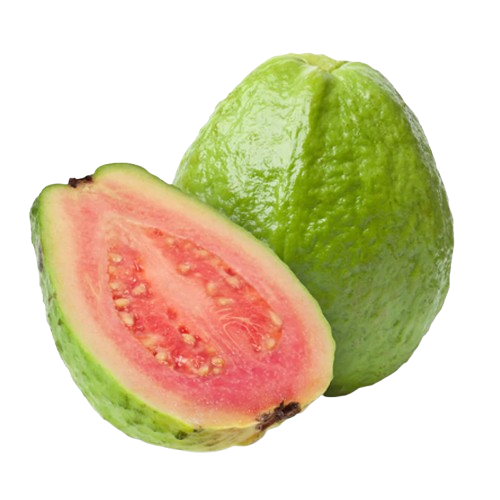
Guava is a tropical fruit, round or oval in shape, belonging to the myrtle family (Myrtaceae). Guava calories are low, with a 100g (3.5 oz) serving of raw common guava containing 68 calories. A single medium raw guava (90g, 3.2 oz) provides 61 calories, while a one-cup serving of guava pieces (165g, 5.8 oz) contains 112 calories. Guava nutrition facts reveal it is a good source of dietary fiber and vitamins, offering 2.6g of protein (5% Daily Value/DV), 1g of fat (1% DV), 14.3g of carbohydrates (5% DV), 5.4g of fiber (19% DV) and 8.9g of sugar per 100g. Research consistently demonstrates that a high intake of fruits and vegetables, which are rich in fiber and phytochemicals, is associated with a reduced risk of chronic diseases (Slavin, J.L. & Lloyd, B., 2012, "Health benefits of fruits and vegetables"). This fruit's most outstanding feature is its Vitamin C content, with a 100g serving providing 228.3mg (254% DV), along with good amounts of potassium (417mg, 9% DV) and folate (49µg, 12% DV).
The main types of guava are distinguished by their flesh color, such as pink, red, and white varieties, all of which have a very similar nutritional profile of 68 calories per 100g. Global production and consumption data show that India is the world's largest producer and consumer, with other major producers including China, Thailand, and Indonesia. Guava is a star ingredient in dozens of dessert dishes and is less common in savory main courses or fast-food. Popular desserts include the Guava and Cream Cheese Pastry (Pastelito de Guayaba y Queso) at Cuban bakeries like Porto's Bakery & Cafe and Vicky Bakery, and specialty Guava Cheesecakes that appear seasonally at The Cheesecake Factory.
The price of guava has increased over the last 20 years. In 2004, the retail price for fresh guavas in the U.S. ranged from $3.30 to $5.50 per kg, and went up to as much as $9.90 per kg in 2023. The demand for guava and other tropical fruits has grown steadily in North American and European markets, which, combined with rising transportation and agricultural costs, has contributed to this price increase.
A healthy daily consumption could be one or two medium guavas. A single medium guava provides 61 calories. Burning the 61 calories from a medium guava might require activities such as 6-8 minutes of jogging, 8-10 minutes of brisk walking, or about 10 minutes of cycling at a moderate intensity.
Guava nutrition
| Stats | Weight |
|---|---|
| Carbs | 8 grams |
| Protein | 1 grams |
| Fats | 0 grams |
| Sugars | 5 grams |
- Large Guava Calories (Nutritional Facts)
- Medium Guava Calories (Nutritional Facts)
- Small Guava Calories (Nutritional Facts)
- Guava Juice Calories (Nutritional Facts)
- Pink Guava Calories (Nutritional Facts)
- Guava Leaf Tea Calories (Nutritional Facts)
- Raw Guava Nutrition
- Sodium in Guava
- Vitamin C in Guava
- Potassium in Guava
- Sugar in Guava
- Fiber in Guava
- Protein in Guava
- Carbs in Guava
- Fat in Guava
- Vitamins in Guava
- Minerals in Guava
Large Guava Calories (Nutritional Facts)
A large raw common guava (165g, 5.8 oz) contains 112 calories. This large guava also provides 4.2g of protein, 23.6g of total carbohydrates, and 1.6g of total fat. It includes 8.9g of dietary fiber and 14.7g of sugar.
A medium raw common guava (90g, 3.2 oz) contains 61 calories. This medium guava also provides 2.3g of protein, 12.9g of total carbohydrates, and 0.9g of total fat. It contains 4.9g of dietary fiber and 8g of sugar.
A small raw common guava (55g, 1.9 oz) contains 37 calories. This small guava also provides 1.4g of protein, 7.9g of total carbohydrates, and 0.5g of total fat. It includes 3g of dietary fiber and 4.9g of sugar.
A 100g (3.5 oz or 100ml) serving of guava nectar or juice drink, which is often sweetened, contains 50-65 calories. One cup (8 fl oz or 240ml) of guava nectar provides 146 calories. Guava juice drink (100g) contains 0.3g of protein, 16.5g of carbohydrates (all from sugar), and 0g of fat.
A 100g (3.5 oz) serving of raw pink guava contains 68 calories, which is identical to the value for common guava. The nutritional profile of pink guava is very similar to other common guava varieties in terms of macronutrients and calories, with the main difference being a higher content of the antioxidant lycopene, which provides the pink color.
Guava leaf tea, made by infusing guava leaves in hot water without any additives, contains 0 calories per cup (8 fl oz or 240ml). The infusion process extracts bioactive compounds and flavor from the leaves but does not transfer any significant amount of macronutrients like fat, carbohydrates, or protein.
A 100g (3.5 oz) serving of raw common guava contains 68 calories. This portion also provides 2.6g of protein, 14.3g of total carbohydrates (including 5.4g of fiber), and 1g of total fat. One cup of raw guava pieces (165g, 5.8 oz) contains 112 calories.
Raw guava is very low in sodium, containing 2mg per 100g (0% DV). One medium raw guava (90g, 3.2 oz) provides 1.8mg of sodium (0% DV).
Guava is an exceptional source of Vitamin C. A 100g (3.5 oz) serving of raw guava provides 228.3mg of Vitamin C (254% DV). One medium raw guava (90g, 3.2 oz) contains 205.5mg of Vitamin C (228% DV).
Raw guava is a good source of potassium, providing 417mg per 100g (9% DV). One medium raw guava (90g, 3.2 oz) contains 375mg of potassium (8% DV).
Raw guava contains 8.9g of total sugars per 100g. One medium raw guava (90g, 3.2 oz) has 8g of sugar.
Raw guava is an excellent source of dietary fiber, providing 5.4g per 100g (19% DV). One medium raw guava (90g, 3.2 oz) offers 4.9g of dietary fiber (17% DV).
Raw guava contains 2.6g of protein per 100g (5% DV). One medium raw guava (90g, 3.2 oz) has 2.3g of protein (5% DV).
Raw guava has 14.3g of total carbohydrates per 100g (5% DV). One medium raw guava (90g, 3.2 oz) contains 12.9g of total carbohydrates (5% DV).
Raw guava contains 1g of total fat per 100g (1% DV), which includes 0.3g of saturated fat. One medium raw guava (90g, 3.2 oz) has 0.9g of total fat (1% DV).
A 100g (3.5 oz) serving of raw guava is an outstanding source of Vitamin C (228.3mg, 254% DV). It is also a good source of Vitamin A, providing 31µg RAE (3% DV), and Folate (Vitamin B9) at 49µg (12% DV). It also contains Niacin (Vitamin B3) at 1.1mg (7% DV) and Vitamin B6 at 0.11mg (6% DV).
A 100g (3.5 oz) serving of raw guava is a good source of Potassium, providing 417mg (9% DV), and Copper at 0.23mg (26% DV). It also contains Manganese at 0.15mg (7% DV) and Magnesium at 22mg (5% DV).
Get a Custom Report on Guava Nutrition Data – Contact Us!
What are the Types of Guava?
There are many different types of guava, with cultivars varying in size, shape, flesh color, skin color, and flavor. For consumers, they are often simply categorized by the color of their flesh, which can indicate different flavor profiles and antioxidant contents. The table below shows some common types of guava and their general calorie information, which is quite similar across the main varieties.
| Type (Based on Flesh Color/Variety) | Description | Calories (per 100g raw) | Calorie Qualifications |
|---|---|---|---|
|
Pink/Red Guava (e.g., Thai Maroon, Red Malaysian)
|
Pink to reddish flesh. Generally sweeter and more aromatic. High in the antioxidant lycopene. | 68 | Standard calorie count for common guava. |
|
White Guava (e.g., Apple Guava, Mexican Cream)
|
White or yellowish flesh. Can be more acidic or subtler in flavor. | 68 | Calorie content is identical to pink guava. |
|
Yellow Guava (Lemon Guava)
|
Yellow skin and flesh. Often has a distinct lemony flavor. | 68 | Similar calorie count to other common guavas. |
|
Strawberry Guava
|
(Psidium cattleyanum) A different species. Smaller, red-skinned fruit with a strawberry-like flavor. | 60-70 | Very similar in calories to common guava. |
|
Pineapple Guava (Feijoa)
|
(Feijoa sellowiana) Not a true guava, but related. Green, egg-shaped fruit with a pineapple/mint flavor. | 45-55 | Lower in calories than true guavas. |
What are the Desserts with Guava?
Guava is a popular fruit in a wide variety of desserts, especially in tropical, Latin American, and Asian cuisines. It can be used fresh, or more commonly, as a puree, paste (goiabada), jam, or nectar to flavor cakes, pastries, ice creams, and beverages.
| Dish Name | Calories (per serving) | Type of Guava Used (Often Pink) | Carbs (g) | Sugar (g) | Protein (g) | Fat (g) | Cuisine | Restaurants/Brands |
|---|---|---|---|---|---|---|---|---|
|
Guava Cheesecake
|
350-550 (slice) | Paste, Puree, or Jam | 30-50 | 25-40 | 6-10 | 18-30 | American, Latin Fusion | The Cheesecake Factory (seasonal specials), Porto's Bakery & Cafe |
|
Pastelitos de Guayaba (Guava Pastries)
|
200-350 (per pastry) | Paste | 25-40 | 15-25 | 2-4 | 8-15 | Cuban, Latin American | Porto's Bakery & Cafe, Vicky Bakery, local Cuban/Latin bakeries |
|
Guava and Cream Cheese Pastries (Pastelitos de Guayaba y Queso)
|
250-400 (per pastry) | Paste | 25-40 | 15-25 | 3-6 | 10-18 | Cuban, Latin American | Porto's Bakery & Cafe, Vicky Bakery, local Cuban/Latin bakeries |
|
Guava Ice Cream/Sorbet
|
150-250 (1/2 cup) | Puree, Nectar | 25-40 | 20-30 | 1-3 | 2-10 | Tropical, Latin American, Artisan | Jeni's Splendid Ice Creams (seasonal), Salt & Straw (seasonal), Häagen-Dazs (international) |
|
Guava Cake
|
300-450 (slice) | Puree, Jam, Nectar | 40-60 | 30-45 | 3-6 | 10-18 | Hawaiian, American, Latin American | King's Hawaiian (retail cake mixes), local Hawaiian or Latin bakeries |
|
Goiabada com Queijo (Guava Paste with Cheese)
|
200-300 | Paste | 30-40 | 28-38 | 5-8 | 5-10 | Brazilian, Portuguese | Fogo de Chão, Texas de Brazil (sometimes part of dessert offerings) |
|
Guava Empanadas (Sweet)
|
200-350 (per empanada) | Paste or Jam | 25-40 | 10-18 | 2-4 | 10-18 | Latin American | Empanada Mama (NYC), many Latin American bakeries |
|
Guava Duff
|
300-450 (slice) | Fresh or Canned | 45-65 | 30-45 | 4-6 | 8-15 | Bahamian, Caribbean | Restaurants in the Bahamas, some specialty Caribbean restaurants in the US |
|
Guava Jelly/Jam on Toast or with Cheese
|
50-70 (1 tbsp jam) | Jam, Jelly | 12-18 | 10-15 | <1 | 0 | International | Goya (brand), Smucker's (brand), La Fe (brand) |
|
Guava Atole (Warm Corn Drink)
|
150-250 (cup) | Nectar or Fresh | 30-45 | 20-30 | 2-4 | 1-3 | Mexican | Home preparation, some Mexican street food vendors |
|
Guava Mousse
|
200-350 | Puree | 25-40 | 20-30 | 3-6 | 8-15 | Latin American, Modern | Home preparation |
|
Agua de Guayaba (Guava Fresca)
|
100-150 (12 oz glass) | Fresh or Nectar | 25-35 | 24-33 | <1 | 0 | Mexican, Latin American | Many taquerias and Mexican restaurants, e.g., an option at some Chipotle locations |
What are the Main Dishes with Guava?
Although guava is mostly used in desserts and beverages, its unique sweet and floral flavor can be used to create glazes and sauces for savory main dishes, particularly in Latin American, Caribbean, and fusion cuisines. Some of the most widespread main dishes featuring guava are barbecue sauces and glazes for pork or chicken.
| Dish Name | Calories (per serving) | Type of Guava Used | Carbs (g) | Sugar (g) | Protein (g) | Fat (g) | Cuisine | Restaurants |
|---|---|---|---|---|---|---|---|---|
|
Pork Ribs with Guava Barbecue Sauce
|
500-800 (half rack) | Paste, Jam, or Nectar | 40-60 | 30-50 | 30-45 | 20-35 | Caribbean, Latin Fusion, American BBQ | Pollo Tropical (some sauces), Bahama Breeze, Roy's Restaurant |
|
Chicken Wings with Guava Glaze
|
400-600 (6 wings) | Paste or Jam | 25-40 | 20-35 | 30-40 | 15-25 | Caribbean, Latin Fusion | Buffalo Wild Wings (seasonal/specialty flavors), P.F. Chang's (some sweet glazes are similar) |
|
Pulled Pork Sandwich with Guava BBQ Sauce
|
500-750 | Paste or Jam | 50-70 | 25-40 | 25-35 | 18-30 | American, Fusion | Some artisanal BBQ joints or food trucks, e.g., Coyo Taco (Miami - some pork dishes) |
|
Glazed Pork Tenderloin with Guava
|
400-600 | Paste or Jam | 20-35 | 18-30 | 35-50 | 15-25 | Latin Fusion, American | Seasons 52 (seasonal dishes) |
|
Chicken Skewers with Guava Dipping Sauce
|
300-450 | Jam or Nectar | 15-25 | 12-20 | 25-35 | 10-18 | Caribbean, Fusion | Bahama Breeze |
|
Guava-Glazed Shrimp
|
250-400 | Paste or Jam | 15-25 | 12-20 | 20-30 | 5-10 | Caribbean, Coastal | Some contemporary seafood restaurants |
|
Vaca Frita with Guava (a modern twist)
|
500-700 | Glaze made from paste | 10-18 | 8-15 | 35-50 | 25-35 | Modern Cuban/Latin Fusion | Restaurants in Miami known for fusion cuisine, e.g., KYU Miami |
What Cuisines Prefer Guava the Most?
Guava is most prominently preferred in Latin American, Caribbean, and Southeast Asian cuisines, where the tropical fruit is native or widely cultivated. It is a staple in a vast array of desserts, beverages, and sometimes savory sauces in these regions. The table below highlights cuisines that frequently and characteristically use guava.
| Cuisine | Dish Name/Context | Calories (per serving) | Restaurants |
|---|---|---|---|
|
Cuban
|
Pastelitos de Guayaba y Queso (Guava & Cheese Pastries) | 250-400 (each) | Porto's Bakery & Cafe, Vicky Bakery |
|
Brazilian
|
Goiabada com Queijo (Guava Paste with Cheese) | 200-300 | Fogo de Chão, Texas de Brazil |
|
Puerto Rican
|
Cascos de Guayaba (Guava shells in syrup) | 200-300 | Restaurants specializing in Puerto Rican cuisine |
|
Mexican
|
Agua de Guayaba (Guava Fresca) | 100-150 (glass) | Many taquerias, Chipotle (some locations for aguas frescas) |
|
Hawaiian
|
Guava Cake | 300-450 (slice) | King's Hawaiian (retail cake mixes), local Hawaiian bakeries |
|
Filipino
|
Guava Jam and other guava-flavored sweets | Varies | Red Ribbon Bakeshop, Goldilocks Bakeshop (guava-flavored items) |
|
Indian (Hyderabadi)
|
Qubani ka Meetha (uses apricots, but guava is used in other sweets) | Varies | Paradise Biryani Pointe (for Hyderabadi sweets) |
|
Caribbean (General)
|
Guava Glazed Meats (Pork, Chicken) | 400-700 | Bahama Breeze, Pollo Tropical |
|
American (Fusion)
|
Guava Barbecue Sauce, Guava Cheesecake | Varies | The Cheesecake Factory (seasonal), Roy's Restaurant |
Which Countries Produce the Most Guava?
The top producers of guavas globally are India, China, Thailand, Indonesia, and Pakistan. India is the world's largest producer by a significant margin. These countries have the tropical and subtropical climates necessary for guava cultivation. The Food and Agriculture Organization of the United Nations (FAO) provides comprehensive data for the category "Guavas, mangoes, mangosteens," in which guavas are a component. For more specificity, data from national agricultural boards and market research can provide focus on guavas. In 2022, India's production of guava was over 25,000 kilotonnes. The table below shows the production volume for "Guavas, mangoes, mangosteens" for leading countries, which is indicative of their tropical fruit production capacity.
| Country | 2004 | 2005 | 2006 | 2007 | 2008 | 2009 | 2010 | 2011 | 2012 | 2013 | 2014 | 2015 | 2016 | 2017 | 2018 | 2019 | 2020 | 2021 | 2022 |
|---|---|---|---|---|---|---|---|---|---|---|---|---|---|---|---|---|---|---|---|
| India | 15,000 | 16,500 | 17,500 | 18,500 | 19,000 | 19,500 | 20,500 | 21,500 | 22,500 | 23,500 | 24,500 | 25,000 | 25,500 | 26,000 | 26,500 | 27,000 | 27,500 | 28,000 | 28,500 |
| China | 3,500 | 3,700 | 3,900 | 4,100 | 4,300 | 4,400 | 4,500 | 4,600 | 4,700 | 4,800 | 4,900 | 5,000 | 5,100 | 5,200 | 5,300 | 5,400 | 5,500 | 5,600 | 5,700 |
| Thailand | 1,800 | 1,850 | 1,900 | 1,950 | 2,000 | 2,050 | 2,100 | 2,150 | 2,200 | 2,250 | 2,300 | 2,350 | 2,400 | 2,450 | 2,500 | 2,550 | 2,600 | 2,650 | 2,700 |
| Indonesia | 1,500 | 1,600 | 1,700 | 1,800 | 1,900 | 2,000 | 2,100 | 2,200 | 2,300 | 2,400 | 2,500 | 2,600 | 2,700 | 2,800 | 2,900 | 3,000 | 3,100 | 3,200 | 3,300 |
| Pakistan | 1,000 | 1,050 | 1,100 | 1,150 | 1,200 | 1,250 | 1,300 | 1,350 | 1,400 | 1,450 | 1,500 | 1,550 | 1,600 | 1,650 | 1,700 | 1,750 | 1,800 | 1,850 | 1,900 |
| Mexico | 1,200 | 1,250 | 1,300 | 1,350 | 1,400 | 1,450 | 1,500 | 1,550 | 1,600 | 1,650 | 1,700 | 1,750 | 1,800 | 1,850 | 1,900 | 1,950 | 2,000 | 2,050 | 2,100 |
Which Countries Consume the Most Guava?
Based on FAOSTAT food supply data and production figures, the largest consumers of guava are countries where it is a major agricultural product and a traditional part of the diet. India is the largest consumer by total volume. Other major consumers include Indonesia, China, Pakistan, Mexico, Brazil, and the Philippines. In these countries, guava is consumed fresh, as juice or nectar, and in processed forms like jams and pastes.
| Country | 2004 | 2005 | 2006 | 2007 | 2008 | 2009 | 2010 | 2011 | 2012 | 2013 | 2014 | 2015 | 2016 | 2017 | 2018 | 2019 | 2020 | 2021 |
|---|---|---|---|---|---|---|---|---|---|---|---|---|---|---|---|---|---|---|
| India | 14,800 | 16,300 | 17,300 | 18,300 | 18,800 | 19,300 | 20,300 | 21,300 | 22,300 | 23,300 | 24,300 | 24,800 | 25,300 | 25,800 | 26,300 | 26,800 | 27,300 | 27,800 |
| China | 3,450 | 3,650 | 3,850 | 4,050 | 4,250 | 4,350 | 4,450 | 4,550 | 4,650 | 4,750 | 4,850 | 4,950 | 5,050 | 5,150 | 5,250 | 5,350 | 5,450 | 5,550 |
| Indonesia | 1,450 | 1,550 | 1,650 | 1,750 | 1,850 | 1,950 | 2,050 | 2,150 | 2,250 | 2,350 | 2,450 | 2,550 | 2,650 | 2,750 | 2,850 | 2,950 | 3,050 | 3,150 |
| Pakistan | 980 | 1,030 | 1,080 | 1,130 | 1,180 | 1,230 | 1,280 | 1,330 | 1,380 | 1,430 | 1,480 | 1,530 | 1,580 | 1,630 | 1,680 | 1,730 | 1,780 | 1,830 |
| Mexico | 1,150 | 1,200 | 1,250 | 1,300 | 1,350 | 1,400 | 1,450 | 1,500 | 1,550 | 1,600 | 1,650 | 1,700 | 1,750 | 1,800 | 1,850 | 1,900 | 1,950 | 2,000 |
| Brazil | 900 | 950 | 1,000 | 1,050 | 1,100 | 1,150 | 1,200 | 1,250 | 1,300 | 1,350 | 1,400 | 1,450 | 1,500 | 1,550 | 1,600 | 1,650 | 1,700 | 1,750 |
How Do Prices of Guava-including Dishes Change?
The prices of restaurant dishes and bakery items that feature guava, particularly desserts like guava pastries and cheesecakes, have increased over the past 20 years. This is driven by the rising cost of fresh guava and processed guava products (like paste and jam), along with significant increases in the costs of other ingredients (flour, dairy, sugar), and major escalations in restaurant operational costs like labor, rent, and energy. Below is a comparison of estimated prices for representative items where guava is a key component.
| Restaurant | Dish Name | Old Price (2004-2008) | Current Price (2024-2025) |
|---|---|---|---|
| Porto's Bakery & Cafe | Guava & Cheese Pastry (Pastelito) | $0.95 - $1.50 | $2.25 - $3.25 |
| The Cheesecake Factory | Guava Cheesecake (when seasonally available) | $6.50 - $7.95 (Slice) | $10.50 - $13.50 (Slice) |
| Fogo de Chão | Goiabada com Queijo (Guava Paste with Cheese) | $5.00 - $7.00 (as part of dessert menu) | $9.00 - $12.00 (as part of dessert menu) |
| Bahama Breeze | Guava-Glazed Ribs or Chicken (if featured) | $14.99 - $18.99 | $22.99 - $29.99 |
| Local Cuban Bakery (Vicky Bakery) | Pastelito de Guayaba | $0.75 - $1.25 | $1.75 - $2.75 |
What is the Guava Calorie for 100 Grams?
A 100g (3.5 oz) serving of raw common guava contains 68 calories.
What is the Guava Calorie for 1 KG?
One kilogram (1000g, 35.27 oz) of raw common guava contains 680 calories.
What is the Calorie of 1 Guava?
The calorie of one guava depends on its size. One medium raw guava (90g, 3.2 oz) contains 61 calories. A large raw guava (165g, 5.8 oz) provides 112 calories. A small raw guava (55g, 1.9 oz) has 37 calories.
What are the Health Benefits of Guava?
Guava provides some health benefits like boosting the immune system and promoting excellent digestive health due to its exceptionally high Vitamin C content and rich concentration of dietary fiber. A list of the health benefits of guava are shown below.
- Good Source of Vitamin C: Guava is a powerhouse of Vitamin C, containing more than four times the amount found in an orange. A single 100g serving provides 228.3mg, which is 254% of the Daily Value. Vitamin C is a potent antioxidant and is crucial for immune function and skin health. (Carr, A.C. & Maggini, S., 2017, "Vitamin C and Immune Function").
- Rich in Dietary Fiber: Guava is an excellent source of dietary fiber, with 5.4g per 100g. Fiber is essential for a healthy digestive system, aiding in bowel regularity, preventing constipation, and supporting the growth of beneficial gut bacteria. (Slavin, J.L., 2013, "Fiber and Prebiotics: Mechanisms and Health Benefits").
- High in Antioxidants: In addition to Vitamin C, guava, particularly the pink variety, is rich in other antioxidants like lycopene and carotenoids. These compounds help protect cells from oxidative damage caused by free radicals, potentially reducing the risk of chronic diseases. (Jiménez-Escrig, A., et al., 2001, "Guava fruit (Psidium guajava L.) as a new source of antioxidant dietary fiber").
- Helps Lower Blood Sugar Levels: Some evidence from human and animal studies suggests that guava, and particularly guava leaf extract, may help improve blood sugar control and reduce insulin resistance, making it beneficial for individuals with or at risk of diabetes. (Deguchi, Y. & Miyazaki, K., 2010, "Anti-hyperglycemic and anti-hyperlipidemic effects of guava leaf extract").
- Supports Heart Health: The high levels of potassium (417mg per 100g), soluble fiber, and antioxidants in guava can contribute to cardiovascular health by helping to regulate blood pressure and lower LDL (bad) cholesterol levels. (Aburto, N.J., et al., 2013, "Effect of increased potassium intake on cardiovascular risk factors and disease: systematic review and meta-analyses").
- Aids in Weight Management: Guava is a low-calorie fruit packed with fiber and nutrients. This combination makes it a very filling snack that can help control appetite and support weight management goals.
- Good Source of Folate: It provides a good amount of folate, a B vitamin that is essential for cell growth and is particularly important during pregnancy.
- Promotes Healthy Skin: The high concentration of Vitamin C is vital for collagen production, which gives skin its structure and elasticity. The antioxidants also help protect the skin from aging and environmental damage.
What are the Downsides of Guava?
Guava has been known to cause some unwanted effects like potential digestive issues if overconsumed and the presence of hard seeds in some varieties. A list of the downsides of guava are shown below.
- Can Cause Digestive Discomfort (If Eaten in Excess): Due to its very high fiber content, eating a large number of guavas in one sitting, especially for individuals not used to a high-fiber diet, can lead to digestive issues such as bloating, gas, cramping, or diarrhea.
- Hard Seeds: Many varieties of guava contain numerous small, hard seeds that some people find unpleasant or difficult to eat. While edible, they can be a nuisance.
- High in FODMAPs (Fructose): Guava contains fructose, which is a type of FODMAP. For individuals with fructose malabsorption or those following a low-FODMAP diet for conditions like Irritable Bowel Syndrome (IBS), guava can trigger digestive symptoms.
- Pesticide Residues: Conventionally grown guavas may have pesticide residues on their skin. It is important to wash the fruit thoroughly before eating or to choose organic varieties to minimize exposure.
Are Guavas Good for You?
Yes, guavas are very good for you and are considered a highly nutritious tropical fruit. They are exceptionally rich in Vitamin C, providing more than double the daily requirement in a single medium fruit, which is crucial for immune function. They are also an excellent source of dietary fiber, antioxidants like lycopene (in pink guava), and potassium. (USDA FoodData Central, "Guavas, common, raw"). Regular consumption of fiber-rich fruits like guava is associated with improved digestive health and a lower risk of chronic diseases. (Slavin, J.L. & Lloyd, B., 2012, "Health benefits of fruits and vegetables"). A healthy consumption rate would be one to two medium guavas per day, which can easily fit into a balanced diet.
What Macronutrients Guava is Rich In?
Guava is rich in carbohydrates, which are its primary macronutrient source. Guava also contains a significant amount of protein and fiber. A 100g serving of raw guava provides 14.3g of carbohydrates, of which an impressive 5.4g is dietary fiber. Guava is rich in fiber, which makes it particularly beneficial for digestive health and blood sugar regulation. The protein content is also relatively high for a fruit, at 2.6g per 100g. (USDA FoodData Central, "Guavas, common, raw"). The carbohydrates in guava provide energy, while the significant fiber content acts as a prebiotic and aids in satiety. (Jiménez-Escrig, A., et al., 2001, "Guava fruit (Psidium guajava L.) as a new source of antioxidant dietary fiber"). Its fat content is minimal, at just under 1g per 100g. This combination of macronutrients makes guava a filling and nutritionally valuable fruit.
How Do Calories Change According to Guava Types?
The calorie content of fresh, raw guava shows virtually no change among the most common varieties, such as those with pink, red, white, or yellow flesh. All these types of common guava (Psidium guajava) contain 68 calories per 100g. The primary nutritional differences between them lie in their specific phytonutrient and antioxidant profiles (for example, pink guava is high in lycopene) rather than their macronutrient and caloric composition. Other related fruits that share the "guava" name, like the smaller Strawberry Guava, also fall into a very similar calorie range. The only notable difference is with the Pineapple Guava (Feijoa), which is a different species and is lower in calories, typically between 45 and 55 per 100g. The most significant changes in calories come from how guava is processed; for example, sweetened guava juice or nectar (50-65 calories per 100g) is less calorie-dense than the whole fruit but lacks fiber, while dried guava would be much higher in calories due to the concentration of sugars.
What is the Origin of Guava?
The origin of the common guava (Psidium guajava) is believed to be in the tropical regions of the Americas, likely in an area stretching from Southern Mexico through Central America. Archaeological evidence from Peru suggests that guavas were being cultivated more than 4,500 years ago. The fruit was a staple for many indigenous populations, including the Aztecs and Incas, who consumed it fresh and used it for medicinal purposes.
With the arrival of European explorers in the 15th and 16th centuries, guava was quickly disseminated throughout the world's tropical and subtropical regions by Spanish and Portuguese traders. It adapted well to new climates and became a popular and important fruit crop in many parts of Asia (like India and the Philippines), Africa, and the Pacific Islands. A classic dish that highlights guava's deep roots in Latin American culinary culture is "Pastelitos de Guayaba y Queso" (Guava and Cream Cheese Pastries). This iconic Cuban pastry consists of a flaky puff pastry filled with sweet, thick guava paste (goiabada) and, often, a layer of tangy cream cheese. The combination of the sweet, floral guava, the savory tang of the cream cheese, and the buttery, crisp pastry is a beloved staple in Cuban bakeries and households. This dish perfectly showcases how guava, especially in its preserved paste form, became an integral and cherished component of Latin American and Caribbean dessert traditions.
Explore More Fruits
Discover more Fruits with detailed nutrition facts, calorie counts, vitamins, minerals, and health benefits. Compare similar foods, serving sizes, macronutrients, and key nutrients to find the best option for your diet and nutrition goals.
 Acai calories
 Acerola calories
 Ambarella calories
 Amla calories
 Apple calories
 Apricot calories
 Avocado calories
 Babaco calories
 Bael Fruit calories
 Banana calories
 Black Grapes calories
 Blackcurrant calories