Calories and Nutritions in Mangaba
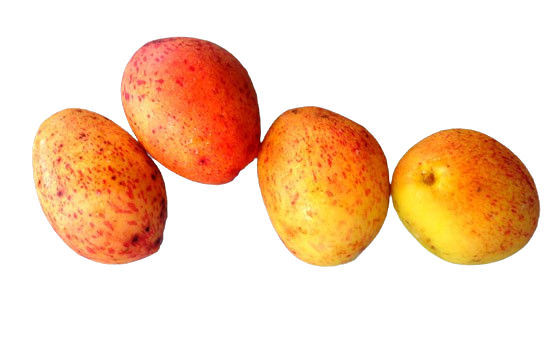
Mangaba is a sweet and slightly tart aromatic fruit that is part of the traditional food culture in the coastal and savanna regions of Brazil. Mangaba is a highly nutrient-dense fruit with moderate calories, providing 44 calories in a 75 g (1/2 cup) serving. Known scientifically as Hancornia speciosa, its indigenous name translates directly to "good thing to eat," and it fully lives up to this moniker. A small 28 g (1 oz) serving provides 16 calories in mangaba fruit, while a 1 cup portion contains just 87 calories. Based on strict nutritional profiles, a 100 g (3.5 oz) serving delivers 14 g of carbohydrates, 0.6 g of protein, and 2.3 g of dietary fiber. These fruits offer immense health benefits, such as powerful immune system support and cardiovascular protection, due to their impressive concentration of Vitamin C and potassium.
Common types foraged in Brazil include the savanna-dwelling Mangaba do Cerrado and the arid-climate Mangaba da Caatinga. Because of the delicate nature of its milky flesh and the intensely sticky sap of unripe specimens, it is entirely excluded from international commercial restaurant supply chains. Zero mainstream restaurants utilize it in salads, mains, or desserts, making it a truly exclusive delicacy to local Brazilian markets. Consumers eager to try the fruit generally purchase frozen fruit pulp from specialty Latin American import grocers, such as the popular De Marchi Frozen Mangaba Pulp.
The origin of the plant is deeply rooted in the Cerrado and Caatinga biomes of Brazil, where indigenous communities have sustainably foraged it for generations. Global production tracking groups it under the broader tropical fruit category, an industry led by India and Indonesia, while Brazil produced 1,580 kt of tropical fruits in 2024. Consumption of mangaba is strictly domestic to Brazil, where the fruit is processed instantly into popsicles, ice creams, and nectars. The retail price for 1 kg of fresh mangaba pulp has increased from $1.10 USD in 2005 to $3.80 USD in 2024.
Health experts suggest a recommended daily intake of 1/2 cup (75 g) of raw mangaba pulp, which adds 44 calories to a person's diet. These calories can be burned by doing 11 minutes of walking at 5 km/h for an average sized woman or 9 minutes of walking for an average sized man.
Mangaba nutrition
| Stats | Weight |
|---|---|
| Carbs | 10.5 grams |
| Protein | 0.5 grams |
| Fats | 0 grams |
| Sugars | 7.5 grams |
- Large Mangaba Calories (Nutritional Facts)
- Medium Mangaba Calories (Nutritional Facts)
- Small Mangaba Calories (Nutritional Facts)
- Raw Mangaba Nutrition
- Sodium in Mangaba
- Potassium in Mangaba
- Sugar in Mangaba
- Fiber in Mangaba
- Protein in Mangaba
- Carbs in Mangaba
- Fat in Mangaba
- Vitamins in Mangaba
- Minerals in Mangaba
Large Mangaba Calories (Nutritional Facts)
A large serving of raw mangaba pulp weighing 150 g (1 cup) contains 87 calories. This 150 g (1 cup) edible portion provides 0.3 g of total fat, 0.9 g of protein, 21 g of carbohydrates, and 15 g of sugar. A large 150 g (1 cup) serving of mangaba pulp blended with 1 tbsp of granulated sugar contains 135 calories.
A medium serving of raw mangaba pulp weighing 75 g (1/2 cup) provides 44 calories. This 75 g (1/2 cup) edible portion delivers 0.2 g of total fat, 0.5 g of protein, 10.5 g of carbohydrates, and 7.5 g of sugar. A 75 g (1/2 cup) serving of frozen mangaba pulp contains 42 calories due to minor moisture loss during freezing.
A small serving of raw mangaba pulp weighing 28 g (1 oz) contains 16 calories. This 28 g (1 oz) edible portion consists of 0.1 g of total fat, 0.2 g of protein, 3.9 g of carbohydrates, and 2.8 g of sugar.
A 100 g (3.5 oz) serving of raw mangaba pulp provides 58 calories, 0.2 g of total fat, 0.6 g of protein, 14 g of total carbohydrates, and 2.3 g of dietary fiber. Raw mangaba is dense with Vitamin C and phenolic compounds, which strongly support immune defense and metabolic health. The nutrient concentration is completely maximized when the fruit is eaten fresh, as high-heat processing into jellies destroys the natural ascorbic acid.
Raw mangaba pulp contains 1 mg of sodium per 100 g (3.5 oz) serving, contributing 0% of the Daily Value (DV). This zero-sodium profile makes it an excellent tropical fruit for strict cardiovascular diets.
Raw mangaba pulp supplies 200 mg of potassium per 100 g (3.5 oz) serving, fulfilling 4% of the DV. This mineral helps support healthy nerve transmission and blood pressure regulation.
One hundred grams (3.5 oz) of raw mangaba pulp contains 10 g of natural sugars. These sugars consist of a balance of fructose and glucose. The sugar levels in this wild fruit are lower than those found in standard tropical fruits like mangoes or bananas.
Raw mangaba pulp provides 2.3 g of dietary fiber per 100 g (3.5 oz) serving, fulfilling 8% of the DV. This fiber content supports consistent digestion and prolonged satiety.
Raw mangaba pulp provides 0.6 g of protein per 100 g (3.5 oz) serving.
Raw mangaba pulp contains 14 g of total carbohydrates per 100 g (3.5 oz) serving.
Raw mangaba pulp contains 0.2 g of total fat per 100 g (3.5 oz) serving.
A 100 g (3.5 oz) serving of raw mangaba pulp provides 46 mg of Vitamin C (51% DV) and 45 mcg of Vitamin A (5% DV). These vitamins help maintain a robust immune system and support healthy vision.
A 100 g (3.5 oz) serving provides 15 mg of Calcium (1% DV), 12 mg of Magnesium (3% DV), and 0.5 mg of Iron (3% DV). They also contain trace amounts of zinc and phosphorus.
Get a Custom Report on Mangaba Nutrition Data – Contact Us!
What are the Types of Mangaba?
There are different types of mangaba such as the savanna-foraged Mangaba do Cerrado and the coastal Mangaba da Tabuleiro. The table below shows the most common mangaba types and their calorie information.
| Type | Description | Calories (per 100g) | Calorie Differences & Qualifications |
|---|---|---|---|
|
Mangaba do Cerrado
|
Wild-foraged from the savanna; slightly smaller and sweeter. | 58 | Baseline energy for the standard wild fruit. |
|
Mangaba da Caatinga
|
Grown in arid regions; lower water content and more acidic. | 61 | Slightly higher calories due to lower water weight. |
|
Mangaba da Tabuleiro
|
Coastal variety with high moisture and larger fruit size. | 55 | Lower calories due to higher water concentration. |
|
Mangaba Jelly
|
Boiled pulp mixed with natural pectin and added sucrose. | 277 | Significantly higher energy due to massive sugar addition. |
Which Countries Produce the Most Tropical Fruits Including Mangaba?
The top producers of tropical fruits globally (which include Mangaba) are India, Indonesia, the Philippines, Brazil, and Thailand. In 2024, Brazil produced 1,580.00 kilotonnes of tropical fruits based on FAO data. Because mangaba is a localized wild crop producing only a few thousand tons annually, global agricultural bodies track its production under the general "Tropical fruits, n.e.c. (not elsewhere specified)" category. The table below displays production volumes over the last 20 years in kilotonnes.
| Country | 2005 | 2006 | 2007 | 2008 | 2009 | 2010 | 2011 | 2012 | 2013 | 2014 | 2015 | 2016 | 2017 | 2018 | 2019 | 2020 | 2021 | 2022 | 2023 | 2024 |
|---|---|---|---|---|---|---|---|---|---|---|---|---|---|---|---|---|---|---|---|---|
| India | 5800 | 6100 | 6300 | 6500 | 6800 | 7100 | 7400 | 7700 | 8000 | 8300 | 8600 | 8900 | 9200 | 9500 | 9700 | 9900 | 10100 | 10300 | 10500 | 10700 |
| Indonesia | 1500 | 1550 | 1600 | 1700 | 1800 | 1900 | 2000 | 2100 | 2250 | 2350 | 2450 | 2600 | 2750 | 2850 | 2950 | 3000 | 3050 | 3100 | 3150 | 3200 |
| Philippines | 2900 | 2950 | 3000 | 3050 | 3100 | 3150 | 3200 | 3250 | 3300 | 3350 | 3400 | 3450 | 3480 | 3500 | 3520 | 3540 | 3560 | 3580 | 3590 | 3600 |
| Brazil | 1200 | 1220 | 1240 | 1260 | 1280 | 1300 | 1320 | 1340 | 1360 | 1380 | 1400 | 1420 | 1440 | 1460 | 1480 | 1500 | 1520 | 1540 | 1560 | 1580 |
| Thailand | 850 | 870 | 890 | 910 | 930 | 950 | 980 | 1010 | 1040 | 1070 | 1100 | 1130 | 1160 | 1190 | 1210 | 1230 | 1250 | 1270 | 1280 | 1300 |
Which Countries Consume the Most Tropical Fruits Including Mangaba?
The top consumers of tropical fruits are India, Indonesia, the Philippines, Brazil, and Thailand. Consumption is identical to production patterns because highly perishable fruits like mangaba cannot endure long-distance shipping and are consumed almost entirely within their domestic borders. The table below represents the food supply for these nations based on agricultural tracking.
| Country | 2005 | 2006 | 2007 | 2008 | 2009 | 2010 | 2011 | 2012 | 2013 | 2014 | 2015 | 2016 | 2017 | 2018 | 2019 | 2020 | 2021 | 2022 | 2023 | 2024 |
|---|---|---|---|---|---|---|---|---|---|---|---|---|---|---|---|---|---|---|---|---|
| India | 5700 | 6000 | 6200 | 6400 | 6700 | 7000 | 7300 | 7600 | 7900 | 8200 | 8500 | 8800 | 9100 | 9400 | 9600 | 9800 | 10000 | 10200 | 10400 | 10600 |
| Indonesia | 1450 | 1500 | 1550 | 1650 | 1750 | 1850 | 1950 | 2050 | 2200 | 2300 | 2400 | 2550 | 2700 | 2800 | 2900 | 2950 | 3000 | 3050 | 3100 | 3150 |
| Philippines | 2800 | 2850 | 2900 | 2950 | 3000 | 3050 | 3100 | 3150 | 3200 | 3250 | 3300 | 3350 | 3380 | 3400 | 3420 | 3440 | 3460 | 3480 | 3490 | 3500 |
| Brazil | 1150 | 1170 | 1190 | 1210 | 1230 | 1250 | 1270 | 1290 | 1310 | 1330 | 1350 | 1370 | 1390 | 1410 | 1430 | 1450 | 1470 | 1490 | 1510 | 1530 |
| Thailand | 800 | 820 | 840 | 860 | 880 | 900 | 930 | 960 | 990 | 1020 | 1050 | 1080 | 1110 | 1140 | 1160 | 1180 | 1200 | 1220 | 1230 | 1250 |
What is the Mangaba Calorie for 100 Grams?
One hundred grams (3.5 oz) of raw mangaba pulp contains 58 calories.
What is the Mangaba Calorie for 1 KG?
One kilogram (1,000 g) of raw mangaba pulp provides 580 calories.
What is the Calorie of 1 Mangaba?
One single whole mangaba fruit weighing 40 g (1.4 oz) contains 23 calories.
What are the Health Benefits of Mangaba?
Mangaba provides some health benefits like reduced oxidative stress and improved cardiovascular health due to its high concentration of Vitamin C and dietary fiber. This fruit, a prized jewel of the Brazilian Cerrado, is highly valued for its medicinal properties in regional diets. A list of the health benefits of mangaba are shown below.
- Boosts Immune Function: High Vitamin C levels stimulate the production of white blood cells. A study by Silva et al. (2014), "Physicochemical Characterization, Proximate Composition and Fatty Acid Profile of Fruits from Brazilian Northeast Agrobiodiversity," confirms the robust ascorbic acid levels present in the fresh pulp.
- Reduces Oxidative Stress: Phenolic compounds within the fruit neutralize cellular free radicals, protecting tissues from premature aging.
- Regulates Blood Pressure: The potassium content acts as a vasodilator, reducing strain on the cardiovascular system.
- Enhances Digestion: Dietary fiber adds bulk to stool, preventing constipation and supporting a healthy gut microbiome.
- Promotes Skin Elasticity: Vitamin C is essential for collagen synthesis, keeping the skin firm and structurally sound.
- Aids in Blood Sugar Control: Soluble fiber slows the absorption of glucose in the bloodstream, preventing rapid insulin spikes.
What are the Downsides of Mangaba?
Mangaba has been known to cause some unwanted effects like oral irritation and gastrointestinal distress due to its natural latex sap and laxative properties. A list of the downsides of mangaba are shown below.
- Causes Oral Irritation: Unripe mangaba produces a milky, sticky latex sap that burns the lips and throat upon contact.
- Induces Gastrointestinal Distress: Excessive consumption of the ripe fruit acts as a strong natural laxative, causing severe diarrhea and stomach cramps.
- Poses a Choking Hazard: The fruit contains multiple small, hard seeds that must be manually removed to prevent choking or dental damage.
- Increases Sugar Intake in Processed Forms: Mangaba jellies and nectars often contain massive amounts of added sucrose to extend shelf life.
Are Mangabas Good for You?
Yes, mangabas are good for you because they deliver 51% of the DV for Vitamin C and 8% of the DV for dietary fiber in a 100 g (3.5 oz) serving. Healthy individuals should consume 75 g (1/2 cup) of the fresh, fully ripe pulp daily to optimize their antioxidant intake. A study by Zitha et al. (2020), "Impact of processing, packages and storage on quality of mangaba (Hancornia speciosa Gomes) jelly," highlights that the fruit retains potent nutritional and bioactive properties even after post-harvest handling. They are a low-fat, nutrient-dense tropical snack that strongly supports systemic immunity.
How Do Calories Change According to Mangaba Types?
The calories in mangaba change based on the specific growing region's climate and the moisture content of the pulp. The standard Mangaba do Cerrado contains 58 calories per 100 g (3.5 oz). If the fruit is the Mangaba da Caatinga variety, the energy increases to 61 calories per 100 g (3.5 oz) because the arid climate causes less water retention, naturally concentrating the sugars. Processed versions like Mangaba Jelly surge to 277 calories per 100 g (3.5 oz) due to the heavy addition of sucrose during boiling.
What are the Desserts with Mangaba?
There are no existing desserts with mangaba on the menu of mainstream or international restaurant chains. Because it is an ultra-regional fruit native exclusively to specific biomes in Brazil, it is completely absent from global restaurant supply chains.
What are the Main Dishes with Mangaba?
There are no main dishes with mangaba in mainstream restaurant chains. The fruit's delicate, milky flesh and sweetness make it unsuitable for commercial savory applications, leaving it virtually absent from restaurant main courses.
What Cuisines Prefer Mangaba the Most?
Mangaba is exclusively preferred in regional Brazilian cuisine, specifically within the Northeastern and Central-West (Cerrado) regions of the country. In states like Sergipe and Bahia, the fruit is a cultural staple used by local residents to make artisanal ice creams, traditional jams, and fresh juices.
What is the Origin of Mangaba?
The origin of the mangaba (Hancornia speciosa) is the tropical savannahs and coastal plains of Brazil, specifically the Cerrado and Caatinga biomes. Indigenous Brazilian populations consumed the wild-foraged fruit for centuries before European colonization. The name "mangaba" comes from the indigenous Tupi-Guarani language, meaning "good thing to eat." Today, it remains a heavily guarded and culturally significant wild crop harvested by traditional extractive communities in northeastern Brazil.
How Do Prices of Mangaba-including Dishes Change?
There are no restaurant dishes featuring mangaba because the fruit is extremely perishable and highly localized to Brazilian ecosystems.
Explore More Fruits
Discover more Fruits with detailed nutrition facts, calorie counts, vitamins, minerals, and health benefits. Compare similar foods, serving sizes, macronutrients, and key nutrients to find the best option for your diet and nutrition goals.
 Acai calories
 Acerola calories
 Ambarella calories
 Amla calories
 Apple calories
 Apricot calories
 Avocado calories
 Babaco calories
 Bael Fruit calories
 Banana calories
 Black Grapes calories
 Blackcurrant calories