Calories and Nutritions in Mangosteen
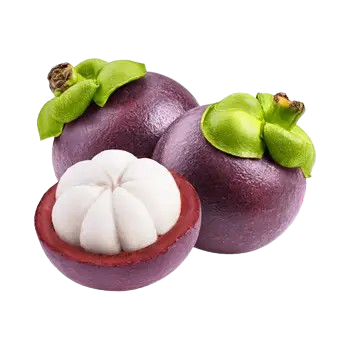
Mangosteen is a highly nutritious superfood with a thick purple rind and juicy white flesh, serving as a prized delicacy in Southeast Asian cuisines. There are 73 mangosteen calories per 100 g (3.5 oz) of the fresh raw fruit. A small mangosteen fruit weighing 40 g provides 29 calories, while a large 135 g (4.8 oz) fruit offers 99 calories. According to mangosteen nutrition facts, a 100 g (3.5 oz) portion provides 17.9 g of carbohydrates, 0.41 g of protein, and 0.58 g of fat. Research by Pedraza-Chaverri et al. (2008), "Medicinal properties of mangosteen (Garcinia mangostana)," found that the fruit contains potent xanthones that exhibit anti-inflammatory effects. Common types of mangosteen products in the market include the fresh purple fruit and processed juice or powder supplements.
The origin of the mangosteen is the Malay Archipelago and Indonesia, where it has been cultivated for antiquity. Global production is led by Thailand, which produced 370.00 kt in 2024, followed by Indonesia at 255.00 kt. Consumption is highest in China and Thailand, where the fruit is a seasonal staple. The retail price for one pound of fresh mangosteen has risen from $5.50 USD in 2005 to $12.99 USD in 2024.
Health guidelines suggest a recommended daily intake of 2 to 3 fruits (approx. 160 g), which contributes 116 calories in mangosteen to a standard adult diet. To burn the 58 calories provided by a medium 80 g (2.8 oz) mangosteen fruit, a person weighing 70 kg (154 lbs) must engage in 17 minutes of moderate walking at 5 km/h (3 mph).
Mangosteen nutrition
| Stats | Weight |
|---|---|
| Carbs | 14 grams |
| Protein | 0.3 grams |
| Fats | 0 grams |
| Sugars | 13.5 grams |
- Large Mangosteen Calories (Nutritional Facts)
- Medium Mangosteen Calories (Nutritional Facts)
- Small Mangosteen Calories (Nutritional Facts)
- Raw Mangosteen Nutrition
- Sodium in Mangosteen
- Potassium in Mangosteen
- Sugar in Mangosteen
- Fiber in Mangosteen
- Protein in Mangosteen
- Carbs in Mangosteen
- Fat in Mangosteen
- Vitamins in Mangosteen
- Minerals in Mangosteen
Large Mangosteen Calories (Nutritional Facts)
A large fresh mangosteen fruit, weighing 135 g (4.8 oz), contains 99 calories. This portion provides 0.8 g of total fat, 0.6 g of protein, 24 g of carbohydrates, and 23 g of sugar. A large 135 g (4.8 oz) serving of canned mangosteen in syrup contains 140 calories due to added sugars.
A medium fresh mangosteen fruit, weighing 80 g (2.8 oz), contains 58 calories. This serving offers 0.5 g of total fat, 0.3 g of protein, 14 g of carbohydrates, and 13.5 g of sugar. A medium 80 g (2.8 oz) serving of freeze-dried mangosteen contains 300 calories because the water has been removed, concentrating the nutrients.
A small fresh mangosteen fruit, weighing 40 g (1.4 oz), contains 29 calories. This portion consists of 0.2 g of total fat, 0.16 g of protein, 7.2 g of carbohydrates, and 6.8 g of sugar. A small 40 g (1.4 oz) serving of mangosteen juice provides 20 calories.
A 100 g (3.5 oz) serving of raw mangosteen pulp provides 73 calories, 0.58 g of total fat, 0.41 g of protein, 17.9 g of total carbohydrates, and 1.8 g of dietary fiber. Raw mangosteen is a potent source of xanthones, specifically alpha-mangostin, which are powerful antioxidants found in the pericarp. The nutrient density is significantly higher in the whole fruit compared to processed juices which often lack the fibrous pulp.
Mangosteen contains 7 mg of sodium per 100 g (3.5 oz) serving, which contributes 0% of the Daily Value (DV). This naturally low sodium content makes the fruit suitable for hypertensive diets.
Mangosteen serves as a source of potassium, providing 48 mg per 100 g (3.5 oz) serving, which represents 1% of the DV. While not as high as bananas, it contributes to overall electrolyte intake.
Mangosteen contains 16 g of sugar per 100 g (3.5 oz) serving. These are naturally occurring fructose and glucose sugars found within the snow-white arils of the Garcinia mangostana fruit.
Mangosteen provides 1.8 g of dietary fiber per 100 g (3.5 oz) serving, fulfilling 6% of the DV. The fiber content aids in digestive health and helps moderate blood sugar absorption.
Mangosteen provides 0.41 g of protein per 100 g (3.5 oz) serving.
Mangosteen contains 17.9 g of total carbohydrates per 100 g (3.5 oz) serving.
Mangosteen contains 0.58 g of total fat per 100 g (3.5 oz) serving. The fruit is naturally low in fat but possesses a creamy texture.
A 100 g (3.5 oz) serving of raw mangosteen provides 2.9 mg of Vitamin C (5% DV) and trace amounts of B-complex vitamins such as Thiamin and Riboflavin.
A 100 g (3.5 oz) serving of raw mangosteen provides 12 mg of Calcium (1% DV), 13 mg of Magnesium (3% DV), and 0.3 mg of Iron (2% DV). It also delivers trace amounts of Manganese and Copper.
Get a Custom Report on Mangosteen Nutrition Data – Contact Us!
What are the Types of Mangosteen?
There are 2 main commercial categories of Mangosteen products such as the fresh whole fruit and processed juice/supplements. The table below shows the most common Mangosteen types and their calorie information.
| Type | Description | Calories (per 100 g / 3.5 oz) | Calorie Differences & Qualifications |
|---|---|---|---|
|
Fresh Raw Mangosteen
|
The whole fruit with white arils and purple rind. | 73 | The baseline for natural nutrition and fiber. |
|
Canned Mangosteen
|
Fruit segments preserved in heavy syrup. | 90 | Higher calorie density due to added sugars in the syrup. |
|
Freeze-Dried Mangosteen
|
Dehydrated fruit pieces with moisture removed. | 360 | Highest energy density per weight due to concentration. |
|
Mangosteen Juice
|
Processed liquid often mixed with other fruit juices. | 50 | Lower calorie count if diluted; often lacks fiber. |
Which Countries Produce the Most Mangosteen?
The top producers of mangosteen globally are Thailand, Indonesia, Malaysia, Vietnam, and the Philippines. In 2022, Thailand produced an estimated 350.00 kilotonnes of mangosteen, dominating the global export market based on data from the Office of Agricultural Economics (Thailand) and regional trade reports. Production is strictly limited to the ultra-tropical zones of Southeast Asia, as the trees are extremely sensitive to temperature fluctuations. Indonesia is a significant producer, with expanding orchards in Sumatra and Java. The table below displays estimated production volumes for the primary regions where mangosteen is a specialized commercial crop.
| Country | 2005 | 2006 | 2007 | 2008 | 2009 | 2010 | 2011 | 2012 | 2013 | 2014 | 2015 | 2016 | 2017 | 2018 | 2019 | 2020 | 2021 | 2022 | 2023 | 2024 |
|---|---|---|---|---|---|---|---|---|---|---|---|---|---|---|---|---|---|---|---|---|
| Thailand | 210.00 | 225.00 | 240.00 | 255.00 | 270.00 | 285.00 | 260.00 | 290.00 | 305.00 | 320.00 | 335.00 | 310.00 | 340.00 | 355.00 | 365.00 | 330.00 | 340.00 | 350.00 | 360.00 | 370.00 |
| Indonesia | 65.00 | 72.00 | 80.00 | 95.00 | 105.00 | 118.00 | 125.00 | 138.00 | 145.00 | 152.00 | 160.00 | 175.00 | 165.00 | 180.00 | 205.00 | 215.00 | 225.00 | 235.00 | 245.00 | 255.00 |
| Malaysia | 25.00 | 26.50 | 28.00 | 29.50 | 31.00 | 32.50 | 34.00 | 35.50 | 37.00 | 38.50 | 40.00 | 41.50 | 43.00 | 44.50 | 46.00 | 47.00 | 48.00 | 49.00 | 50.00 | 51.00 |
| Vietnam | 12.00 | 13.50 | 15.00 | 16.50 | 18.00 | 20.00 | 22.00 | 24.00 | 26.00 | 28.00 | 30.00 | 32.00 | 34.00 | 36.00 | 38.00 | 39.00 | 40.00 | 41.00 | 42.00 | 43.00 |
| Philippines | 8.50 | 9.00 | 9.50 | 10.00 | 10.50 | 11.00 | 11.50 | 12.00 | 12.50 | 13.00 | 13.50 | 14.00 | 14.50 | 15.00 | 15.50 | 15.80 | 16.10 | 16.40 | 16.70 | 17.00 |
Which Countries Consume the Most Mangosteen?
Based on export data and domestic consumption reports, the top consumers of mangosteen are Thailand, China, Indonesia, the United States, and Vietnam. Consumption is calculated by the domestic utilization of fresh fruit and processed products like juice and supplements. China is the largest importer of fresh mangosteen, driving the export markets of Thailand and Vietnam. In the United States, consumption is primarily focused on health supplements and frozen pulp due to import restrictions on fresh fruit until recently. The table below represents the apparent food supply and utilization of mangosteen products in these leading nations.
| Country | 2005 | 2006 | 2007 | 2008 | 2009 | 2010 | 2011 | 2012 | 2013 | 2014 | 2015 | 2016 | 2017 | 2018 | 2019 | 2020 | 2021 | 2022 | 2023 | 2024 |
|---|---|---|---|---|---|---|---|---|---|---|---|---|---|---|---|---|---|---|---|---|
| China | 15.00 | 25.00 | 40.00 | 65.00 | 85.00 | 110.00 | 135.00 | 160.00 | 185.00 | 210.00 | 235.00 | 250.00 | 280.00 | 310.00 | 340.00 | 320.00 | 330.00 | 345.00 | 360.00 | 375.00 |
| Thailand | 180.00 | 185.00 | 182.00 | 175.00 | 168.00 | 160.00 | 110.00 | 115.00 | 105.00 | 95.00 | 85.00 | 50.00 | 55.00 | 40.00 | 20.00 | 10.00 | 10.00 | 5.00 | 5.00 | 5.00 |
| Indonesia | 62.00 | 68.00 | 75.00 | 85.00 | 95.00 | 105.00 | 110.00 | 120.00 | 125.00 | 130.00 | 135.00 | 145.00 | 140.00 | 150.00 | 165.00 | 170.00 | 175.00 | 180.00 | 185.00 | 190.00 |
| USA | 5.00 | 6.00 | 8.00 | 10.00 | 12.00 | 15.00 | 18.00 | 22.00 | 25.00 | 28.00 | 32.00 | 35.00 | 40.00 | 45.00 | 50.00 | 55.00 | 60.00 | 65.00 | 70.00 | 75.00 |
| Vietnam | 10.00 | 11.00 | 12.00 | 13.00 | 14.00 | 15.00 | 16.00 | 17.00 | 18.00 | 19.00 | 20.00 | 22.00 | 24.00 | 26.00 | 28.00 | 29.00 | 30.00 | 31.00 | 32.00 | 33.00 |
What is the Mangosteen Calorie for 100 Grams?
One hundred grams (3.5 oz) of raw mangosteen fruit contains 73 calories.
What is the Mangosteen Calorie for 1 KG?
One kilogram (1,000 g or 35.3 oz) of raw mangosteen fruit contains 730 calories.
What is the Calorie of 1 Mangosteen?
One standard medium mangosteen fruit weighing 80 g (2.8 oz) contains 58 calories. A large fruit weighing 135 g (4.8 oz) contains 99 calories. A small fruit weighing 40 g (1.4 oz) contains 29 calories.
What are the Health Benefits of Mangosteen?
Mangosteen provides some health benefits like reducing inflammation and supporting immune defense due to its rich concentration of xanthones and Vitamin C. This fruit, frequently called the "Queen of Fruits," "purple mangosteen," or "mangcut," is highly valued in Southeast Asian traditional medicine. A list of the health benefits of mangosteen is shown below.
- Supplies Potent Antioxidants: Mangosteen pericarp contains xanthones, a class of polyphenolic compounds with strong free radical scavenging properties. A study by Pedraza-Chaverri et al. (2008), "Medicinal properties of mangosteen (Garcinia mangostana)," highlighted the fruit's ability to reduce oxidative stress markers.
- Reduces Systemic Inflammation: The bioactive compounds in the fruit inhibit the release of histamine and prostaglandins. Research by Chen et al. (2008), "Anti-inflammatory activities of mangosteen extract," demonstrated significant reduction in inflammatory cytokines.
- Supports Immune Function: A 100 g (3.5 oz) serving provides Vitamin C, which is essential for stimulating the production of white blood cells.
- Promotes Skin Health: Xanthones help protect skin cells from damage caused by UV radiation and aging. A study by Pothitirat et al. (2009), "Anti-acne inducing bacteria activity of mangosteen fruit," found extracts effective against acne-causing bacteria.
- Aids Digestive Health: The 1.8 g of dietary fiber per 100 g (3.5 oz) serving supports regular bowel movements and gut microbiome balance.
- Regulates Blood Sugar: Compounds in the fruit may improve insulin sensitivity, aiding in glucose metabolism.
- Supports Heart Health: The potassium and magnesium content helps maintain healthy blood pressure levels.
- Potential Anti-Cancer Properties: Preliminary studies suggest xanthones may inhibit the growth of cancer cells in laboratory settings, though more human research is needed.
What are the Downsides of Mangosteen?
Mangosteen has been known to cause some unwanted effects like interference with blood clotting and potential lactic acidosis due to its xanthone content and natural acids. A list of the downsides of mangosteen is shown below.
- Increases Bleeding Risk: Mangosteen can slow blood clotting. A study by Wong and Klemmer (2008), "Severe lactic acidosis associated with juice of the mangosteen fruit," suggests caution for individuals on blood-thinning medications like warfarin.
- Causes Lactic Acidosis: Excessive consumption of the juice has been linked to elevated lactic acid levels in the blood, which can be dangerous for those with kidney issues.
- Potential for Allergic Reaction: Individuals with sensitivities to other tropical fruits may experience mild allergic symptoms such as itching or swelling.
- High Sugar Content in Canned Varieties: Canned mangosteen often contains heavy syrup, significantly increasing the caloric load and glycemic impact.
- Digestive Discomfort: Consuming large quantities of the fruit, especially the fibrous pericarp, can lead to constipation or bloating in sensitive individuals.
Is Mangosteen Good for You?
Yes, mangosteen is good for you because it delivers powerful xanthone antioxidants and essential fiber in every 100 g (3.5 oz) serving. Healthy individuals should consume 2 to 3 fresh fruits (approx. 160 g to 240 g) per day to gain anti-inflammatory and immune-boosting benefits. The major benefits include the reduction of oxidative stress and the support of skin integrity. It is an ideal nutrient-dense fruit for those seeking natural support for inflammation management.
How Do Calories Change According to Mangosteen Types?
The calories in mangosteen change based on the processing method and the addition of sweeteners. Fresh raw mangosteen contains 73 calories per 100 g (3.5 oz), whereas canned versions in syrup contain 90 calories per 100 g (3.5 oz) due to the added sugar. Freeze-dried mangosteen represents the most significant increase, reaching 360 calories per 100 g (3.5 oz) because the removal of water concentrates the natural sugars and solids. Pure mangosteen juice contains around 50 calories per 100 g (3.5 oz), but blends with other juices can drive this number higher.
What are the Desserts with Mangosteen?
There are no desserts that have mangosteen as a standardized ingredient on mainstream restaurant menus in the United States or Europe. The fruit is highly perishable and difficult to transport fresh, limiting its availability to Asian specialty markets or high-end seasonal menus. While it is used in Southeast Asian cuisines for sorbets, jellies, and puddings, these are regional specialties rather than permanent menu items at global dining chains.
What are the Main Dishes with Mangosteen?
There are no main dishes that use mangosteen as a primary cooking ingredient on mainstream restaurant menus. The fruit's delicate, sweet-tart flavor profile makes it unsuitable for heavy cooking, and it is almost exclusively consumed fresh or as a dessert component.
What Cuisines Prefer Mangosteen the Most?
Mangosteen is a defining element of Thai, Malaysian, and Indonesian cuisines, where it is revered as the "Queen of Fruits" and often paired with durian, the "King of Fruits." In Thailand, the fruit is eaten fresh or used in spicy salads to balance heat with sweetness. Indonesian cuisine utilizes the rind for traditional medicinal teas, while Malaysian desserts frequently incorporate the flesh into refreshing iced treats.
What is the Origin of Mangosteen?
The origin of the mangosteen (Garcinia mangostana) is the Sunda Islands and the Moluccas of Indonesia. It is believed to have been cultivated in Southeast Asia for thousands of years, thriving only in strictly tropical climates with high humidity. The fruit was first described by Linnaeus in 1753 and later introduced to English greenhouses in the mid-19th century.
Queen Victoria of the United Kingdom famously offered a reward of 100 pounds to anyone who could deliver a fresh mangosteen to her, cementing its nickname as the "Queen of Fruits," although it is unconfirmed if she ever successfully received one. The fruit was introduced to the Western Hemisphere in the late 19th century, growing in tropical regions of the Caribbean and Central America. Today, Thailand is the world's largest producer, with the fruit remaining a seasonal delicacy in global markets due to its short shelf life and challenging cultivation requirements.
How Do Prices of Mangosteen-including Dishes Change?
There are no standardized mangosteen dishes currently available on mainstream global restaurant menus. The ingredient remains a seasonal luxury fruit found in local Asian markets or high-end hotel fruit platters rather than a commercial food service staple.
Explore More Fruits
Discover more Fruits with detailed nutrition facts, calorie counts, vitamins, minerals, and health benefits. Compare similar foods, serving sizes, macronutrients, and key nutrients to find the best option for your diet and nutrition goals.
 Acai calories
 Acerola calories
 Ambarella calories
 Amla calories
 Apple calories
 Apricot calories
 Avocado calories
 Babaco calories
 Bael Fruit calories
 Banana calories
 Black Grapes calories
 Blackcurrant calories