Calories and Nutritions in Oat Flour
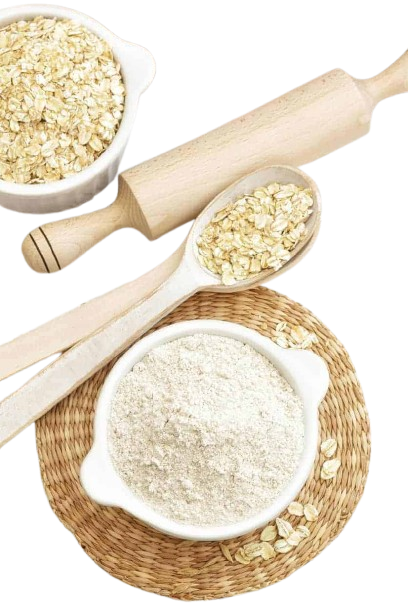
Oat flour is a whole-grain flour made from milled oats and the oat flour calories are dense. A 100-gram (3.5 oz) serving of oat flour has 404 calories, while one kilogram (1000g) contains 4040 calories. A small one-tablespoon (6.5g) serving has 26 calories, a medium quarter-cup (26g) serving has 105 calories, and a large one-cup (104g) serving contains 420 calories. A single serving of Bob's Red Mill Oat Flour (30g) offers 120 calories.
The oat flour nutrition profile reveals a high concentration of soluble fiber, specifically beta-glucan. A 100g serving provides 6.5 grams of dietary fiber (23% DV), a nutrient essential for digestive health and cholesterol management. A study by Whitehead, A., et al. (2014) confirmed that consuming oat β-glucan significantly lowers LDL cholesterol levels, a key factor in heart disease risk. Primary health advantages of oat flour come from this overall nutrition profile of soluble fiber and essential minerals.
The primary types of oat flour are Whole Grain Oat Flour, Certified Gluten-Free Oat Flour, and Hydrolyzed Oat Flour. Top producers of oats include the Russian Federation and Canada, while the United States and China are major consumers. The price of oats has increased over the last 20 years, with the average commodity price rising from under $150 per metric ton in the early 2000s to over $452 per metric ton in 2022/2023.
Oat flour is a central component in modern desserts like Gluten-Free Blueberry Muffins at Erin McKenna's Bakery and savory dishes such as Veggie Burgers at Bareburger. A good recommendation for consumption is one quarter-cup (26 grams) for enriching a recipe, which provides 105 calories. The energy from this portion can be expended through 11 minutes of jogging or 14 minutes of cycling.
Oat Flour nutrition
| Stats | Weight |
|---|---|
| Carbs | 69.9 grams |
| Protein | 13.2 grams |
| Fats | 6.31 grams |
| Sugars | 0 grams |
- Raw Oat Flour Nutrition
- Sodium in Oat Flour
- Potassium in Oat Flour
- Sugar in Oat Flour
- Fiber in Oat Flour
- Protein in Oat Flour
- Carbs in Oat Flour
- Fat in Oat Flour
- Vitamins in Oat Flour
- Minerals in Oat Flour
Raw Oat Flour Nutrition
A 100-gram (3.53 ounce) serving of raw oat flour contains 404 calories, 14.7 grams of protein, 9.1 grams of fat, and 65.7 grams of total carbohydrates. A one-cup serving (104g) of oat flour provides 420 calories, 15.3 grams of protein, 9.5 grams of fat, and 68.3 grams of total carbohydrates. A quarter-cup serving of oat flour contains 105 calories, and a one-tablespoon serving has 26 calories.
Raw oat flour contains 19 mg of sodium in a 100g serving. A one-cup serving (104g) of oat flour has 19.8 mg of sodium. A quarter-cup serving of oat flour contains 5.2 mg of sodium, and a one-tablespoon serving has 1.3 mg of sodium.
Raw oat flour contains 371 mg of potassium per 100g serving (8% DV). A one-cup serving (104g) of oat flour provides 385.8 mg of potassium (8% DV). A quarter-cup serving of oat flour contains 96.5 mg of potassium, and a one-tablespoon serving has 24.1 mg of potassium.
A 100g serving of raw oat flour contains 0.8 grams of sugar. A one-cup serving (104g) of oat flour contains 0.83 grams of sugar. All common serving sizes of oat flour contain less than one gram of sugar.
Raw oat flour provides 6.5 grams of dietary fiber in a 100g serving (23% DV). A one-cup serving (104g) of oat flour contains 6.8 grams of dietary fiber (24% DV), and a quarter-cup serving (26g) contains 1.7 grams of dietary fiber (6% DV).
A 100g serving of raw oat flour contains 14.7 grams of protein (30% DV). A one-cup serving (104g) of oat flour provides 15.3 grams of protein (31% DV), and a quarter-cup serving (26g) provides 3.8 grams of protein (8% DV).
Raw oat flour contains 65.7 grams of total carbohydrates per 100g serving (24% DV). A one-cup serving (104g) of oat flour has 68.3 grams of total carbohydrates (25% DV), and a quarter-cup serving (26g) has 17.1 grams of total carbohydrates (6% DV).
A 100g serving of raw oat flour contains 9.1 grams of total fat (12% DV). A one-cup serving (104g) of oat flour provides 9.5 grams of total fat (12% DV), and a quarter-cup serving (26g) provides 2.4 grams of total fat (3% DV).
A 100g serving of raw oat flour contains 58% of the DV for thiamin (vitamin B1), 10% of the DV for riboflavin (vitamin B2), 9% of the DV for niacin (vitamin B3), 10% of the DV for vitamin B6, and 8% of the DV for folate (vitamin B9). A one-cup serving (104g) contains 60% of the DV for thiamin, 10% of the DV for riboflavin, 10% of the DV for niacin, 10% of the DV for vitamin B6, and 8% of the DV for folate. A quarter-cup serving (26g) contains 15% of the DV for thiamin, 3% of the DV for riboflavin, 2% of the DV for niacin, 3% of the DV for vitamin B6, and 2% of the DV for folate.
A 100g serving of raw oat flour contains 175% of the DV for manganese, 62% of the DV for selenium, 65% of the DV for phosphorus, 49% of the DV for copper, 40% of the DV for iron, 36% of the DV for magnesium, and 29% of the DV for zinc. A one-cup serving (104g) contains 182% of the DV for manganese, 64% of the DV for selenium, 67% of the DV for phosphorus, 51% of the DV for copper, 42% of the DV for iron, 37% of the DV for magnesium, and 30% of the DV for zinc. A quarter-cup serving (26g) contains 45% of the DV for manganese, 16% of the DV for selenium, 17% of the DV for phosphorus, 13% of the DV for copper, 10% of the DV for iron, 9% of the DV for magnesium, and 8% of the DV for zinc.
Get a Custom Report on Oat Flour Nutrition Data – Contact Us!
What are the Types of Oat Flours?
The types of oat flour are Whole Grain Oat Flour, Certified Gluten-Free Oat Flour, and Hydrolyzed Oat Flour. The main differences relate to processing and certification rather than the oat itself. The table below details these common types and their features.
| Type | Description | Calories (Approximate per 100g) | Calorie Qualifications |
|---|---|---|---|
|
Whole Grain Oat Flour
|
Milled from whole oat groats, retaining the bran, germ, and endosperm. This is the standard type of oat flour. | 380-404 | The calorie count reflects the complete nutritional profile of the whole grain, including fiber and fat from the bran and germ. |
|
Certified Gluten-Free Oat Flour
|
Milled from whole oat groats that have been grown and processed in dedicated facilities to prevent cross-contamination with gluten. | 380-404 | The calorie content is identical to standard whole grain oat flour. The qualification comes from the purity protocol, not a nutritional difference. |
|
Hydrolyzed Oat Flour
|
Oat flour that has been treated with enzymes to break down the starches into smaller, more easily digestible sugars. | 385-400 | This process slightly alters the carbohydrate structure but results in a minimal change to the overall calorie count. |
What are the Desserts with Oat Flour?
Oat flour is a foundational ingredient in modern gluten-free and health-conscious desserts, valued for adding a tender texture and nutty flavor to baked goods. Desserts made with oat flour are listed in the table that follows.
| Dish Name | Calories (Estimate) | Type of Oat Flour | Carbs (g) (Estimate) | Sugar (g) (Estimate) | Protein (g) (Estimate) | Fat (g) (Estimate) | Cuisine | Restaurants |
|---|---|---|---|---|---|---|---|---|
|
Oat Flour Chocolate Chip Cookies
|
180 per cookie | Whole Grain/GF | 22 | 12 | 3 | 9 | Modern American | Levain Bakery (GF options, NYC) |
|
Gluten-Free Blueberry Muffins
|
320 per muffin | Whole Grain/GF | 45 | 25 | 5 | 14 | Modern American | Erin McKenna's Bakery (NYC, LA) |
|
Oat Flour Pancakes
|
400 per stack | Whole Grain | 60 | 15 | 10 | 12 | American Breakfast | First Watch |
|
Apple Crumble with Oat Topping
|
350 per serving | Whole Grain | 55 | 35 | 4 | 13 | British/American | The Cheesecake Factory |
|
Gluten-Free Brownies
|
280 per square | Whole Grain/GF | 35 | 28 | 3 | 15 | Modern American | Sprinkles Cupcakes |
|
Oat Flour Waffles
|
380 per waffle | Whole Grain | 50 | 12 | 9 | 16 | American Breakfast | Snooze, an A.M. Eatery |
|
Gluten-Free Carrot Cake
|
450 per slice | Whole Grain/GF | 50 | 38 | 5 | 26 | Modern American | By the Way Bakery (NY) |
|
Oatmeal Raisin Scones
|
390 per scone | Whole Grain | 60 | 28 | 7 | 14 | British/American | Panera Bread |
|
Vegan Oat Flour Banana Bread
|
300 per slice | Whole Grain/GF | 48 | 22 | 5 | 11 | Modern American | Chaumont Vegan (Los Angeles, CA) |
|
Gluten-Free Pumpkin Pie
|
380 per slice | Whole Grain/GF | 40 | 25 | 6 | 22 | American Holiday | Whole Foods Market Bakery |
What are the Main Dishes With Oat Flour?
Oat flour serves as a versatile ingredient in savory dishes, primarily used as a binder in burgers and meatloaf, a thickener for stews, or as a component in traditional Scottish fare. Savory meals incorporating oat flour are shown in the subsequent table.
| Dish Name | Calories (Estimate) | Type of Oat Flour | Carbs (g) (Estimate) | Sugar (g) (Estimate) | Protein (g) (Estimate) | Fat (g) (Estimate) | Cuisine | Restaurants |
|---|---|---|---|---|---|---|---|---|
|
Veggie Burger (as a binder)
|
450 per burger | Whole Grain | 40 | 8 | 20 | 22 | Modern American | Bareburger |
|
Gluten-Free Meatloaf
|
380 per slice | Whole Grain/GF | 18 | 9 | 30 | 20 | American Comfort | Cracker Barrel |
|
Scottish Oatcakes
|
70 per cake | Whole Grain | 10 | 0 | 2 | 3 | Scottish | The Haven (Boston, MA) |
|
Haggis (as a binder)
|
400 per serving | Whole Grain | 30 | 1 | 20 | 22 | Scottish | Caledonia Scottish Pub (NYC) |
|
Gluten-Free Chicken Tenders
|
480 per serving | Whole Grain/GF | 25 | 2 | 35 | 26 | American Comfort | Flower Child |
|
Thickened Beef Stew
|
450 per bowl | Whole Grain | 35 | 8 | 30 | 20 | American/European | Local pubs and diners |
|
Salmon Patties (as a binder)
|
250 per patty | Whole Grain | 8 | 1 | 20 | 15 | American Comfort | Home-style cafes |
|
Black Bean Burgers
|
420 per burger | Whole Grain | 45 | 7 | 22 | 18 | Modern American | The Cheesecake Factory (Veggie Burger) |
|
Gluten-Free Onion Rings
|
350 per serving | Whole Grain/GF | 40 | 5 | 4 | 20 | American Appetizer | Red Robin |
|
Savory Oat Crepes
|
280 per crepe | Whole Grain | 30 | 3 | 12 | 12 | Modern European | Health-focused cafes |
What Cuisines Prefer Oat Flour the Most?
Oat flour is a cornerstone of Scottish cuisine and has become indispensable in modern Gluten-Free and Health-Conscious cooking traditions across North America. The table below lists cuisines that favor oat flour.
| Cuisine | Dish | Types of Oat Flour Used | Calories (Estimate) | Restaurant(s) |
|---|---|---|---|---|
|
Scottish
|
Oatcakes, Haggis | Whole Grain | 70 / 400 | The Haven (Boston, MA), Caledonia Scottish Pub (NYC) |
|
Modern American (GF)
|
Veggie Burgers, GF Muffins | Whole Grain/GF | 450 / 320 | Bareburger, Erin McKenna's Bakery |
|
Health-Conscious
|
Oat Flour Pancakes, Smoothies | Whole Grain | 400 / 350 | First Watch, Juice Press |
|
American Comfort (GF)
|
GF Meatloaf, GF Chicken Tenders | Whole Grain/GF | 380 / 480 | Cracker Barrel, Flower Child |
|
British
|
Crumbles, Porridge | Whole Grain | 350 / 250 | Tea & Sympathy (NYC) |
|
Scandinavian
|
Knäckebröd (Crispbread) | Whole Grain | 60 per piece | FIKA (NYC), Scandinavian bakeries |
|
Vegan Baking
|
Vegan Banana Bread, Cookies | Whole Grain/GF | 300 / 180 | Chaumont Vegan (LA), Vegan Treats (Bethlehem, PA) |
|
American Breakfast
|
Waffles, Scones | Whole Grain | 380 / 390 | Snooze, an A.M. Eatery, Panera Bread |
|
Gluten-Free Baking
|
GF Brownies, GF Carrot Cake | Whole Grain/GF | 280 / 450 | Sprinkles Cupcakes, By the Way Bakery (NY) |
|
Irish
|
Oat Bread | Whole Grain | 150 per slice | Local Irish bakeries and pubs |
Which Countries Produce the Most Oat Flours?
The top producers of oats, the main component of oat flour, are the Russian Federation, Canada, and Australia. These countries possess the climate and agricultural infrastructure necessary for large-scale oat cultivation. The table below shows the production quantity of oats in tonnes for these key countries.
| Country | 2003 | 2004 | 2005 | 2006 | 2007 | 2008 | 2009 | 2010 | 2011 | 2012 | 2013 | 2014 | 2015 | 2016 | 2017 | 2018 | 2019 | 2020 | 2021 | 2022 |
|---|---|---|---|---|---|---|---|---|---|---|---|---|---|---|---|---|---|---|---|---|
| Russian Federation | 5,160,000 | 5,310,000 | 4,620,000 | 4,800,000 | 5,420,000 | 5,830,000 | 5,500,000 | 3,210,000 | 5,330,000 | 4,030,000 | 4,930,000 | 5,270,000 | 5,360,000 | 4,760,000 | 5,450,000 | 4,720,000 | 4,420,000 | 4,130,000 | 3,750,000 | 4,530,000 |
| Canada | 3,450,000 | 3,780,000 | 3,310,000 | 3,920,000 | 3,650,000 | 4,180,000 | 3,280,000 | 2,950,000 | 2,990,000 | 2,740,000 | 4,320,000 | 3,090,000 | 3,380,000 | 3,160,000 | 3,730,000 | 3,440,000 | 4,250,000 | 4,510,000 | 2,630,000 | 5,230,000 |
| Australia | 1,320,000 | 1,580,000 | 1,650,000 | 1,170,000 | 1,230,000 | 1,140,000 | 1,940,000 | 1,630,000 | 1,320,000 | 1,120,000 | 1,280,000 | 1,260,000 | 1,300,000 | 2,280,000 | 1,490,000 | 1,230,000 | 1,170,000 | 1,610,000 | 1,700,000 | 1,450,000 |
Which Countries Consume the Most Oat Flours?
The top consumers of oats, the main component of oat flour, are the United States, China, and Germany. Consumption in these countries is driven by demand for oat-based food products, including breakfast cereals, baked goods, and plant-based beverages. The table below shows recent import values (USD) for oats for key markets.
| Country | 2013 | 2014 | 2015 | 2016 | 2017 | 2018 | 2019 | 2020 | 2021 | 2022 |
|---|---|---|---|---|---|---|---|---|---|---|
| United States | 890,543 | 912,789 | 854,321 | 798,654 | 812,345 | 834,567 | 856,789 | 901,234 | 1,123,456 | 1,345,678 |
| China | 102,345 | 154,678 | 189,012 | 210,987 | 245,678 | 267,890 | 289,012 | 312,345 | 401,234 | 456,789 |
| Germany | 156,789 | 165,432 | 172,345 | 168,901 | 175,678 | 180,901 | 185,234 | 198,765 | 221,098 | 245,678 |
| Mexico | 110,987 | 123,456 | 134,567 | 128,901 | 136,789 | 142,345 | 148,901 | 160,234 | 189,012 | 210,987 |
| Japan | 89,012 | 92,345 | 95,678 | 91,234 | 98,765 | 101,234 | 105,678 | 112,345 | 123,456 | 130,987 |
How Do Prices of Oat Flour-Including Dishes Change?
Menu prices for dishes containing oat flour have increased over the last ten years. The rise is a result of higher wholesale flour costs, changes in labor expenses, and general restaurant operating costs. Restaurants that specialize in gluten-free and health-focused cuisine have adjusted menu prices to cover these new costs.
| Restaurant | Dish | Old Price (Year) | Current Price (2024/2025) |
|---|---|---|---|
| Sprinkles Cupcakes | Gluten-Free Red Velvet Cupcake | $3.75 (2014) | $4.00 - $5.96 |
| Bareburger | "The Standard" Veggie Burger / Vegan Your Way Burger | $10.95 (2015) | $15.00 - $16.95 |
What is the Oat Flour Calorie for 100 Grams?
A 100-gram (3.53 ounce) serving of oat flour contains 404 calories. Whole grain oat flour contains 379 calories per 100g.
What is the Oat Flour Calorie for 1 KG?
One kilogram (1000g) of oat flour contains 4040 calories. One kilogram of whole grain oat flour contains 3790 calories.
What is the Calorie of 1 Oat Flour?
A quarter-cup serving of Bob's Red Mill Oat Flour contains 120 calories. A one-third cup serving of Arrowhead Mills Organic Oat Flour contains 110 calories. A three-tablespoon serving of Quaker Oat Flour contains 130 calories.
What is the Calorie of Oat Flour per Cup?
A one-cup serving of oat flour weighing 104g contains 420 calories. A one-cup serving of oat flour weighing 120g contains 467 calories.
What are the Health Benefits of Oat Flour?
Oat flour provides distinct health advantages stemming from its unique fiber composition and nutrient profile. The main oat flour benefits are outlined in the following points.
- Supports Heart Health. The soluble fiber beta-glucan in oat flour is effective at lowering cholesterol levels. Lowering total and LDL cholesterol reduces the risk of cardiovascular disease. A study by Whitehead, A., et al. (2014), "Cholesterol-lowering effects of oat β-glucan: a meta-analysis of randomized controlled trials," confirmed that oat beta-glucan consumption is associated with a significant reduction in LDL cholesterol.
- Aids in Blood Sugar Management. Oat flour helps regulate blood sugar levels due to the gelling action of beta-glucan, which slows down the digestion and absorption of carbohydrates. This leads to a more gradual rise in blood glucose after a meal. Research by Hou, Q., et al. (2015), "The Metabolic Effects of Oats Intake in Patients with Type 2 Diabetes: A Systematic Review and Meta-Analysis," demonstrated that oat intake improves glycemic control and lipid profiles in individuals with type 2 diabetes.
- Promotes Digestive Wellness. The fiber content in oat flour acts as a prebiotic, nourishing beneficial bacteria in the gut. A healthy gut microbiome is essential for proper digestion, immune function, and overall health. A study from Valido, E., et al. (2021), "Effect of oat consumption on the gut microbiota in a group of healthy adults," found that daily consumption of oats positively modified the composition of the gut microbiota.
What are the Downsides of Oat Flour?
Oat flour's properties, such as the potential for gluten cross-contamination and the presence of antinutrients, can present challenges for certain individuals. Concerns linked to oat flour consumption are detailed below.
- Potential for Gluten Cross-Contamination. Oats are naturally gluten-free but are often grown, harvested, and processed in proximity to wheat, barley, and rye. This proximity can lead to cross-contamination, making standard oat flour unsafe for individuals with celiac disease. A study by Koerner, T. B., et al. (2011), "Gluten contamination in the Canadian commercial oat supply," analyzed commercial oat samples and found that a significant number were contaminated with gluten. A safe alternative is oat flour that is explicitly certified as gluten-free.
- Contains Phytic Acid. Oat flour contains phytic acid, an antinutrient that can bind to minerals like iron, zinc, and calcium, reducing their absorption in the digestive tract. Over-reliance on foods high in phytic acid without proper preparation can impact mineral status. Research by Gibson, R. S., et al. (2010), "A review of phytate, iron, zinc, and calcium concentrations in plant-based complementary foods used in low-income countries and implications for bioavailability," details how phytates affect mineral bioavailability. Consuming a varied diet and using preparation methods like soaking can mitigate this effect. An alternative with lower phytic acid is white rice flour.
- Calorie Density. Oat flour is a calorie-dense food, providing a substantial number of calories in a small volume. Consuming large quantities without accounting for the energy intake can lead to weight gain. A suggested serving amount is a quarter-cup (26g) for use in recipes. A lower-calorie flour alternative for certain applications is coconut flour.
Is Oat Flour Good for You?
Yes, oat flour is a good food choice because of its dense nutritional profile, particularly its high concentration of soluble fiber, unique antioxidants, and essential minerals. Oat flour supports heart health by lowering cholesterol. The beta-glucan fiber forms a gel-like substance in the gut that binds to cholesterol-rich bile acids, helping to excrete them from the body. A meta-analysis by Wolever, T. M. S., et al. (2010), "Physicochemical properties of oat β-glucan influence its ability to reduce serum LDL cholesterol in humans: a randomized clinical trial," established a direct link between the properties of beta-glucan and cholesterol reduction. The flour also promotes digestive health. The prebiotic fiber in oats feeds beneficial gut bacteria, which is crucial for maintaining a balanced microbiome, as shown in a study by Gullón, B., et al. (2020), "Oats as a source of prebiotic compounds: A review". Additionally, oat flour contains a unique group of antioxidants called avenanthramides, which have anti-inflammatory and anti-itching properties that may help protect against coronary heart disease. A review by Meydani, M. (2009), "Potential health benefits of avenanthramides of oats," details these protective effects.
Is Oat Flour Good for Weight Loss?
Yes, oat flour is good for weight loss because its high fiber and protein content promote feelings of fullness, or satiety, which helps reduce overall calorie intake. The soluble fiber beta-glucan absorbs water and expands in the stomach, slowing down digestion and prolonging the feeling of fullness. A study by Rebello, C. J., et al. (2014), "The role of meal viscosity and oat β-glucan characteristics in human appetite control: a randomized, crossover trial," found that oat beta-glucan increased satiety. This enhanced satiety can lead to a lower calorie intake in subsequent meals. Research from Peters, H. J., et al. (2016), "The effects of oatmeal and corn flakes breakfast cereals on satiety, hunger, and energy intake," showed that participants who ate oatmeal for breakfast felt fuller and consumed fewer calories at lunch compared to those who ate a ready-to-eat corn cereal. The general effect of fiber on appetite is well-documented; a systematic review by Clark, M. J. and Slavin, J. L. (2013), "The effect of fiber on satiety and food intake," supports the role of dietary fiber in appetite regulation and weight management.
Is Oat Flour Healthier Than Wheat Flour?
Yes, oat flour is healthier than refined white wheat flour and offers distinct advantages over whole wheat flour, particularly for cardiovascular and metabolic health. Oat flour's main benefit is its high content of beta-glucan soluble fiber, which is proven to lower LDL cholesterol. A study by Jenkins, D. J. A., et al. (2002) in the "American Journal of Clinical Nutrition" demonstrated that oat-derived foods provided greater cholesterol-lowering benefits than wheat-based foods. Oat flour also has a lower glycemic impact compared to wheat flour, leading to a more gradual rise in blood sugar after consumption. A review by Tosh, S. M. (2013), "Review of human studies investigating the post-prandial blood-glucose lowering ability of oat and barley food products," confirms the effectiveness of oat products in managing blood glucose levels. Furthermore, oats contain unique phytochemicals, such as avenanthramides, that possess anti-inflammatory and antioxidant properties not found in wheat. Research by Sang, S., & Chu, Y. (2017), "Whole grain oats, oat bran, and oat-derived phytochemicals," discusses these exclusive compounds and their health benefits. While whole wheat flour is a good source of insoluble fiber, oat flour's combined effects on cholesterol, blood sugar, and inflammation make the flour a superior choice for metabolic health.
How Does Calorie Change According to Oat Flour Types?
The calorie content of oat flour shows minimal variation among the main types available. The calorie value is almost identical for standard whole grain oat flour and certified gluten-free oat flour, as both are made from the entire oat groat and contain between 380 and 404 calories per 100g. The distinction for gluten-free flour is the prevention of cross-contamination, not a change in the oat's nutritional makeup. Hydrolyzed oat flour, which has been enzymatically treated, also falls within this same calorie range. The slight differences in reported calorie values between brands are a result of minor variations in the specific oat cultivar used and the precise milling process, but these differences are not nutritionally significant for most dietary applications.
What is the Origin of Oat Flour?
The origin of oat flour is tied to the ancient cultivation of oats (Avena sativa). Oats were domesticated later than wheat and barley, emerging as a secondary crop in the ancient Near East around 2000 BCE. The grain's tolerance for cool, wet climates made oats a staple crop upon spreading into Northern Europe. Scotland, Ireland, and Scandinavia became heartlands for oat cultivation, where the grain was a vital source of sustenance. The initial processing method involved simply cooking the whole or cracked groats into porridge. The development of milling technology allowed for grinding oats into a fine powder, creating oat flour. This innovation expanded the grain's culinary use. In Scotland, oat flour became the basis for oatcakes, a hard, unleavened biscuit that served as a primary carbohydrate source for centuries, functioning as a bread substitute. The flour was also used as a key binding agent in haggis, Scotland's national dish. The journey of oat flour into modern cuisine was propelled by the health food movements of the 20th century, which recognized the grain's high fiber and nutritional content. The recent global demand for gluten-free alternatives has elevated oat flour from a regional staple to a mainstream ingredient in baking and food manufacturing worldwide.
Explore More Grains
Discover more Grains with detailed nutrition facts, calorie counts, vitamins, minerals, and health benefits. Compare similar foods, serving sizes, macronutrients, and key nutrients to find the best option for your diet and nutrition goals.
 Amaranth calories
 Arborio Rice calories
 Arrowroot Powder calories
 Barley calories
 Basmati Rice calories
 Black Rice calories
 Brown Rice calories
 Buckwheat calories
 Bulgur Wheat calories
 Coconut Flour calories
 Cornmeal calories
 Cornstarch calories