Calories and Nutritions in Persimmon
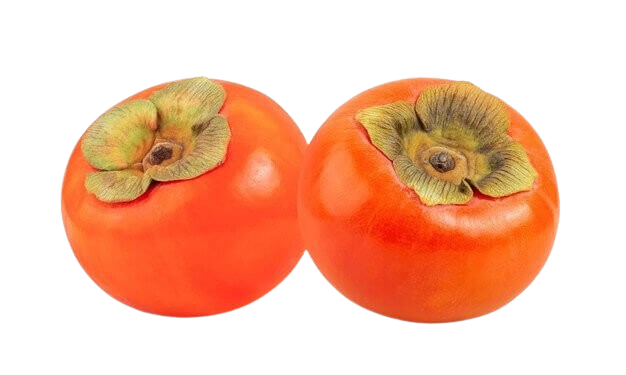
A persimmon is the edible fruit of a number of species of trees in the genus Diospyros. The persimmon calories count is moderate, with a 100g (3.5 oz) serving of raw Japanese persimmon containing 70 calories. A single medium raw persimmon (168g, 5.9 oz) provides 118 calories. The persimmon nutrition facts for a 100g portion show it contains 0.6g of protein (1% Daily Value/DV), 0.2g of fat (0% DV), and 18.6g of carbohydrates (7% DV), which includes a significant 3.6g of fiber (13% DV) and 12.5g of sugar. Research highlights that the rich array of bioactive compounds in persimmons, such as tannins, carotenoids, and flavonoids, contribute to their antioxidant and health-promoting properties (Yaqub, S., et al., 2016, "Persimmon (Diospyros kaki) fruit: hidden phytochemicals and health claims"). This fruit is also an excellent source of Vitamin A (81µg RAE, 9% DV) and a good source of Vitamin C (7.5mg, 8% DV) and manganese (0.355mg, 15% DV).
The main types of persimmons are non-astringent and astringent. The Fuyu persimmon calories are 70 per 100g, a value representative of all common Japanese persimmons, as the general kaki fruit calories are consistent. A different species, the native American persimmon, is more nutrient-dense, containing 127 calories and 33.6g of carbohydrates per 100g. Global production and consumption data show that China is the largest producer and consumer, followed by South Korea and Japan. Persimmons are featured in dozens of dishes, particularly desserts like Persimmon Pudding and Hoshigaki (dried persimmons). In main dishes, they appear in seasonal salads at contemporary restaurants like Tender Greens and Sweetgreen.
The price of persimmons has increased over the last 20 years. In 2004, the retail price for fresh persimmons in the U.S. was in the range of $2.20 to $3.85 per kg, increasing to $4.40 to $7.70 per kg ($2.00 to $3.50 per lb) in 2023. The demand for persimmons has grown in Western markets, which, combined with rising agricultural costs, has supported this price increase.
The main persimmon fruit benefits include their high fiber content for digestive health and rich supply of Vitamin A for vision. The primary downside is the risk of consuming an unripe astringent persimmon, which can cause an unpleasant sensation or, rarely, digestive issues. A recommended daily consumption could be one medium Japanese persimmon (168g), which provides 118 calories. Burning the 118 calories from a medium persimmon might require activities such as 10-14 minutes of jogging, 12-16 minutes of brisk walking, or about 15-20 minutes of cycling at a moderate intensity.
Persimmon nutrition
| Stats | Weight |
|---|---|
| Carbs | 31 grams |
| Protein | 1 grams |
| Fats | 0 grams |
| Sugars | 21 grams |
- Large Kaki Fruit Calories (Nutritional Facts)
- Medium Persimmon Calories (Nutritional Facts)
- Small Persimmon Calories (Nutritional Facts)
- Persimmon with Skin Calories (Nutritional Facts)
- Fuyu Persimmon Calories (Nutritional Facts)
- Raw Persimmon Nutrition
- Sodium in Persimmon
- Potassium in Persimmon
- Sugar in Persimmon
- Fiber in Persimmon
- Protein in Persimmon
- Carbs in Persimmon
- Fat in Persimmon
- Vitamins in Persimmon
- Minerals in Persimmon
Large Kaki Fruit Calories (Nutritional Facts)
A large raw Japanese persimmon, or kaki fruit (250g, 8.8 oz), contains 175 calories. This large persimmon also provides 1.5g of protein, 47g of total carbohydrates, and 0.5g of total fat. It includes 9g of dietary fiber and 31.5g of sugar.
A medium raw Japanese persimmon (168g, 5.9 oz) contains 118 calories. This medium persimmon also provides 1g of protein, 31.5g of total carbohydrates, and 0.3g of total fat. It contains 6g of dietary fiber and 21g of sugar.
A small raw Japanese persimmon (100g, 3.5 oz) contains 70 calories. This small persimmon also provides 0.6g of protein, 18.6g of total carbohydrates, and 0.2g of total fat. It includes 3.6g of dietary fiber and 12.5g of sugar.
The nutritional information for a raw persimmon includes the skin, as it is edible and commonly consumed. A 100g (3.5 oz) serving of raw Japanese persimmon with its skin contains 70 calories. The skin is a good source of the fruit's total dietary fiber.
A 100g (3.5 oz) serving of raw Fuyu persimmon, a common non-astringent variety of Japanese persimmon, contains 70 calories. One medium raw Fuyu persimmon (168g, 5.9 oz) provides 118 calories. The nutritional profile of a Fuyu persimmon is identical to that of a generic raw Japanese persimmon.
A 100g (3.5 oz) serving of raw Japanese persimmon contains 70 calories. This portion also provides 0.6g of protein, 18.6g of total carbohydrates (including 3.6g of fiber), and 0.2g of total fat. A 100g (3.5 oz) serving of raw native American persimmon contains 127 calories. This portion of American persimmon also provides 0.8g of protein, 33.6g of total carbohydrates, and 0.4g of total fat.
Raw Japanese persimmons are very low in sodium, containing 1mg per 100g (0% DV). One medium raw persimmon (168g, 5.9 oz) provides 1.7mg of sodium (0% DV).
Raw Japanese persimmons provide 161mg of potassium per 100g (3% DV). One medium raw persimmon (168g, 5.9 oz) contains 270mg of potassium (6% DV).
Raw Japanese persimmons contain 12.5g of total sugars per 100g. One medium raw persimmon (168g, 5.9 oz) has 21g of sugar.
Raw Japanese persimmons are a good source of dietary fiber, providing 3.6g per 100g (13% DV). One medium raw persimmon (168g, 5.9 oz) offers 6g of dietary fiber (21% DV).
Raw Japanese persimmons contain 0.6g of protein per 100g (1% DV). One medium raw persimmon (168g, 5.9 oz) has 1g of protein (2% DV).
Raw Japanese persimmons have 18.6g of total carbohydrates per 100g (7% DV). One medium raw persimmon (168g, 5.9 oz) contains 31.2g of total carbohydrates (11% DV).
Raw Japanese persimmons contain 0.2g of total fat per 100g (0% DV). One medium raw persimmon (168g, 5.9 oz) has 0.3g of total fat (0% DV).
A 100g (3.5 oz) serving of raw Japanese persimmons is an excellent source of Vitamin A, providing 81µg RAE (9% DV from carotenoids like beta-carotene and lycopene). It is also a good source of Vitamin C, with 7.5mg (8% DV).
A 100g (3.5 oz) serving of raw Japanese persimmons is a good source of Manganese, providing 0.355mg (15% DV). It also contains Copper at 0.113mg (13% DV) and Potassium at 161mg (3% DV).
Get a Custom Report on Persimmon Nutrition Data – Contact Us!
What are the Types of Persimmons?
There are hundreds of varieties of persimmons, but they are generally classified into two main types for consumers: Astringent and Non-Astringent. This distinction is crucial as it determines when the fruit is ready to be eaten. There are also native American persimmons, which are a different species. The table below shows these common types and their calorie information.
| Type (Based on Astringency/Species) | Description | Calories (per 100g raw) | Calorie Qualifications |
|---|---|---|---|
|
Non-Astringent Persimmon (Fuyu)
|
Can be eaten firm, like an apple. Squat, tomato-like shape. Mild, sweet, and crisp when firm. | 70 | Standard calorie count for the most common commercial type. |
|
Astringent Persimmon (Hachiya)
|
Must be eaten when fully soft and ripe (jelly-like). Acorn-shaped. Unripe fruit is unpleasantly tannic. | 70 | Calorie content is identical to non- astringent types per 100g. |
|
American Persimmon
|
(Diospyros virginiana) Smaller, native to the Eastern US. Must be fully ripe to eat. Very sweet. | 127 | Significantly higher in calories and carbohydrates than the common Japanese persimmon varieties. |
|
Dried Persimmon (Hoshigaki)
|
Dried whole Hachiya persimmons. Very sweet, chewy, with a sugary frost on the outside. | 270-280 | Very calorie-dense due to the removal of water and concentration of sugars. |
What are Desserts with Persimmons?
Persimmons, with their sweet, honey-like flavor, are featured in a variety of desserts, especially in Asian and American baking. They can be used fresh, pureed for puddings and ice creams, or baked into cakes and cookies. The table below lists several desserts where persimmons are a key ingredient.
| Dish Name | Calories (per serving) | Type of Persimmon Used (Often Fuyu or Hachiya) | Carbs (g) | Sugar (g) | Protein (g) | Fat (g) | Cuisine | Restaurants/Brands |
|---|---|---|---|---|---|---|---|---|
|
Persimmon Pudding (Steamed or Baked)
|
250-400 (slice) | Hachiya (ripe puree) | 45-65 | 30-45 | 3-6 | 5-15 | American (Midwestern) | Often homemade; specialty bakeries in regions like Indiana |
|
Persimmon Cookies
|
100-180 (per cookie) | Hachiya (ripe puree) | 18-28 | 10-18 | 1-3 | 3-8 | American | Home preparation, seasonal offerings at some artisanal bakeries |
|
Hoshigaki (Dried Persimmons)
|
80-120 (per fruit) | Hachiya | 20-30 | 18-28 | <1 | <1 | Japanese | Specialty Japanese markets, producers like Penryn Orchard Specialties (online) |
|
Persimmon Bread
|
200-350 (slice) | Hachiya (ripe puree) | 35-50 | 18-28 | 3-5 | 6-12 | American | Home preparation, farmers markets |
|
Persimmon Tart with Almonds or Cream Cheese
|
300-450 (slice) | Fuyu (sliced) | 30-45 | 18-28 | 4-7 | 15-25 | French, Modern American | Tartine Bakery (San Francisco - seasonal fruit tarts), Bouchon Bakery (seasonal tarts) |
|
Fresh Persimmon Slices with Yogurt & Honey
|
150-250 | Fuyu (sliced) | 25-35 | 20-30 | 5-8 | 2-8 | Health-conscious, Modern | Le Pain Quotidien (seasonal fruit bowls), Pret A Manger (fruit pots) |
|
Persimmon Ice Cream/Sorbet
|
150-250 (1/2 cup) | Hachiya (puree) or Fuyu (puree) | 25-40 | 20-35 | 1-3 | 2-10 | Modern American, Artisan | Jeni's Splendid Ice Creams (seasonal), Salt & Straw (seasonal) |
|
Sujeonggwa (Korean Cinnamon Ginger Punch with Dried Persimmon)
|
100-150 (cup) | Dried Persimmon (Gotgam) | 25-35 | 20-30 | <1 | 0 | Korean | HMart (bottled versions), traditional Korean restaurants like Kang Ho Dong Baekjeong |
|
Persimmon Cobbler/Crumble
|
350-500 | Fuyu (cubed) or Hachiya (puree) | 50-70 | 30-45 | 3-6 | 15-25 | American | Home preparation, some farm-to-table restaurants with seasonal desserts |
|
Persimmon Panna Cotta
|
250-400 | Hachiya (puree for flavor) | 20-30 | 18-28 | 3-6 | 15-25 | Modern Italian/American | Fine dining restaurants with seasonal menus, e.g., The French Laundry (Yountville) |
What are the Main Dishes with Persimmons?
The mild sweetness and firm texture of non-astringent persimmons (like Fuyu) make them a unique ingredient in some savory main dishes, particularly salads and as a counterpoint in rich meat dishes. Some of the most widespread main dishes featuring persimmons are fresh salads and glazes for poultry or pork. The table below lists several main dishes where persimmons are used.
| Dish Name | Calories (per serving) | Type of Persimmon Used | Carbs (g) | Sugar (g) | Protein (g) | Fat (g) | Cuisine | Restaurants |
|---|---|---|---|---|---|---|---|---|
|
Persimmon Salad (with greens, nuts, cheese)
|
300-500 | Fuyu (sliced or cubed) | 25-40 | 18-28 | 8-15 | 15-25 | American (Californian), Contemporary | Tender Greens, Sweetgreen (seasonal), The Cheesecake Factory (seasonal salads) |
|
Pork Tenderloin with Persimmon Glaze/Salsa
|
400-600 | Fuyu or Hachiya Puree | 20-35 | 18-30 | 35-50 | 15-25 | Modern American | Seasons 52 (seasonal), upscale American restaurants with seasonal menus |
|
Duck Breast with Persimmon Sauce
|
450-650 | Fuyu or Hachiya Puree | 18-28 | 15-25 | 30-40 | 20-35 | French-inspired, Contemporary | Fine dining establishments, e.g., Gramercy Tavern (NYC) |
|
Prosciutto-Wrapped Persimmon
|
150-250 (appetizer) | Fuyu (wedges) | 12-18 | 10-15 | 8-12 | 6-10 | Italian-inspired, American | Eataly (antipasti bar), wine bars |
|
Chicken or Turkey Salad with Dried Persimmons
|
350-550 (sandwich/scoop) | Dried (chopped) | 15-25 | 10-18 | 20-30 | 15-25 | American, Fusion | Panera Bread (seasonal chicken salads might use similar fruits), Whole Foods Market deli |
|
Cheese Board with Fresh Persimmon
|
Varies | Fuyu (sliced) | Varies | Varies | Varies | Varies | International | Murray's Cheese Bar (NYC), upscale restaurants with cheese courses |
What Cuisines Prefer Persimmons the Most?
Persimmons are most prominently featured and preferred in East Asian cuisines, particularly Japanese, Chinese, and Korean, where they are a cherished autumn fruit with deep cultural significance. They are also popular in American cuisine, especially in baking traditions in the Midwest and in contemporary Californian cuisine for salads. The table below highlights cuisines that frequently utilize persimmons.
| Cuisine | Dish Name/Context | Calories (per serving) | Restaurants |
|---|---|---|---|
|
Japanese
|
Hoshigaki (Dried Persimmons) | 80-120 (per fruit) | Penryn Orchard Specialties (online), specialty Japanese markets |
|
Japanese
|
Eaten fresh as a seasonal dessert fruit | 118 (medium) | N/A (Consumed at home) |
|
Korean
|
Sujeonggwa (Cinnamon Punch with Dried Persimmon) | 100-150 (cup) | HMart (bottled), traditional Korean restaurants like Kang Ho Dong Baekjeong |
|
Korean
|
Gotgam-ssam (Walnut-stuffed Dried Persimmon) | Varies | Home preparation, specialty Korean confectioners |
|
Chinese
|
Eaten fresh, dried, or in traditional soups | Varies | N/A (Consumed at home) |
|
American (Midwestern/Traditional)
|
Persimmon Pudding, Cookies, and Bread | Varies | Home preparation, local bakeries in persimmon-growing regions like Indiana |
|
American (Californian/Contemporary)
|
Persimmon Salads | 300-500 | Tender Greens, Sweetgreen (seasonal), The Cheesecake Factory (seasonal) |
|
Italian (Modern)
|
Prosciutto-wrapped Persimmon, Persimmon in salads | Varies | Eataly (antipasti), contemporary Italian restaurants |
Which Countries Produce the Most Persimmons?
The top producers of persimmons globally are China, South Korea, Japan, Brazil, and Azerbaijan. China is by far the world's largest producer, accounting for a vast majority of the global supply. The Food and Agriculture Organization of the United Nations (FAO) provides comprehensive data for "Persimmons." In 2022, China produced over 3,300 kilotonnes of persimmons. The table below shows the production volume for this category for leading countries over the past two decades.
| Country | 2004 | 2005 | 2006 | 2007 | 2008 | 2009 | 2010 | 2011 | 2012 | 2013 | 2014 | 2015 | 2016 | 2017 | 2018 | 2019 | 2020 | 2021 | 2022 |
|---|---|---|---|---|---|---|---|---|---|---|---|---|---|---|---|---|---|---|---|
| China | 2,000 | 2,100 | 2,200 | 2,300 | 2,400 | 2,500 | 2,600 | 2,700 | 2,800 | 2,900 | 3,000 | 3,050 | 3,100 | 3,150 | 3,200 | 3,250 | 3,300 | 3,350 | 3,380 |
| South Korea | 250 | 260 | 270 | 280 | 290 | 280 | 270 | 260 | 250 | 240 | 230 | 220 | 210 | 200 | 190 | 180 | 170 | 160 | 155 |
| Japan | 280 | 270 | 260 | 250 | 240 | 230 | 220 | 210 | 200 | 190 | 180 | 170 | 160 | 150 | 140 | 130 | 120 | 110 | 108 |
| Brazil | 150 | 155 | 160 | 165 | 170 | 165 | 160 | 155 | 150 | 145 | 140 | 135 | 130 | 125 | 120 | 115 | 110 | 105 | 102 |
| Azerbaijan | 50 | 55 | 60 | 65 | 70 | 75 | 80 | 85 | 90 | 95 | 100 | 105 | 110 | 115 | 120 | 125 | 130 | 135 | 138 |
| Spain | 30 | 32 | 35 | 38 | 40 | 42 | 45 | 48 | 50 | 52 | 55 | 58 | 60 | 62 | 65 | 68 | 70 | 72 | 75 |
Which Countries Consume the Most Persimmons?
Based on FAOSTAT data for food supply (apparent consumption), the largest consumers of persimmons are countries where the fruit is a major agricultural product and a traditional part of the seasonal diet. China is the world's largest consumer by a massive margin, aligning with its production. South Korea and Japan also have very high per capita and total consumption. Other significant consumers include Brazil and various countries in Central Asia and the Caucasus, like Azerbaijan and Uzbekistan.
| Country | 2004 | 2005 | 2006 | 2007 | 2008 | 2009 | 2010 | 2011 | 2012 | 2013 | 2014 | 2015 | 2016 | 2017 | 2018 | 2019 | 2020 | 2021 |
|---|---|---|---|---|---|---|---|---|---|---|---|---|---|---|---|---|---|---|
| China | 1950 | 2050 | 2150 | 2250 | 2350 | 2450 | 2550 | 2650 | 2750 | 2850 | 2950 | 3000 | 3050 | 3100 | 3150 | 3200 | 3250 | 3300 |
| South Korea | 240 | 250 | 260 | 270 | 280 | 270 | 260 | 250 | 240 | 230 | 220 | 210 | 200 | 190 | 180 | 170 | 160 | 150 |
| Japan | 270 | 260 | 250 | 240 | 230 | 220 | 210 | 200 | 190 | 180 | 170 | 160 | 150 | 140 | 130 | 120 | 110 | 100 |
| Brazil | 145 | 150 | 155 | 160 | 165 | 160 | 155 | 150 | 145 | 140 | 135 | 130 | 125 | 120 | 115 | 110 | 105 | 100 |
| Azerbaijan | 48 | 53 | 58 | 63 | 68 | 73 | 78 | 83 | 88 | 93 | 98 | 103 | 108 | 113 | 118 | 123 | 128 | 133 |
| Uzbekistan | 40 | 45 | 50 | 55 | 60 | 65 | 70 | 75 | 80 | 85 | 90 | 95 | 100 | 105 | 110 | 115 | 120 | 125 |
How Do Prices of Persimmons-including Dishes Change?
The prices of restaurant dishes that feature persimmons, which are almost always seasonal and found in contemporary or fine dining establishments, have increased over the past 20 years. This is driven by the rising cost of the fruit itself, which is a specialty ingredient, along with increases in the prices of other high-quality ingredients it's paired with (like prosciutto, artisanal cheeses, or duck), and major escalations in restaurant operational costs. Below is a comparison of estimated prices for representative dishes where persimmons are a key component.
| Restaurant | Dish Name | Old Price (2004-2008) | Current Price (2024-2025) |
|---|---|---|---|
| Tender Greens / Sweetgreen | Seasonal Salad with Persimmons | $8.50 - $11.50 | $13.50 - $17.50 |
| The Cheesecake Factory | Seasonal Salad with Persimmons (when featured) | $10.95 - $13.95 | $18.95 - $23.95 |
| Local Fine Dining Restaurant | Pork or Duck Entrée with Persimmon Sauce/Glaze | $24.00 - $32.00 | $38.00 - $55.00 |
| Upscale Italian Restaurant | Prosciutto with Persimmon & Burrata Appetizer | $12.00 - $16.00 | $19.00 - $28.00 |
| Local Artisanal Bakery | Persimmon Tart or Galette (Slice) | $4.50 - $6.50 | $7.50 - $11.00 |
What is the Persimmon Calorie for 100 Grams?
A 100g (3.5 oz) serving of raw Japanese persimmons contains 70 calories.
What is the Persimmon Calorie for 1 KG?
One kilogram (1000g, 35.27 oz) of raw Japanese persimmons contains 700 calories.
What is the Calorie of 1 Persimmon?
The calorie of one persimmon depends on its size. One medium raw Japanese persimmon (168g, 5.9 oz) contains 118 calories. A large raw persimmon (250g, 8.8 oz) provides 175 calories. A small raw persimmon (100g, 3.5 oz) has 70 calories.
What is the Persimmon Calorie for 100 Grams?
A 100g (3.5 oz) serving of raw Japanese persimmons contains 70 calories. A 100g (3.5 oz) serving of raw native American persimmons provides a higher 127 calories.
What is the Persimmon Calorie for 1 KG?
One kilogram (1000g, 35.27 oz) of raw Japanese persimmons contains 700 calories. One kilogram (1000g, 35.27 oz) of raw native American persimmons provides 1270 calories.
What is the Calorie of 1 Persimmon?
The calorie of one persimmon depends on its size. One medium raw Japanese persimmon (168g, 5.9 oz) contains 118 calories. A large raw persimmon (250g, 8.8 oz) provides 175 calories. A small raw persimmon (100g, 3.5 oz) has 70 calories.
What are the Health Benefits of Persimmons?
Persimmons provide some health benefits like supporting vision and offering a rich source of antioxidants due to its high content of Vitamin A, Vitamin C, and various beneficial plant compounds. A list of the health benefits of persimmons are shown below:
- Rich in Antioxidants: Persimmons are packed with powerful antioxidants, including flavonoids (like fisetin), carotenoids (such as beta-carotene and lycopene), and tannins. These compounds help combat oxidative stress by neutralizing free radicals, which can reduce the risk of chronic diseases. (Yaqub, S., et al., 2016, "Persimmon (Diospyros kaki) fruit: hidden phytochemicals and health claims").
- Excellent Source of Vitamin A: A single medium Japanese persimmon provides a significant portion of the daily recommended intake of Vitamin A (in the form of carotenoids). Vitamin A is crucial for maintaining healthy vision, supporting immune function, and promoting cell growth. (Sommer, A., 1995, "Vitamin A deficiency and its consequences: a field guide to detection and control").
- Good Source of Vitamin C: Persimmons contain a good amount of Vitamin C, another vital antioxidant that supports the immune system, aids in collagen production for healthy skin, and helps protect against cellular damage.
- High in Dietary Fiber: Persimmons are a good source of dietary fiber, with a single medium fruit providing 6g. Fiber is essential for a healthy digestive system, as it promotes regular bowel movements, prevents constipation, and can help manage blood sugar levels. (Slavin, J.L., 2013, "Fiber and Prebiotics: Mechanisms and Health Benefits").
- May Support Heart Health: The combination of fiber, potassium, and antioxidants in persimmons can contribute to cardiovascular health. Fiber helps lower LDL (bad) cholesterol, while potassium helps regulate blood pressure. The antioxidants may help reduce inflammation and prevent plaque buildup in arteries. (Aburto, N.J., et al., 2013, "Effect of increased potassium intake on cardiovascular risk factors and disease: systematic review and meta-analyses").
- May Reduce Inflammation: The rich content of Vitamin C and flavonoids in persimmons contributes to their anti-inflammatory properties, which can help mitigate chronic inflammation in the body.
- Good Source of Manganese: Persimmons provide a good amount of manganese, a trace mineral that plays a role in bone formation, metabolism, and the body's antioxidant defense system.
- Hydrating Properties: Fresh persimmons have a high water content, which contributes to overall daily hydration.
What are the Downsides of Persimmons?
Persimmons have been known to cause some unwanted effects like potential for digestive blockages if unripe fruit is consumed and issues for those on specific diets due to their sugar content. A list of the downsides of persimmons are shown below:
- Risk of Bezoar Formation (from unripe persimmons): Astringent varieties of persimmons, when eaten while still unripe, contain high levels of tannins (specifically shibuol). These tannins can react with stomach acid and other undigested materials to form a hard, indigestible mass called a diospyrobezoar, which can cause a serious gastrointestinal obstruction. This risk is primarily associated with consuming unripe Hachiya persimmons on an empty stomach. (Zhang, R.L., et al., 2013, "Gastric diospyrobezoar: a report of two cases").
- High Sugar Content: While the sugar in persimmons is natural, they are a relatively high-sugar fruit. A single medium persimmon can contain over 20g of sugar. Individuals with diabetes or those monitoring their sugar intake need to account for this in their meal planning.
- Potential for Allergic Reactions: Although rare, some individuals may experience allergic reactions to persimmons.
- Astringency in Some Varieties: If an astringent variety like the Hachiya persimmon is not fully ripened to a very soft, jelly-like consistency, it will have an unpleasantly dry, "fuzzy," and chalky mouthfeel due to the tannins.
Are Persimmons Good for You?
Yes, persimmons are good for you and can be a very healthy addition to a balanced diet when eaten ripe. They are a nutrient-dense fruit, providing an excellent source of dietary fiber, Vitamin A, Vitamin C, manganese, and various beneficial antioxidants and plant compounds. (USDA FoodData Central, "Persimmons, japanese, raw"). The combination of these nutrients supports digestive health, immune function, and vision, and may help reduce the risk of chronic diseases. (Yaqub, S., et al., 2016, "Persimmon (Diospyros kaki) fruit: hidden phytochemicals and health claims"). A healthy consumption rate is one medium persimmon per day, which provides a wealth of nutrients for a moderate number of calories. The key is to ensure astringent varieties are fully ripe before consumption to avoid any potential digestive issues.
What is the Nutritional Value of Persimmons?
The nutritional value of persimmons is excellent, as they are rich in vitamins, minerals, fiber, and beneficial plant compounds, all while being relatively low in fat. A 100g serving of raw Japanese persimmon provides 70 calories, 18.6g of carbohydrates, 3.6g of dietary fiber, and notable amounts of Vitamin A (9% DV), Vitamin C (8% DV), and manganese (15% DV). The fiber content is particularly significant, as it aids in digestion and helps regulate blood sugar absorption. (Slavin, J.L., 2013, "Fiber and Prebiotics: Mechanisms and Health Benefits"). Furthermore, persimmons are packed with antioxidants, including carotenoids (like beta-carotene), flavonoids (like fisetin and myricetin), and tannins. These compounds have been studied for their potential to reduce inflammation and protect against oxidative stress, which are underlying factors in many chronic diseases. (Gorinstein, S., et al., 2011, "The comparative characteristics of persimmon (Diospyros kaki L.) fruit"). This rich combination of nutrients and phytochemicals makes persimmons a valuable addition to a healthy diet.
How Do Calories Change According to Persimmon Types?
The calorie content of persimmons changes significantly based on the species and whether the fruit is fresh or dried. The most common commercial persimmons, which are Japanese persimmon varieties (Diospyros kaki), are consistent in their calorie count regardless of whether they are the non-astringent type (like Fuyu) or the astringent type (like Hachiya); both contain 70 calories per 100g of fresh fruit. The native American persimmon (Diospyros virginiana) is a different species and is considerably more calorie-dense, providing 127 calories per 100g. This is due to a higher concentration of carbohydrates and natural sugars. The highest calorie form of persimmon by a large margin is dried persimmon (Hoshigaki). The dehydration process removes water and concentrates the fruit's sugars, resulting in a very high calorie count of 270 to 280 calories per 100g. The lowest calorie fresh persimmon is the common Japanese type, while the highest calorie form is the dried version.
What is the Origin of Persimmons?
The origin of the persimmon species most widely cultivated today, Diospyros kaki, is in China, where it has been grown for over 2,000 years. From China, its cultivation spread to other parts of East Asia, particularly Korea and Japan, where it became a culturally significant and beloved autumn fruit. The name "persimmon" itself, however, comes from the native American persimmon, Diospyros virginiana, derived from an Algonquin word meaning "a dry fruit."
Persimmons were introduced to the Western world in the 19th century. In Japan, the persimmon (kaki) is deeply ingrained in the culture and cuisine. A traditional and highly artisanal preparation that highlights the fruit is "Hoshigaki." This is the art of making dried persimmons, where astringent Hachiya persimmons are peeled, hung on strings to dry for several weeks, and periodically massaged by hand. This careful, labor-intensive process transforms the once inedibly tannic fruit into a sweet, chewy, and tender delicacy with a natural coating of sugary frost on the outside. Hoshigaki is a perfect example of how a simple fruit was elevated through a meticulous preservation technique into a prized confection, embodying a tradition of patience and craftsmanship.
Explore More Fruits
Discover more Fruits with detailed nutrition facts, calorie counts, vitamins, minerals, and health benefits. Compare similar foods, serving sizes, macronutrients, and key nutrients to find the best option for your diet and nutrition goals.
 Acai calories
 Acerola calories
 Ambarella calories
 Amla calories
 Apple calories
 Apricot calories
 Avocado calories
 Babaco calories
 Bael Fruit calories
 Banana calories
 Black Grapes calories
 Blackcurrant calories