Calories and Nutritions in Pineberry
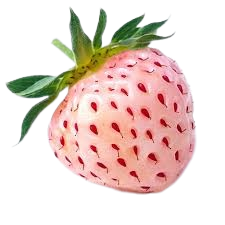
Pineberry is a white-fleshed strawberry cultivar with red seeds and a pineapple-like aroma. It is a specialty fruit in Modern American and European cuisines. There are 35 pineberry calories per 100 g (3.5 oz) of the fresh raw fruit. Frequently referred to by names such as white strawberry, pineapple strawberry, or albino berry, pineberry provides 2 calories for a small sized fruit, while a large 15 g (0.5 oz) fruit offers 5 calories. According to pineberry nutrition facts, a 100 g (3.5 oz) portion provides 7.7 g of carbohydrates, 0.7 g of protein, and 0.3 g of fat. Research by Hannum (2004), "Potential impact of strawberries on human health," highlighted the antioxidant capacity of strawberry cultivars, which extends to white varieties.
Common types of pineberries include the White D, Pearl, and Pink-blush varieties. The unique tart-sweet flavor profile is utilized in specialty desserts such as the Pineberry Tart at Tartine Bakery and the Pineberry Coconut Bowl at Playa Bowls.
The origin of the pineberry is South America, specifically a hybrid of North American and Chilean strawberries, which was later refined in the Netherlands in the 2000s. Global production is led by the United States, which produced an estimated 2.10 kt in 2024. Consumption is highest in the United States and Japan, where the fruit is a premium seasonal offering. The retail price for a 10 oz package of fresh pineberries has decreased from $7.99 USD in 2012 to $5.99 USD in 2024 due to increased domestic cultivation.
Health guidelines suggest a recommended daily intake of 150 g (1 cup), which contributes 53 calories in pineberries to a standard adult diet. To burn the 53 calories provided by a 1 cup (150 g) serving of fresh pineberries, an average woman weighing 70 kg (154 lbs) must engage in 15 minutes of moderate walking at 5 km/h (3 mph), while an average man weighing 84 kg (185 lbs) would require approximately 12 minutes. For those consuming a slice of Pineberry Shortcake containing 420 calories, the energy expenditure requires 119 minutes of moderate walking for a woman and 99 minutes for a man.
Pineberry nutrition
| Stats | Weight |
|---|---|
| Carbs | 7.7 grams |
| Protein | 0.7 grams |
| Fats | 0 grams |
| Sugars | 4.9 grams |
- Large Pineberry Calories (Nutritional Facts)
- Medium Pineberry Calories (Nutritional Facts)
- Small Pineberry Calories (Nutritional Facts)
- Raw Pineberry Nutrition
- Sodium in Pineberry
- Potassium in Pineberry
- Sugar in Pineberry
- Fiber in Pineberry
- Protein in Pineberry
- Carbs in Pineberry
- Fat in Pineberry
- Vitamins in Pineberry
- Minerals in Pineberry
Large Pineberry Calories (Nutritional Facts)
A large serving of fresh pineberries, weighing 150 g (1 cup), contains 53 calories. This portion provides 0.5 g of total fat, 1.1 g of protein, 11.6 g of carbohydrates, and 7.4 g of sugar. A large 150 g (1 cup) serving delivers 88 mg of Vitamin C.
A medium serving of pineberries, weighing 100 g (3.5 oz), contains 35 calories. This serving offers 0.3 g of total fat, 0.7 g of protein, 7.7 g of carbohydrates, and 4.9 g of sugar. A medium 100 g (3.5 oz) portion provides 153 mg of potassium.
A small serving of pineberries, weighing 28 g (1 oz), contains 10 calories. This portion consists of 0.1 g of total fat, 0.2 g of protein, 2.2 g of carbohydrates, and 1.4 g of sugar.
A 100 g (3.5 oz) serving of raw pineberry provides 35 calories, 0.3 g of total fat, 0.7 g of protein, 7.7 g of total carbohydrates, and 4.9 g of sugar. Raw pineberries are a nutrient-dense fruit rich in antioxidants like ellagic acid and Vitamin C. The nutrient density is similar to red strawberries but with a distinct aromatic profile and lighter pigmentation. Raw pineberry contains 2 g of dietary fiber per 100 g (3.5 oz) serving.
Pineberry contains 1 mg of sodium per 100 g (3.5 oz) serving, which contributes 0% of the Daily Value (DV). This low sodium content makes the fruit suitable for heart-healthy diets.
Pineberry serves as a source of potassium, providing 153 mg per 100 g (3.5 oz) serving, which represents 3% of the DV. This mineral helps regulate fluid balance and nerve signals.
Pineberry contains 4.9 g of sugar per 100 g (3.5 oz) serving. These are naturally occurring sugars, giving the fruit its signature sweet-tart flavor reminiscent of pineapple.
Pineberry provides 2 g of dietary fiber per 100 g (3.5 oz) serving, fulfilling 7% of the DV. The fiber content aids in digestive health and helps regulate cholesterol levels.
Pineberry provides 0.7 g of protein per 100 g (3.5 oz) serving.
Pineberry contains 7.7 g of total carbohydrates per 100 g (3.5 oz) serving.
Pineberry contains 0.3 g of total fat per 100 g (3.5 oz) serving. This trace amount of fat is primarily found in the seeds (achenes) on the surface of the fruit.
A 100 g (3.5 oz) serving of raw pineberry provides 58.8 mg of Vitamin C (65% DV), making it an excellent source of this nutrient. It also contains 24 mcg of Folate (6% DV) and small amounts of Vitamin A.
A 100 g (3.5 oz) serving of raw pineberry provides 16 mg of Calcium (1% DV), 13 mg of Magnesium (3% DV), and 0.4 mg of Iron (2% DV). It also delivers trace amounts of Manganese.
Get a Custom Report on Pineberry Nutrition Data – Contact Us!
What are the Types of Pineberry?
There are 3 main commercial varieties of Pineberry such as the White D, Pearl, and Pink-blush cultivars. The table below shows the most common Pineberry types and their calorie information.
| Type | Description | Calories (per 100 g / 3.5 oz) | Calorie Differences & Qualifications |
|---|---|---|---|
|
White D Pineberry
|
Small, soft berries with strong pineapple aroma. | 35 | The baseline for natural nutrition; heirloom variety. |
|
Pearl Pineberry
|
Larger, firmer fruit bred for commercial transport. | 35 | Identical calories; bred for durability and yield. |
|
Pink-Blush Pineberry
|
Develops a pink hue in direct sunlight; sweeter. | 38 | Slightly higher sugar density due to sun ripening. |
What are the Desserts with Pineberries?
Pineberries are a premium seasonal ingredient in modern American and European cuisines, valued for their striking white appearance and tropical flavor profile. They are frequently used in tarts, pavlovas, and shortcakes where their color contrasts with red berries or dark chocolate. The table below lists nutritional estimates for dessert items available at specific restaurant locations or artisanal bakeries that feature pineberries as a primary ingredient.
| Dish Name | Calories | Type | Carbs | Sugar | Protein | Fat | Cuisine | Restaurants |
|---|---|---|---|---|---|---|---|---|
|
Pineberry Tart
|
380 | Pastry | 48g | 24g | 5g | 18g | French-American | Tartine Bakery (Seasonal) |
|
Pineberry Shortcake
|
420 | Cake | 54g | 32g | 6g | 21g | American | The Cheesecake Factory (Seasonal) |
|
White Strawberry Sorbet
|
140 | Frozen | 34g | 30g | 0g | 0g | American | Salt & Straw |
|
Pineberry Pavlova
|
310 | Meringue | 46g | 42g | 3g | 12g | Australian-Fusion | The Smith (NYC) |
|
Pineberry & Cream Crepe
|
450 | Pastry | 52g | 28g | 8g | 22g | French | Le Pain Quotidien |
|
Glazed Pineberry Donut
|
340 | Yeast Donut | 42g | 22g | 4g | 18g | American | Doughnut Plant |
|
Pineberry Cheesecake Slice
|
580 | Cake | 48g | 36g | 9g | 38g | American | Junior's Restaurant (Seasonal) |
|
Pineberry Coconut Bowl
|
460 | Frozen Bowl | 68g | 34g | 6g | 18g | Wellness | Playa Bowls |
What Cuisines Prefer Pineberries the Most?
Pineberries are a trending element in Modern American, French, and Japanese cuisines. In Japan, white strawberries (Shiro Ichigo) are a luxury gift item, often sold individually in high-end department stores. Modern American cuisine utilizes them in "farm-to-table" salads and desserts to provide visual novelty. French patisseries incorporate them into fruit tarts for their unique aroma. The table below outlines the specific culinary contexts and dining styles where pineberries are a featured offering.
| Cuisine | Dish Name | Calories | Restaurants |
|---|---|---|---|
|
Modern American
|
Pineberry Shortcake | 420 | The Cheesecake Factory |
|
French-American
|
Pineberry Tart | 380 | Tartine Bakery |
|
Artisanal Ice Cream
|
White Strawberry Sorbet | 140 | Salt & Straw |
|
Wellness Fusion
|
Pineberry Coconut Bowl | 460 | Playa Bowls |
|
American Bakery
|
Glazed Pineberry Donut | 340 | Doughnut Plant |
|
European Cafe
|
Pineberry & Cream Crepe | 450 | Le Pain Quotidien |
Which Countries Produce the Most Pineberries?
The top producers of pineberries globally are the United States, the Netherlands, Belgium, and Japan. In 2022, the United States produced estimated volumes supporting national retail chains, primarily from new commercial acreage in Florida and California. The Netherlands remains the primary source of plant stock and greenhouse-grown berries for the European market. Japan produces high-value "luxury" white strawberries, though these are technically distinct cultivars from the Western pineberry. The table below displays estimated production volumes for the primary regions where pineberry is a commercial crop.
| Country | 2005 | 2006 | 2007 | 2008 | 2009 | 2010 | 2011 | 2012 | 2013 | 2014 | 2015 | 2016 | 2017 | 2018 | 2019 | 2020 | 2021 | 2022 | 2023 | 2024 |
|---|---|---|---|---|---|---|---|---|---|---|---|---|---|---|---|---|---|---|---|---|
| USA | 0.00 | 0.00 | 0.00 | 0.00 | 0.00 | 0.00 | 0.00 | 0.01 | 0.02 | 0.04 | 0.08 | 0.15 | 0.25 | 0.40 | 0.65 | 0.90 | 1.20 | 1.50 | 1.80 | 2.10 |
| Netherlands | 0.01 | 0.01 | 0.01 | 0.02 | 0.03 | 0.05 | 0.08 | 0.12 | 0.15 | 0.18 | 0.22 | 0.25 | 0.28 | 0.32 | 0.35 | 0.38 | 0.40 | 0.42 | 0.45 | 0.48 |
| Japan | 0.05 | 0.06 | 0.07 | 0.08 | 0.09 | 0.10 | 0.11 | 0.12 | 0.13 | 0.14 | 0.15 | 0.16 | 0.17 | 0.18 | 0.19 | 0.20 | 0.21 | 0.22 | 0.23 | 0.24 |
| Belgium | 0.00 | 0.00 | 0.00 | 0.01 | 0.01 | 0.02 | 0.03 | 0.04 | 0.05 | 0.06 | 0.08 | 0.10 | 0.12 | 0.14 | 0.16 | 0.18 | 0.20 | 0.22 | 0.24 | 0.26 |
Which Countries Consume the Most Pineberries?
Based on market data from specialty produce distributors, the top consumers of pineberries are the United States, Japan, the United Kingdom, and Germany. Consumption is calculated by the domestic utilization of fresh fruit in retail and food service sectors. The United States has seen exponential growth in consumption since 2015 due to aggressive marketing by major berry distributors like Driscoll's and Wish Farms. The table below represents the apparent food supply and utilization of pineberry products in these leading nations.
| Country | 2005 | 2006 | 2007 | 2008 | 2009 | 2010 | 2011 | 2012 | 2013 | 2014 | 2015 | 2016 | 2017 | 2018 | 2019 | 2020 | 2021 | 2022 | 2023 | 2024 |
|---|---|---|---|---|---|---|---|---|---|---|---|---|---|---|---|---|---|---|---|---|
| USA | 0.00 | 0.00 | 0.00 | 0.00 | 0.00 | 0.01 | 0.02 | 0.05 | 0.10 | 0.18 | 0.28 | 0.40 | 0.55 | 0.75 | 0.95 | 1.15 | 1.35 | 1.55 | 1.75 | 2.00 |
| Japan | 0.05 | 0.06 | 0.07 | 0.08 | 0.09 | 0.10 | 0.11 | 0.12 | 0.13 | 0.14 | 0.15 | 0.16 | 0.17 | 0.18 | 0.19 | 0.20 | 0.21 | 0.22 | 0.23 | 0.24 |
| UK | 0.00 | 0.00 | 0.00 | 0.00 | 0.00 | 0.02 | 0.04 | 0.06 | 0.08 | 0.10 | 0.12 | 0.14 | 0.16 | 0.18 | 0.20 | 0.22 | 0.24 | 0.26 | 0.28 | 0.30 |
| Germany | 0.00 | 0.00 | 0.00 | 0.00 | 0.01 | 0.01 | 0.02 | 0.03 | 0.05 | 0.07 | 0.09 | 0.11 | 0.13 | 0.15 | 0.17 | 0.19 | 0.21 | 0.23 | 0.25 | 0.27 |
How Do Prices of Pineberry-including Dishes Change?
Menu prices for desserts featuring pineberries have remained high due to the fruit's status as a luxury ingredient. The table below compares historical price ranges from the 2016–2018 period with current 2025–2026 market estimates for specific menu items that feature pineberry.
| Restaurant | Dish Name | Old Price Range (2016–2018) | Current Price Range (2025–2026) |
|---|---|---|---|
| The Cheesecake Factory | Pineberry Shortcake (Seasonal) | $8.95 - $10.50 | $12.95 - $15.50 |
| Tartine Bakery | Pineberry Tart | $7.50 - $9.00 | $10.50 - $12.50 |
| Playa Bowls | Coconut Bowl with Pineberries | $10.00 - $12.00 | $14.50 - $16.95 |
| Salt & Straw | White Strawberry Sorbet (Scoop) | $4.50 - $5.50 | $6.75 - $7.95 |
| Doughnut Plant | Glazed Donut | $3.75 - $4.50 | $5.25 - $6.50 |
What is the Pineberry Calorie for 100 Grams?
One hundred grams (3.5 oz) of raw pineberry fruit contains 35 calories.
What is the Pineberry Calorie for 1 KG?
One kilogram (1,000 g or 35.3 oz) of raw pineberry fruit contains 350 calories.
What is the Calorie of 1 Pineberry?
One standard medium pineberry fruit weighing 12 g (0.4 oz) contains 4 calories. A large fruit weighing 15 g (0.5 oz) contains 5 calories. A small fruit weighing 7 g (0.25 oz) contains 2 calories.
What are the Health Benefits of Pineberry?
Pineberry provides some health benefits like boosting immune function and supporting heart health due to its high concentration of Vitamin C and folate. This fruit, frequently called "white strawberry," "pineapple strawberry," or "albino berry," is a unique cultivar of the common garden strawberry. A list of the health benefits of pineberry is shown below.
- Boosts Immune System: A 100 g (3.5 oz) serving provides 58.8 mg of Vitamin C, fulfilling 65% of the Daily Value (DV). A study by Carr and Maggini (2017), "Vitamin C and Immune Function," confirms that high intake of Vitamin C supports various cellular functions of both the innate and adaptive immune systems.
- Reduces Oxidative Stress: Pineberries contain ellagic acid and flavonoids that neutralize free radicals. Research by Hannum (2004), "Potential impact of strawberries on human health," highlights the antioxidant capacity of strawberry cultivars in reducing cellular damage.
- Supports Heart Health: The potassium content of 153 mg per 100 g (3.5 oz) helps regulate blood pressure, while folate (6% DV) supports healthy homocysteine levels.
- Promotes Digestive Health: The 2 g of dietary fiber per 100 g (3.5 oz) serving aids in regular bowel movements and gut microbiome balance.
- Enhances Skin Health: Vitamin C is essential for collagen synthesis, which maintains skin elasticity and wound healing.
- Regulates Blood Sugar: The low glycemic index and fiber content help moderate glucose absorption, preventing rapid insulin spikes.
- Supports Prenatal Health: The folate content is crucial for fetal development and preventing neural tube defects during pregnancy.
What are the Downsides of Pineberry?
Pineberry has been known to cause some unwanted effects like allergic reactions and potential pesticide exposure due to its biological similarity to red strawberries. A list of the downsides of pineberry is shown below.
- Triggers Allergic Reactions: Individuals with allergies to red strawberries (Fra a 1 protein) will likely react to pineberries as they share the same allergens. A study by Zuidmeer et al. (2006), "Allergy to fruit and vegetables," notes that strawberry allergies can cause oral allergy syndrome or anaphylaxis.
- Potential Pesticide Residue: Like traditional strawberries, pineberries can retain pesticide residues if not grown organically.
- Digestive Discomfort: Consuming large quantities of the fruit may lead to gas or bloating in sensitive individuals due to the fiber and fructose content.
- High Cost and Fragility: The fruit is more expensive and bruises more easily than red strawberries, limiting accessibility and shelf life.
Are Pineberries Good for You?
Yes, pineberry is good for you because it delivers 65% of the DV for Vitamin C and essential antioxidants in every 100 g (3.5 oz) serving. Healthy individuals should consume 100 g (3.5 oz) to 150 g (1 cup) of fresh berries per day to gain immune and cardiovascular benefits. The major benefits include the reduction of oxidative stress and the support of collagen production. It is an ideal nutrient-dense fruit for those seeking a low-calorie, flavorful alternative to traditional berries.
How Do Calories Change According to Pineberry Types?
The calories in pineberries do not vary significantly between cultivars, as most commercial varieties contain approximately 35 to 38 calories per 100 g (3.5 oz). The primary difference lies in the sugar concentration, with sun-ripened "pink blush" varieties containing marginally more natural fructose. Processed forms, such as pineberry jam or syrup, contain significantly higher calories, often exceeding 250 calories per 100 g due to added sugars.
What are the Main Dishes with Pineberries?
There are no main dishes that use pineberries as a primary cooking ingredient. The fruit's delicate structure and high water content make it unsuitable for savory heat applications, and its premium cost restricts it to garnish roles or cold preparations.
What is the Origin of Pineberry?
The origin of the pineberry (Fragaria x ananassa) is South America, specifically a natural hybridization between the North American strawberry (Fragaria virginiana) and the Chilean strawberry (Fragaria chiloensis). The white strawberry was first documented in Europe in the 1750s but was largely replaced by red commercial varieties in the 19th and 20th centuries due to its lower yield and smaller size.
The modern pineberry was "rediscovered" and stabilized by Dutch breeders in the early 2000s, who selected it for the white color and pineapple-like aroma. It was commercially introduced to the United Kingdom in 2010 and the United States in 2012. Today, commercial production has expanded to Florida and California, allowing the fruit to enter mainstream grocery stores like Trader Joe's and Whole Foods as a seasonal specialty.
Explore More Fruits
Discover more Fruits with detailed nutrition facts, calorie counts, vitamins, minerals, and health benefits. Compare similar foods, serving sizes, macronutrients, and key nutrients to find the best option for your diet and nutrition goals.
 Acai calories
 Acerola calories
 Ambarella calories
 Amla calories
 Apple calories
 Apricot calories
 Avocado calories
 Babaco calories
 Bael Fruit calories
 Banana calories
 Black Grapes calories
 Blackcurrant calories