Calories and Nutritions in Pitaya
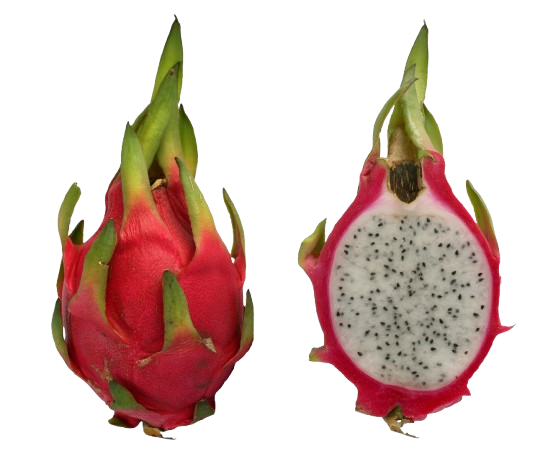
Pitaya provides essential magnesium, prebiotic fibers, and just 60 calories per 100 g (3.5 oz) serving. Scientifically documented as Hylocereus spp., this striking, neon-pink cactus fruit serves as a vital dietary cornerstone in tropical regions and modern health cafes worldwide. Widely celebrated as the dragon fruit, or ड्रैगन फ्रूट्स in Hindi-speaking markets, it is renowned globally for its mild, kiwi-like texture and hydrating flesh. A small 28 g (1 oz) serving provides 17 calories, while a large 140 g (1 cup) cubed serving contains 84 calories. Based on exact nutritional profiles, a 100 g serving delivers 1.2 g of protein, 8 g of sugars, and 0.4 g of fat. Exploring dragon fruit nutrition uncovers outstanding health advantages, including powerful prebiotic support and anti-aging properties due to the dense presence of oligosaccharides and betalain pigments. A study by Wichienchot et al. (2010), "Oligosaccharides of pitaya (dragon fruit) flesh and their prebiotic properties," demonstrates that these specific carbohydrates stimulate the growth of beneficial gut flora, confirming the massive dragon fruit benefits for the digestive system.
Understanding the full benefits of dragon fruit involves recognizing the common commercial varieties available in the market, which include the White-fleshed, the antioxidant-dense Red-fleshed, and the ultra-sweet Yellow pitaya. Because it thrives in modern global supply chains, it is masterfully elevated in contemporary fast-casual dining, featuring heavily in 10 popular desserts and bowls at renowned cafes, such as the Nutella Pitaya Bowl at Playa Bowls and the Mango Dragonfruit Refresher at Starbucks. Due to its vibrant color, it is heavily utilized in commercial snack products, and consumers looking for convenient retail varieties often purchase Navitas Organics Pitaya Powder or Pitaya Foods Frozen Smoothie Packs.
The origin of the crop is deeply rooted in the dry regions of Central America and Mexico, where indigenous communities consumed it long before French colonists introduced it to Asia. Global production data tracks its yield closely, an industry led entirely by Vietnam, which produced 1,450 kt in 2026. Consumption of the fruit is exceptionally high in China and the United States, fueled entirely by the modern wellness movement. The retail price for 1 lb of fresh pitaya has increased from $3.50 USD in 2007 to $6.99 USD in 2026.
Health experts suggest a recommended daily intake of 140 g (1 cup) of fresh pitaya, which adds 84 calories to a person's diet. These calories can be burned by doing 19 minutes of walking at 5 km/h for an average sized woman or 15 minutes of walking for an average sized man. If a person consumes a rich dining dessert like the Nutella Pitaya Bowl yielding 580 calories, the physical requirement increases significantly to 132 minutes of walking for a woman and 105 minutes of walking for a man.
Pitaya nutrition
| Stats | Weight |
|---|---|
| Carbs | 60 grams |
| Protein | 1.2 grams |
| Fats | 0 grams |
| Sugars | 8 grams |
- Large Pitaya Calories (Nutritional Facts)
- Medium Pitaya Calories (Nutritional Facts)
- Small Pitaya Calories (Nutritional Facts)
- Raw Pitaya Nutrition
- Sodium in Pitaya
- Potassium in Pitaya
- Sugar in Pitaya
- Fiber in Pitaya
- Protein in Pitaya
- Carbs in Pitaya
- Fat in Pitaya
- Vitamins in Pitaya
- Minerals in Pitaya
Large Pitaya Calories (Nutritional Facts)
A large serving of raw, cubed pitaya weighing 140 g (1 cup) contains 84 calories. This 140 g (1 cup) edible portion provides 0.6 g of total fat, 1.7 g of protein, 18.2 g of carbohydrates, and 11.2 g of sugar. A large 140 g (1 cup) serving of dehydrated pitaya chips contains 476 calories because the water removal process heavily concentrates the energy density.
A medium serving of fresh pitaya weighing 100 g (3.5 oz) provides 60 calories. This 100 g (3.5 oz) edible portion delivers 0.4 g of total fat, 1.2 g of protein, 13 g of carbohydrates, and 8 g of sugar. A 100 g (3.5 oz) serving of frozen pitaya puree contains 58 calories due to minor moisture loss during freezing.
A small serving of raw pitaya weighing 28 g (1 oz) contains 17 calories. This 28 g (1 oz) edible portion consists of 0.1 g of total fat, 0.3 g of protein, 3.6 g of carbohydrates, and 2.2 g of sugar.
A 100 g (3.5 oz) serving of the edible portion of raw pitaya provides 60 calories, 0.4 g of total fat, 1.2 g of protein, 13 g of total carbohydrates, and 3 g of dietary fiber. Raw pitaya is dense with magnesium and prebiotic oligosaccharides, which support metabolic energy and gut health. The nutrient concentration is maximized when evaluating dragon fruit nutrition in its fresh, raw state, as boiling destroys its heat-sensitive antioxidants and betacyanins.
Raw pitaya contains 0 mg of sodium per 100 g (3.5 oz) serving, contributing 0% of the Daily Value (DV). This zero-sodium profile makes it an excellent tropical fruit for strict cardiovascular and blood pressure management diets.
Raw pitaya supplies 220 mg of potassium per 100 g (3.5 oz) serving, fulfilling 5% of the DV. This mineral helps support healthy nerve transmission and muscular function.
One hundred grams (3.5 oz) of raw pitaya contains 8 g of natural sugars. These sugars consist of a balance of fructose and glucose. The sugar levels in this fruit are significantly lower than those found in tropical counterparts like mangoes and pineapples.
Raw pitaya provides 3 g of dietary fiber per 100 g (3.5 oz) serving, fulfilling 11% of the DV. This fiber content, derived largely from the edible tiny black seeds, supports consistent digestion and prolonged satiety.
Raw pitaya provides 1.2 g of protein per 100 g (3.5 oz) serving.
Raw pitaya contains 13 g of total carbohydrates per 100 g (3.5 oz) serving.
Raw pitaya contains 0.4 g of total fat per 100 g (3.5 oz) serving.
A 100 g (3.5 oz) serving of raw pitaya provides 2.5 mg of Vitamin C (3% DV) and 0.04 mg of Riboflavin (3% DV). These vitamins help maintain a robust immune system and support cellular energy production.
A 100 g (3.5 oz) serving provides 40 mg of Magnesium (10% DV), 18 mg of Calcium (1% DV), and 0.7 mg of Iron (4% DV). They also contain trace amounts of phosphorus and zinc.
Get a Custom Report on Pitaya Nutrition Data – Contact Us!
What are the Types of Pitaya?
There are 4 different types of commercialized pitaya cultivars such as the standard White-fleshed Pitaya and the ultra-sweet Yellow Pitaya. The table below shows the most common pitaya types and their calorie information.
| Type | Description | Calories (per 100g) | Calorie Differences & Qualifications |
|---|---|---|---|
|
White-Fleshed (H. undatus)
|
Pink skin with white flesh; mildest flavor. | 60 | Baseline energy for the standard commercial fruit. |
|
Red-Fleshed (H. polyrhizus)
|
Pink skin with deep red flesh; higher antioxidant load. | 60 | Identical calories; higher betacyanin pigment concentration. |
|
Yellow Pitaya (H. megalanthus)
|
Yellow thorny skin with white flesh; intensely sweet. | 65 | Slightly higher calories due to elevated fructose concentration. |
|
Dried Pitaya Chips
|
Dehydrated slices of red pitaya; crunchy texture. | 340 | Highest energy density due to total moisture removal. |
What are the Desserts with Pitaya?
Pitaya is highly prized by juice bars, health-focused cafes, and fast-casual chains, where its neon-pink color blends beautifully into frozen bowls and refreshing drinks. The table below shows desserts and sweet blended items containing pitaya that are served in actual restaurants.
| Dish Name | Calories | Type | Carbs | Sugar | Protein | Fat | Cuisine | Restaurants |
|---|---|---|---|---|---|---|---|---|
|
Nutella Pitaya Bowl
|
580 | Smoothie Bowl | 78g | 48g | 12g | 26g | American | Playa Bowls |
|
Mango Dragonfruit Refresher
|
90 | Beverage | 22g | 19g | 0g | 0g | Café | Starbucks |
|
Dragon Fruit Smoothie Bowl
|
310 | Smoothie Bowl | 64g | 36g | 5g | 4g | American | Jamba |
|
Dragonberry Pitaya Bowl
|
450 | Smoothie Bowl | 64g | 38g | 8g | 15g | American | Playa Bowls |
|
Dragon Fruit Bowl
|
320 | Smoothie Bowl | 54g | 34g | 6g | 8g | Health | Nekter Juice Bar |
|
Super Dragon Bowl
|
410 | Smoothie Bowl | 62g | 36g | 9g | 14g | Health | Vitality Bowls |
|
Dragon Fruit Freeze (Seasonal)
|
160 | Frozen Dessert | 36g | 24g | 1g | 0g | Health | Pressed Juicery |
|
Dragon Bowl
|
380 | Smoothie Bowl | 56g | 32g | 8g | 12g | Health | SunLife Organics |
|
The Dragon Fruit Bowl
|
390 | Smoothie Bowl | 60g | 34g | 7g | 14g | Health | Clean Juice |
|
Pitaya Wonder Bowl
|
420 | Smoothie Bowl | 62g | 38g | 6g | 16g | Health | Everbowl |
What Cuisines Prefer Pitaya the Most?
Pitaya is deeply integrated into Modern American Health and Café cuisines. In fast-casual health establishments across the United States, the neon-pink fruit is pureed into iconic açaí-style smoothie bowls and shaken beverages. The table below outlines the cuisines and dishes.
| Cuisine | Dish Name | Calories | Restaurants |
|---|---|---|---|
|
Modern Health
|
Nutella Pitaya Bowl | 580 | Playa Bowls |
|
Café Beverage
|
Mango Dragonfruit Refresher | 90 | Starbucks |
|
Modern Health
|
Dragon Fruit Bowl | 320 | Nekter Juice Bar |
|
Modern Health
|
Dragon Fruit Smoothie Bowl | 310 | Jamba |
|
Modern Health
|
Super Dragon Bowl | 410 | Vitality Bowls |
Which Countries Produce the Most Pitaya?
The top producers of pitaya globally are Vietnam, China, Indonesia, Mexico, and Thailand. In 2026, Vietnam produced 1,450.00 kilotonnes of pitaya based on international agricultural export data. Vietnam maintains absolute dominance in global exports, while China's massive production caters strictly to its immense domestic market. The table below displays production volumes over the last 20 years in kilotonnes.
| Country | 2007 | 2008 | 2009 | 2010 | 2011 | 2012 | 2013 | 2014 | 2015 | 2016 | 2017 | 2018 | 2019 | 2020 | 2021 | 2022 | 2023 | 2024 | 2025 | 2026 |
|---|---|---|---|---|---|---|---|---|---|---|---|---|---|---|---|---|---|---|---|---|
| Vietnam | 300 | 350 | 400 | 450 | 500 | 600 | 700 | 800 | 900 | 950 | 1000 | 1050 | 1100 | 1150 | 1200 | 1250 | 1300 | 1350 | 1400 | 1450 |
| China | 100 | 150 | 200 | 250 | 300 | 400 | 500 | 600 | 750 | 850 | 950 | 1050 | 1150 | 1200 | 1250 | 1300 | 1320 | 1350 | 1380 | 1400 |
| Indonesia | 80 | 90 | 100 | 120 | 150 | 180 | 220 | 260 | 300 | 340 | 380 | 420 | 460 | 500 | 540 | 580 | 620 | 650 | 680 | 700 |
| Mexico | 150 | 160 | 170 | 180 | 190 | 200 | 210 | 230 | 250 | 270 | 290 | 310 | 330 | 350 | 370 | 390 | 410 | 430 | 450 | 470 |
| Thailand | 50 | 60 | 70 | 85 | 100 | 120 | 140 | 160 | 180 | 200 | 220 | 240 | 260 | 280 | 300 | 320 | 340 | 360 | 380 | 400 |
Which Countries Consume the Most Pitaya?
The top consumers of pitaya are China, Vietnam, the United States, Indonesia, and Mexico. Consumption in the United States and China has surged exponentially over the last decade due to the rising popularity of smoothie bowls and aesthetic beverages in the health sector. The table below represents the food supply for these nations based on agricultural import tracking.
| Country | 2007 | 2008 | 2009 | 2010 | 2011 | 2012 | 2013 | 2014 | 2015 | 2016 | 2017 | 2018 | 2019 | 2020 | 2021 | 2022 | 2023 | 2024 | 2025 | 2026 |
|---|---|---|---|---|---|---|---|---|---|---|---|---|---|---|---|---|---|---|---|---|
| China | 180 | 250 | 350 | 450 | 550 | 700 | 850 | 1000 | 1200 | 1350 | 1500 | 1650 | 1800 | 1900 | 2000 | 2100 | 2200 | 2300 | 2400 | 2500 |
| Vietnam | 150 | 170 | 190 | 210 | 230 | 260 | 290 | 320 | 350 | 380 | 410 | 440 | 470 | 500 | 530 | 560 | 590 | 620 | 650 | 680 |
| USA | 40 | 50 | 65 | 80 | 100 | 130 | 160 | 190 | 230 | 270 | 310 | 350 | 390 | 430 | 470 | 510 | 550 | 590 | 630 | 670 |
| Indonesia | 75 | 85 | 95 | 115 | 145 | 175 | 215 | 255 | 295 | 335 | 375 | 415 | 455 | 495 | 535 | 575 | 615 | 645 | 675 | 695 |
| Mexico | 145 | 155 | 165 | 175 | 185 | 195 | 205 | 225 | 245 | 265 | 285 | 305 | 325 | 345 | 365 | 385 | 405 | 425 | 445 | 465 |
How Do Prices of Pitaya-including Dishes Change?
Restaurant menu prices for dishes containing pitaya have increased substantially due to rising labor and imported specialty fruit costs in the fast-casual sector. The table below compares historical price ranges from 2015–2017 to current 2025–2026 estimates in USD equivalent.
| Restaurant | Dish Name | Old Price Range (2015-17) | Current Price Range (2025-26) |
|---|---|---|---|
| Playa Bowls | Nutella Pitaya Bowl | $8.00 - $9.50 | $14.00 - $16.50 |
| Starbucks | Mango Dragonfruit Refresher | $3.25 - $4.50 | $4.95 - $6.25 |
| Nekter Juice Bar | Dragon Fruit Bowl | $7.50 - $9.00 | $10.95 - $13.50 |
| Vitality Bowls | Super Dragon Bowl | $8.50 - $10.00 | $12.95 - $17.50 |
| Jamba | Dragon Fruit Smoothie Bowl | $7.00 - $8.50 | $10.50 - $13.50 |
What is the Pitaya Calorie for 100 Grams?
One hundred grams (3.5 oz) of raw pitaya contains 60 calories.
What is the Pitaya Calorie for 1 KG?
One kilogram (1,000 g) of raw pitaya provides 600 calories.
What is the Calorie of 1 Pitaya?
One single large whole pitaya fruit yielding 250 g (8.8 oz) of edible flesh contains 150 calories. One medium whole pitaya yielding 150 g (5.3 oz) of edible flesh contains 90 calories. One small whole pitaya yielding 100 g (3.5 oz) of edible flesh contains 60 calories.
What are the Health Benefits of Pitaya?
Pitaya provides some health benefits like enhanced gut microbiome health and reduced oxidative stress due to its high concentration of prebiotic fibers and betalain pigments. This striking cactus fruit, globally recognized as the dragon fruit, is highly valued in modern health and wellness diets. A list of the dragon fruit benefits are shown below. Explore the comprehensive benefits of dragon fruit when optimizing a high-fiber, low-sugar diet.
- Promotes Gut Health: The flesh contains oligosaccharides that act as prebiotics to feed healthy bifidobacteria. A study by Wichienchot et al. (2010), "Oligosaccharides of pitaya (dragon fruit) flesh and their prebiotic properties," confirms that these specific carbohydrates stimulate the growth of beneficial gut flora.
- Combats Oxidative Stress: The red-fleshed varieties contain betacyanins that neutralize cellular free radicals, protecting tissues from premature aging.
- Boosts Iron Levels: The combination of iron and Vitamin C in the fruit enhances the body's ability to absorb iron, preventing anemia.
- Supports Metabolic Energy: The high magnesium content facilitates over 300 biochemical reactions in the body, including the conversion of food into energy.
- Regulates Blood Sugar: Dietary fiber slows the absorption of glucose in the digestive tract, preventing rapid insulin spikes.
- Strengthens Immune Defense: Antioxidants and Vitamin C stimulate the production of white blood cells to combat infections.
- Protects Cardiovascular Health: The tiny black seeds provide essential omega-3 and omega-9 fatty acids that reduce arterial inflammation.
- Aids in Weight Management: Its low calorie density and high water content provide a filling, sweet snack without excess energy intake.
What are the Downsides of Pitaya?
Pitaya has been known to cause some unwanted effects like false hematuria and mild gastrointestinal distress due to its intense natural pigments and high fiber density. A list of the downsides of pitaya are shown below.
- Causes Pseudohematuria: Eating the red-fleshed variety turns urine and feces a bright red or pink color, which is completely harmless but causes severe alarm by mimicking internal bleeding.
- Induces Gastrointestinal Distress: Consuming massive quantities of the fiber-dense seeds leads to bloating, gas, and mild diarrhea.
- Triggers Allergic Reactions: Individuals with severe pollen or latex allergies occasionally experience cross-reactive anaphylaxis when consuming the fruit.
- Interferes with Diabetes Medication: The fruit's natural blood-sugar-lowering effects cause hypoglycemia when combined with prescribed insulin treatments.
Are Pitayas Good for You?
Yes, pitayas are good for you because they deliver 11% of the DV for fiber and 10% of the DV for magnesium in a 100 g (3.5 oz) serving. Healthy individuals should consume 140 g (1 cup) of fresh, fully ripe pitaya daily to optimize their gut health and antioxidant intake. A study by Wichienchot et al. (2010), "Oligosaccharides of pitaya (dragon fruit) flesh and their prebiotic properties," highlights that the fruit acts as a powerful functional food for the digestive system. They are a low-calorie, highly hydrating tropical snack.
How Do Calories Change According to Pitaya Types?
The calories in pitaya change based on the natural sugar accumulation of the specific cultivar and industrial dehydration methods. Fresh White-fleshed and Red-fleshed pitaya contain 60 calories per 100 g (3.5 oz). If the fruit is the Yellow Pitaya variety, the energy increases to 65 calories per 100 g (3.5 oz) because it stores more concentrated fructose in its flesh. When fresh red fruit is subjected to dehydration to create dried pitaya chips, the value surges to 340 calories per 100 g (3.5 oz) due to the total evaporation of water weight.
What are the Main Dishes with Pitaya?
There are no existing main dishes with pitaya on menus of mainstream or local restaurant chains.
What is the Origin of Pitaya?
The origin of the pitaya (Hylocereus spp.) is Central America and southern Mexico. Indigenous Mesoamerican populations foraged the sweet cactus fruit long before European exploration. In the 19th century, French colonists transported the cactus cuttings to Southeast Asia, particularly Vietnam, where the plant thrived in the humid, tropical climate. Today, Vietnam is the premier global exporter of the fruit, completely transforming its status from a wild Central American cactus to an iconic Asian agricultural staple.
Explore More Fruits
Discover more Fruits with detailed nutrition facts, calorie counts, vitamins, minerals, and health benefits. Compare similar foods, serving sizes, macronutrients, and key nutrients to find the best option for your diet and nutrition goals.
 Acai calories
 Acerola calories
 Ambarella calories
 Amla calories
 Apple calories
 Apricot calories
 Avocado calories
 Babaco calories
 Bael Fruit calories
 Banana calories
 Black Grapes calories
 Blackcurrant calories