Calories and Nutritions in Plum
The calories in plum depend on whether they are fresh or dried. A 100g serving of fresh plums contains 46 calories (2% DV), while 100g of dried plums (prunes) contain 240 calories. Plum nutrition facts indicate that this fruit is rich in antioxidants like phenolic compounds, in addition to Vitamin C (11% DV), Vitamin K (5% DV), and Potassium (3% DV) per 100g of fresh plums. Important plum macros for 100g of raw plums include 1.4g fiber (5% DV), 11.42g carbohydrates, 0.7g protein, and 0.28g fat. Plum offers antioxidant protection, digestive support, and bone support especially from prunes containing Vitamin K and minerals.
Plum types include Black, Red, Yellow (Mirabelle), Green (Greengage), Damson, and Dried Plums (Prunes). China leads global plum production and consumption. Plum prices increased over the last 20 years, with recent US retail prices for fresh plums ranging from $2.50 to $3.50 per pound.
Plums feature in desserts like Plum Tart at Tartine Bakery, entrees like Duck with Plum Sauce at Peking Duck House, and Lamb Tagine with Prunes at Moroccan restaurants. A serving of one medium plum (30 calories) or 1/4 cup prunes (96 calories) is suggested to fit the recommended daily fruit intake which is 1.5-2 cups. Burning 30 calories requires 5 minutes of light walking or 3 minutes of jogging.
Plum nutrition
| Stats | Weight |
|---|---|
| Carbs | 13.5 grams |
| Protein | 0.578 grams |
| Fats | 0.282 grams |
| Sugars | 0 grams |
- Large Plum Calories (Nutritional Facts)
- Medium Plum Calories (Nutritional Facts)
- Small Plum Calories (Nutritional Facts)
- Raw Plum Calories
- Calories in Plum with Skin
- Sugar in Plum
- Fiber in Plum
- Protein in Plum
- Carbs in Plum
- Fat in Plum
- Potassium in Plum
- Vitamins in Plum
- Minerals in Plum
Large Plum Calories (Nutritional Facts)
One whole large plum (6.5 cm or 95 grams) contains 44 calories, 0.67g of protein, 0.27g of fat, and 10.85g of carbohydrates. A one-cup serving of sliced large raw plums (165g) contains 76 calories, 1.16g of protein, 0.46g of fat, and 18.84g of carbohydrates. Dried large plums, known as prunes, contain 228 calories, 2.07g of protein, 0.36g of fat, and 60.69g of carbohydrates per 95g.
One medium raw plum (5.5 cm or 66g) contains 30 calories, 0.46g of protein, 0.18g of fat, and 7.54g of carbohydrates. A one-cup serving of sliced medium raw plums (165g or 5.8oz) contains 76 calories, 1.16g of protein, 0.46g of fat, and 18.84g of carbohydrates. Dried medium plums (prunes) contain 158 calories, 1.44g of protein, 0.25g of fat, and 42.16g of carbohydrates per 66g.
One small raw plum (4.5cm diameter, 50g or 1.8oz) contains 23 calories, 0.35g of protein, 0.14g of fat, and 5.71g of carbohydrates. A one-cup serving of sliced small raw plums (165g or 5.8oz) contains 76 calories, 1.16g of protein, 0.46g of fat, and 18.84g of carbohydrates. Dried small plums (prunes) contain 120 calories, 1.09g of protein, 0.19g of fat, and 31.94g of carbohydrates per 50g.
Raw plum calories for a 100g serving of raw plums amount to 46 calories, 0.7g of protein, 0.28g of fat, and 11.42g of carbohydrates. The nutritional value of raw plum for a cup of sliced raw plums (165g or 5.8oz) include 76 calories, 1.16g of protein, 0.46g of fat, and 18.84g of carbohydrates.
A 100g (3.5oz) serving of raw plums with skin contains 46 calories. One medium raw plum with skin (66g or 2.3oz) contains 30 calories. One small raw plum with skin (50g or 1.8oz) contains 23 calories. Dried plums (prunes), which are dried plums with skin, contain 240 calories per 100g (3.5oz).
Raw plums contain 9.92g of sugar per 100g (3.5oz). One medium raw plum (66g or 2.3oz) contains 6.55g of sugar. One small raw plum (50g or 1.8oz) contains 4.96g of sugar. One cup of sliced raw plums (165g or 5.8oz) contains 16.37g of sugar. Dried plums (prunes) contain 38.13g of sugar per 100g.
Raw plums contain 1.4g of fiber per 100g (3.5oz), providing 5%DV. One medium raw plum (66g or 2.3oz) contains 0.9g of fiber (3%DV). One small raw plum (50g or 1.8oz) contains 0.7g of fiber (2%DV). One cup of sliced raw plums (165g or 5.8oz) contains 2.3g of fiber (8%DV). Dried plums (prunes) contain 7.1g of fiber per 100g (25%DV).
Raw plums contain 0.7g of protein per 100g (3.5oz). One medium raw plum (66g or 2.3oz) contains 0.46g of protein. One small raw plum (50g or 1.8oz) contains 0.35g of protein. One cup of sliced raw plums (165g or 5.8oz) contains 1.16g of protein. Dried plums (prunes) contain 2.18g of protein per 100g.
Raw plums contain 11.42g of carbohydrates per 100g (3.5oz). One medium raw plum (66g or 2.3oz) contains 7.54g of carbohydrates. One small raw plum (50g or 1.8oz) contains 5.71g of carbohydrates. One cup of sliced raw plums (165g or 5.8oz) contains 18.84g of carbohydrates. Dried plums (prunes) contain 63.88g of carbohydrates per 100g.
Raw plums contain 0.28g of fat per 100g (3.5oz). One medium raw plum (66g or 2.3oz) contains 0.18g of fat. One small raw plum (50g or 1.8oz) contains 0.14g of fat. One cup of sliced raw plums (165g or 5.8oz) contains 0.46g of fat. Dried plums (prunes) contain 0.38g of fat per 100g.
Raw plums contain 157mg of potassium per 100g (3.5oz), providing 3%DV. One medium raw plum (66g or 2.3oz) contains 104mg of potassium (2%DV). One small raw plum (50g or 1.8oz) contains 79mg of potassium (2%DV). One cup of sliced raw plums (165g or 5.8oz) contains 259mg of potassium (6%DV). Dried plums (prunes) contain 732mg of potassium per 100g (16%DV).
A 100g (3.5oz) serving of raw plums provides Vitamin C (11%DV), Vitamin K (5%DV), and Vitamin A (2%DV). One medium raw plum (66g or 2.3oz) provides Vitamin C (7%DV), Vitamin K (3%DV), and Vitamin A (1%DV). One small raw plum (50g or 1.8oz) provides Vitamin C (5%DV), Vitamin K (3%DV), and Vitamin A (1%DV). Dried plums (prunes, 100g) provide Vitamin K (50%DV), Vitamin B6 (12%DV), Riboflavin (14%DV), Niacin (12%DV), and Vitamin A (4%DV).
A 100g (3.5oz) serving of raw plums contains Potassium (3%DV), Copper (6%DV), and Manganese (2%DV). One medium raw plum (66g or 2.3oz) contains Potassium (2%DV), Copper (4%DV), and Manganese (1%DV). One small raw plum (50g or 1.8oz) contains Potassium (2%DV), Copper (3%DV), and Manganese (1%DV). Dried plums (prunes, 100g) provide Potassium (16%DV), Manganese (13%DV), Copper (31%DV), Magnesium (10%DV), and Phosphorus (6%DV).
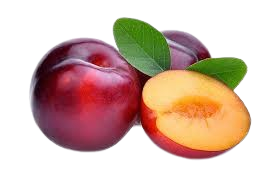
Get a Custom Report on Plum Nutrition Data – Contact Us!
What are the Types of Plum?
The types of plum include numerous cultivars broadly categorized by color and characteristics, such as Black Plums (e.g., Black Ruby, Black Splendor), Red Plums (e.g., Santa Rosa, Red Beauty), Yellow Plums (e.g., Golden Globe, Shiro, Mirabelle), Green Plums (Greengage), Damson Plums (European type, tart), and Dried Plums (Prunes). The table below outlines general characteristics and calorie information:
| Type | Description | Calories (per 100g / 3.5oz) | Calorie Qualifications |
|---|---|---|---|
|
Black Plums
|
Dark purple to black skin, sweet yellow or red flesh. | 46 | Represents the calorie count for fresh black plum varieties. Data for specific cultivars is grouped at this value. |
|
Red Plums
|
Red or mottled red skin, amber or red flesh, sweet-tart. | 46 | Represents the calorie count for fresh red plum varieties. Data for specific cultivars is grouped at this value. |
|
Yellow Plums (Mirabelle)
|
Small, round, yellow skin and flesh, very sweet. | 46-60 | The calorie count is 46. Specific sweet varieties like Mirabelle may contain up to 60 calories per 100g. |
|
Green Plums (Greengage)
|
Green skin (may have blush), green flesh, high sugar content, rich flavor. | 46 | Represents the calorie count for fresh green plum varieties like Greengage. |
|
Damson Plums
|
Small, oval, dark blue/purple skin, tart yellow-green flesh, cooked. | 46 | Represents the calorie count for fresh Damson plums. These are less commonly eaten raw due to tartness. |
|
Dried Plums (Prunes)
|
Plums (specific varieties like Improved French) that have been dried. | 240 | Significantly higher calorie density results from water removal and the concentration of sugars and nutrients. |
What are the Desserts with Plum?
The desserts that feature plums in the recipes are listed below:
| Dish Name | Calories (Estimate per serving) | Type of Plum Used | Carbs (g) (Estimate) | Sugar (g) (Estimate) | Protein (g) (Estimate) | Fat (g) (Estimate) | Cuisine | Restaurants |
|---|---|---|---|---|---|---|---|---|
|
Plum Tart/Galette
|
350-550 | Fresh Plums | 40-65 | 20-40 | 3-6 | 15-30 | French/American | Tartine Bakery (San Francisco) |
|
Plum Crumble/Crisp
|
400-600 | Fresh Plums | 60-90 | 40-60 | 4-7 | 15-25 | British/American | Seasonal menus at farm-to-table restaurants, Cafes |
|
Zwetschgenkuchen
|
300-450 (per slice) | Fresh Damson or Italian Prune Plums | 45-65 | 25-40 | 5-8 | 10-20 | German | Guglhupf Bakery in Durham, NC |
|
Plum Clafoutis
|
300-450 | Fresh Plums | 30-50 | 20-35 | 6-10 | 12-20 | French | French bistros |
|
Prune Cake (Plum Cake)
|
400-600 (per slice) | Dried Plums (Prunes), sometimes fresh | 50-80 | 35-55 | 4-7 | 20-35 | American/European | Cafeterias, Southern-style restaurants, Bakeries |
|
Slivovitz (Plum Brandy)
|
100-150 (per 1.5oz shot) | Damson or other plums (fermented) | <1 | <1 | 0 | 0 | Eastern European | Eastern European restaurants, Specialty liquor stores |
What are the Main Dishes with Plum?
The main dishes that incorporate plums, as sauces, glazes, or accompaniments, are listed below:
| Dish Name | Calories (Estimate per serving) | Type of Plum Used | Carbs (g) (Estimate) | Sugar (g) (Estimate) | Protein (g) (Estimate) | Fat (g) (Estimate) | Cuisine | Restaurants |
|---|---|---|---|---|---|---|---|---|
|
Duck with Plum Sauce
|
600-900 | Plums (for sauce, fresh/preserved) | 20-40 | 15-35 | 40-60 | 35-55 | Chinese/French | Peking Duck House (NYC) |
|
Pork Tenderloin w/ Plums
|
500-700 | Fresh Plums or Prunes | 25-45 | 15-30 | 35-55 | 20-35 | American/European | Seasonal menus at New American or European restaurants |
|
Chicken/Lamb Tagine w/ Prunes
|
550-800 | Dried Plums (Prunes) | 40-60 | 20-35 | 30-50 | 25-45 | Moroccan | Mourad (San Francisco), Shango (Buffalo, NY) |
|
Plum Glazed Salmon/Pork
|
450-650 | Plum jam/sauce | 15-30 | 10-25 | 35-50 | 20-35 | American | New American restaurants, Home cooking focused establishments |
|
Sauerbraten (some variations)
|
600-850 | Prunes (sometimes added) | 30-50 | 10-20 | 45-65 | 30-50 | German | Heidelberg Restaurant (NYC) |
What Cuisines Prefer Plum the Most?
Plums, both fresh and dried (prunes), are featured in culinary traditions, particularly in Europe, parts of Asia, and North Africa. The table below shows some cuisines where plums are used:
| Cuisine | Dish | Types of Plum Used | Calories (Estimate per serving) | Restaurant(s) |
|---|---|---|---|---|
|
German
|
Zwetschgenkuchen (Plum Cake) | Damson or Italian Prune Plums (fresh) | 300-450 (per slice) | Guglhupf Bakery (Durham, NC), German bakeries |
|
French
|
Plum Tart / Clafoutis | Fresh Plums | 300-550 | French bakeries, Bistros |
|
French
|
Pork with Prunes (Porc aux Pruneaux) | Dried Plums (Prunes) | 500-700 | Traditional French restaurants |
|
Eastern European
|
Slivovitz (Plum Brandy) | Damson or other Plums (fermented) | 100-150 (per 1.5oz shot) | Eastern European restaurants, Bars |
|
Eastern European
|
Plum Dumplings (Szilvás Gombóc) | Fresh Plums | 300-450 | Hungarian/Czech/Polish restaurants (seasonal) |
|
Chinese
|
Duck/Pork with Plum Sauce | Plums (for sauce, fresh/preserved) | 600-900 (duck) | Peking Duck House (NYC), Chinese restaurants |
|
Moroccan
|
Tagine with Lamb/Chicken and Prunes | Dried Plums (Prunes) | 550-800 | Mourad (San Francisco), Moroccan restaurants |
|
British
|
Plum Crumble / Pudding | Fresh Plums | 400-600 | Pubs, Cafes (seasonal) |
|
American
|
Prune Cake / Plum Cobbler | Dried Plums (Prunes) / Fresh Plums | 400-600 | Bakeries, Southern-style restaurants, Farm-to-table restaurants |
|
American (BBQ/Grilling)
|
Plum Glazes/Sauces | Plum jam/puree | Varies with dish | BBQ joints, New American restaurants |
Which Countries Produce Most Plum?
The top producer of plums globally is China, Romania, Serbia, Chile, and the United States. The table below shows the production quantities in tonnes for the top producing countries over the last two decades, based on available FAOSTAT data (category "Plums and sloes"):
| Country | 2004 | 2005 | 2006 | 2007 | 2008 | 2009 | 2010 | 2011 | 2012 | 2013 | 2014 | 2015 | 2016 | 2017 | 2018 | 2019 | 2020 | 2021 | 2022 |
|---|---|---|---|---|---|---|---|---|---|---|---|---|---|---|---|---|---|---|---|
| China | 4,550,000 | 4,700,000 | 4,850,000 | 5,000,000 | 5,150,000 | 5,300,000 | 5,450,000 | 5,600,000 | 5,800,000 | 6,000,000 | 6,200,000 | 6,300,000 | 6,500,000 | 6,600,000 | 6,700,000 | 6,750,000 | 6,470,000 | 6,590,000 | 6,750,000 |
| Romania | 836,180 | 653,162 | 549,780 | 498,871 | 467,154 | 662,692 | 417,884 | 468,861 | 270,642 | 511,398 | 476,018 | 307,368 | 434,418 | 512,975 | 664,582 | 757,880 | 676,950 | 758,860 | 665,080 |
| Serbia | 550,000 | 496,000 | 662,632 | 470,000 | 625,000 | 630,000 | 662,632 | 391,498 | 331,182 | 424,162 | 491,492 | 460,644 | 511,712 | 330,582 | 430,199 | 558,924 | 580,558 | 571,435 | 498,225 |
| Chile | 150,000 | 170,000 | 180,000 | 200,000 | 220,000 | 250,000 | 270,000 | 290,000 | 300,000 | 310,000 | 300,000 | 290,000 | 280,000 | 379,327 | 316,334 | 353,015 | 339,410 | 325,077 | 337,154 |
| Turkey | 225,000 | 235,000 | 250,000 | 260,000 | 270,000 | 262,577 | 254,634 | 268,095 | 298,824 | 316,976 | 285,558 | 305,108 | 297,589 | 316,878 | 294,794 | 317,947 | 328,041 | 339,287 | 348,813 |
| Iran | 220,000 | 230,000 | 240,000 | 250,000 | 260,000 | 270,000 | 280,000 | 290,000 | 300,000 | 305,000 | 310,000 | 279,556 | 274,503 | 313,103 | 342,394 | 359,000 | 334,000 | 334,000 | 334,000 |
| United States | 571,530 | 508,020 | 471,730 | 494,410 | 421,840 | 453,590 | 390,090 | 426,380 | 444,520 | 374,210 | 390,090 | 340,190 | 264,900 | 213,190 | 226,800 | 231,330 | 204,120 | 195,040 | 185,970 |
| World Total | 10,111,488 | 10,074,980 | 10,937,188 | 10,867,155 | 10,699,631 | 11,226,096 | 11,190,620 | 11,367,189 | 11,761,889 | 12,262,471 | 12,570,629 | 12,469,277 | 12,658,283 | 12,957,867 | 12,611,348 | 13,133,583 | 12,859,097 | 12,960,111 | 12,937,039 |
Which Countries Consume the Most Plum?
The top consumers of plums are China, Romania, Serbia, the United States, Turkey, and Iran. The table below shows consumption quantities (represented by Domestic Supply Quantity) in tonnes for these key countries over the last two decades, based on available FAOSTAT data:
| Country | 2004 | 2005 | 2006 | 2007 | 2008 | 2009 | 2010 | 2011 | 2012 | 2013 | 2014 | 2015 | 2016 | 2017 | 2018 | 2019 | 2020 | 2021 |
|---|---|---|---|---|---|---|---|---|---|---|---|---|---|---|---|---|---|---|
| China | 4,550,000 | 4,700,000 | 4,850,000 | 5,000,000 | 5,150,000 | 5,300,000 | 5,450,000 | 5,600,000 | 5,800,000 | 6,000,000 | 6,200,000 | 6,300,000 | 6,500,000 | 6,600,000 | 6,700,000 | 6,750,000 | 6,470,000 | 6,590,000 |
| Romania | 836,180 | 653,162 | 549,780 | 498,871 | 467,154 | 662,692 | 417,884 | 468,861 | 270,642 | 511,398 | 476,018 | 307,368 | 434,418 | 512,975 | 664,582 | 757,880 | 676,950 | 758,860 |
| Serbia | 550,000 | 496,000 | 662,632 | 470,000 | 625,000 | 630,000 | 662,632 | 391,498 | 331,182 | 424,162 | 491,492 | 460,644 | 511,712 | 330,582 | 430,199 | 558,924 | 580,558 | 571,435 |
| United States | 468,840 | 422,920 | 393,960 | 422,330 | 357,200 | 390,090 | 329,640 | 368,310 | 388,300 | 318,870 | 333,850 | 289,850 | 224,530 | 181,440 | 195,040 | 204,120 | 181,440 | 176,900 |
| Turkey | 214,700 | 224,600 | 239,500 | 249,400 | 259,300 | 251,877 | 243,834 | 257,195 | 287,824 | 305,976 | 274,558 | 294,008 | 286,489 | 305,778 | 283,694 | 306,847 | 316,941 | 328,187 |
| Iran | 220,000 | 230,000 | 240,000 | 250,000 | 260,000 | 270,000 | 280,000 | 290,000 | 300,000 | 305,000 | 310,000 | 279,556 | 274,503 | 313,103 | 342,394 | 359,000 | 334,000 | 334,000 |
| World Total | 9,817,228 | 9,773,660 | 10,624,258 | 10,549,795 | 10,372,721 | 10,890,106 | 10,849,500 | 11,020,939 | 11,411,289 | 11,908,631 | 12,214,259 | 12,110,897 | 12,295,853 | 12,589,937 | 12,245,788 | 12,762,063 | 12,488,997 | 12,588,681 |
How Do the Prices of Plum-including Dishes Change?
Prices for restaurant dishes featuring plums, such as plum tarts or duck with plum sauce, increased over the past two decades because of rising costs for ingredients including plums, labor, rent, and overall inflation. The table below provides price comparisons between past and current estimates:
| Restaurant Type | Dish | Old Price (2010) | New Price (2024/2025) |
|---|---|---|---|
| Bakery/Cafe | Slice of Plum Tart/Cake | $4.50 | $6.50 - $9.00 |
| Upscale Chinese Restaurant | Duck with Plum Sauce | $22.00 | $29.00 - $65.00 |
| New American Restaurant | Pork Tenderloin w/ Plums | $24.00 | $17.00 - $11.99 |
| Moroccan Restaurant | Lamb Tagine with Prunes | $19.00 | $21.00 - $25.00 |
How Does the Price of Plum Change for the Last 20 Years?
USDA data indicates US retail prices for fresh plums show year-to-year variability but an overall upward trend. Average retail prices were below $1.50 per pound in the mid-2000s. Prices climbed steadily, exceeding $2.00 per pound in many years during the 2010s. In recent years (early 2020s), average retail prices have been between $2.50 and $3.50 per pound, peaking higher during off-season periods or after poor harvests. Weather conditions affecting crop yields in major growing regions like California and Chile are primary drivers of price change over the last 20 years. Production costs, including labor, water, and transportation, also impact prices. Consumer demand plays a role, as does competition from other stone fruits.
| Year | Price |
|---|---|
| 2005 | $1.3 |
| 2006 | $1.35 |
| 2007 | $1.4 |
| 2008 | $1.5 |
| 2009 | $1.55 |
| 2010 | $1.8 |
| 2011 | $1.9 |
| 2012 | $2 |
| 2013 | $2.1 |
| 2014 | $2.2 |
| 2015 | $2.3 |
| 2016 | $2.4 |
| 2017 | $2.5 |
| 2018 | $2.6 |
| 2019 | $2.7 |
| 2020 | $2.8 |
| 2021 | $3 |
| 2022 | $3.2 |
| 2023 | $3.3 |
| 2024 | $3.5 |
What is the Plum Calorie for 100 G?
Raw plums contain 46 calories per 100g (3.5oz). Dried plums (prunes) contain 240 calories per 100g (3.5oz).
What is the Plum Calorie for 1 KG?
Raw plums contain 460 calories per 1kg (2.2lbs). One bowl of plum (330g) contains 152 calories. Dried plums (prunes) contain 2400 calories per 1kg (2.2lbs).
What is the Calorie of 1 Plum?
One medium raw plum (5.5cm diameter, 66g or 2.3oz) contains 30 calories. One large raw plum (6.5cm diameter, 95g or 3.4oz) contains 44 calories. One small raw plum (4.5cm diameter, 50g or 1.8oz) contains 23 calories. One dried plum (prune) weighing 9.5g contains 23 calories.
What are the Health Benefits of Plum?
Plums offer health benefits supported by research. The top health benefits of plum are listed below:
- Rich in Antioxidants: Plums contain phenolic compounds, particularly anthocyanins (in red/purple varieties), which act as antioxidants, helping protect cells from damage caused by free radicals. (Kim DO, Jeong SW, Lee CY. (2003). Antioxidant capacity of phenolic phytochemicals from various cultivars of plums.)
- Support Digestive Health: Both fresh plums and especially dried plums (prunes) are good sources of dietary fiber and sorbitol, which aid digestion by adding bulk to stool and promoting regular bowel movements. (Attaluri A, Donahoe R, Valestin J, Brown K, Rao SS. (2011). Randomised clinical trial: dried plums (prunes) vs. psyllium for constipation.)
- May Promote Bone Health: Dried plums (prunes) contain nutrients like Vitamin K and minerals such as potassium and manganese, and studies suggest their consumption may help prevent bone loss, particularly in postmenopausal women. (Hooshmand S, Chai SC, Saadat RL, Payton ME, Brummel-Smith K, Arjmandi BH. (2011). Comparative effects of dried plum and dried apple on bone in postmenopausal women.)
- Help Regulate Blood Sugar: Despite their sweetness, plums have a relatively low glycemic index, and their fiber content helps slow down sugar absorption, potentially aiding in blood sugar control. (Bahadoran Z, Mirmiran P, Azizi F. (2013). Dietary polyphenols as potential nutraceuticals in management of diabetes: a review.)
- Support Heart Health: The fiber, potassium, and antioxidant compounds in plums contribute to cardiovascular health by helping manage blood pressure and cholesterol levels, and reducing oxidative stress. (Wallace TC. (2009). Anthocyanins in cardiovascular disease.)
What are the Downsides of Plum?
Plums have downsides, mainly related to digestion and sugar content as discussed below:
- Digestive Effects: Plums, especially dried plums (prunes), contain significant amounts of fiber and sorbitol, a sugar alcohol. Consuming large quantities can lead to gas, bloating, and diarrhea in some individuals. Introducing them gradually can help mitigate these effects. An alternative for fiber could be fruits lower in sorbitol like berries. (Stacewicz-Sapuntzakis M, Bowen PE, Hussain EA, Damayanti-Wood BI, Farnsworth NR. (2001). Chemical composition and potential health effects of prunes: a functional food?) Limit intake initially to 1-2 fresh plums or 3-4 prunes per day.
- Natural Sugar Content: Plums contain natural sugars. While better than added sugars, excessive intake can contribute significantly to daily sugar consumption, particularly with dried plums (prunes) where sugars are concentrated. Monitoring portion sizes is important, especially for individuals managing blood sugar. Choose fresh plums over dried for lower sugar concentration. (USDA FoodData Central). Adhere to overall dietary guidelines for sugar intake.
- Potential for Acrylamide (in Prunes): Dried fruits, including prunes, can contain acrylamide, a compound formed during high-heat drying processes, which is considered a potential carcinogen at high exposure levels. Levels vary, but moderation in prune consumption is prudent. (European Food Safety Authority (EFSA). (2015). Scientific Opinion on acrylamide in food.) There isn't a specific daily limit set for acrylamide from food, but minimizing intake is advised.
Is Plum Good for You?
Yes, plums are good for health because they provide valuable nutrients, fiber, and antioxidants. Plums contribute positively to digestive health due to their fiber and sorbitol content, aiding regularity, an effect particularly noted with dried plums (prunes) (Attaluri A, Donahoe R, Valestin J, Brown K, Rao SS. (2011). The antioxidant compounds, like anthocyanins, help combat oxidative stress, which benefits overall cellular health and may support heart health by protecting blood vessels. Plums also offer vitamins like Vitamin K, important for blood clotting and bone health, with studies suggesting dried plums may help prevent bone loss (Hooshmand S, Chai SC, Saadat RL, Payton ME, Brummel-Smith K, Arjmandi BH, 2011).
Are Plums Good for Women?
Yes, plums, particularly dried plums (prunes), offer specific plum benefits for women for several reasons. Prunes are well-known for supporting digestive regularity, which is beneficial during life stages like pregnancy or postpartum when constipation is common. Prunes are also recognized for the contribution to bone health, containing Vitamin K, potassium, manganese, and boron, nutrients linked to maintaining bone density, which represents significant plum benefits for female health, as preventing bone loss and osteoporosis is a major concern, especially post-menopause.
How Many Plums Should I Eat a Day?
Including one or two servings of plums or prunes as part of the total daily fruit intake is a reasonable amount for most adults to gain nutritional benefits without excessive sugar or digestive issues. A standard serving of plums is one medium plum (66g) or one-half cup of sliced plums (83g), or one-quarter cup of dried plums (prunes, 40g). The Dietary Guidelines for Americans recommend adults consume 1.5 to 2 cups of fruit per day.
How Many Plum Can I Eat a Day at Most?
Eating very large quantities of fresh plums, more than 1.5 to 2 cups of fruit per day, and especially dried plums (prunes), can lead to digestive discomfort such as gas, bloating, or diarrhea due to the high fiber and sorbitol content. High intake also contributes to natural sugar consumption, and while plums are healthy, they should be eaten in moderation as part of a varied and balanced diet that includes different types of fruits and stays within overall calorie and nutrient recommendations. Listening to individual tolerance for fiber and sorbitol is important.
How Does Calorie Change According to Plum Types?
The calorie content of plums are based on whether they are fresh or dried, because of the differences in water content. Fresh plums, regardless of color (black, red, yellow, green, damson), contain 46 calories per 100 grams, while minor variations exist between specific cultivars like Mirabelle, standard databases group fresh plums together. The most substantial difference occurs with dried plums, known as prunes. The dehydration process removes water and concentrates sugars and nutrients, resulting in a much higher calorie density. Dried plums (prunes) contain 240 calories per 100 grams, over five times the calories of fresh plums by weight. Fresh plums are the lowest calorie type, while dried plums (prunes) are the highest calorie type.
What is the Origin of Plum?
The origin of plums is complex, involving two main species with distinct histories. The European plum (Prunus domestica) is thought to have originated from a natural hybrid between the cherry plum (P. cerasifera) and sloe (P. spinosa) in the Caucasus region near the Caspian Sea thousands of years ago. These plums spread westward through Europe, cultivated by the Romans who valued them both fresh and dried (as prunes). Specific varieties like the Damson plum have ancient origins in the region of Damascus, Syria. The other major group, the Japanese plum (Prunus salicina), originated in China. Plum was cultivated there for millennia before spreading to Japan and around the world. Japanese plums are larger, rounder, and juicier than European plums, eaten fresh. Both types were brought to North America by colonists. The development of prune production, primarily using specific European plum varieties like the 'French Prune' (Prune d'Agen), became significant in France and later established California as a major global producer. Plums have been incorporated into diverse cuisines globally, used fresh in desserts like tarts and cakes (Zwetschgenkuchen in Germany), cooked into sauces for savory dishes (duck with plum sauce in China), dried for use in stews (tagines in Morocco) or as a confection (prunes), and fermented into spirits (Slivovitz in Eastern Europe).
Explore More Fruits
Discover more Fruits with detailed nutrition facts, calorie counts, vitamins, minerals, and health benefits. Compare similar foods, serving sizes, macronutrients, and key nutrients to find the best option for your diet and nutrition goals.
 Acai calories
 Acerola calories
 Ambarella calories
 Amla calories
 Apple calories
 Apricot calories
 Avocado calories
 Babaco calories
 Bael Fruit calories
 Banana calories
 Black Grapes calories
 Blackcurrant calories