Calories and Nutritions in Prickly Pear
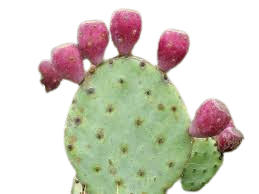
Prickly pear is a sweet melon-like cactus fruit from the Opuntia genus. There are 41 prickly pear calories per 100 g (3.5 oz) of the fresh raw fruit. Frequently referred to by names such as cactus pear, tuna, indian fig, or nopal fruit, this fruit is less energy-dense than mangoes or grapes due to its high water content. A small serving of prickly pear (50 g or 1.8 oz) provides 20 calories, while an average size prickly pear (100 g) contains 41 calories. According to prickly pear nutrition facts, a 100 g (3.5 oz) portion provides 9.6 g of carbohydrates, 0.7 g of protein, and 0.5 g of fat. Key health benefits include its ability to regulate blood sugar levels and its potent anti-inflammatory properties driven by betalain pigments. Research by Lopez-Romero et al. (2014), "The effect of nopal (Opuntia ficus indica) on postprandial blood glucose," found that the fruit significantly lowers glucose spikes after meals.
Common types include the mild green tuna blanca and the sweet red tuna roja. The refreshing, watermelon-bubblegum flavor profile is utilized in specialty beverages such as the Prickly Pear Lemonade at BJ's Restaurant & Brewhouse and the Prickly Pear Paleta at Morelia Gourmet Paletas. This fruit is a foundational ingredient in Mexican and Southwestern American cuisines.
The origin of prickly pear is Mexico, where it has been cultivated for over 9,000 years and holds deep cultural significance. Global production is led by Mexico, which produced 490.00 kt in 2024, followed by Italy at 125.00 kt. Consumption is highest in Mexico and the United States, where the fruit is a seasonal staple. The retail price for one pound of fresh prickly pear has risen from $0.99 USD in 2005 to $2.49 USD in 2024.
Health guidelines suggest a recommended daily intake of 100 g (3.5 oz) to 200 g (7 oz), which contributes 41 to 82 calories in prickly pear to a standard adult diet. To burn the 41 calories provided by a medium 100 g (3.5 oz) serving of fresh prickly pear, an average woman weighing 70 kg (154 lbs) must engage in 10 minutes of moderate walking at 5 km/h (3 mph), while an average man weighing 84 kg (185 lbs) would require 8 minutes. For those consuming a Prickly Pear Margarita containing 280 calories, the energy expenditure requires 79 minutes of moderate walking for a woman and 66 minutes for a man.
Prickly Pear nutrition
| Stats | Weight |
|---|---|
| Carbs | 9.6 grams |
| Protein | 0.7 grams |
| Fats | 0 grams |
| Sugars | 8 grams |
- Large Prickly Pear Calories (Nutritional Facts)
- Medium Prickly Pear Calories (Nutritional Facts)
- Small Prickly Pear Calories (Nutritional Facts)
- Raw Prickly Pear Nutrition
- Sodium in Prickly Pear
- Potassium in Prickly Pear
- Sugar in Prickly Pear
- Fiber in Prickly Pear
- Protein in Prickly Pear
- Carbs in Prickly Pear
- Fat in Prickly Pear
- Vitamins in Prickly Pear
- Minerals in Prickly Pear
Large Prickly Pear Calories (Nutritional Facts)
A large prickly pear fruit, weighing 150 g (1 cup), contains 61 calories. This portion provides 0.8 g of total fat, 1.1 g of protein, 14.4 g of carbohydrates, and 12 g of sugar. A large fruit delivers 25% of the Daily Value (DV) for magnesium.
A medium prickly pear fruit, weighing 100 g (3.5 oz), contains 41 calories. This serving offers 0.5 g of total fat, 0.7 g of protein, 9.6 g of carbohydrates, and 8 g of sugar. A medium fruit provides 220 mg of potassium.
A small prickly pear fruit, weighing 50 g (1.8 oz), contains 20 calories. This portion consists of 0.25 g of total fat, 0.35 g of protein, 4.8 g of carbohydrates, and 4 g of sugar. A small fruit provides 7 mg of Vitamin C.
A 100 g (3.5 oz) serving of raw prickly pear pulp provides 41 calories, 0.5 g of total fat, 0.7 g of protein, 9.6 g of total carbohydrates, and 3.6 g of dietary fiber. Raw prickly pear is a nutrient-dense fruit rich in magnesium, Vitamin C, and antioxidants like betalains. The nutrient density is higher in the fresh pulp compared to processed syrups or candies which contain added sugars.
Prickly pear contains 5 mg of sodium per 100 g (3.5 oz) serving, which contributes 0% of the Daily Value (DV). This low sodium content makes the fruit suitable for heart-healthy diets.
Prickly pear serves as a source of potassium, providing 220 mg per 100 g (3.5 oz) serving, which represents 5% of the DV. This mineral helps regulate fluid balance and nerve signals.
Prickly pear contains 8 g of sugar per 100 g (3.5 oz) serving. These are naturally occurring fructose and glucose sugars found within the pulp of the Opuntia ficus-indica fruit.
Prickly pear provides 3.6 g of dietary fiber per 100 g (3.5 oz) serving, fulfilling 13% of the DV. The high fiber content aids in digestive health and helps regulate cholesterol levels.
Prickly pear provides 0.7 g of protein per 100 g (3.5 oz) serving. It contains amino acids such as taurine and proline.
Prickly pear contains 9.6 g of total carbohydrates per 100 g (3.5 oz) serving.
Prickly pear contains 0.5 g of total fat per 100 g (3.5 oz) serving. The fruit is naturally low in fat and cholesterol-free.
A 100 g (3.5 oz) serving of raw prickly pear provides 14 mg of Vitamin C (16% DV). It also contains small amounts of Vitamin B6, Riboflavin, and Niacin.
A 100 g (3.5 oz) serving of raw prickly pear is rich in Magnesium, providing 85 mg (20% DV). It also delivers 56 mg of Calcium (4% DV) and trace amounts of Iron and Copper.
Get a Custom Report on Prickly Pear Nutrition Data – Contact Us!
What are the Types of Prickly Pear?
There are 3 main commercial categories of Prickly Pear based on fruit color such as the green, red, and orange varieties. The table below shows the most common Prickly Pear types and their calorie information.
| Type | Description | Calories (per 100 g / 3.5 oz) | Calorie Differences & Qualifications |
|---|---|---|---|
|
Green Prickly Pear (Blanca)
|
Mild flavor, less sweet; most common variety. | 41 | The baseline for standard nutritional values. |
|
Red/Purple Prickly Pear (Rojo)
|
Sweeter, berry-like flavor; high in betalains. | 45 | Slightly higher sugar density due to ripeness. |
|
Orange/Yellow Prickly Pear
|
Tropical flavor with notes of melon. | 43 | Moderate sweetness; similar profile to green. |
|
Prickly Pear Syrup
|
Concentrated juice with added sugar. | 300 | High calorie density due to added sweeteners. |
What are the Desserts with Prickly Pears?
Prickly pear is a cherished ingredient in Mexican and Southwestern American cuisines, where its vibrant color and watermelon-like flavor are utilized in refreshing frozen treats and syrups. The fruit is most famous for its use in sorbets, candies, and as a flavoring for margaritas and lemonades. The table below lists nutritional estimates for dessert items available at specific restaurant locations that feature prickly pear as a primary ingredient.
| Dish Name | Calories | Type | Carbs | Sugar | Protein | Fat | Cuisine | Restaurants |
|---|---|---|---|---|---|---|---|---|
|
Prickly Pear Sorbet
|
140 | Frozen | 34g | 30g | 0g | 0g | American | Salt & Straw |
|
Prickly Pear Margarita
|
280 | Beverage | 32g | 28g | 0g | 0g | Mexican-American | Uncle Julio's |
|
Prickly Pear Lemonade
|
180 | Beverage | 46g | 42g | 0g | 0g | American | BJ's Restaurant & Brewhouse |
|
Prickly Pear Cheesecake
|
450 | Cake | 48g | 34g | 6g | 26g | American | The Cheesecake Factory (Regional) |
|
Prickly Pear Ice Cream
|
220 | Frozen | 26g | 22g | 4g | 12g | Mexican | La Michoacana Meat Market |
|
Prickly Pear Paleta
|
130 | Frozen | 30g | 26g | 1g | 0g | Mexican | Morelia Gourmet Paletas |
|
Prickly Pear Syrup (1 oz)
|
90 | Condiment | 24g | 22g | 0g | 0g | Southwestern | Monin (Retail/Cafe) |
What Cuisines Prefer Prickly Pears the Most?
Prickly pear is used in Mexican and Southwestern American cuisines. In Mexico, the fruit (known as tuna) is eaten fresh, made into aguas frescas, or fermented into colonche. In the American Southwest (Arizona, New Mexico, Texas), it is a popular flavor for syrups, candies, and cocktails like the Prickly Pear Margarita. The table below outlines the specific culinary contexts where prickly pear is a prominent featured element.
| Cuisine | Dish Name | Calories | Restaurants |
|---|---|---|---|
|
Mexican-American
|
Prickly Pear Margarita | 280 | Uncle Julio's |
|
Southwestern American
|
Prickly Pear Lemonade | 180 | BJ's Restaurant & Brewhouse |
|
Mexican Ice Cream
|
Prickly Pear Paleta | 130 | Morelia Gourmet Paletas |
|
Artisanal American
|
Prickly Pear Sorbet | 140 | Salt & Straw |
|
Modern American
|
Prickly Pear Cheesecake | 450 | The Cheesecake Factory |
Which Countries Produce the Most Prickly Pears?
The top producers of prickly pear globally are Mexico, Italy, South Africa, Tunisia, and the United States. In 2022, Mexico produced an estimated 480.00 kilotonnes of prickly pear fruit, dominating the global market based on data from the Mexican Agrifood and Fisheries Information Service (SIAP) and FAOSTAT. Italy is the largest producer in Europe, specifically in the Sicily region. The table below displays estimated production volumes for the primary regions where prickly pear is a specialized commercial crop.
| Country | 2005 | 2006 | 2007 | 2008 | 2009 | 2010 | 2011 | 2012 | 2013 | 2014 | 2015 | 2016 | 2017 | 2018 | 2019 | 2020 | 2021 | 2022 | 2023 | 2024 |
|---|---|---|---|---|---|---|---|---|---|---|---|---|---|---|---|---|---|---|---|---|
| Mexico | 350 | 365 | 380 | 395 | 410 | 425 | 435 | 445 | 455 | 460 | 465 | 470 | 472 | 475 | 478 | 480 | 482 | 480 | 485 | 490 |
| Italy | 75 | 78 | 80 | 82 | 85 | 88 | 90 | 92 | 95 | 98 | 100 | 102 | 105 | 108 | 110 | 112 | 115 | 118 | 120 | 125 |
| S. Africa | 15 | 16 | 17 | 18 | 20 | 22 | 24 | 26 | 28 | 30 | 32 | 35 | 38 | 40 | 42 | 45 | 48 | 50 | 52 | 55 |
| Tunisia | 10 | 12 | 15 | 18 | 22 | 26 | 30 | 35 | 40 | 45 | 50 | 55 | 60 | 65 | 70 | 75 | 80 | 85 | 90 | 95 |
| USA | 5 | 6 | 7 | 8 | 9 | 10 | 12 | 14 | 16 | 18 | 20 | 22 | 24 | 26 | 28 | 30 | 32 | 34 | 36 | 38 |
Which Countries Consume the Most Prickly Pears?
Based on regional consumption patterns and agricultural data, the top consumers of prickly pear are Mexico, Italy, the United States, Tunisia, and South Africa. Consumption is calculated by the domestic utilization of fresh fruit (tunas) and processed products like jams and syrups. Mexico consumes the majority of its domestic production, valuing the fruit as a seasonal staple. The United States has seen growing consumption driven by Hispanic communities and the demand for exotic cocktail ingredients. The table below represents the apparent food supply and utilization of prickly pear products in these leading nations.
| Country | 2005 | 2006 | 2007 | 2008 | 2009 | 2010 | 2011 | 2012 | 2013 | 2014 | 2015 | 2016 | 2017 | 2018 | 2019 | 2020 | 2021 | 2022 | 2023 | 2024 |
|---|---|---|---|---|---|---|---|---|---|---|---|---|---|---|---|---|---|---|---|---|
| Mexico | 345 | 360 | 375 | 390 | 405 | 420 | 430 | 440 | 450 | 455 | 460 | 465 | 468 | 470 | 472 | 475 | 478 | 475 | 480 | 485 |
| Italy | 65 | 68 | 70 | 72 | 75 | 78 | 80 | 82 | 85 | 88 | 90 | 92 | 95 | 98 | 100 | 102 | 105 | 108 | 110 | 115 |
| USA | 10 | 12 | 14 | 16 | 18 | 20 | 24 | 28 | 32 | 36 | 40 | 45 | 50 | 55 | 60 | 65 | 70 | 75 | 80 | 85 |
| Tunisia | 9 | 11 | 13 | 16 | 20 | 24 | 28 | 32 | 38 | 42 | 48 | 52 | 58 | 62 | 68 | 72 | 78 | 82 | 88 | 92 |
| S. Africa | 12 | 13 | 14 | 15 | 16 | 18 | 20 | 22 | 24 | 26 | 28 | 30 | 32 | 34 | 36 | 38 | 40 | 42 | 44 | 46 |
How Do Prices of Prickly Pear-including Dishes Change?
Menu prices for desserts and beverages featuring prickly pear have seen consistent increases due to the fruit's status as a premium exotic flavor in the US market. The table below compares historical price ranges from the 2015–2017 period with current 2025–2026 market estimates for specific menu items that feature prickly pear.
| Restaurant | Dish Name | Old Price Range (2015–2017) | Current Price Range (2025–2026) |
|---|---|---|---|
| Uncle Julio's | Prickly Pear Margarita (Seasonal) | $9.50 - $11.00 | $14.50 - $16.95 |
| BJ's Restaurant | Prickly Pear Lemonade (Seasonal) | $3.95 - $4.50 | $5.95 - $6.50 |
| Salt & Straw | Prickly Pear Sorbet (Scoop, Seasonal Availability) | $4.50 - $5.50 | $6.75 - $7.95 |
| The Cheesecake Factory | Prickly Pear Cheesecake (Slice, Seasonal availability) | $7.95 - $8.95 | $10.50 - $12.50 |
| Morelia Gourmet | Prickly Pear Paleta (Seasonal) | $4.00 - $4.75 | $6.00 - $7.25 |
| La Michoacana | Prickly Pear Ice Cream (Seasonal) | $3.50 - $4.25 | $5.50 - $6.50 |
What is the Prickly Pear Calorie for 100 Grams?
One hundred grams (3.5 oz) of raw prickly pear fruit contains 41 calories.
What is the Prickly Pear Calorie for 1 KG?
One kilogram (1,000 g or 35.3 oz) of raw prickly pear fruit contains 410 calories.
What is the Calorie of 1 Prickly Pear?
One standard medium prickly pear fruit weighing 100 g (3.5 oz) contains 41 calories. A large fruit weighing 150 g (5.3 oz) contains 61 calories. A small fruit weighing 50 g (1.8 oz) contains 20 calories.
What are the Health Benefits of Prickly Pear?
Prickly pear provides some health benefits like regulating blood sugar levels and reducing inflammation due to its high concentration of magnesium and betalain antioxidants. This fruit, frequently called "cactus pear," "tuna," or "nopal fruit," is a staple in Mexican traditional medicine. A list of the health benefits of prickly pear is shown below.
- Regulates Blood Sugar: The high fiber and pectin content help slow glucose absorption. A study by Lopez-Romero et al. (2014), "The effect of nopal (Opuntia ficus indica) on postprandial blood glucose," demonstrated that consuming prickly pear significantly lowered blood sugar spikes after meals.
- Reduces Inflammation: Prickly pear contains betalains, pigments that act as potent anti-inflammatory agents. Research by Tesoriere et al. (2004), "Supplementation with cactus pear (Opuntia ficus-indica) fruit decreases oxidative stress in healthy humans," found that fruit consumption reduced oxidative stress markers.
- Supports Digestive Health: The 3.6 g of dietary fiber per 100 g (3.5 oz) serving aids in regular bowel movements and gut health.
- Promotes Heart Health: The magnesium and potassium content helps regulate blood pressure and muscle function.
- Boosts Immune System: A 100 g (3.5 oz) serving provides 14 mg of Vitamin C, fulfilling 16% of the Daily Value (DV) for supporting immune defense.
- Aids in Hangover Relief: Extracts from the fruit skin have been shown to reduce symptoms of alcohol hangovers. A study by Wiese et al. (2004), "Effect of Opuntia ficus indica on symptoms of the alcohol hangover," indicated reduced nausea and dry mouth in participants.
- Enhances Skin Health: Antioxidants like Vitamin C support collagen production and protect against UV damage.
- Supports Bone Health: The calcium and magnesium levels contribute to the maintenance of skeletal strength.
What are the Downsides of Prickly Pear?
Prickly pear has been known to cause some unwanted effects like digestive blockage and potential hypoglycemia due to its high fiber and hypoglycemic properties. A list of the downsides of prickly pear is shown below.
- Causes Digestive Blockage: Consuming large quantities of the seeds can lead to constipation or intestinal obstruction, a condition known as phytobezoar.
- Risk of Hypoglycemia: The fruit's ability to lower blood sugar may cause levels to drop too low in individuals taking diabetes medication.
- Gastrointestinal Distress: Excessive consumption can cause bloating, gas, and diarrhea in sensitive individuals.
- Physical Injury from Spines: The fruit skin contains tiny glochids (spines) that can lodge in the skin or throat if not properly cleaned.
- Interference with Surgery: Due to its effects on blood sugar, it is recommended to stop consumption at least two weeks before scheduled surgery.
Are Prickly Pears Good for You?
Yes, prickly pear is good for you because it delivers 20% of the DV for Magnesium and 16% of the DV for Vitamin C in every 100 g (3.5 oz) serving. Healthy individuals should consume 100 g (3.5 oz) to 200 g (7 oz) of the fresh pulp per day to gain metabolic and anti-inflammatory benefits. The major benefits include the stabilization of blood glucose and the reduction of oxidative stress. It is an ideal nutrient-dense fruit for those seeking fiber-rich, low-calorie options.
How Do Calories Change According to Prickly Pear Types?
The calories in prickly pears do not vary significantly between fresh color varieties, as most contain approximately 41 to 45 calories per 100 g (3.5 oz). The primary difference lies in the sugar concentration, with darker red and purple fruits tending to be slightly sweeter and more calorie-dense than green varieties. Processed forms show the most significant variation; prickly pear syrup or jam contains significantly higher calories, often exceeding 300 calories per 100 g due to the addition of cane sugar or corn syrup.
What are the Main Dishes with Prickly Pears?
There are no main dishes that use prickly pear fruit as a primary cooking ingredient on real, mainstream restaurant menus. The fruit's high seed content and delicate flavor make it unsuitable for savory protein preparations, and it is almost exclusively consumed as a dessert, beverage, or glaze.
What is the Origin of Prickly Pear?
The origin of the prickly pear (Opuntia ficus-indica) is Mexico, where it has been cultivated for over 9,000 years. It was a staple food source for the Aztecs, who revered the plant and featured it in their mythology and the founding legend of Tenochtitlan (modern-day Mexico City). The fruit was introduced to Europe and North Africa by Spanish explorers in the 16th century, where it adapted well to the Mediterranean climate.
Historically, the plant was also valued for cochineal production (a red dye made from insects that live on the cactus pads). Today, Mexico remains the world's largest producer and consumer of both the fruit (tuna) and the vegetable pads (nopales). The fruit is also commercially grown in Italy (Sicily), South Africa, and the United States (California and Arizona).
Explore More Fruits
Discover more Fruits with detailed nutrition facts, calorie counts, vitamins, minerals, and health benefits. Compare similar foods, serving sizes, macronutrients, and key nutrients to find the best option for your diet and nutrition goals.
 Acai calories
 Acerola calories
 Ambarella calories
 Amla calories
 Apple calories
 Apricot calories
 Avocado calories
 Babaco calories
 Bael Fruit calories
 Banana calories
 Black Grapes calories
 Blackcurrant calories