Calories and Nutritions in Quinoa Flakes
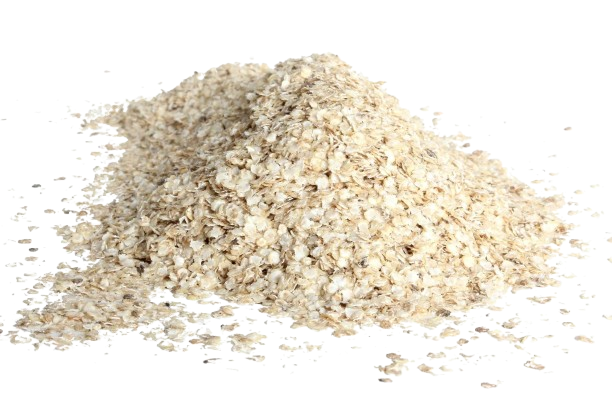
Quinoa flakes are a processed grain used in hot breakfast cereals and gluten-free baked goods. Quinoa flakes offers 109 calories for a one-third cup serving of uncooked flakes (28g. A one-cup serving (85g) of quinoa flakes contains 327 calories. The calories in cooked quinoa flakes are lower due to water absorption, with a one-cup serving (185g) providing 222 calories. A one-third cup serving of Ancient Harvest Quinoa Flakes contains 140 calories.
The quinoa flakes nutrition profile is notable for being a complete protein, containing all nine essential amino acids. A study confirmed that quinoa possesses a high protein quality and can be considered a functional food (Navruz-Varli, S., & Sanlier, N., 2016). Major health benefits come from this nutrient density, including a rich supply of manganese and magnesium. A 100g serving of uncooked flakes delivers 1.76mg of manganese (88% DV) and 197mg of magnesium (47% DV). A one-cup serving of cooked flakes (185g) provides 1.17mg of manganese (58% DV) and 118mg of magnesium (28% DV), supporting bone health and enzyme function.
Quinoa flakes are available in white, red, and black varieties, with Peru and Bolivia being the primary producers of the source grain. Major consumer markets for the flakes are the United States, Canada, and Europe. The price of quinoa flakes is tied to the commodity price of the grain, which saw a sharp increase in the 2010s, peaking at over $6,400 per tonne in 2014 before settling to a more stable level around $2,450 per tonne in 2022.
A suggested serving is one-third cup of dry quinoa flakes (28.3 grams), which has 109 calories. This amount of calories can be burned by doing activities like 11 minutes of running or 14 minutes of swimming.
Quinoa Flakes nutrition
| Stats | Weight |
|---|---|
| Carbs | 64 grams |
| Protein | 14 grams |
| Fats | 0 grams |
| Sugars | 0.9 grams |
- Large Quinoa Flakes Calories (Nutritional Facts)
- Medium Quinoa Flakes Calories (Nutritional Facts)
- Small Quinoa Flakes Calories (Nutritional Facts)
- Raw Quinoa Flakes Nutrition
- Sodium in Quinoa Flakes
- Potassium in Quinoa Flakes
- Sugar in Quinoa Flakes
- Fiber in Quinoa Flakes
- Protein in Quinoa Flakes
- Carbs in Quinoa Flakes
- Fat in Quinoa Flakes
- Vitamins in Quinoa Flakes
- Minerals in Quinoa Flakes
Large Quinoa Flakes Calories (Nutritional Facts)
A large serving of uncooked quinoa flakes, equivalent to one cup (85g), has 327 calories, 12.2g of protein, 5.38g of fat, 59.3g of carbohydrates, 8.1g of fiber, 2.69g of sugar, and 9mg of sodium. A large serving of cooked quinoa flakes, or 1.5 cups (278g), contains 334 calories, 12.2g of protein, 5.3g of fat, 59.2g of carbohydrates, 7.8g of fiber, 0g of sugar, and 11mg of sodium.
A medium 100g (3.5oz) serving of uncooked quinoa flakes contains 385 calories, 14.3g of protein, 6.33g of fat, 69.8g of carbohydrates, 9.5g of fiber, 3.16g of sugar, and 10mg of sodium. A medium one-cup serving (185g) of cooked quinoa flakes provides 222 calories, 8.14g of protein, 3.55g of fat, 39.4g of carbohydrates, 5.2g of fiber, 0g of sugar, and 7mg of sodium.
A small serving of uncooked quinoa flakes, or one-third of a cup (28.3g), contains 109 calories, 4.05g of protein, 1.79g of fat, 19.7g of carbohydrates, 2.7g of fiber, 0.89g of sugar, and 3mg of sodium. A small half-cup serving (92.5g) of cooked quinoa flakes has 111 calories, 4.07g of protein, 1.78g of fat, 19.7g of carbohydrates, 2.6g of fiber, 0g of sugar, and 4mg of sodium.
Uncooked quinoa flakes provide a balanced source of macronutrients. A 100g serving of raw quinoa flakes contains 385 calories, 14.3g of protein, 6.33g of fat, 69.8g of carbohydrates, 9.5g of fiber, 3.16g of sugar, and 10mg of sodium. A one-cup serving (85g) of raw quinoa flakes offers 327 calories, 12.2g of protein, 5.38g of fat, 59.3g of carbohydrates, 8.1g of fiber, 2.69g of sugar, and 9mg of sodium.
A large one-cup serving (85g) of uncooked quinoa flakes contains 9mg of sodium (0% DV). A large 1.5-cup serving (278g) of cooked quinoa flakes has 11mg of sodium (0% DV). A medium 100g serving of uncooked quinoa flakes has 10mg of sodium (0% DV). A medium one-cup serving (185g) of cooked quinoa flakes contains 7mg of sodium (0% DV). A small one-third cup serving (28.3g) of uncooked quinoa flakes has 3mg of sodium (0% DV). A small half-cup serving (92.5g) of cooked quinoa flakes provides 4mg of sodium (0% DV). A 100g serving of raw quinoa flakes contains 10mg of sodium (0% DV).
A large one-cup serving (85g) of uncooked quinoa flakes contains 479mg of potassium (10% DV). A large 1.5-cup serving (278g) of cooked quinoa flakes has 477mg of potassium (10% DV). A medium 100g serving of uncooked quinoa flakes has 563mg of potassium (12% DV). A medium one-cup serving (185g) of cooked quinoa flakes contains 318mg of potassium (7% DV). A small one-third cup serving (28.3g) of uncooked quinoa flakes has 159mg of potassium (3% DV). A small half-cup serving (92.5g) of cooked quinoa flakes provides 159mg of potassium (3% DV). A 100g serving of raw quinoa flakes contains 563mg of potassium (12% DV).
A large one-cup serving (85g) of uncooked quinoa flakes contains 2.69g of sugar. Cooked quinoa flakes contain 0g of sugar. A medium 100g serving of uncooked quinoa flakes has 3.16g of sugar. A small one-third cup serving (28.3g) of uncooked quinoa flakes has 0.89g of sugar. A 100g serving of raw quinoa flakes contains 3.16g of sugar.
A large one-cup serving (85g) of uncooked quinoa flakes contains 8.1g of fiber (29% DV). A large 1.5-cup serving (278g) of cooked quinoa flakes has 7.8g of fiber (28% DV). A medium 100g serving of uncooked quinoa flakes has 9.5g of fiber (34% DV). A medium one-cup serving (185g) of cooked quinoa flakes contains 5.2g of fiber (19% DV). A small one-third cup serving (28.3g) of uncooked quinoa flakes has 2.7g of fiber (10% DV). A small half-cup serving (92.5g) of cooked quinoa flakes provides 2.6g of fiber (9% DV). A 100g serving of raw quinoa flakes contains 9.5g of fiber (34% DV).
A large one-cup serving (85g) of uncooked quinoa flakes contains 12.2g of protein (24% DV). A large 1.5-cup serving (278g) of cooked quinoa flakes has 12.2g of protein (24% DV). A medium 100g serving of uncooked quinoa flakes has 14.3g of protein (29% DV). A medium one-cup serving (185g) of cooked quinoa flakes contains 8.14g of protein (16% DV). A small one-third cup serving (28.3g) of uncooked quinoa flakes has 4.05g of protein (8% DV). A small half-cup serving (92.5g) of cooked quinoa flakes provides 4.07g of protein (8% DV). A 100g serving of raw quinoa flakes contains 14.3g of protein (29% DV).
A large one-cup serving (85g) of uncooked quinoa flakes contains 59.3g of carbohydrates (22% DV). A large 1.5-cup serving (278g) of cooked quinoa flakes has 59.1g of carbohydrates (21% DV). A medium 100g serving of uncooked quinoa flakes has 69.8g of carbohydrates (25% DV). A medium one-cup serving (185g) of cooked quinoa flakes contains 39.4g of carbohydrates (14% DV). A small one-third cup serving (28.3g) of uncooked quinoa flakes has 19.7g of carbohydrates (7% DV). A small half-cup serving (92.5g) of cooked quinoa flakes provides 19.7g of carbohydrates (7% DV). A 100g serving of raw quinoa flakes contains 69.8g of carbohydrates (25% DV).
A large one-cup serving (85g) of uncooked quinoa flakes contains 5.38g of total fat (7% DV). A large 1.5-cup serving (278g) of cooked quinoa flakes has 5.3g of total fat (7% DV). A medium 100g serving of uncooked quinoa flakes has 6.33g of total fat (8% DV). A medium one-cup serving (185g) of cooked quinoa flakes contains 3.55g of total fat (5% DV). A small one-third cup serving (28.3g) of uncooked quinoa flakes has 1.79g of total fat (2% DV). A small half-cup serving (92.5g) of cooked quinoa flakes provides 1.78g of total fat (2% DV). A 100g serving of raw quinoa flakes contains 6.33g of total fat (8% DV).
A large one-cup serving (85g) of uncooked quinoa flakes provides Thiamin (26% DV), Riboflavin (20% DV), Vitamin B6 (25% DV), and Folate (39% DV). A large 1.5-cup serving (278g) of cooked quinoa flakes provides Thiamin (19% DV), Riboflavin (16% DV), Vitamin B6 (18% DV), and Folate (28% DV). A medium 100g serving of uncooked quinoa flakes provides Thiamin (30% DV), Riboflavin (24% DV), Vitamin B6 (29% DV), and Folate (46% DV). A medium one-cup serving (185g) of cooked quinoa flakes provides Thiamin (13% DV), Riboflavin (11% DV), Vitamin B6 (12% DV), and Folate (19% DV). A 100g serving of raw quinoa flakes provides Folate (46% DV).
A large one-cup serving (85g) of uncooked quinoa flakes provides Iron (21% DV), Magnesium (40% DV), Phosphorus (31% DV), and Manganese (75% DV). A large 1.5-cup serving (278g) of cooked quinoa flakes provides Iron (22% DV), Magnesium (28% DV), Phosphorus (22% DV), and Manganese (45% DV). A medium 100g serving of uncooked quinoa flakes provides Iron (25% DV), Magnesium (47% DV), Phosphorus (37% DV), and Manganese (88% DV). A medium one-cup serving (185g) of cooked quinoa flakes provides Iron (15% DV), Magnesium (19% DV), Phosphorus (15% DV), and Manganese (30% DV). A 100g serving of raw quinoa flakes provides Iron (25% DV).
Get a Custom Report on Quinoa Flakes Nutrition Data – Contact Us!
What are the Types of Quinoa Flakes?
The types of quinoa flakes are white, red, black, and tricolor, distinguished by the color of the quinoa seed used for production. The table below outlines the features of these common types.
| Type | Description | Calories (per 100g) | Calorie Qualifications |
|---|---|---|---|
|
White Quinoa Flakes
|
Made from standard white or tan quinoa seeds. The most common type. | 385 | This type has the mildest flavor and softest texture when cooked. |
|
Red Quinoa Flakes
|
Made from red quinoa seeds. | 388 | Red quinoa has a slightly higher protein and fat content, resulting in a minimal calorie increase. The flakes have a nuttier flavor and hold their shape better. |
|
Black Quinoa Flakes
|
Made from black quinoa seeds. | 390 | Black quinoa contains anthocyanin antioxidants and has the highest protein and fat content, making the flakes the most calorie-dense. The flavor is earthier and sweeter. |
|
Tricolor Quinoa Flakes
|
A blend of white, red, and black quinoa flakes. | 387 | The calorie count is an average of the three types, offering a blend of flavors and textures. |
What are Desserts With Quinoa Flakes?
Quinoa flakes are a versatile ingredient in gluten-free and health-conscious desserts, adding protein, fiber, and a mild, nutty flavor. The table that follows provides details on several desserts that feature quinoa flakes.
| Dish Name | Calories (Estimate per serving) | Type of Quinoa Flakes | Carbs (g) (Estimate) | Sugar (g) (Estimate) | Protein (g) (Estimate) | Fat (g) (Estimate) | Cuisine | Restaurants |
|---|---|---|---|---|---|---|---|---|
|
Quinoa Flake Porridge with Berries
|
350 | White | 55 | 18 | 10 | 10 | Health Food | Le Pain Quotidien |
|
Quinoa Flake Cookies
|
190 | White or Tricolor | 25 | 14 | 4 | 8 | Gluten-Free Bakery | Erin McKenna's Bakery (New York, NY) |
|
Apple Crumble with Quinoa Flake Topping
|
450 | White | 70 | 40 | 7 | 17 | New American | True Food Kitchen |
|
Quinoa Flake Pancakes
|
410 | White | 60 | 15 | 12 | 14 | American Brunch | The Butcher's Daughter |
|
No-Bake Quinoa Flake Energy Bites
|
150 | White | 18 | 12 | 5 | 7 | Health Food | Juice Press |
|
Quinoa Flake Banana Bread
|
340 | White | 48 | 25 | 7 | 14 | American Bakery | By the Way Bakery (New York, NY) |
|
Chocolate Quinoa Flake Brownies
|
380 | Black or Tricolor | 45 | 30 | 6 | 22 | Gluten-Free Bakery | Sprinkles Cupcakes |
|
Quinoa Flake Muffins
|
360 | White | 45 | 22 | 8 | 17 | American Bakery | Maman (New York, NY) |
|
Quinoa Flake Granola
|
280 | Tricolor | 30 | 12 | 8 | 14 | Health Food | Sweetgreen |
|
Quinoa Flake Waffles
|
420 | White | 58 | 14 | 13 | 16 | American Brunch | Cafe Gratitude (restaurant chain) |
What are the Main Dishes With Quinoa Flakes?
Quinoa flakes are used in savory dishes as a quick-cooking grain, a binder, or a gluten-free breading. The subsequent table highlights a selection of main dishes prepared with quinoa flakes.
| Dish Name | Calories (Estimate per serving) | Type of Quinoa Flakes | Carbs (g) (Estimate) | Sugar (g) (Estimate) | Protein (g) (Estimate) | Fat (g) (Estimate) | Cuisine | Restaurants |
|---|---|---|---|---|---|---|---|---|
|
Savory Quinoa Flake Porridge
|
380 | White or Tricolor | 45 | 5 | 15 | 16 | Health Food | Sqirl (Los Angeles, CA) |
|
Veggie Burgers with Quinoa Flakes
|
520 | White or Red | 50 | 8 | 25 | 24 | Vegan | Bareburger |
|
Quinoa Flake Crusted Chicken/Fish
|
480 | White | 30 | 2 | 40 | 22 | New American | Tender Greens |
|
Meatballs/Meatloaf with Quinoa Flakes
|
550 | White | 25 | 6 | 35 | 35 | Italian-American | The Meatball Shop (New York, NY) |
|
Quinoa Flake and Vegetable Fritters
|
410 | White | 35 | 7 | 12 | 25 | Mediterranean | Shaya (New Orleans, LA) |
|
Stuffed Peppers with Quinoa Flakes
|
450 | Red or Tricolor | 48 | 12 | 18 | 20 | American | The Cheesecake Factory (restaurant chain) |
|
Quinoa Flake Polenta
|
390 | White | 48 | 3 | 12 | 18 | Italian-American | Eataly (restaurant marketplace) |
|
Savory Quinoa Flake Pancakes
|
430 | White | 40 | 6 | 18 | 22 | New American | Gjelina (Venice, CA) |
|
Quinoa Flake Soup Thickener
|
320 | White | 40 | 8 | 10 | 12 | American | Hale and Hearty (restaurant chain) |
|
Gluten-Free Quiche with Quinoa Flake Crust
|
490 | White | 28 | 5 | 20 | 34 | French-American | Balthazar (New York, NY) |
What Cuisines Prefer Quinoa Flakes the Most?
From health-conscious cafes to modern bakeries, quinoa flakes are embraced by contemporary culinary styles that prioritize nutrition and gluten-free options. An overview of the culinary styles that prominently feature quinoa flakes is shown in the table below.
| Cuisine | Dish | Types of Quinoa Flakes Used | Calories (Estimate) | Restaurant(s) |
|---|---|---|---|---|
|
Health Food
|
Breakfast Porridge, Energy Bites | White, Tricolor | 150-380 | Moon Juice (Los Angeles, CA) |
|
Gluten-Free Bakery
|
Cookies, Brownies, Breads | White, Black | 190-380 | Tu-Lu's Gluten-Free Bakery (New York, NY) |
|
Vegan
|
Veggie Burgers, Meatless Loaf | White, Red | 500-600 | by CHLOE. (restaurant chain) |
|
Californian
|
Granola, Savory Porridge | Tricolor, White | 280-450 | Flower Child |
|
New American
|
Crusted Proteins, Savory Pancakes | White | 430-500 | ABC Kitchen (New York, NY) |
|
American Brunch
|
Pancakes, Waffles | White | 410-430 | First Watch |
|
Plant-Based
|
Fritters, Savory Bowls | White, Tricolor | 400-550 | Planta (restaurant chain) |
|
Modern Mediterranean
|
Savory Fritters, Crusts | White | 410-490 | Zaytinya (Washington, D.C.) |
|
Juice Bar/Cafe
|
Oatmeal Bowls, Smoothies | White | 350-500 | Joe & The Juice |
|
Paleo/Keto (as binder)
|
Meatballs, Patties | White | 450-550 | Hu Kitchen (New York, NY) |
Which Countries Produce the Most Quinoa Flakes?
The top producers of quinoa grain, which is the main component of quinoa flakes, are Peru and Bolivia. Global production data for processed quinoa flakes is not tracked separately from the raw commodity. The table below shows the production quantity of quinoa in key countries.
| Country | 2003 | 2008 | 2013 | 2018 | 2019 | 2020 | 2021 | 2022 |
|---|---|---|---|---|---|---|---|---|
| Peru | 23,000 | 38,256 | 52,129 | 86,011 | 89,775 | 97,543 | 106,662 | 101,000 |
| Bolivia | 24,000 | 28,881 | 61,182 | 69,045 | 64,887 | 67,429 | 70,500 | 61,000 |
| Ecuador | 658 | 761 | 800 | 3,922 | 4,200 | 4,100 | 3,800 | 3,900 |
| Spain | 0 | 0 | 150 | 1,200 | 1,350 | 1,400 | 1,500 | 1,600 |
| Colombia | 450 | 500 | 600 | 1,100 | 1,200 | 1,150 | 1,250 | 1,300 |
| United States | 0 | 0 | 500 | 800 | 900 | 950 | 1,000 | 1,100 |
Which Countries Consume the Most Quinoa Flakes?
The top consumers of quinoa grain, the source of quinoa flakes, are the United States, Canada, and countries in Europe, which import the grain in large quantities. Per capita food consumption data reflects the grain's popularity in non-producing nations. The table below shows the food supply of quinoa for human consumption in select countries.
| Country | 2013 | 2015 | 2017 | 2018 | 2019 | 2020 |
|---|---|---|---|---|---|---|
| United States | 0.35 | 0.40 | 0.38 | 0.37 | 0.36 | 0.36 |
| Canada | 0.40 | 0.45 | 0.42 | 0.41 | 0.40 | 0.40 |
| France | 0.25 | 0.30 | 0.28 | 0.27 | 0.26 | 0.26 |
| Germany | 0.18 | 0.22 | 0.20 | 0.19 | 0.18 | 0.18 |
| Australia | 0.20 | 0.25 | 0.23 | 0.22 | 0.21 | 0.21 |
| Peru | 1.11 | 1.20 | 1.50 | 1.60 | 1.70 | 1.75 |
How Do Prices of Quinoa Flakes-Including Dishes Change?
The prices on restaurant menus for dishes containing quinoa flakes have climbed over the past ten years, a trend reflecting the increased wholesale price of quinoa and greater expenses for labor and restaurant operations. Health-focused and brunch restaurants that feature items like quinoa porridge and pancakes show these price adjustments on menus.
| Restaurant | Dish | Old Price (Year) | Current Price (2025) |
|---|---|---|---|
| True Food Kitchen | Ancient Grains Bowl (with quinoa) | $16.00 (2016) | $18.50 - $23.00 |
| Le Pain Quotidien | Quinoa Porridge/Oatmeal | $8.95 (2017) | $10.50 - $12.00 |
| The Butcher's Daughter | Quinoa Pancakes | $15.00 (2016) | $18.00 - $24.00 |
| Cafe Gratitude | "I Am Whole" Macrobiotic Bowl | $16.00 (2015) | $21.00 - $23.00 |
| First Watch | Power Breakfast Quinoa Bowl | $9.79 (2018) | $13.29 - $14.79 |
| Flower Child | Mother Earth Bowl (with quinoa) | $11.95 (2017) | $15.75 - $17.25 |
| Sweetgreen | Custom Bowl | $10.50 (2017) | $15.50 - $17.00 |
| by CHLOE. | The Quinoa Taco Salad | $11.95 (2016) | $16.95 - $18.50 |
What is the Quinoa Flakes Calorie for 100 Grams?
A 100 gram serving of uncooked quinoa flakes has 385 calories. A 100 gram serving of cooked quinoa flakes contains 120 calories.
What is the Quinoa Flakes Calorie for 1 KG?
One kilogram (1000g) of uncooked quinoa flakes contains 3850 calories. One kilogram of cooked quinoa flakes has 1200 calories.
What is the Quinoa Flakes Calorie for 1/2 cup?
A half-cup serving (42.5g) of uncooked quinoa flakes has 164 calories. A half-cup serving (92.5g) of cooked quinoa flakes contains 111 calories.
What is the Calorie of 1 Quinoa Flake?
The calorie of one serving of quinoa flakes varies by brand. A one-third cup serving (38g) of NOW Real Food Organic Quinoa Flakes contains 140 calories. A one-third cup serving (38g) of Ancient Harvest Quinoa Flakes has 140 calories. A one-third cup serving (38g) of Arrowhead Mills Organic Quinoa Flakes contains 140 calories.
What are the Health Benefits of Quinoa Flakes?
The consumption of quinoa flakes is linked to several health advantages, supported by scientific evidence. A breakdown of the principal health advantages is provided below.
- Provides Complete Protein: Quinoa flakes are a rare plant-based source of complete protein, meaning the food contains all nine essential amino acids that the body cannot produce on its own. These amino acids are crucial for muscle repair, tissue growth, and enzyme production. A review by Navruz-Varli, S., & Sanlier, N. (2016), "Nutritional and health benefits of quinoa (Chenopodium quinoa Willd.)," confirmed the high quality of quinoa protein, making the food a valuable component of vegetarian and vegan diets.
- Supports Metabolic Health: Quinoa flakes are a good source of fiber and have a relatively low glycemic index, which helps in regulating blood sugar levels. The combination of protein and fiber promotes satiety, which can aid in weight management. Research by Li, L., & Lietz, G. (2018), "The effect of quinoa on the blood glucose, blood lipids and body weight in overweight and obese subjects," suggested that quinoa consumption has beneficial effects on metabolic health markers.
- Rich in Antioxidants: Quinoa flakes contain flavonoid antioxidants, particularly quercetin and kaempferol. These compounds help neutralize free radicals in the body, protecting cells from oxidative stress and reducing inflammation. A study by Tang, Y., & Tsao, R. (2017), "Phytochemicals in quinoa and amaranth grains and their antioxidant, anti-inflammatory, and potential health beneficial effects: a review," detailed the high concentration of these beneficial compounds in quinoa.
What are the Downsides of Quinoa Flakes?
Quinoa flakes are well-tolerated by most people, but some considerations exist. A summary of these potential considerations is presented below.
- Contains Saponins: Quinoa seeds are naturally coated with saponins, bitter-tasting compounds that can cause digestive irritation for some individuals. Commercial processing of quinoa flakes removes most saponins, but trace amounts may remain. A study by Graf, B. L., et al. (2015), "Saponins from quinoa (Chenopodium quinoa Willd.) husks," discusses the properties of these compounds. Rinsing quinoa flakes before cooking can help remove any residual saponins. An alternative grain flake is rolled oats. A daily suggested amount is one cup of cooked flakes.
- Contains Oxalates: Quinoa flakes contain oxalates, which are naturally occurring compounds that can contribute to the formation of kidney stones in susceptible individuals. People with a history of oxalate kidney stones may need to moderate their intake. Research by Siener, R., et al. (2006), "The role of oxalate in calcium oxalate stone formation," explains the mechanism by which dietary oxalates can increase stone risk. A lower-oxalate alternative is white rice.
Are Quinoa Flakes Good for You?
Yes, quinoa flakes are a nutritious food because the product offers benefits for metabolic, digestive, and bone health. Quinoa flakes support metabolic health with a low glycemic index and a unique combination of protein and fiber, which aids in blood sugar control and satiety. A study by Farinazzi-Machado, F. M. V., et al. (2012), "Effect of quinoa consumption on the glycemic control of elderly patients with type 2 diabetes," found that quinoa was effective in helping manage glycemic levels. The product's value is enhanced by being a complete protein, which supports muscle maintenance and overall bodily function, as detailed in a review by Navruz-Varli, S., & Sanlier, N. (2016). For bone health, quinoa flakes are an important source of magnesium, phosphorus, and manganese, all minerals essential for bone structure and formation. A review by Rondanelli, M., et al. (2015), "The biological activity of quinoa," highlights the rich mineral profile of quinoa and its potential role in health maintenance.
Are Quinoa Flakes Gluten-Free?
Yes, pure quinoa flakes are gluten-free. Quinoa is a pseudocereal that is naturally free from gluten, making quinoa flakes a safe and suitable option for individuals with celiac disease or a non-celiac gluten sensitivity. The primary concern is potential cross-contamination, which can happen if the quinoa is grown, harvested, or processed in facilities that also handle gluten-containing grains like wheat, barley, or rye. To ensure the product is safe for consumption, individuals who must avoid gluten should only purchase quinoa flakes that are explicitly certified and labeled as gluten-free.
How Do Calories Change According to Quinoa Flakes Types?
The specific color of the quinoa flake determines its caloric value, with slight differences resulting from variations in macronutrient composition. Black quinoa flakes have the highest calorie count, with 390 calories per 100g, due to a slightly higher protein and fat content. Red quinoa flakes follow with 388 calories per 100g. Tricolor quinoa flakes, being a blend, have an average calorie count of 387 per 100g. White quinoa flakes have the lowest calorie count at 385 calories per 100g, reflecting a slightly lower fat and protein content compared to the colored varieties.
Are Quinoa Flakes the Same as Quinoa?
No, quinoa flakes are not the same as quinoa seeds. Quinoa flakes are a processed form of whole quinoa seeds. To create the flakes, the whole seeds are first steamed and then rolled flat by machinery, much like the process for making rolled oats. This process dramatically reduces the cooking time of the flakes to just a few minutes, compared to the 15-20 minutes required to cook whole quinoa seeds. The resulting texture is also different, quinoa flakes produce a soft, creamy porridge, while whole quinoa seeds maintain a distinct, slightly chewy texture after cooking.
What is the Origin of Quinoa Flakes?
Quinoa flakes have a modern history, though the grain they come from is ancient. The flakes are made from quinoa, a seed first domesticated thousands of years ago in the Andean region of South America, near Lake Titicaca in Peru and Bolivia. Quinoa was a sacred and staple crop for the Inca civilization, who called the food "chisaya mama" or the mother of all grains. The process of steaming and rolling whole quinoa seeds to create quick-cooking flakes is a recent development, created by the modern food industry to meet consumer demand for convenient, nutritious, and gluten-free foods.
Explore More Grains
Discover more Grains with detailed nutrition facts, calorie counts, vitamins, minerals, and health benefits. Compare similar foods, serving sizes, macronutrients, and key nutrients to find the best option for your diet and nutrition goals.
 Amaranth calories
 Arborio Rice calories
 Arrowroot Powder calories
 Barley calories
 Basmati Rice calories
 Black Rice calories
 Brown Rice calories
 Buckwheat calories
 Bulgur Wheat calories
 Coconut Flour calories
 Cornmeal calories
 Cornstarch calories