Calories and Nutritions in Sorghum
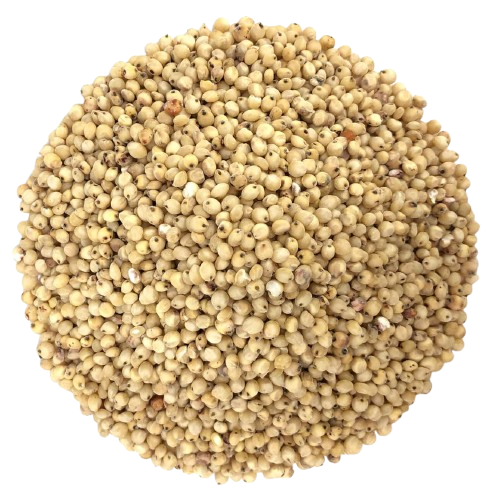
Sorghum is a versatile ancient grain, and its calories vary based on preparation. One cup of cooked sorghum, weighing 192 g (6.8 oz), contains 253 calories, while 100 g (3.5 oz) of raw sorghum grain has 329 calories. The sorghum nutritional value is high, offering fiber, protein, and B vitamins. A 100 g raw sorghum provides 10.6 g of protein, 3.5 g of fat, 72.1 g of carbohydrates, 6.7 g of fiber (24% Daily Value/DV), 3.7 mg of niacin (23% DV), and 0.3 mg of thiamin (25% DV). Sorghum nutrition facts also highlight its rich antioxidant content, including phenolic compounds, as indicated in a research by Awika JM and Rooney LW (2004), titled "Sorghum phytochemicals and their potential impact on human health.”
Sorghum health benefits include being gluten-free, aiding digestion, and supporting blood sugar management. Common sorghum types include whole grain (in various colors), sorghum flour, pearled sorghum, and popped sorghum. The USA, Nigeria, and India are major sorghum producers, with the USA producing 4,800 kilotonnes in 2022. Consumption is high in Africa and Asia for food, and in the USA and Mexico for animal feed. Sorghum grain prices exhibit volatility, with recent peaks in 2021-2022. The retail price for sorghum flour in the US can range from $3 to $5 per pound.
Sorghum is used in dishes like Jowar Roti at Indian restaurants such as Swagat Indian Cuisine, and in grain bowls at health-focused cafes like True Food Kitchen. It is a nutritious grain that can be part of a balanced diet contributing to the recommended daily intake of 5 to 8 ounce-equivalents of grains for adults, with at least half being whole grains like sorghum (a 1/2 cup cooked serving, around 127 calories, counts as one ounce-equivalent). Burning the 253 calories from a cup of cooked sorghum requires activities such as 25-30 minutes of jogging or 30-35 minutes of brisk walking.
Sorghum nutrition
| Stats | Weight |
|---|---|
| Carbs | 73.6 grams |
| Protein | 10.1 grams |
| Fats | 4.22 grams |
| Sugars | 0 grams |
- Sorghum Porridge Calories (Nutritional Facts)
- Half Cup Sorghum Calories (Nutritional Facts)
- Small Cup Sorghum Calories (Nutritional Facts)
- Sorghum Flour Calories (Nutritional Facts)
- Raw Sorghum Nutrition
- Sodium in Sorghum
- Potassium in Sorghum
- Sugar in Sorghum
- Fiber in Sorghum
- Protein in Sorghum
- Carbs in Sorghum
- Fat in Sorghum
- Vitamins in Sorghum
- Minerals in Sorghum
Sorghum Porridge Calories (Nutritional Facts)
A 1/4 cup (48 g) dry sorghum grain combined with water to make sorghum porridge, weighing 240 g (8.5 oz) cooked, contains 158 calories. This serving provides 1.6 g of fat, 5.0 g of protein, 34.1 g of carbohydrates, 0.6 g of sugar, and 3.1 g of dietary fiber.
One half cup of cooked sorghum grain, weighing 96 g (3.4 oz), contains 127 calories,1.3 g of fat, 4.0 g of protein, 27.3 g of carbohydrates, 0.5 g of sugar, and 2.5 g of dietary fiber. One half cup of dry, uncooked sorghum grain (96 g) contains 316 calories.
A small cup, considered as 1/3 cup of cooked sorghum grain, weighing 64 g (2.3 oz), contains 85 calories. This portion offers 0.9 g of fat, 2.7 g of protein, 18.2 g of carbohydrates, 0.3 g of sugar, and 1.7 g of dietary fiber.
One hundred grams (3.5 oz) of sorghum flour contains 359 calories. One tablespoon (tbsp) of sorghum flour, weighing 8 g (0.28 oz), provides 29 calories. One cup of sorghum flour, weighing 121 g (4.3 oz), offers 434 calories.
One hundred grams (3.5 oz) of raw, uncooked sorghum grain provides 329 calories, 3.5 g of fat, 10.6 g of protein, 72.1 g of carbohydrates, 2.5 g of sugar, and 6.7 g of dietary fiber. One tablespoon (tbsp) of raw sorghum grain, weighing 12 g (0.42 oz), contains 39 calories. One cup of raw sorghum grain, weighing 192 g (6.8 oz), offers 632 calories.
Raw sorghum grain contains 2 mg of sodium per 100 g (3.5 oz) serving, contributing less than 1% of the Daily Value (DV). Cooked sorghum grain contains 1 mg of sodium per 100 g. Sorghum flour contains 3 mg of sodium per 100 g.
Raw sorghum grain provides 363 mg of potassium per 100 g (3.5 oz) serving, which is 8% of the DV. Cooked sorghum grain contains 131 mg of potassium per 100 g. Sorghum flour contains 301 mg of potassium per 100 g (6% DV).
Raw sorghum grain contains 2.5 g of sugar per 100 g (3.5 oz) serving. Cooked sorghum grain contains 0.5 g of sugar per 100 g. Sorghum flour contains 1.7 g of sugar per 100 g.
Raw sorghum grain offers 6.7 g of dietary fiber per 100 g (3.5 oz) serving, which is 24% of the DV. Cooked sorghum grain provides 2.6 g of fiber per 100 g. Sorghum flour contains 6.6 g of fiber per 100 g (24% DV).
Raw sorghum grain provides 10.6 g of protein per 100 g (3.5 oz) serving. Cooked sorghum grain contains 4.2 g of protein per 100 g. Sorghum flour contains 8.0 g of protein per 100 g.
Raw sorghum grain contains 72.1 g of total carbohydrates per 100 g (3.5 oz) serving. Cooked sorghum grain contains 28.4 g of carbohydrates per 100 g. Sorghum flour contains 76.5 g of carbohydrates per 100 g.
Raw sorghum grain contains 3.5 g of total fat per 100 g (3.5 oz) serving. Cooked sorghum grain contains 1.3 g of total fat per 100 g. Sorghum flour contains 3.1 g of total fat per 100 g.
A 100 g (3.5 oz) serving of raw sorghum grain is a source of B vitamins, providing Niacin (Vitamin B3) at 3.7 mg (23% DV), Thiamin (Vitamin B1) at 0.3 mg (25% DV), Vitamin B6 at 0.3 mg (18% DV), and Pantothenic Acid (Vitamin B5) at 0.7 mg (14% DV). Cooked sorghum (100 g) provides Niacin at 1.2 mg (8% DV) and Thiamin at 0.1 mg (8% DV). Sorghum flour (100 g) provides Niacin at 4.3 mg (27% DV).
A 100 g (3.5 oz) serving of raw sorghum grain provides Phosphorus at 289 mg (23% DV) and Magnesium at 165 mg (39% DV). It also contains Iron at 3.4 mg (19% DV) and Zinc at 1.7 mg (15% DV). Cooked sorghum (100 g) provides Phosphorus at 100 mg (8% DV) and Magnesium at 57 mg (14% DV). Sorghum flour (100 g) is a good source of Iron at 3.9 mg (22% DV) and Magnesium at 133 mg (32% DV).
Get a Custom Report on Sorghum Nutrition Data – Contact Us!
What are the Types of Sorghum?
Sorghum (Sorghum bicolor) has many varieties grown for different purposes. For food consumption, "grain sorghum" is the primary type. Variations exist in grain color (white, yellow, red, brown, black), which can influence phytochemical content, but the basic nutritional profile of whole grain sorghum is relatively consistent, as shown in the table below:
| Type | Description | Calories (per 100g, raw grain unless stated) | Calorie Differences & Qualifications |
|---|---|---|---|
|
Whole Grain Sorghum (various colors)
|
The intact sorghum kernel (caryopsis) with bran, germ, and endosperm. Colors include white, red, tan, black. | 329 | Baseline calorie count for raw whole grain. Cooking reduces calories per 100g due to water absorption (cooked sorghum is around 132 calories per 100g). |
|
Sorghum Flour (Whole Grain)
|
Milled from whole sorghum grains. | 359 | Slightly higher in calories per 100g than the raw grain due to lower moisture content and concentration of macronutrients. Retains most of the whole grain's nutrients. |
|
Pearled Sorghum
|
Whole grain sorghum with the bran partially or wholly removed. | 330-340 (estimated) | May have slightly fewer calories and less fiber than whole grain sorghum due to bran removal. Quicker cooking time. |
|
Popped Sorghum
|
Sorghum grains heated until they pop, similar to popcorn but smaller. | 360-380 (estimated, plain) | Calorie content is for the popped, dry product. Similar to other air-popped grains; very light. |
|
Sorghum Syrup/Molasses
|
A sweet syrup produced from the juice of sweet sorghum stalks (a different type of sorghum plant). | 290-300 | Primarily sugar (sucrose, fructose, glucose). High in calories from carbohydrates. Not made from grain sorghum. |
What are the Main Dishes with Sorghum?
Sorghum, with its versatility as a whole grain or flour, is incorporated into various main dishes, particularly in regions where it's a staple and in modern health-conscious cooking. While not as prevalent as wheat or rice in mainstream US restaurant chains, its use is growing. Below are examples of main dishes featuring sorghum:
| Dish Name | Calories (Estimate per serving) | Carbs (g) | Sugar (g) | Protein (g) | Fat (g) | Cuisine | Restaurants |
|---|---|---|---|---|---|---|---|
|
Sorghum Pilaf/Grain Bowl
|
300-500 (with vegetables/protein) | 40-60 | 3-8 | 10-20 | 8-18 | Modern American/Health-focused | True Food Kitchen, Sweetgreen (occasionally feature sorghum or similar ancient grains in bowls), various independent health-focused cafes. |
|
Sorghum Porridge (Savory, e.g., with egg)
|
250-400 | 35-50 | 2-6 | 8-15 | 5-12 | African/Modern | Less common in US chains; may be found in some African cuisine restaurants or cafes specializing in whole grain breakfasts. |
|
Sorghum Flour Flatbreads (e.g., Jowar Roti)
|
80-120 (per roti) | 15-20 | <1 | 2-3 | 1-2 | Indian | Swagat Indian Cuisine (various US locations often offer gluten-free bread options like Jowar Roti), many independent Indian restaurants serving regional specialties. |
|
Sorghum in Stews/Soups (as a thickener or grain)
|
Varies widely + Sorghum addition (e.g., 80-100 cal for 1/4 cup cooked) | Varies | Varies | Varies | Varies | Global/Traditional | More common in home cooking or traditional recipes than specific restaurant dishes; some artisanal soup spots might use it. |
|
Sorghum Flour Crusted Chicken/Fish
|
350-550 | 20-30 | 1-3 | 30-45 | 12-22 | Modern Gluten-Free | Some restaurants offering gluten-free options might use sorghum flour in coatings; Picazzo's Healthy Italian Kitchen (Arizona - gluten-free focus). |
|
Sorghum Salad with Roasted Vegetables
|
250-450 | 30-50 | 5-15 | 6-12 | 10-20 | Modern American/Mediterranean | Tender Greens (often features ancient grain salads), other health-conscious cafes and restaurants. |
What are the Desserts with Sorghum?
Sorghum's applications in desserts primarily revolve around sorghum syrup (molasses) due to its distinct sweetness, or sorghum flour in gluten-free baking. The desserts with sorghum are shown below:
| Dish Name | Calories (Estimate per serving) | Carbs (g) | Sugar (g) | Protein (g) | Fat (g) | Cuisine | Restaurants |
|---|---|---|---|---|---|---|---|
|
Sorghum Molasses Cookies/Gingerbread
|
100-200 (per cookie) | 15-30 | 8-18 | 1-3 | 4-10 | Southern American | Cracker Barrel Old Country Store (may have items with molasses flavor profiles). |
|
Sorghum Flour Muffins/Cakes (Gluten-Free)
|
250-450 (per muffin/slice) | 30-50 | 15-30 | 3-6 | 10-20 | Modern Gluten-Free | Specialty gluten-free bakeries (e.g., Erin McKenna's Bakery NYC), some health food stores with bakery sections. |
|
Sorghum Syrup Drizzled on Pancakes/Biscuits
|
60-120 (syrup per 1-2 tbsp) + Base calories | 15-30 (syrup) | 14-28 (syrup) | 0 | 0 | Southern American | Some traditional Southern breakfast restaurants or cafes might offer sorghum syrup as an alternative to maple syrup. |
What Cuisines Prefer Sorghum the Most?
Sorghum is a staple food in many parts of Africa and Asia, particularly in arid and semi-arid regions where it is a resilient crop. Its use is also prominent in traditional Indian cuisine and has seen a resurgence in modern health-focused and gluten-free cooking globally. The table below highlights cuisines that use sorghum:
| Cuisine | Dish Name | Calories (Estimate per serving) | Restaurants |
|---|---|---|---|
|
African (various regions, e.g., East, West, Southern Africa)
|
Sorghum Porridge (Ugali, Pap, Tô), Fermented Sorghum Beverages (e.g., Umqombothi), Sorghum Flatbreads | 150-400 (porridge/flatbread) | Found in restaurants specializing in Ethiopian, Nigerian, Kenyan, South African cuisines in cities with significant African communities (e.g., various African restaurants in Houston, DC, London). |
|
Indian
|
Jowar Roti (Sorghum Flatbread), Jowar Bhakri, Sorghum Porridge (Jowar Upma) | 80-250 (roti/porridge portion) | Swagat Indian Cuisine (various US locations), The Saffron Patch (Cleveland), many regional Indian restaurants. |
|
Chinese
|
Baijiu (some varieties use sorghum as a primary ingredient), Sorghum Noodles | Varies (Baijiu is alcoholic) | Baijiu is widely available in Chinese restaurants/liquor stores. Sorghum noodles are less common in US Chinese restaurants but found in parts of China. |
|
American (Southern/Appalachian - primarily Sorghum Syrup)
|
Sorghum Molasses (as sweetener, on biscuits) | 60-120 (per 1-2 tbsp syrup) | Cracker Barrel Old Country Store (historically offers items with molasses notes, availability of pure sorghum syrup varies), some traditional Southern eateries. |
|
Modern Health-focused / Gluten-Free (Global)
|
Sorghum Grain Bowls, Salads, Sorghum Flour in Baking | 250-500 (bowl/baked good) | True Food Kitchen, Sweetgreen (rotational), Tender Greens, Picazzo's Healthy Italian Kitchen, many gluten-free bakeries and health cafes. |
Which Countries Produce the Most Sorghum?
Global sorghum production is led by countries in North America, Africa, and Asia. The United States has historically been a major producer, along with Nigeria, India, Mexico, and Sudan. Sorghum's drought tolerance makes it a crucial crop in many arid and semi-arid regions. The table below shows production figures for sorghum for key producing countries over the last two decades, based on FAOSTAT data.
| Country | 2004 | 2005 | 2006 | 2007 | 2008 | 2009 | 2010 | 2011 | 2012 | 2013 | 2014 | 2015 | 2016 | 2017 | 2018 | 2019 | 2020 | 2021 | 2022 |
|---|---|---|---|---|---|---|---|---|---|---|---|---|---|---|---|---|---|---|---|
| USA | 10,500 | 9,800 | 7,500 | 12,800 | 9,800 | 9,000 | 8,800 | 5,500 | 6,300 | 9,900 | 10,900 | 10,200 | 12,200 | 9,300 | 9,300 | 8,700 | 9,500 | 6,700 | 4,800 |
| Nigeria | 8,000 | 8,500 | 9,000 | 9,300 | 7,500 | 7,000 | 6,800 | 7,200 | 6,900 | 6,700 | 6,600 | 6,500 | 6,400 | 6,300 | 6,200 | 6,100 | 6,000 | 5,900 | 5,800 |
| India | 7,800 | 7,500 | 7,200 | 7,900 | 7,300 | 6,800 | 7,000 | 5,500 | 5,200 | 5,000 | 5,500 | 5,400 | 4,800 | 4,500 | 4,600 | 4,400 | 4,800 | 4,600 | 4,500 |
| Mexico | 6,300 | 6,000 | 5,500 | 6,500 | 6,200 | 5,800 | 6,000 | 5,700 | 5,500 | 6,800 | 6,600 | 5,000 | 4,500 | 5,000 | 4,800 | 4,600 | 4,400 | 4,700 | 4,500 |
| Sudan | 3,500 | 3,800 | 4,200 | 4,000 | 3,700 | 3,500 | 3,000 | 2,800 | 3,500 | 4,000 | 4,500 | 3,800 | 3,600 | 3,000 | 2,500 | 3,200 | 4,000 | 4,500 | 5,200 |
| Ethiopia | 1,800 | 2,000 | 2,300 | 2,500 | 2,800 | 3,000 | 3,300 | 3,600 | 3,900 | 4,200 | 4,300 | 4,500 | 4,700 | 4,900 | 5,000 | 5,100 | 5,200 | 5,300 | 5,000 |
| China | 2,500 | 2,600 | 2,700 | 2,800 | 2,900 | 3,000 | 3,100 | 3,200 | 3,300 | 3,400 | 3,500 | 3,600 | 3,000 | 2,800 | 2,600 | 2,500 | 2,700 | 2,900 | 3,000 |
| Argentina | 2,900 | 2,700 | 2,500 | 3,200 | 3,000 | 2,800 | 3,000 | 2,700 | 2,600 | 3,500 | 3,300 | 3,000 | 2,800 | 3,000 | 2,500 | 2,300 | 2,000 | 2,200 | 2,000 |
| Brazil | 1,500 | 1,700 | 1,900 | 2,000 | 2,200 | 2,300 | 2,000 | 1,800 | 1,900 | 2,100 | 2,300 | 2,500 | 2,700 | 2,400 | 2,200 | 2,000 | 2,500 | 2,700 | 2,900 |
| Australia | 1,200 | 1,400 | 1,000 | 1,500 | 1,300 | 1,100 | 900 | 1,000 | 1,200 | 1,400 | 1,600 | 1,800 | 2,000 | 1,500 | 1,300 | 1,000 | 1,200 | 1,500 | 1,300 |
Which Countries Consume the Most Sorghum?
Sorghum consumption is highest in regions where it serves as a staple food for humans or a significant component of animal feed. Based on FAOSTAT data for "Food Supply Quantity" (apparent consumption), India and several African nations (like Nigeria, Sudan, Ethiopia) show high levels of sorghum consumption for food. The United States and Mexico also have significant sorghum utilization, though a large portion in the US is for animal feed and ethanol production rather than direct human food consumption. China uses sorghum for both food/beverage (baijiu) and feed. The table below uses "Food Supply Quantity" for sorghum from FAOSTAT:
| Country/Region | 2004 | 2005 | 2006 | 2007 | 2008 | 2009 | 2010 | 2011 | 2012 | 2013 | 2014 | 2015 | 2016 | 2017 | 2018 | 2019 | 2020 | 2021 |
|---|---|---|---|---|---|---|---|---|---|---|---|---|---|---|---|---|---|---|
| USA | 9,500 | 8,800 | 6,500 | 11,500 | 8,500 | 7,800 | 7,500 | 4,500 | 5,200 | 8,500 | 9,500 | 8,800 | 10,500 | 7,800 | 7,900 | 7,500 | 8,200 | 5,500 |
| Nigeria | 7,800 | 8,300 | 8,800 | 9,100 | 7,300 | 6,800 | 6,600 | 7,000 | 6,700 | 6,500 | 6,400 | 6,300 | 6,200 | 6,100 | 6,000 | 5,900 | 5,800 | 5,700 |
| India | 7,500 | 7,200 | 6,900 | 7,600 | 7,000 | 6,500 | 6,700 | 5,200 | 4,900 | 4,700 | 5,200 | 5,100 | 4,500 | 4,200 | 4,300 | 4,100 | 4,500 | 4,300 |
| Mexico | 6,000 | 5,800 | 5,300 | 6,300 | 6,000 | 5,600 | 5,800 | 5,500 | 5,300 | 6,600 | 6,400 | 4,800 | 4,300 | 4,800 | 4,600 | 4,400 | 4,200 | 4,500 |
| China | 2,800 | 3,000 | 3,200 | 3,500 | 3,800 | 4,000 | 4,300 | 4,600 | 5,000 | 5,500 | 6,000 | 6,500 | 7,000 | 7,200 | 7,000 | 6,800 | 7,000 | 7,300 |
| Sudan | 3,300 | 3,600 | 4,000 | 3,800 | 3,500 | 3,300 | 2,800 | 2,600 | 3,300 | 3,800 | 4,300 | 3,600 | 3,400 | 2,800 | 2,300 | 3,000 | 3,800 | 4,300 |
| Ethiopia | 1,700 | 1,900 | 2,200 | 2,400 | 2,700 | 2,900 | 3,200 | 3,500 | 3,800 | 4,100 | 4,200 | 4,400 | 4,600 | 4,800 | 4,900 | 5,000 | 5,100 | 5,200 |
| Argentina | 2,700 | 2,500 | 2,300 | 3,000 | 2,800 | 2,600 | 2,800 | 2,500 | 2,400 | 3,300 | 3,100 | 2,800 | 2,600 | 2,800 | 2,300 | 2,100 | 1,800 | 2,000 |
| EU-27 (from 2020) | 1,500 | 1,600 | 1,700 | 1,800 | 1,900 | 2,000 | 2,100 | 2,200 | 2,300 | 2,400 | 2,500 | 2,600 | 2,700 | 2,800 | 2,900 | 3,000 | 3,100 | 3,200 |
| Brazil | 1,400 | 1,600 | 1,800 | 1,900 | 2,100 | 2,200 | 1,900 | 1,700 | 1,800 | 2,000 | 2,200 | 2,400 | 2,600 | 2,300 | 2,100 | 1,900 | 2,400 | 2,600 |
How Do Prices of Sorghum-including Dishes Change?
Menu prices for dishes that contain sorghum as a grain have increased, following the general upward trend of restaurant menu prices over the past 20 years or so. This increase reflects rising costs for all ingredients (including specialty grains like sorghum if sourced), labor, rent, and energy. The table below shows pricing of sorghum dishes in restaurants from 2010 and 2015, alongside the latest prices.
| Restaurant/Type | Dish | Old Price | Current Price (2025) |
|---|---|---|---|
| Cracker Barrel Old Country Store (US) | Biscuits with Sorghum Syrup | $7 to $10 per dish (2010) | $10 to $15 per dish |
| Artisanal Bakery/Cafe (US) | Sorghum Molasses Cookie | $1.50 - $2.50 (Cookie, 2012) | $3.00 - $4.50 (Cookie) |
| Health-Focused Cafe (US) | Sorghum Grain Bowl | $9.00 - $12.00 (Bowl, 2015) | $13.00 - $17.00 (Bowl) |
| Indian Restaurant (US) | Jowar Roti (Sorghum Flatbread) | $2.00 - $3.00 (per Roti, 2010) | $3.50 - $5.00 (per Roti) |
How Does the Price of Sorghum Change for the Last 20 Years?
The price of sorghum grain has exhibited considerable volatility over the past 20 years, influenced by global grain market dynamics, weather patterns, and demand from various sectors. Data from sources like the USDA or commodity price trackers (for US No. 2 Yellow Sorghum) shows significant peaks and troughs. Prices were relatively low in the early 2000s, then saw spikes around 2007-2008 and again in 2011-2012, often correlating with price movements in other major grains like corn and wheat due to factors such as global demand, biofuel mandates, and weather events affecting supply. More recently, prices saw another surge in 2021-2022. Key drivers for sorghum prices include production levels in major countries like the US, Nigeria, India, and Mexico. Demand from China, particularly for animal feed and baijiu production, has become a major influencing factor on international prices. Competition with corn as a feed grain also impacts sorghum pricing. Weather conditions, especially drought in key growing regions, can severely affect supply and lead to price increases. Global stock levels and energy prices (affecting farming and transportation costs) also play a role.
| Year | Price |
|---|---|
| 2005 | $2.1 |
| 2006 | $2.25 |
| 2007 | $3.8 |
| 2008 | $4.3 |
| 2009 | $3.5 |
| 2010 | $3.8 |
| 2011 | $5.5 |
| 2012 | $6.2 |
| 2013 | $4.9 |
| 2014 | $4.5 |
| 2015 | $4.25 |
| 2016 | $3.65 |
| 2017 | $3.35 |
| 2018 | $3.25 |
| 2019 | $3.6 |
| 2020 | $4.2 |
| 2021 | $6.85 |
| 2022 | $7.4 |
| 2023 | $6 |
| 2024 | $5.1 |
What is the Sorghum Calorie for 100 Grams?
One hundred grams (3.5 oz) of raw, uncooked sorghum grain contains 329 calories. One hundred grams of cooked sorghum grain contains 132 calories. One hundred grams of sorghum flour contains 359 calories.
What is the Sorghum Calorie for 1 KG?
One kilogram (2.2 lbs) of raw, uncooked sorghum grain contains 3290 calories. One kilogram of cooked sorghum grain contains 1320 calories. One kilogram of sorghum flour contains 3590 calories.
What is the Calorie of 1 Sorghum?
One tablespoon (12 g) of raw sorghum grain contains 39 calories. One quarter cup (48 g) of dry sorghum grain, which yields about 1 cup cooked porridge, contains 158 calories. One cup of cooked sorghum grain (192 g) contains 253 calories.
What are the Health Benefits of Sorghum?
Sorghum is a nutrient-rich, gluten-free grain that offers a variety of health benefits, making it a valuable addition to a balanced diet. Here are the main health benefits of sorghum:
- Rich in Nutrients: Sorghum grains are a good source of various essential nutrients, including B vitamins like niacin, thiamin, and B6, as well as minerals such as phosphorus, magnesium, iron, and zinc, all of which are vital for bodily functions.
- High in Dietary Fiber: Whole grain sorghum is high in dietary fiber, which aids digestion, promotes bowel regularity, helps prevent constipation, and contributes to a feeling of fullness, potentially supporting weight management.
- Gluten-Free Grain Option: Sorghum is naturally gluten-free, making it an excellent grain choice for individuals with celiac disease or non-celiac gluten sensitivity who need to avoid gluten. Research by Saturni L, et al. (2010), "The Gluten-Free Diet: Safety and Nutritional Quality," discusses the importance of safe and nutritious gluten-free alternatives.
- Rich in Antioxidants: Sorghum contains a variety of phenolic compounds and flavonoids, which act as antioxidants. These compounds help neutralize harmful free radicals in the body, potentially reducing oxidative stress and the risk of chronic diseases. A study by Awika JM and Rooney LW (2004), "Sorghum phytochemicals and their potential impact on human health," reviews the diverse phytochemicals in sorghum and their health implications.
- May Help Manage Blood Sugar: Some varieties of sorghum, particularly those high in tannins, have been shown to have a lower glycemic index and may help slow down sugar absorption, which can be beneficial for blood sugar control. This makes sorghum grains potentially useful for individuals managing diabetes.
- Supports Heart Health: The fiber in sorghum can contribute to lowering LDL ("bad") cholesterol levels. Additionally, the presence of minerals like magnesium and potassium, along with certain phytochemicals, may support overall cardiovascular health.
- May Have Anti-inflammatory Properties: Certain compounds found in sorghum have demonstrated anti-inflammatory effects in some studies, which could be beneficial in reducing the risk of chronic inflammatory conditions.
- Good Source of Plant-Based Protein: Sorghum provides a decent amount of plant-based protein, contributing to muscle maintenance, repair, and overall satiety.
What are the Downsides of Sorghum?
While sorghum is generally a healthy and beneficial grain, there are a few potential considerations:
- Phytic Acid Content: Like many whole grains, sorghum contains phytic acid, which can bind to certain minerals (iron, zinc, calcium) and potentially reduce their absorption. Soaking, sprouting, or fermenting sorghum grains before cooking can help reduce phytic acid levels (Gibson RS, et al., 2010, "Improving the bioavailability of iron and zinc in plant-based diets").
- Tannin Content in Some Varieties: Some sorghum varieties are high in tannins, which give them a slightly astringent taste and can also interfere with protein digestibility and mineral absorption if consumed in very large quantities without proper processing. However, most food-grade sorghums have lower tannin levels or are processed to reduce them.
- Digestive Adjustment for Some: For individuals not accustomed to a high-fiber diet, introducing sorghum might initially cause some digestive discomfort like gas or bloating as the digestive system adjusts. Starting with smaller portions can help.
- Potential for Mycotoxin Contamination (Storage Dependent): Like all grains, if sorghum is not stored properly in warm, humid conditions, it can be susceptible to mold growth and mycotoxin contamination. Purchasing from reputable sources and ensuring proper storage minimizes this risk.
Is Sorghum Good for You?
Yes, sorghum is good for you and is considered a highly nutritious grain. It is a whole grain that provides essential nutrients like protein, dietary fiber, B vitamins (niacin, thiamin, B6), and important minerals such as phosphorus, magnesium, iron, and zinc. Being naturally gluten-free, it is an excellent option for individuals with celiac disease or gluten sensitivity. The rich antioxidant profile of sorghum, including various phenolic compounds, contributes to its health benefits by helping to combat oxidative stress. Research by Dykes L and Rooney LW (2006), "Sorghum and millet phenols and antioxidants," highlights the significant antioxidant properties of sorghum. Its high fiber content supports digestive health, can aid in blood sugar management, and contributes to feelings of fullness.
How Do Calories Change According to Sorghum Types?
The calorie content of sorghum varies primarily based on its form and processing. Raw whole sorghum grains contain around 329 calories per 100g. When sorghum is milled into whole grain flour, the calorie content per 100g increases slightly to about 359 calories due to the removal of moisture and concentration of dry matter. Pearled sorghum, with some or all of the bran removed, may have a calorie count slightly different from whole grain, estimated around 330-340 calories per 100g. Popped sorghum, being very light and dry, is estimated at 360-380 calories per 100g for the plain popped product. When whole grain sorghum is cooked (e.g., boiled like rice or made into porridge), its calorie content per 100g significantly decreases to around 132 calories due to water absorption, which increases its volume and weight without adding calories. Sorghum syrup, derived from the stalks of sweet sorghum rather than the grain, is high in calories from sugars, providing 290-300 calories per 100g.
Is Sorghum a Grain?
Yes, sorghum is a grain. Specifically, sorghum (Sorghum bicolor) refers to a genus of flowering plants in the grass family Poaceae. The sorghum grains are the edible starchy seeds harvested from these plants. It is an ancient cereal grain that originated in Africa and is now cultivated worldwide. Sorghum grains are used for human consumption (as whole grain, flour, syrup, or popped), animal feed, and in the production of alcoholic beverages and biofuels. It is considered a staple food in many parts of Asia and Africa and is gaining popularity globally as a nutritious, gluten-free alternative to other common grains.
What is the Origin of the Sorghum?
Sorghum (Sorghum bicolor) is an ancient cereal grain with its origins tracing back to northeastern Africa, likely in the region of Ethiopia or Sudan, over 5,000 years ago. From there, its cultivation spread across Africa, and then to India, China, and eventually other parts of Asia, Europe, and the Americas. Its remarkable drought tolerance and ability to thrive in hot, arid conditions made it a vital staple crop for many civilizations, particularly in regions where other cereals like wheat or rice struggled. It remains a critical food source for millions of people in Africa and Asia.
An interesting aspect of sorghum's culinary history in the United States is its use in making sorghum syrup, often called sorghum molasses. Although grain sorghum is primarily grown for its seeds, specific varieties known as "sweet sorghum" are cultivated for their tall stalks rich in sugary juice. In the American South and Appalachia, particularly from the mid-19th century through the mid-20th century, producing sorghum syrup was a common autumnal farm activity. Farmers would press the juice from the sweet sorghum stalks and then boil it down, similar to making maple syrup or sugarcane molasses, to create a thick, amber-colored syrup with a distinctive, slightly tangy sweetness. This syrup served as a primary sweetener in many rural households before refined sugar became widely affordable and available. It was used on pancakes, biscuits, in baking, and even to make candies. While less common today, artisanal sorghum syrup production continues as a cherished tradition in some parts of the US.
Explore More Grains
Discover more Grains with detailed nutrition facts, calorie counts, vitamins, minerals, and health benefits. Compare similar foods, serving sizes, macronutrients, and key nutrients to find the best option for your diet and nutrition goals.
 Amaranth calories
 Arborio Rice calories
 Arrowroot Powder calories
 Barley calories
 Basmati Rice calories
 Black Rice calories
 Brown Rice calories
 Buckwheat calories
 Bulgur Wheat calories
 Coconut Flour calories
 Cornmeal calories
 Cornstarch calories