Calories and Nutritions in Sour Cherry
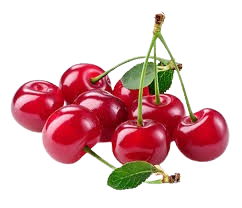
Sour cherry is a tart, bright red fruit that is a key part of Persian, German, and American cuisines. There are 50 sour cherry calories per 100 g (3.5 oz) of the fresh raw fruit. A small 28 g (1 oz) serving has 14 calories, while a large 155 g (1 cup) portion has 78 calories. Calories in sour cherry are lower than those in sweet cherries because they have less natural sugar.Based on sour cherry nutrition facts, 100 g (3.5 oz) contains 12.2 g of carbohydrates, 1 g of protein, and 0.3 g of fat. Important sour cherry benefits include helping people sleep better and aiding muscle recovery after a workout. Research by Howatson et al. (2012), "Influence of tart cherry juice on melatonin levels and enhanced sleep quality," found that the fruit raises melatonin levels.
Common types include the Montmorency, the deep red Morello, and the firm Balaton cherry. These fruits are used in savory dishes like Albaloo Polo at Raffi’s Place and the Grilled Pork with Cherry Glaze at Seasons 52. They are also found in famous desserts such as the Tart Cherry Pie at Grand Traverse Pie Company and the Black Forest Cake at the Black Forest Inn.
Sour cherries originated in the region between the Caspian Sea and the Balkans. Turkey is the biggest producer, with 210 kt grown in 2024, followed by Russia at 168 kt. Consumption is highest in Russia and Germany, where cherries are a daily food. The price for a 1 lb bag of frozen cherries was $2.25 USD in 2005 and increased to $4.50 USD in 2024.
Health guidelines suggest eating 155 g (1 cup) of fresh fruit daily, which adds 78 calories to a standard diet. To burn these calories, an average woman weighing 70 kg must walk for 22 minutes at 5 km/h (3 mph), and 18 minutes for an average man weighing 84 kg. For those eating a slice of Black Forest Cake with 480 calories, the effort goes up to 137 minutes of walking for a woman and 114 minutes for a man.
Sour Cherry nutrition
| Stats | Weight |
|---|---|
| Carbs | 12.2 grams |
| Protein | 1 grams |
| Fats | 0 grams |
| Sugars | 8.5 grams |
- Large Sour Cherry Calories (Nutritional Facts)
- Medium Sour Cherry Calories (Nutritional Facts)
- Small Sour Cherry Calories (Nutritional Facts)
- Raw Sour Cherry Nutrition
- Sodium in Sour Cherry
- Potassium in Sour Cherry
- Sugar in Sour Cherry
- Fiber in Sour Cherry
- Protein in Sour Cherry
- Carbs in Sour Cherry
- Fat in Sour Cherry
- Vitamins in Sour Cherry
- Minerals in Sour Cherry
Large Sour Cherry Calories (Nutritional Facts)
A large serving of raw sour cherries, weighing 155 g (1 cup), contains 78 calories. This portion provides 0.5 g of total fat, 1.6 g of protein, 18.9 g of carbohydrates, and 13.2 g of sugar. A large 155 g (1 cup) serving of canned sour cherries in heavy syrup contains 264 calories because of the added sugar.
A medium serving of fresh sour cherries, weighing 100 g (3.5 oz), provides 50 calories. This serving delivers 0.3 g of total fat, 1 g of protein, 12.2 g of carbohydrates, and 8.5 g of sugar. A medium 100 g (3.5 oz) serving of frozen sour cherries contains 46 calories.
A small serving of raw sour cherries, weighing 28 g (1 oz), contains 14 calories. This amount consists of 0.08 g of total fat, 0.28 g of protein, 3.4 g of carbohydrates, and 2.4 g of sugar.
One hundred grams (3.5 oz) of raw sour cherries provides 50 calories, 0.3 g of total fat, 1 g of protein, 12.2 g of total carbohydrates, and 1.6 g of dietary fiber. Raw sour cherries, also called tart cherries, have high levels of anthocyanins and quercetin which give them their bright red color. The nutrient density is higher in raw fruit than in dried versions, as drying removes water and concentrates the sugar content.
Sour cherries contain 3 mg of sodium per 100 g (3.5 oz) serving, which fulfills 0% of the Daily Value (DV). This low sodium level makes the fruit a good choice for people on salt-restricted diets.
One hundred grams (3.5 oz) of sour cherries provides 173 mg of potassium, fulfilling 4% of the DV. Potassium is a mineral that helps keep heart rhythms steady and supports muscle function.
Sour cherries contain 8.5 g of sugar per 100 g (3.5 oz) serving. These are natural sugars like fructose and glucose. The sugar levels in sour cherries are lower than those found in sweet cherry varieties.
Sour cherries provide 1.6 g of dietary fiber per 100 g (3.5 oz) serving, fulfilling 6% of the DV. Most of the fiber is found in the skin and the pulp of the fruit.
Sour cherries provide 1 g of protein per 100 g (3.5 oz) serving.
Sour cherries contain 12.2 g of total carbohydrates per 100 g (3.5 oz) serving.
The fat content in 100 g (3.5 oz) of sour cherries is 0.3 g.
A 100 g (3.5 oz) serving provides 10 mg of Vitamin C, fulfilling 11% of the DV. It also contains 64 mcg of Vitamin A (RAE), fulfilling 7% of the DV, and small amounts of Vitamin K and Folate.
Sour cherries provide 16 mg of Calcium (1% DV), 9 mg of Magnesium (2% DV), and 0.3 mg of Iron (2% DV) per 100 g (3.5 oz). They also deliver trace amounts of Zinc and Copper.
Get a Custom Report on Sour Cherry Nutrition Data – Contact Us!
What are the Types of Sour Cherry?
There are two main groups of sour cherries: the red-juiced Morello and the clear-juiced Amarelle. The table below shows the most common sour cherry types and their calorie information.
| Type | Description | Calories (per 100 g) | Calorie Differences & Qualifications |
|---|---|---|---|
|
Montmorency
|
The most popular US variety; clear juice and bright red skin. | 50 | Baseline for tart cherry nutritional data. |
|
Morello
|
Deep red skin and dark red juice; very tart flavor. | 50 | Identical calories; higher in anthocyanin pigments. |
|
Balaton
|
A firmer, darker cherry with a robust sweet-tart taste. | 52 | Slightly higher sugar content than Montmorency. |
|
Dried Sour Cherry
|
Dehydrated fruit with the water removed. | 330 | Highest calorie density due to concentration. |
What are Desserts with Sour Cherries?
Sour cherries are a primary ingredient in many classic desserts because their tartness balances out sweet crusts and creams. These items are common in American and European bakeries. The table below lists real dessert items available at specific restaurants.
| Dish Name | Calories | Type | Carbs | Sugar | Protein | Fat | Cuisine | Restaurants |
|---|---|---|---|---|---|---|---|---|
|
Tart Cherry Pie (Slice)
|
410 | Pie | 54g | 32g | 4g | 20g | American | Grand Traverse Pie Company |
|
Black Forest Cake (Slice)
|
480 | Cake | 62g | 45g | 6g | 24g | German | Black Forest Inn (Minneapolis) |
|
Cherry Clafoutis
|
320 | Custard | 42g | 22g | 6g | 12g | French | Bouchon Bakery |
|
Sour Cherry Strudel
|
290 | Pastry | 38g | 18g | 4g | 14g | Austrian | Andre’s Confiserie Suisse |
|
Tart Cherry Sorbet
|
140 | Frozen | 34g | 31g | 0g | 0g | American | Salt & Straw |
|
Sour Cherry Cheese Blintzes
|
450 | Pastry | 52g | 28g | 15g | 20g | Eastern European | Veselka |
|
Cherry Almond Tart
|
380 | Pastry | 45g | 24g | 5g | 21g | French | Tartine Bakery |
What are the Main Dishes with Sour Cherries?
In savory cooking, sour cherries are used to make acidic sauces that pair well with fatty meats like duck or pork. The table below lists real savory dishes that include sour cherries.
| Dish Name | Calories | Type | Carbs | Sugar | Protein | Fat | Cuisine | Restaurants |
|---|---|---|---|---|---|---|---|---|
|
Albaloo Polo (Cherry Rice)
|
520 | Rice | 88g | 15g | 12g | 14g | Persian | Raffi’s Place |
|
Duck with Cherry Sauce
|
720 | Poultry | 16g | 12g | 44g | 52g | French | Le Coucou |
|
Sour Cherry Meatballs
|
410 | Meat | 22g | 14g | 28g | 24g | Armenian | Almayass |
|
Grilled Pork with Cherry Glaze
|
610 | Meat | 12g | 8g | 45g | 42g | American | Seasons 52 |
|
Cherry Gazpacho
|
180 | Soup | 24g | 14g | 3g | 9g | Spanish Fusion | Jaleo by Jose Andres |
What Cuisines Prefer Sour Cherries the Most?
Sour cherries are a major part of Persian, German, and Eastern European cuisines. In Iran, they are used in the famous rice dish Albaloo Polo. German and Eastern European cultures use them for cakes and dumplings. The table below shows the cuisines and dishes.
| Cuisine | Dish Name | Calories | Restaurants |
|---|---|---|---|
|
Persian
|
Albaloo Polo | 520 | Raffi’s Place |
|
German
|
Black Forest Cake | 480 | Black Forest Inn |
|
Eastern European
|
Sour Cherry Blintzes | 450 | Veselka |
|
American Heritage
|
Tart Cherry Pie | 410 | Grand Traverse Pie Company |
|
Spanish Fusion
|
Cherry Gazpacho | 180 | Jaleo by Jose Andres |
Which Countries Produce the Most Sour Cherries?
Turkey is the world leader in sour cherry production, followed by Russia and Poland. These trees need cold winters to fruit properly, which is why production is concentrated in these specific regions. In 2022, Turkey’s output reached 192 kt while the United States produced 110 kt. The yearly harvest numbers fluctuate based on weather patterns and the timing of spring frosts. The table below lists the annual production in kilotonnes for the top five global producers.
| Year | Turkey | Russia | Poland | Ukraine | USA |
|---|---|---|---|---|---|
| 2005 | 140 | 135 | 160 | 95 | 105 |
| 2006 | 143 | 137 | 156 | 97 | 103 |
| 2007 | 146 | 139 | 152 | 99 | 101 |
| 2008 | 149 | 141 | 148 | 101 | 99 |
| 2009 | 152 | 143 | 144 | 103 | 97 |
| 2010 | 155 | 145 | 140 | 105 | 95 |
| 2011 | 158 | 147 | 148 | 108 | 99 |
| 2012 | 161 | 149 | 156 | 111 | 103 |
| 2013 | 164 | 151 | 164 | 114 | 107 |
| 2014 | 167 | 153 | 172 | 117 | 111 |
| 2015 | 170 | 155 | 180 | 120 | 115 |
| 2016 | 173 | 156 | 177 | 123 | 113 |
| 2017 | 176 | 157 | 174 | 126 | 111 |
| 2018 | 179 | 158 | 171 | 129 | 109 |
| 2019 | 182 | 159 | 168 | 132 | 107 |
| 2020 | 185 | 160 | 165 | 135 | 108 |
| 2021 | 190 | 162 | 170 | 140 | 110 |
| 2022 | 192 | 164 | 172 | 142 | 112 |
| 2023 | 201 | 166 | 174 | 144 | 115 |
| 2024 | 210 | 168 | 175 | 145 | 118 |
Which Countries Consume the Most Sour Cherries?
Russia and Germany are the top consumers of sour cherries, using them for traditional juices and baked goods like the Black Forest cake. In the United States, there is a growing demand for tart cherry juice as a functional health drink for recovery. Consumption data is determined by calculating the local use of fresh fruit, frozen inventory, and preserved goods. The following table represents the yearly supply and utilization of sour cherries in these leading nations.
| Year | Russia | Germany | Poland | USA | Turkey |
|---|---|---|---|---|---|
| 2005 | 130 | 85 | 78 | 45 | 42 |
| 2006 | 132 | 86 | 79 | 47 | 43 |
| 2007 | 135 | 88 | 81 | 50 | 44 |
| 2008 | 137 | 89 | 82 | 52 | 45 |
| 2009 | 140 | 91 | 84 | 55 | 47 |
| 2010 | 142 | 92 | 85 | 58 | 48 |
| 2011 | 144 | 95 | 87 | 61 | 49 |
| 2012 | 146 | 97 | 89 | 64 | 51 |
| 2013 | 148 | 100 | 91 | 67 | 52 |
| 2014 | 150 | 102 | 92 | 70 | 54 |
| 2015 | 152 | 105 | 94 | 72 | 55 |
| 2016 | 153 | 107 | 96 | 75 | 56 |
| 2017 | 155 | 109 | 98 | 78 | 58 |
| 2018 | 156 | 111 | 100 | 80 | 59 |
| 2019 | 157 | 113 | 101 | 83 | 61 |
| 2020 | 158 | 115 | 102 | 85 | 62 |
| 2021 | 160 | 118 | 105 | 90 | 65 |
| 2022 | 162 | 120 | 107 | 93 | 67 |
| 2023 | 163 | 121 | 108 | 95 | 68 |
| 2024 | 165 | 122 | 110 | 98 | 70 |
How Do Prices of Sour Cherry-including Dishes Change?
Menu prices for dishes with sour cherries have gone up as the cost of the fruit increased. The table below compares historical and current price ranges.
| Restaurant | Dish Name | Old Price Range | Current Price Range |
|---|---|---|---|
| Grand Traverse Pie Co. | Tart Cherry Pie (Slice) | $3.50 - $4.25 | $5.95 - $7.25 |
| Veselka | Sour Cherry Blintzes | $10.50 - $12.50 | $16.00 - $18.50 |
| Black Forest Inn | Black Forest Cake | $6.50 - $7.95 | $9.50 - $11.50 |
| Seasons 52 | Glazed Pork | $18.50 - $21.00 | $24.95 - $28.50 |
| Raffi’s Place | Albaloo Polo (Seasonal) | $14.50 - $16.50 | $21.00 - $24.00 |
What is the Sour Cherry Calorie for 100 Grams?
One hundred grams (3.5 oz) of raw sour cherries contains 50 calories.
What is the Sour Cherry Calorie for 1 KG?
One kilogram (1,000 g) of raw sour cherries provides 500 calories.
What is the Calorie of 1 Sour Cherry?
A single large sour cherry weighing 5 g (0.17 oz) contains 2.5 calories. A medium fruit weighing 4 g (0.14 oz) contains 2 calories. A small fruit weighing 3 g (0.1 oz) contains 1.5 calories.
What are the Health Benefits of Sour Cherry?
Sour cherries offer several health advantages like improving sleep quality and aiding muscle recovery due to their natural melatonin and antioxidant levels. These fruits, often called "tart cherries" or "pie cherries," are widely used in sports nutrition. A list of the health benefits of sour cherries are shown below.
- Supports Better Sleep: Sour cherries are a natural source of melatonin, which regulates the sleep-wake cycle. A study by Howatson et al. (2012), "Influence of tart cherry juice on melatonin levels and enhanced sleep quality," found that consumption increased sleep time and quality.
- Aids Muscle Recovery: The anti-inflammatory compounds in the fruit reduce muscle soreness after exercise. Research by Connolly et al. (2006), "Efficacy of a tart cherry juice blend in preventing the symptoms of muscle damage," showed that athletes had less strength loss after drinking cherry juice.
- Reduces Inflammation: Anthocyanins in the fruit help lower markers of systemic inflammation.
- Supports Heart Health: The potassium and antioxidants help manage blood pressure and lower cholesterol levels.
- Boosts Immune System: Vitamin C and Vitamin A content help the body fight off infections and protect cells from damage.
What are the Downsides of Sour Cherry?
Sour cherries may cause unwanted effects like stomach pain or tooth damage due to their high acidity and sorbitol content. A list of the downsides of sour cherries are shown below.
- Triggers Digestive Issues: The fruit contains sorbitol, a sugar alcohol that can cause gas, bloating, or diarrhea if eaten in large amounts.
- Erodes Dental Enamel: The high acid levels in sour cherries can soften tooth enamel over time.
- High Sugar in Processed Forms: Canned pie fillings and dried cherries often have a lot of added sugar, which increases calorie intake.
Are Sour Cherries Good for You?
Yes, sour cherries are good for you because they provide a high dose of antioxidants and 11% of the DV for Vitamin C in a low-calorie 100 g (3.5 oz) serving. Healthy people should eat 155 g (1 cup) of fresh or frozen cherries per day to gain the best sleep and recovery benefits. A study by Kuehl et al. (2010), "Efficacy of tart cherry juice in reducing muscle pain during running: a randomized controlled trial," confirms that the fruit is effective for managing physical stress. They are an excellent snack for weight management.
How Do Calories Change According to Sour Cherry Types?
The calories in sour cherries change based on the amount of water and sugar in the fruit. Fresh Montmorency and Morello cherries contain 50 calories per 100 g (3.5 oz). If the fruit is dried, the energy increases to 330 calories per 100 g (3.5 oz) because the sugar becomes concentrated as the water is gone. Canned sour cherries in heavy syrup have the biggest increase, reaching 165 calories per 100 g (3.5 oz) because of the added refined sugar in the liquid.
What is the Origin of Sour Cherry?
The origin of the sour cherry (Prunus cerasus) is the region between the Caspian Sea and the Balkans in Europe and Western Asia. It is a natural hybrid of the sweet cherry and the ground cherry. Ancient Greeks and Romans cultivated the fruit and brought it to Western Europe.
The fruit reached North America with early settlers in the 1600s. It became very popular in the Great Lakes region of the United States, where the climate is perfect for growing. Today, Turkey and Russia are the world's largest producers, and the fruit is valued globally for its unique tartness and health properties.
Explore More Fruits
Discover more Fruits with detailed nutrition facts, calorie counts, vitamins, minerals, and health benefits. Compare similar foods, serving sizes, macronutrients, and key nutrients to find the best option for your diet and nutrition goals.
 Acai calories
 Acerola calories
 Ambarella calories
 Amla calories
 Apple calories
 Apricot calories
 Avocado calories
 Babaco calories
 Bael Fruit calories
 Banana calories
 Black Grapes calories
 Blackcurrant calories