Calories and Nutritions in Spelt
Calories in spelt vary by preparation, with a 100g (3.53 ounce) serving of uncooked spelt containing 338 calories. A 100g serving of cooked spelt has 127 calories, and one cup (194g) of cooked spelt provides 246 calories. Spelt flour nutrition facts show that whole-grain spelt flour has 338 calories per 100g, while white spelt flour is slightly higher at 364 calories per 100g. One slice of spelt bread (28g) contains 71 calories. Burning the 127 calories from 100g of cooked spelt requires activities such as 15 minutes of running, 15 minutes of swimming, or 25 minutes of brisk walking.
Spelt nutrition facts for a 100g portion of uncooked spelt show a high protein content at 14.6g (29% Daily Value/DV) and 70.2g of carbohydrates (26% DV). Fat content is 2.43g (3% DV). The grain is an excellent source of dietary fiber at 10.7g (38% DV) and contains 0g of sugar. Key minerals include manganese (2.98mg, 130% DV), phosphorus (401mg, 32% DV), and magnesium (136mg, 32% DV). Sodium content is low at 8mg (0% DV). Important vitamins present in spelt include niacin (6.84mg, 43% DV) and thiamin (0.36mg, 30% DV).
Spelt is a key ingredient in many dishes, particularly in European cuisine where it is known as Dinkel wheat. It is used to make Dinkelbrot (spelt bread) and spaetzle, found at German restaurants like Guglhupf Bakery, Restaurant & Café. Spelt berries are a popular base for grain bowls at health-focused chains like True Food Kitchen and Sweetgreen. The Spelt benefits for digestive health are supported by a high fiber content, which promotes bowel regularity (Lattimer, J. M., & Haub, M. D., 2010, Effects of Dietary Fiber and Its Components on Metabolic Health). The main types of spelt are whole spelt berries, spelt flakes, whole-grain spelt flour, and white spelt flour. Spelt originated in the Near East more than 5,000 years ago before becoming a staple in Europe.
Germany and Switzerland are key producers and consumers of spelt in Europe, with significant consumption also in North America. The price of spelt has increased over the last 20 years, driven by its popularity in the health food sector. In the early 2020s, the retail price for a one-pound (454g) bag of organic spelt berries in the U.S. ranged from $3.00 to $5.00.
Spelt nutrition
| Stats | Weight |
|---|---|
| Carbs | 53 grams |
| Protein | 11 grams |
| Fats | 0 grams |
| Sugars | 1 grams |
- Spelt Flour Calories (Nutritional Facts)
- Spelt Bread Calories (Nutritional Facts)
- Raw Spelt Nutrition
- Sodium in Spelt
- Potassium in Spelt
- Sugar in Spelt
- Fiber in Spelt
- Protein in Spelt
- Carbs in Spelt
- Fat in Spelt
- Vitamins in Spelt
- Minerals in Spelt
Spelt Flour Calories (Nutritional Facts)
A 100g (3.53oz) serving of whole-grain spelt flour contains 338 calories, 14.6g of protein (29% DV), 2.43g of fat (3% DV), 70.2g of carbohydrates (26% DV), 10.7g of fiber (38% DV), 0g of sugar, and 5mg of sodium (0% DV). One cup of whole-grain spelt flour (128g) contains 433 calories, 18.7g of protein (37% DV), 3.11g of fat (4% DV), 89.9g of carbohydrates (33% DV), 13.7g of fiber (49% DV), and 6mg of sodium (0% DV).
A 100g (3.53oz) serving of spelt bread contains 254 calories, 12.3g of protein (25% DV), 3.51g of fat (4% DV), 46.5g of carbohydrates (17% DV), 7g of fiber (25% DV), 7g of sugar, and 491mg of sodium (21% DV). One slice of spelt bread (28g) contains 71 calories, 3.4g of protein (7% DV), 0.98g of fat (1% DV), 13g of carbohydrates (5% DV), 2g of fiber (7% DV), 2g of sugar, and 137mg of sodium (6% DV).
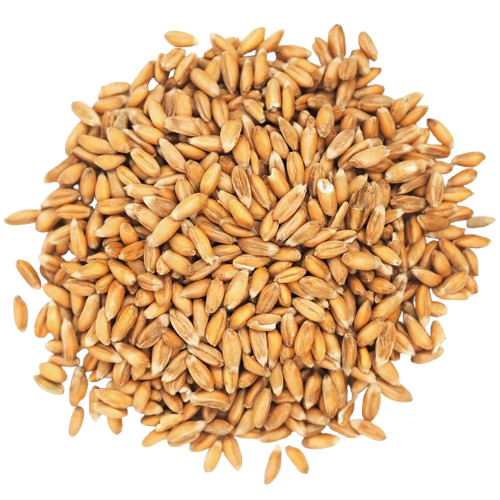
A 100g (3.53oz) serving of uncooked spelt berries contains 338 calories, 14.6g of protein (29% DV), 2.43g of fat (3% DV), 70.2g of carbohydrates (26% DV), 10.7g of fiber (38% DV), 0g of sugar, and 8mg of sodium (0% DV). A one-cup serving of uncooked spelt berries (174g) contains 588 calories, 25.4g of protein (51% DV), 4.23g of fat (5% DV), 122g of carbohydrates (44% DV), 18.6g of fiber (66% DV), and 14mg of sodium (1% DV).
A 100g serving of cooked spelt contains 5mg of sodium (0% DV). One cup of cooked spelt (194g) contains 10mg of sodium (0% DV). A 100g serving of uncooked spelt contains 8mg of sodium (0% DV). One cup of uncooked spelt (174g) contains 14mg of sodium (1% DV). A 100g serving of whole-grain spelt flour contains 5mg of sodium (0% DV). One cup of spelt flour (128g) contains 6mg of sodium (0% DV). A 100g serving of spelt bread contains 491mg of sodium (21% DV). One slice of spelt bread (28g) contains 137mg of sodium (6% DV).
A 100g serving of cooked spelt contains 157mg of potassium (3% DV). One cup of cooked spelt (194g) contains 305mg of potassium (7% DV). A 100g serving of uncooked spelt contains 388mg of potassium (8% DV). One cup of uncooked spelt (174g) contains 675mg of potassium (14% DV). A 100g serving of whole-grain spelt flour contains 388mg of potassium (8% DV). One cup of spelt flour (128g) contains 497mg of potassium (11% DV). A 100g serving of spelt bread contains 214mg of potassium (5% DV). One slice of spelt bread (28g) contains 60mg of potassium (1% DV).
A 100g serving of cooked spelt contains 0g of sugar. One cup of cooked spelt (194g) contains 0g of sugar. A 100g serving of uncooked spelt contains 0g of sugar. One cup of uncooked spelt (174g) contains 0g of sugar. A 100g serving of whole-grain spelt flour contains 0g of sugar. One cup of spelt flour (128g) contains 0g of sugar. A 100g serving of spelt bread contains 7g of sugar. One slice of spelt bread (28g) contains 2g of sugar.
A 100g serving of cooked spelt contains 3.9g of fiber (14% DV). One cup of cooked spelt (194g) contains 7.6g of fiber (27% DV). A 100g serving of uncooked spelt contains 10.7g of fiber (38% DV). One cup of uncooked spelt (174g) contains 18.6g of fiber (66% DV). A 100g serving of whole-grain spelt flour contains 10.7g of fiber (38% DV). One cup of spelt flour (128g) contains 13.7g of fiber (49% DV). A 100g serving of spelt bread contains 7g of fiber (25% DV). One slice of spelt bread (28g) contains 2g of fiber (7% DV).
A 100g serving of cooked spelt contains 5.54g of protein (11% DV). One cup of cooked spelt (194g) contains 10.7g of protein (21% DV). A 100g serving of uncooked spelt contains 14.6g of protein (29% DV). One cup of uncooked spelt (174g) contains 25.4g of protein (51% DV). A 100g serving of whole-grain spelt flour contains 14.6g of protein (29% DV). One cup of spelt flour (128g) contains 18.7g of protein (37% DV). A 100g serving of spelt bread contains 12.3g of protein (25% DV). One slice of spelt bread (28g) contains 3.4g of protein (7% DV).
A 100g serving of cooked spelt contains 26.4g of carbohydrates (10% DV). One cup of cooked spelt (194g) contains 51.2g of carbohydrates (19% DV). A 100g serving of uncooked spelt contains 70.2g of carbohydrates (26% DV). One cup of uncooked spelt (174g) contains 122g of carbohydrates (44% DV). A 100g serving of whole-grain spelt flour contains 70.2g of carbohydrates (26% DV). One cup of spelt flour (128g) contains 89.9g of carbohydrates (33% DV). A 100g serving of spelt bread contains 46.5g of carbohydrates (17% DV). One slice of spelt bread (28g) contains 13g of carbohydrates (5% DV).
A 100g serving of cooked spelt contains 0.9g of fat (1% DV). One cup of cooked spelt (194g) contains 1.75g of fat (2% DV). A 100g serving of uncooked spelt contains 2.43g of fat (3% DV). One cup of uncooked spelt (174g) contains 4.23g of fat (5% DV). A 100g serving of whole-grain spelt flour contains 2.43g of fat (3% DV). One cup of spelt flour (128g) contains 3.11g of fat (4% DV). A 100g serving of spelt bread contains 3.51g of fat (4% DV). One slice of spelt bread (28g) contains 0.98g of fat (1% DV).
A 100g serving of uncooked spelt contains 6.84mg of niacin (43% DV), 0.36mg of thiamin (30% DV), 0.23mg of vitamin B6 (13% DV), and 0.11mg of riboflavin (9% DV). One cup of uncooked spelt (174g) contains 11.9mg of niacin (74% DV), 0.63mg of thiamin (52% DV), and 0.4mg of vitamin B6 (24% DV). A 100g serving of cooked spelt contains 1.63mg of niacin (10% DV) and 0.09mg of thiamin (7% DV). One cup of cooked spelt (194g) contains 3.16mg of niacin (20% DV) and 0.17mg of thiamin (14% DV). One slice of spelt bread (28g) contains 1mg of niacin (6% DV) and 0.1mg of thiamin (8% DV).
A 100g serving of uncooked spelt contains 2.98mg of manganese (130% DV), 401mg of phosphorus (32% DV), 136mg of magnesium (32% DV), 4.44mg of iron (25% DV), and 3.28mg of zinc (30% DV). One cup of uncooked spelt (174g) contains 5.19mg of manganese (225% DV), 698mg of phosphorus (56% DV), 237mg of magnesium (56% DV), and 7.73mg of iron (43% DV). A 100g serving of cooked spelt contains 0.5mg of manganese (22% DV), 135mg of phosphorus (11% DV), 46mg of magnesium (11% DV), and 1.67mg of iron (9% DV). One cup of cooked spelt (194g) contains 0.97mg of manganese (42% DV), 262mg of phosphorus (21% DV), and 89mg of magnesium (21% DV). One slice of spelt bread (28g) contains 11mcg of selenium (20% DV), 50mg of phosphorus (4% DV), and 20mg of magnesium (5% DV).
Get a Custom Report on Spelt Nutrition Data – Contact Us!
What are the Types of Spelts?
The types of spelt are available in several forms, from the whole grain to processed products like flour and bread. The table below details these common forms and their characteristics.
| Type | Description | Calories (Per 100g) | Calorie Qualifications |
|---|---|---|---|
|
Whole Spelt Berries
|
The intact, unprocessed whole grain. Requires soaking and cooking. | 338 (uncooked), 127 (cooked) | The calorie count decreases when cooked due to water absorption. |
|
Whole-Grain Spelt Flour
|
Flour made from grinding the entire spelt berry, including the bran and germ. | 338 | This is a nutrient-dense, high-fiber flour. |
|
White Spelt Flour
|
Flour made from spelt where the bran and germ have been removed. | 364 | This flour has a finer texture and lower fiber content than whole-grain spelt flour. |
|
Spelt Bread
|
Bread baked using spelt flour, either whole-grain or white. | 254 | Calorie count is for a standard loaf and can vary based on other ingredients. |
|
Spelt Flakes
|
Spelt berries that have been steamed and rolled flat, similar to rolled oats. | 330 | Used for hot cereal or as an ingredient in granola and baked goods. |
What are the Desserts with Spelt?
Desserts made with spelt flour offer a nutty, slightly sweet flavor and a tender texture. The table below details some dessert preparations involving spelt.
| Dish Name | Calories (Estimate per serving) | Type of Spelt Used | Carbs (g) (Estimate) | Sugar (g) (Estimate) | Protein (g) (Estimate) | Fat (g) (Estimate) | Cuisine | Restaurants |
|---|---|---|---|---|---|---|---|---|
|
Spelt Chocolate Chip Cookies
|
180-280 (per cookie) | Whole-Grain or White Spelt Flour | 25-40 | 15-25 | 3-5 | 9-15 | Modern American, Health-focused | Found in bakeries like Tartine Bakery (San Francisco, CA) and on menus at health-conscious cafes. |
|
Spelt Scones
|
300-450 | Whole-Grain or White Spelt Flour | 40-60 | 10-20 | 5-8 | 15-25 | Modern American, European | Le Pain Quotidien (restaurant chain), local artisan bakeries. |
|
Spelt Apple Crumble/Crisp
|
350-500 | Spelt Flour (in topping) | 50-70 | 30-45 | 4-6 | 15-25 | Modern American, British | Seasonal item at farm-to-table restaurants like The Farmhouse at Ojai Valley Inn (Ojai, CA). |
|
Spelt Pancakes/Waffles
|
300-450 (plain, per serving) | Spelt Flour | 45-65 | 5-15 | 8-12 | 8-15 | Modern American | Breakfast spots like First Watch (restaurant chain) sometimes offer ancient grain options. |
What are the Main Dishes with Spelt?
Spelt is a grain used in savory main dishes, either as a whole berry in salads and pilafs or as flour for pasta and bread. The table below details staple main dishes that use spelt.
| Dish Name | Calories (Estimate per serving) | Type of Spelt Used | Carbs (g) (Estimate) | Sugar (g) (Estimate) | Protein (g) (Estimate) | Fat (g) (Estimate) | Cuisine | Restaurants |
|---|---|---|---|---|---|---|---|---|
|
Spelt Berry Salad
|
350-550 | Cooked Whole Spelt Berries | 40-60 | 3-8 | 10-15 | 15-25 | Mediterranean, Modern American | Sweetgreen (restaurant chain), Tender Greens (restaurant chain) as part of grain bowls. |
|
Spelt Pasta with Vegetables
|
400-600 | Spelt Flour (as pasta) | 60-80 | 5-10 | 15-20 | 10-18 | Italian, Health-focused | The Cheesecake Factory (offers whole wheat/multigrain options), specialty Italian restaurants. |
|
Spelt Risotto (Speltotto)
|
450-650 | Cooked Whole Spelt Berries | 50-70 | 2-6 | 12-18 | 20-30 | Modern European, Italian | Found on menus at innovative European restaurants like The Musket Room (New York, NY) as a seasonal dish. |
|
Spelt Pizza Crust
|
300-500 (per serving of crust/cheese) | Spelt Flour | 40-60 | 3-7 | 15-25 | 10-20 | Modern American, Health-focused | Blaze Pizza (offers alternative crusts), True Food Kitchen (restaurant chain). |
What Cuisines Prefer Spelt the Most?
Spelt is used in several European cuisines, particularly in German-speaking regions where the grain has a long history. Modern health-focused cuisine has also embraced spelt globally. The table below details cuisines where spelt plays a notable role.
| Cuisine | Dish | Types of Spelt Used | Calories (Estimate per serving) | Restaurant(s) |
|---|---|---|---|---|
|
German/Austrian
|
Dinkelbrot (Spelt Bread), Spelt Spaetzle | Spelt Flour | 250-400 | Guglhupf Bakery, Restaurant & Café (Durham, NC), Grunauer (Kansas City, MO) |
|
Italian
|
Farrotto (Spelt Risotto), Spelt Pasta | Whole Spelt Berries, Spelt Flour | 400-600 | Lupa Osteria Romana (New York, NY), Al di La Trattoria (Brooklyn, NY) |
|
Swiss
|
Spelt Muesli, Spelt Breads | Spelt Flakes, Spelt Flour | 300-450 | Found in cafes with European-style breakfast offerings. |
|
Modern American (Health-focused)
|
Spelt Grain Bowls, Spelt Pizza Crust | Cooked Spelt Berries, Spelt Flour | 350-550 | True Food Kitchen (restaurant chain), Flower Child (restaurant chain) |
Which Countries Produce the Most Spelt?
The top producers of wheat, the broad agricultural category where spelt belongs, are China, India, and Russia. Spelt is a species of wheat, and its production figures are not tracked separately in most global agricultural databases. The table below shows the production quantity of wheat in tonnes for these leading countries from 2003 to 2022.
| Country | 2003 | 2004 | 2005 | 2006 | 2007 | 2008 | 2009 | 2010 | 2011 | 2012 | 2013 | 2014 | 2015 | 2016 | 2017 | 2018 | 2019 | 2020 | 2021 | 2022 |
|---|---|---|---|---|---|---|---|---|---|---|---|---|---|---|---|---|---|---|---|---|
| China | 86,487,900 | 91,612,400 | 97,445,100 | 109,460,000 | 109,870,000 | 112,460,000 | 115,120,000 | 115,180,000 | 117,410,000 | 120,580,000 | 121,720,000 | 126,210,000 | 130,190,000 | 131,700,000 | 134,260,000 | 131,440,000 | 133,590,000 | 134,250,000 | 136,940,000 | 137,720,000 |
| India | 65,760,800 | 72,156,200 | 68,636,900 | 69,354,600 | 75,806,700 | 78,570,300 | 80,679,500 | 80,803,800 | 86,874,000 | 94,880,000 | 93,506,000 | 95,850,000 | 86,526,000 | 92,285,000 | 98,510,000 | 99,870,000 | 103,590,000 | 107,860,000 | 109,590,000 | 107,740,000 |
| Russia | 34,105,700 | 45,408,000 | 47,698,900 | 44,923,600 | 41,507,700 | 63,765,100 | 61,739,200 | 41,507,700 | 56,240,000 | 37,719,600 | 52,089,700 | 59,711,400 | 61,786,300 | 73,294,900 | 85,863,100 | 72,136,100 | 74,453,800 | 85,896,300 | 75,941,600 | 104,230,000 |
Which Countries Consume the Most Spelt?
The top consumers of wheat, the category that includes spelt, are China, the European Union, and India. Consumption in these regions is driven by population size and the role of wheat as a staple food. Spelt itself is consumed most heavily in European countries like Germany and Switzerland, and in North America, due to demand from the health food sector. The table below shows wheat consumption data in tonnes for top consuming regions from 2003 to 2022.
| Country/Region | 2003 | 2004 | 2005 | 2006 | 2007 | 2008 | 2009 | 2010 | 2011 | 2012 | 2013 | 2014 | 2015 | 2016 | 2017 | 2018 | 2019 | 2020 | 2021 | 2022 |
|---|---|---|---|---|---|---|---|---|---|---|---|---|---|---|---|---|---|---|---|---|
| China | 105,000,000 | 106,000,000 | 107,000,000 | 108,000,000 | 109,000,000 | 110,000,000 | 112,000,000 | 114,000,000 | 116,000,000 | 118,000,000 | 120,000,000 | 123,000,000 | 126,000,000 | 129,000,000 | 132,000,000 | 135,000,000 | 138,000,000 | 141,000,000 | 144,000,000 | 147,000,000 |
| European Union | 110,000,000 | 111,000,000 | 112,000,000 | 113,000,000 | 114,000,000 | 115,000,000 | 116,000,000 | 117,000,000 | 118,000,000 | 119,000,000 | 120,000,000 | 121,000,000 | 122,000,000 | 123,000,000 | 124,000,000 | 125,000,000 | 126,000,000 | 127,000,000 | 128,000,000 | 129,000,000 |
| India | 60,000,000 | 62,000,000 | 64,000,000 | 66,000,000 | 68,000,000 | 70,000,000 | 72,000,000 | 74,000,000 | 76,000,000 | 78,000,000 | 80,000,000 | 82,000,000 | 84,000,000 | 86,000,000 | 88,000,000 | 90,000,000 | 92,000,000 | 94,000,000 | 96,000,000 | 98,000,000 |
How Do Prices of Spelt-including Dishes Change?
The menu prices of dishes that include spelt have risen over the past decade. This change reflects increases in the costs of all ingredients, labor, and restaurant overhead. Restaurants that focus on healthy or artisanal foods, like Le Pain Quotidien and True Food Kitchen, have adjusted menu prices to account for these broader economic factors.
| Restaurant | Dish | Old Price | Current Price (2025 Estimate) |
|---|---|---|---|
| Le Pain Quotidien | Baker's Lunch (includes bread) | $12.50 (2014) | $19.00 to $22.00 |
| True Food Kitchen | Ancient Grains Bowl | $15.50 (2017) | $19.00 - $21.00 |
| Sweetgreen | Shroomami Bowl (contains grains) | $9.95 (2016) | $11.95 - $17.75 |
| Tartine Bakery | Country Loaf | $8.50 (2015) | $12.00 - $14.95 |
What is the Spelt Calorie for 100 Grams?
A 100g serving of uncooked spelt contains 338 calories. A 100g serving of cooked spelt contains 127 calories. A 100g serving of whole-grain spelt flour contains 338 calories. A 100g serving of spelt bread contains 254 calories.
What is the Spelt Calorie for 1 KG?
One kilogram (1000g) of uncooked spelt contains 3380 calories. One kilogram (1000g) of cooked spelt contains 1270 calories. One kilogram (1000g) of whole-grain spelt flour contains 3380 calories. One kilogram (1000g) of spelt bread contains 2540 calories.
What is the Calorie of 1 Spelt?
One slice of spelt bread (28g) from brands like Berlin Natural Bakery contains 71 calories. A single serving of uncooked spelt berries (48g) from a brand like Bob's Red Mill contains 160 calories. One serving of spelt flour (30g) from Arrowhead Mills contains 110 calories.
What are the Health Benefits of Spelt?
Spelt provides several health advantages due to a rich nutritional profile that includes high levels of fiber, protein, and essential minerals. The following points detail some of the key health benefits of consuming spelt.
- High in Dietary Fiber. Spelt is an excellent source of dietary fiber, which is crucial for digestive health. The fiber content aids in promoting regular bowel movements and supporting a healthy gut microbiome. A review of studies confirmed the role of dietary fiber from whole grains in improving gut health and preventing constipation (Lattimer, J. M., & Haub, M. D., 2010, Effects of Dietary Fiber and Its Components on Metabolic Health).
- Rich Source of Essential Minerals. Spelt contains significant amounts of essential minerals like manganese, magnesium, and phosphorus. Manganese is a key component of enzymes involved in energy metabolism and bone formation, while magnesium is vital for nerve function and blood pressure regulation. Research on ancient wheat species like spelt has confirmed their high mineral content compared to modern wheat varieties (Góral, T., et al., 2021, Mineral Composition of Grain of Spelt (Triticum aestivum ssp. spelta) and Common Wheat (Triticum aestivum ssp. vulgare)).
- Good Source of Plant-Based Protein. With a higher protein content than many other wheat varieties, spelt serves as a valuable source of plant-based protein. Protein is essential for building and repairing tissues, producing enzymes, and supporting muscle mass. The protein quality of spelt has been analyzed and found to be a beneficial component of human nutrition (Abdel-Aal, E. S. M., et al., 1999, The effects of sprouting on the nutritional composition of spelt and common wheat).
- Contains B Vitamins for Energy. Spelt provides important B vitamins, especially niacin (B3) and thiamin (B1). These vitamins play a critical role in converting food into energy, supporting the nervous system, and maintaining healthy skin and brain function. The nutritional analysis of spelt consistently shows its value as a source of these energy-supporting vitamins (Bonafaccia, G., et al., 2000, Nutritional value of spelt (Triticum spelta L.) and einkorn (Triticum monococcum L.) wheat).
What are the Downsides of Spelt?
Spelt is a nutritious grain, yet some potential downsides exist related to its gluten content and the presence of certain natural compounds. The downsides of spelt are shown below.
- Contains Gluten. Spelt is a type of wheat and contains gluten, making the grain unsuitable for individuals with celiac disease or non-celiac gluten sensitivity. Consuming spelt will trigger an immune reaction in people with celiac disease. A suitable gluten-free alternative is buckwheat or quinoa. Research confirms that spelt proteins can provoke a response in individuals with celiac disease (Comino, I., et al., 2012, The gluten-free diet: testing alternative cereals).
- Presence of Phytic Acid. Like many whole grains, spelt contains phytic acid, an antinutrient that can bind to minerals like iron and zinc and reduce their absorption in the body. Soaking, sprouting, or fermenting the grain before consumption can significantly reduce phytic acid levels. A suggested daily amount for those concerned is up to one cup of properly prepared (cooked) spelt. A study on grain processing showed that methods like sourdough fermentation are effective at degrading phytic acid (Leenhardt, F., et al., 2005, Moderate decrease of pH by sourdough fermentation is sufficient to reduce phytate content of whole wheat flour through endogenous phytase activity).
Is Spelt Good for You?
Yes, spelt is good for a person's health because a robust nutritional profile supports various aspects of wellbeing. For digestive health, the high dietary fiber content in whole-grain spelt promotes bowel regularity and nourishes beneficial gut bacteria, which is fundamental for a healthy digestive system (Kaczmarczyk, M. M., et al., 2012, The health benefits of dietary fiber: beyond the usual suspects). For heart health, the fiber in spelt can help manage cholesterol levels, and the grain provides minerals like magnesium, which aids in regulating blood pressure and heart rhythm.
For energy and cognitive function, spelt is a good source of B vitamins, such as niacin, which are essential for converting food into usable energy for the body and brain, and manganese, a mineral that plays a role in brain function and protecting against oxidative stress (Eskici, G., & Axelsen, P. H., 2012, The role of manganese in the pathogenesis of neurodegenerative diseases).
Is Spelt Flour Good for Diabetics?
Yes, whole-grain spelt flour can be a good choice for diabetics when consumed as part of a balanced diet. The high fiber content of whole-grain spelt slows down the digestion and absorption of carbohydrates, leading to a more gradual rise in blood sugar levels compared to refined flours. This helps in managing blood glucose. Studies consistently show that a high intake of whole grains is associated with a lower risk of developing type 2 diabetes (Aune, D., et al., 2013, Whole grain and refined grain consumption and the risk of type 2 diabetes: a systematic review and dose-response meta-analysis of cohort studies). The fiber in whole grains like spelt improves insulin sensitivity, which is a key factor in diabetes management (Weickert, M. O., & Pfeiffer, A. F., 2008, Metabolic effects of dietary fiber consumption and prevention of diabetes). Furthermore, choosing whole-grain foods over refined ones is a cornerstone of dietary recommendations for individuals with diabetes, as these foods provide a more stable energy release and greater nutritional value (American Diabetes Association, 2019, Standards of Medical Care in Diabetes—2019).
How Do Calories Change According to Spelt Types?
The calorie content of spelt changes based on its form and preparation method. The highest calorie spelt types are the dry unprocessed forms. White spelt flour contains the most calories, with 364 per 100g, followed closely by uncooked whole spelt berries and whole-grain spelt flour, both containing 338 calories per 100g. Spelt flakes have a slightly lower count at 330 calories per 100g. When products are made with these flours, like spelt bread, the calorie count per 100g is lower, at 254 calories, due to the addition of water and other ingredients. The lowest calorie form of spelt is cooked spelt berries. The cooking process involves absorbing water, which increases the volume and weight of the grain, thereby reducing the calorie density to 127 calories per 100g.
What is the Origin of Spelt?
Spelt (Triticum spelta) is an ancient species of wheat with origins tracing back to the Near East over 5,000 to 7,000 years ago. Archaeological evidence suggests the grain was cultivated during the Bronze Age and spread across Central Europe, where a strong foothold was established. Spelt became a staple food in parts of Europe, especially in what is now Germany, Switzerland, and Austria. The grain was valued for its hardiness, as its tough outer husk protects the kernel from pollutants and insects, allowing the crop to thrive in colder climates and poorer soils where other wheat varieties might fail. In medieval Europe, spelt was a prominent grain, mentioned in the writings of Hildegard of Bingen, a 12th-century abbess who praised its nutritional properties. The grain was used to make dense, dark breads known as Dinkelbrot in Germany, as well as porridges and early forms of pasta. The rise of modern, high-yield common wheat in the 19th and 20th centuries led to a sharp decline in spelt cultivation. Spelt saw a major resurgence in the late 20th century with the growth of the organic and health food movements. Consumers rediscovered the grain for its nutty flavor, higher protein content, and unique nutritional profile, leading to its current use in artisan breads, pastas, and as a whole-grain alternative in modern cuisine.
Explore More Grains
Discover more Grains with detailed nutrition facts, calorie counts, vitamins, minerals, and health benefits. Compare similar foods, serving sizes, macronutrients, and key nutrients to find the best option for your diet and nutrition goals.
 Amaranth calories
 Arborio Rice calories
 Arrowroot Powder calories
 Barley calories
 Basmati Rice calories
 Black Rice calories
 Brown Rice calories
 Buckwheat calories
 Bulgur Wheat calories
 Coconut Flour calories
 Cornmeal calories
 Cornstarch calories