Calories and Nutritions in Tapioca Starch
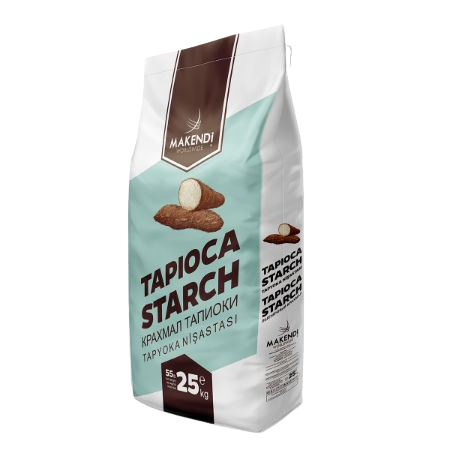
Tapioca starch is a fine white powder extracted from the cassava root, known for its thickening properties and use in gluten-free cooking. A review of the tapioca starch nutrition facts reveals that it is almost entirely composed of carbohydrate, thus the tapioca starch calories are concentrated. A 100-gram (3.53-ounce) serving of raw tapioca starch contains 358 calories, a one-cup serving (120 grams) provides 429 calories, and a quarter-cup serving (30 grams) has 107 calories. A quarter-cup serving of Bob's Red Mill Tapioca Flour contains 110 calories, while a serving of Anthony's Organic Tapioca Flour Starch also has 110 calories. Tapioca syrup contains 286 calories per 100 grams, 240 calories per quarter-cup serving (84 grams), and 60 calories per one-tablespoon serving (21 grams).
The high number of calories in tapioca starch comes from a dense carbohydrate content. A 100-gram portion of raw tapioca starch contains 88.7 grams of total carbohydrates (32% DV), with negligible amounts of protein at 0.2 grams and 0 grams of fat. The refining process removes most micronutrients, resulting in a product with minimal vitamin content. The mineral profile for a 100-gram serving is also limited, providing 1.6 milligrams of iron (9% DV) and 20 milligrams of calcium (2% DV).
Tapioca starch is naturally gluten-free, making it a safe alternative for individuals with celiac disease. A review by Catassi, C., et al. (2007), "The New Epidemiology of Celiac Disease," established the critical role of a strict gluten-free diet, for which ingredients like tapioca starch are essential.
Culinary uses for tapioca starch are widespread, from acting as a thickener in soups and sauces to providing the chewy texture in Brazilian cheese bread and the pearls in Taiwanese bubble tea. The starch is derived from the cassava plant, a root vegetable native to South America and now cultivated globally in tropical regions. Thailand is a leading exporter of tapioca starch, supplying a global market that uses the ingredient in food manufacturing and home cooking. The starch's neutral flavor and powerful gelling capabilities make the product a versatile component in many international cuisines, especially in Southeast Asian and South American dishes.
Tapioca Starch nutrition
| Stats | Weight |
|---|---|
| Carbs | 7 grams |
| Protein | 0 grams |
| Fats | 0 grams |
| Sugars | 0 grams |
- Tapioca Syrup Calories (Nutritional Facts)
- Gluten in Tapioca Starch
- Raw Tapioca Starch Nutrition
- Sodium in Tapioca Starch
- Potassium in Tapioca Starch
- Sugar in Tapioca Starch
- Fiber in Tapioca Starch
- Protein in Tapioca Starch
- Carbs in Tapioca Starch
- Fat in Tapioca Starch
- Vitamins in Tapioca Starch
- Minerals in Tapioca Starch
Tapioca Syrup Calories (Nutritional Facts)
A 100-gram (3.53-ounce) serving of tapioca syrup contains 286 calories, 0 grams of protein, 0 grams of fat, and 76 grams of carbohydrates, including 33 grams of sugar. A quarter-cup serving of tapioca syrup (84 grams) provides 240 calories and 64 grams of carbohydrates. A single one-tablespoon serving (21 grams) has 60 calories and 16 grams of carbohydrates.
Tapioca starch contains 0 grams of gluten. The product is derived from the cassava root, not from wheat, barley, or rye, making all forms of tapioca starch naturally gluten-free. A serving of any size, from one tablespoon to one cup, contains no gluten.
A 100-gram (3.53-ounce) serving of raw tapioca starch contains 358 calories, 0.2 grams of protein, 0 grams of fat, and 88.7 grams of carbohydrates, including 0.9 grams of fiber. A one-cup serving of raw tapioca starch (120 grams) provides 429 calories and 106 grams of carbohydrates. A quarter-cup serving (30 grams) contains 107 calories and 26.6 grams of carbohydrates.
Raw tapioca starch contains 1 milligram of sodium per 100-gram serving, while a one-cup serving (120 grams) has 1.2 milligrams and a quarter-cup serving (30 grams) has 0.3 milligrams. Tapioca syrup contains 12 milligrams of sodium per 100-gram serving, a quarter-cup serving (84 grams) has 10 milligrams, and a one-tablespoon serving (21 grams) has 2.5 milligrams.
Raw tapioca starch contains 11 milligrams of potassium in a 100-gram serving, a one-cup serving (120 grams) has 13 milligrams, and a quarter-cup serving (30 grams) has 3 milligrams. Tapioca syrup contains negligible amounts of potassium.
Raw tapioca starch contains 0 grams of sugar in all serving sizes, including a 100-gram, one-cup, and quarter-cup portion. A 100-gram serving of tapioca syrup contains 33 grams of sugar, a quarter-cup serving (84 grams) contains 28 grams, and a one-tablespoon serving (21 grams) has 7 grams.
A 100-gram serving of raw tapioca starch contains 0.9 grams of dietary fiber, a one-cup serving (120 grams) has 1.1 grams, and a quarter-cup serving (30 grams) has 0.3 grams. Tapioca syrup contains 0 grams of dietary fiber in all serving sizes.
Raw tapioca starch provides 0.2 grams of protein per 100-gram serving, a one-cup serving (120 grams) has 0.24 grams, and a quarter-cup serving (30 grams) has 0.06 grams. Tapioca syrup contains 0 grams of protein.
A 100-gram serving of raw tapioca starch contains 88.7 grams of total carbohydrates (32% DV), a one-cup serving (120 grams) has 106 grams (39% DV), and a quarter-cup serving (30 grams) has 26.6 grams (10% DV). A 100-gram serving of tapioca syrup contains 76 grams of total carbohydrates (28% DV), a quarter-cup serving (84 grams) has 64 grams (23% DV), and a one-tablespoon serving (21 grams) has 16 grams (6% DV).
Raw tapioca starch contains 0 grams of total fat per 100-gram serving, and all other serving sizes also contain 0 grams of fat. Tapioca syrup also contains 0 grams of total fat.
Raw tapioca starch and tapioca syrup contain negligible amounts of vitamins, with all daily values being 0% for standard servings such as one tablespoon, a quarter-cup, and one cup.
A 100-gram serving of raw tapioca starch contains 1.6 milligrams of iron (9% DV) and 20 milligrams of calcium (2% DV). A one-cup serving (120 grams) of raw tapioca starch provides 1.9 milligrams of iron (11% DV) and 24 milligrams of calcium (2% DV). A quarter-cup serving (30 grams) contains 0.5 milligrams of iron (3% DV) and 6 milligrams of calcium (0% DV). Tapioca syrup contains negligible amounts of essential minerals.
Get a Custom Report on Tapioca Starch Nutrition Data – Contact Us!
What are the Types of Tapioca Starch?
The types of tapioca starch include Tapioca Starch or Flour, Tapioca Pearls, and Modified Tapioca Starch. These forms are distinguished by physical shape and processing methods that alter their properties for different culinary uses. Common varieties and their features are detailed in the table that follows.
| Type | Description | Calories (Approximate per 100g) | Calorie Qualifications |
|---|---|---|---|
|
Tapioca Starch/Flour
|
A fine, white powder extracted from the cassava root. The most common form, used as a thickener and in gluten-free baking. | 358 | This is the baseline calorie count for the pure, dried starch. |
|
Tapioca Pearls
|
Small, gelatinous spheres made from tapioca starch. Used in bubble tea and puddings. | 358 | The pearls are simply agglomerated starch, so the calorie content per 100 grams of dry pearls is identical to the starch. |
|
Modified Tapioca Starch
|
Tapioca starch that has been chemically or physically altered to enhance properties like stability, texture, and heat resistance. | 350-360 | The modification process can slightly alter the caloric density, but the value remains very close to that of the native starch. |
|
Tapioca Syrup
|
A liquid sweetener made from tapioca starch. | 286 | The lower calorie count is due to the water content in the syrup, making the product less energy-dense per gram than the dry starch. |
What are the Desserts with Tapioca Starch?
Tapioca starch is a fundamental ingredient in desserts across the globe, especially valued for the unique chewy texture of its pearls and its thickening power in puddings and fillings. Dessert preparations featuring tapioca starch are outlined in the following table.
| Dish Name | Calories (Estimate) | Type of Tapioca Starch | Carbs (g) (Estimate) | Sugar (g) (Estimate) | Protein (g) (Estimate) | Fat (g) (Estimate) | Cuisine | Restaurants |
|---|---|---|---|---|---|---|---|---|
|
Bubble Tea (Milk Tea)
|
350 | Tapioca Pearls | 75 | 50 | 1 | 5 | Taiwanese | Kung Fu Tea |
|
Tapioca Pudding
|
250 | Tapioca Pearls (Small) | 55 | 30 | 2 | 3 | American | Magnolia Bakery (New York, NY) |
|
Chè Chuối (Banana Coconut Soup)
|
400 | Tapioca Pearls | 70 | 45 | 4 | 12 | Vietnamese | BCD Tofu House |
|
Halo-Halo
|
500 | Tapioca Pearls | 90 | 70 | 5 | 15 | Filipino | Jollibee |
|
Brazilian Coconut Cake (Bolo de Aipim)
|
420 | Tapioca Starch | 50 | 35 | 6 | 22 | Brazilian | Fogo de Chão |
|
Gluten-Free Sugar Cookies
|
180 per cookie | Tapioca Starch | 25 | 15 | 1 | 8 | Modern American | Erin McKenna's Bakery (New York, NY) |
|
Mochi (some recipes)
|
100 per piece | Tapioca Starch | 24 | 12 | 1 | 0 | Japanese | Mochidoki (New York, NY) |
|
Mango Sago
|
300 | Tapioca Pearls (Small) | 65 | 40 | 2 | 5 | Hong Kong | Hui Lau Shan (various locations) |
|
Cassava Pone
|
380 per slice | Tapioca Starch | 60 | 40 | 3 | 14 | Caribbean | Golden Krust |
|
Gluten-Free Fruit Tart
|
450 per slice | Tapioca Starch | 55 | 30 | 4 | 25 | French/American | By the Way Bakery (New York, NY) |
|
Bilo-Bilo (Ginataang Bilo-Bilo)
|
450 | Tapioca Pearls | 80 | 50 | 8 | 12 | Filipino | Red Ribbon Bakeshop |
What are the Main Dishes with Tapioca Starch?
Tapioca starch serves as a key ingredient in savory dishes, acting as a gluten-free binder, a crispy coating for fried foods, and the essential component of chewy breads and dumplings. Savory dishes prepared with tapioca starch are detailed in the following table.
| Dish Name | Calories (Estimate) | Type of Tapioca Starch | Carbs (g) (Estimate) | Sugar (g) (Estimate) | Protein (g) (Estimate) | Fat (g) (Estimate) | Cuisine | Restaurants |
|---|---|---|---|---|---|---|---|---|
|
Pão de Queijo (Brazilian Cheese Bread)
|
100 per roll | Tapioca Starch | 12 | 1 | 3 | 4 | Brazilian | Texas de Brazil |
|
General Tso's Chicken
|
700 | Tapioca Starch (coating) | 80 | 60 | 35 | 25 | Chinese-American | P.F. Chang's |
|
Vietnamese Banh Bot Loc
|
50 per dumpling | Tapioca Starch | 10 | 1 | 2 | 1 | Vietnamese | Pho 75 (various locations) |
|
Gluten-Free Chicken Nuggets
|
450 | Tapioca Starch (coating) | 25 | 1 | 30 | 25 | Modern American | Chick-fil-A |
|
Shrimp Toast
|
150 per piece | Tapioca Starch (binder) | 10 | 2 | 8 | 8 | Chinese-American | Nom Wah Tea Parlor (New York, NY) |
|
Japanese Agedashi Tofu
|
300 | Tapioca Starch (coating) | 20 | 5 | 15 | 18 | Japanese | Nobu |
|
Gluten-Free Pizza Crust
|
250 per slice | Tapioca Starch | 40 | 3 | 8 | 6 | Italian-American | California Pizza Kitchen |
|
Thai Fish Cakes (Tod Mun Pla)
|
280 per serving | Tapioca Starch (binder) | 15 | 5 | 20 | 15 | Thai | SEA (Brooklyn, NY) |
|
Taiwanese Fish Ball Soup
|
350 | Tapioca Starch (binder) | 30 | 4 | 25 | 15 | Taiwanese | Taiwan Bear House (New York, NY) |
|
Crispy Calamari
|
500 | Tapioca Starch (coating) | 40 | 3 | 20 | 30 | Italian-American | The Palm |
What Cuisines Do Prefer Tapioca Starch Most?
Tapioca starch is indispensable in many South American, Southeast Asian, and East Asian culinary traditions. Modern gluten-free cooking in the United States also relies heavily on the ingredient. The following table identifies culinary traditions with a preference for tapioca starch.
| Cuisine | Dish | Types of Tapioca Starch Used | Calories (Estimate) | Restaurant(s) |
|---|---|---|---|---|
|
Brazilian
|
Pão de Queijo | Tapioca Starch | 100 per roll | Fogo de Chão |
|
Taiwanese
|
Bubble Tea | Tapioca Pearls | 350 | Gong Cha |
|
Vietnamese
|
Banh Bot Loc | Tapioca Starch | 50 per dumpling | BCD Tofu House |
|
Filipino
|
Halo-Halo | Tapioca Pearls | 500 | Jollibee |
|
Modern American (Gluten-Free)
|
Gluten-Free Pizza | Tapioca Starch | 250 per slice | California Pizza Kitchen |
|
Thai
|
Thai Fish Cakes | Tapioca Starch | 280 per serving | Lotus of Siam (Las Vegas, NV) |
|
Chinese-American
|
General Tso's Chicken | Tapioca Starch | 700 | Panda Express |
|
Japanese
|
Agedashi Tofu | Tapioca Starch | 300 | Roka Akor (various locations) |
|
Caribbean
|
Cassava Pone | Tapioca Starch | 380 per slice | Golden Krust |
|
Hong Kong
|
Mango Sago | Tapioca Pearls (Small) | 300 | Mango Mango Dessert |
Which Countries Produce the Most Tapioca Starch?
The top producers of cassava root, the main component of tapioca starch, are Nigeria, the Democratic Republic of Congo, and Thailand. Nigeria leads in overall volume, while Thailand is the world's largest exporter of tapioca starch. The table below shows the production quantity of cassava in tonnes for these key countries.
| Country | 2003 | 2004 | 2005 | 2006 | 2007 | 2008 | 2009 | 2010 | 2011 | 2012 | 2013 | 2014 | 2015 | 2016 | 2017 | 2018 | 2019 | 2020 | 2021 | 2022 |
|---|---|---|---|---|---|---|---|---|---|---|---|---|---|---|---|---|---|---|---|---|
| Nigeria | 35,491,300 | 38,181,000 | 41,012,000 | 42,534,500 | 44,582,000 | 45,720,000 | 45,950,000 | 47,406,800 | 52,403,100 | 54,000,000 | 51,751,200 | 54,831,500 | 54,374,000 | 57,134,500 | 59,466,200 | 60,837,400 | 60,000,000 | 62,541,300 | 63,491,100 | 65,823,600 |
| DR Congo | 15,315,500 | 15,119,000 | 14,922,500 | 14,726,000 | 14,529,500 | 15,022,000 | 28,055,800 | 29,320,000 | 30,051,000 | 30,123,000 | 30,500,000 | 31,000,000 | 30,250,000 | 29,500,000 | 28,750,000 | 29,975,000 | 31,630,000 | 32,120,000 | 32,500,000 | 33,150,000 |
| Thailand | 20,385,000 | 20,157,000 | 22,500,000 | 22,580,000 | 26,900,000 | 30,100,000 | 30,220,000 | 29,800,000 | 21,900,000 | 22,300,000 | 30,228,000 | 33,500,000 | 30,900,000 | 31,100,000 | 29,200,000 | 32,100,000 | 20,500,000 | 28,900,000 | 30,200,000 | 31,500,000 |
| Brazil | 23,240,000 | 24,200,000 | 26,700,000 | 26,600,000 | 25,500,000 | 26,000,000 | 25,800,000 | 24,400,000 | 25,000,000 | 21,500,000 | 21,400,000 | 23,200,000 | 23,000,000 | 18,000,000 | 18,900,000 | 17,600,000 | 17,500,000 | 18,200,000 | 18,800,000 | 19,100,000 |
Which Countries Consume the Most Tapioca Starch?
The top consumers of tapioca starch are China, Indonesia, and the United States. Consumption is best measured by import values, reflecting industrial and food-based demand for the refined starch. The table below shows recent import values (USD) for tapioca starch for these key countries.
| Country | 2013 | 2014 | 2015 | 2016 | 2017 | 2018 | 2019 | 2020 | 2021 | 2022 |
|---|---|---|---|---|---|---|---|---|---|---|
| China | 1,450,210 | 1,890,550 | 1,120,430 | 985,600 | 1,230,100 | 1,550,800 | 1,340,200 | 1,680,500 | 2,450,900 | 2,980,600 |
| Indonesia | 210,500 | 245,300 | 198,600 | 220,100 | 255,400 | 280,700 | 265,900 | 290,300 | 350,100 | 410,200 |
| United States | 155,800 | 162,400 | 145,900 | 150,300 | 175,600 | 190,200 | 205,400 | 220,800 | 280,500 | 340,700 |
| Japan | 140,200 | 148,700 | 130,500 | 125,800 | 135,900 | 142,100 | 138,600 | 145,200 | 160,300 | 185,400 |
| Malaysia | 110,600 | 115,900 | 98,700 | 105,200 | 120,400 | 130,800 | 128,500 | 135,100 | 155,900 | 170,300 |
How Do Prices of Tapioca Starch-Including Dishes Change?
The cost of restaurant dishes that include tapioca starch has risen over the past ten years. These price adjustments are a result of higher wholesale costs for the starch, combined with increased expenses for labor and general restaurant operations. Establishments famous for bubble tea and Brazilian food have increased menu prices in response to these economic pressures.
| Restaurant | Dish | Old Price (Year) | Current Price (2024/2025) |
|---|---|---|---|
| Kung Fu Tea | Classic Milk Tea with Bubbles | $4.25 (2017) | $5.50 - $6.99 |
| Fogo de Chão | Pão de Queijo (part of experience) | $49.95 (Full Churrasco, 2015) | $54.00 - $60.00 (Full Churrasco) |
| P.F. Chang's | Chang's Spicy Chicken | $17.50 (2016) | $18.50 - $22.50 |
What is the Tapioca Starch Calorie for 100 Grams?
A 100-gram (3.53-ounce) serving of raw tapioca starch contains 358 calories. A 100-gram serving of tapioca syrup contains 286 calories. All forms of tapioca starch are naturally gluten-free.
What is the Tapioca Starch Calorie for 1 KG?
One kilogram (1000 grams) of raw tapioca starch contains 3580 calories. One kilogram of tapioca syrup contains 2860 calories.
What is the Calorie of 1 Serving of Tapioca Starch?
A single serving of a quarter-cup of tapioca starch (30 grams) contains 110 calories. A serving of Bob's Red Mill Tapioca Flour contains 110 calories per quarter-cup. A quarter-cup serving of Anthony's Organic Tapioca Flour Starch contains 110 calories.
What are the Health Benefits of Tapioca Starch?
Tapioca starch offers specific health benefits, primarily related to its gluten-free nature and its content of resistant starch, which supports digestive health. The primary health advantages of tapioca starch are detailed in the following points.
- Tapioca starch provides a safe carbohydrate source for individuals with celiac disease or gluten sensitivity. Being naturally free from gluten, tapioca starch allows for the creation of gluten-free foods without triggering an autoimmune response in sensitive individuals. A review by Catassi, C., et al. (2007), "The New Epidemiology of Celiac Disease," established the critical role of a strict gluten-free diet in managing celiac disease and preventing its complications.
- Tapioca starch contains resistant starch that supports gut health. Resistant starch functions like soluble fiber, passing through the small intestine undigested and fermenting in the large intestine. This process feeds beneficial gut bacteria and increases the production of short-chain fatty acids like butyrate. A study by Birt, D.F., et al. (2013), "Resistant Starch: Promise for Improving Human Health," detailed how resistant starch intake improves bowel health and has systemic benefits.
- Tapioca starch offers a source of quick energy. As a simple carbohydrate, tapioca starch is easily digested and absorbed, providing a rapid supply of glucose to fuel the body and brain. This quality makes the product useful for replenishing energy stores after physical exertion. Research by Coyle, E.F. (1991), "Timing and method of increased carbohydrate intake to cope with heavy training, competition and recovery," demonstrated the importance of carbohydrate intake for sustaining energy during athletic activities.
What are the Downsides of Tapioca Starch?
Tapioca starch is a refined carbohydrate with a high glycemic index and very low nutrient density, which can present health concerns if consumed in large quantities. Concerns linked to tapioca starch consumption are detailed below.
- Tapioca starch has a high glycemic index, which can cause rapid spikes in blood sugar. High-glycemic foods can be problematic for individuals with insulin resistance or diabetes. A meta-analysis by Brand-Miller, J., et al. (2003), "Glycemic index and obesity," linked long-term consumption of high-glycemic-index diets to an increased risk of type 2 diabetes and other metabolic issues. An alternative with a lower glycemic impact is chickpea flour. A suggested daily amount is to use tapioca starch in small quantities as a thickener, such as one or two tablespoons in a recipe.
- Tapioca starch is nearly devoid of essential nutrients. The processing of cassava root to produce tapioca starch removes almost all vitamins, minerals, protein, and fiber, resulting in a product that provides calories without significant nutritional value. A report by the Food and Agriculture Organization (FAO) in a 2004 publication, "Starch in food: structure, function and applications," describes how the refining process of starches leads to a loss of micronutrients. A more nutrient-dense alternative is arrowroot starch. A daily suggested amount is to limit consumption to avoid displacing more nutritious foods in the diet.
- Improperly processed cassava root, the source of tapioca, can contain cyanogenic glycosides. While commercially produced tapioca starch is safe, homemade or poorly processed versions could pose a risk of cyanide poisoning. A study by Cereda, M.P., & Mattos, M.C.Y. (1996), "Linamarin: The Toxic Compound of Cassava," detailed the methods required to safely remove these toxic compounds during processing. A safe alternative is commercially produced cornstarch. A daily suggested amount is to consume only commercially certified tapioca products.
Is Tapioca Starch Good for You?
Yes, tapioca starch can be a good food choice in specific contexts because the product is a gluten-free, easily digestible carbohydrate that is hypoallergenic. For individuals with celiac disease or gluten intolerance, tapioca starch serves as a safe and effective alternative to wheat flour in baking and cooking, helping to manage the condition. A study by See, J. A., & Murray, J. A. (2006), "Gluten-free diet: the medical and nutrition management of celiac disease," outlines the benefits of using such alternative starches. The simple carbohydrate structure of tapioca starch provides quick energy, which can be beneficial for athletes needing to replenish glycogen stores. Research by Hawley, J.A., et al. (1998), "Carbohydrate-loading and exercise performance," supports the use of easily absorbed carbohydrates to enhance physical performance. The hypoallergenic nature of tapioca starch makes the product a suitable ingredient for individuals with multiple food allergies, such as those allergic to corn, potato, or grains.
Is Tapioca Starch Bad for You?
Yes, tapioca starch can be bad for a person's health if consumed in large amounts as a dietary staple because the product is a highly refined starch with a high glycemic index and a lack of essential nutrients. The high glycemic index of tapioca starch can lead to rapid increases in blood sugar and insulin levels. A scientific review by Ludwig, D.S. (2002), "The glycemic index: physiological mechanisms relating to obesity, diabetes, and cardiovascular disease," linked diets high in such foods to an increased risk of metabolic syndrome and type 2 diabetes. The refining process strips away nearly all vitamins, minerals, and fiber, making tapioca starch a source of "empty calories" that provides energy without nutritional benefits. A study by Slavin, J.L. (2010), "Whole Grains and Human Health," contrasts the benefits of whole foods with the nutritional deficiencies of refined carbohydrates. Overconsumption of refined starches like tapioca can promote weight gain and displace more nutrient-dense foods from the diet, potentially leading to nutritional shortfalls.
How Does Calorie Change According to Tapioca Starch Types?
The form and processing of tapioca products determine the calorie content. The highest calorie value, 358 calories per 100 grams, is present in the pure, dry forms of Tapioca Starch/Flour and Tapioca Pearls. Modified Tapioca Starch provides a very similar amount, from 350 to 360 calories. The lowest calorie value is found in Tapioca Syrup, with 286 calories per 100 grams. This lower calorie count results from the water content in the syrup, which reduces the energy density compared to dry starch forms.
What is the Origin of Tapioca Starch?
The origin of tapioca starch is tied to the cassava plant (Manihot esculenta), a woody shrub native to South America, with evidence of cultivation in Brazil dating back thousands of years. Indigenous peoples of Brazil developed a method to detoxify the cyanide-containing root by peeling, grating, soaking, and squeezing the pulp to extract a starchy liquid. When this liquid settled, the fine starch that remained at the bottom was dried to become what is now known as tapioca starch. Portuguese explorers introduced cassava to Africa and Asia in the 16th and 17th centuries, where the crop became a vital food source due to the plant's resilience in tropical climates. The history of tapioca starch in specific dishes is rich and varied. In Brazil, the ingredient is the soul of Pão de Queijo, or cheese bread, a beloved snack with origins in the 18th century. In Southeast Asia, the starch was adapted into countless desserts and savory cakes. The most globally famous application, bubble tea, is a recent invention from Taiwan in the 1980s, where tapioca pearls were added to sweetened milk tea, creating a worldwide phenomenon.
Explore More Grains
Discover more Grains with detailed nutrition facts, calorie counts, vitamins, minerals, and health benefits. Compare similar foods, serving sizes, macronutrients, and key nutrients to find the best option for your diet and nutrition goals.
 Amaranth calories
 Arborio Rice calories
 Arrowroot Powder calories
 Barley calories
 Basmati Rice calories
 Black Rice calories
 Brown Rice calories
 Buckwheat calories
 Bulgur Wheat calories
 Coconut Flour calories
 Cornmeal calories
 Cornstarch calories