Calories and Nutritions in Tejocote
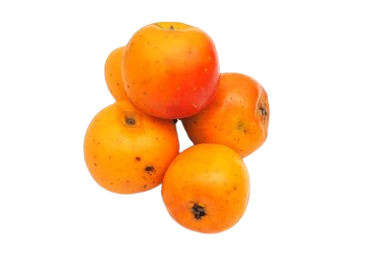
Tejocote, also known as Mexican hawthorn, is a small, pome fruit native to Mexico with a tart, apple-like flavor. A 100g portion of raw tejocote contains 53 calories, while one whole fruit (15g) provides 8 calories. Branded products, such as Alvher tejocote in syrup, offer higher energy values at 110 calories per 100g serving.
Nutrient profiling shows that tejocote contains high amounts of Vitamin C (33% DV) and potassium (240mg, 5% DV) per 150g serving. This fruit also offers 2.7g of fiber and 20.1g of carbohydrates for the same portion size. Scientific research explores the cardioprotective effects of tejocote phytonutrients, such as the work by Swaminathan, J. K., et al. (2010), which investigates the role of antioxidant compounds in reducing cardiac injury.
Dietitians recommend consuming three fruits (45g) daily to maximize nutrient intake without excessive sugar from preserved forms. This suggested serving size provides a concentrated dose of vitamins. Expending the 24 calories from three raw tejocote fruits (45g) requires activities like 3 minutes of washing the car, 2 minutes of shoveling snow, or 4 minutes of raking leaves.
Market varieties of tejocote, such as the wild and cultivated cultivars, are popular in various cuisines. The tart and sweet flavor is used in Tejocote en Almíbar at La Casita and Tejocote Glazed Turkey at Cracker Barrel. Originating in Mexico, the ingredient is now consumed globally, with the price tied to the regional fruit market. The Producer Price Index for fresh and dry vegetables rose from 202.2 in 2016 to 302.503 in 2024, while retail prices for 1lb of fresh fruit rose from $1.99 in 2015 to a range of $3.99 to $6.99 in 2026.
Tejocote nutrition
| Stats | Weight |
|---|---|
| Carbs | 13.4 grams |
| Protein | 0.4 grams |
| Fats | 0 grams |
| Sugars | 7 grams |
- Large Tejocote Calories (Nutritional Facts)
- Medium Tejocote Calories (Nutritional Facts)
- Small Tejocote Calories (Nutritional Facts)
- Raw Tejocote Nutrition
- Sodium in Tejocote
- Potassium in Tejocote
- Sugar in Tejocote
- Fiber in Tejocote
- Protein in Tejocote
- Carbs in Tejocote
- Fat in Tejocote
- Vitamins in Tejocote
- Minerals in Tejocote
Large Tejocote Calories (Nutritional Facts)
A large serving of raw tejocote (150g or 5.3oz) contains 80 calories, 0.6g of protein (1% DV), 0.3g of fat (0% DV), 20.1g of carbohydrates (7% DV), 2.7g of dietary fiber (10% DV), and 3mg of sodium (0% DV).
A medium serving of raw tejocote (100g or 3.5oz) provides 53 calories, 0.4g of protein (1% DV), 0.2g of fat (0% DV), 13.4g of carbohydrates (5% DV), 1.8g of dietary fiber (6% DV), and 2mg of sodium (0% DV).
A small serving of raw tejocote (50g or 1.8oz) has 27 calories, 0.2g of protein (0% DV), 0.1g of fat (0% DV), 6.7g of carbohydrates (2% DV), 0.9g of dietary fiber (3% DV), and 1mg of sodium (0% DV).
A single raw tejocote fruit (15g or 0.5oz) contains 8 calories, 0.06g of protein, 0.03g of fat, and 2g of total carbohydrates. This serving size also provides 0.27g of dietary fiber, 24mg of potassium, and 3mg of Vitamin C.
A large serving of raw tejocote (150g or 5.3oz) contains 3mg of sodium (0% DV). A medium raw tejocote (100g or 3.5oz) has 2mg of sodium (0% DV), and a small raw serving (50g or 1.8oz) contains 1mg of sodium (0% DV).
A large serving of raw tejocote (150g or 5.3oz) provides 240mg of potassium (5% DV). A medium raw tejocote (100g or 3.5oz) offers 160mg of potassium (3% DV), while a small raw serving (50g or 1.8oz) has 80mg of potassium (2% DV).
A large serving of raw tejocote (150g or 5.3oz) contains 10.2g of sugar. A medium raw tejocote (100g or 3.5oz) has 6.8g of sugar, and a small raw serving (50g or 1.8oz) contains 3.4g of sugar.
A large serving of raw tejocote (150g or 5.3oz) contains 2.7g of dietary fiber (10% DV). A medium raw tejocote (100g or 3.5oz) provides 1.8g of dietary fiber (6% DV), and a small raw serving (50g or 1.8oz) contains 0.9g of dietary fiber (3% DV).
A large serving of raw tejocote (150g or 5.3oz) provides 0.6g of protein (1% DV). A medium raw tejocote (100g or 3.5oz) has 0.4g of protein (1% DV), and a small raw serving (50g or 1.8oz) contains 0.2g of protein (0% DV).
A large serving of raw tejocote (150g or 5.3oz) contains 20.1g of total carbohydrates (7% DV). A medium raw tejocote (100g or 3.5oz) has 13.4g of carbohydrates (5% DV), and a small raw serving (50g or 1.8oz) provides 6.7g of carbohydrates (2% DV).
A large serving of raw tejocote (150g or 5.3oz) contains 0.3g of total fat (0% DV). A medium raw tejocote (100g or 3.5oz) has 0.2g of fat (0% DV), and a small raw serving (50g or 1.8oz) contains 0.1g of fat (0% DV).
A large serving of raw tejocote (150g or 5.3oz) contains 30mg of Vitamin C (33% DV) and 0.05mg of Vitamin B6 (3% DV). A medium raw tejocote (100g or 3.5oz) provides 20mg of Vitamin C (22% DV). A small raw serving (50g or 1.8oz) delivers 10mg of Vitamin C (11% DV) and 0.02mg of Vitamin B6 (1% DV).
A large serving of raw tejocote (150g or 5.3oz) provides 0.6mg of iron (3% DV), 30mg of calcium (2% DV), and 24mg of phosphorus (2% DV). A medium raw tejocote (100g or 3.5oz) offers 0.4mg of iron (2% DV) and 20mg of calcium (2% DV). A small raw serving (50g or 1.8oz) has 0.2mg of iron (1% DV), 10mg of calcium (1% DV), and 8mg of phosphorus (1% DV).
Get a Custom Report on Tejocote Nutrition Data – Contact Us!
What are the Types of Tejocote?
The main varieties of tejocote include the common wild cultivar and the larger, cultivated orchard variety. The table below presents the nutritional differences between the main varieties.
| Type | Description | Calories (Per 100g) | Calorie Qualifications |
|---|---|---|---|
|
Wild Tejocote
|
A small, tart variety often found in mountainous regions. | 53 | This amount represents the standard caloric value for wild Crataegus mexicana. |
|
Cultivated Tejocote
|
A larger, fleshier cultivar bred for sweeter pulp and easier consumption. | 53 | The nutritional profile mirrors the wild variety, differing only through slightly higher water content. |
What are the Desserts With Tejocote?
Tejocote features prominently in traditional Mexican desserts due to a naturally sweet, apple-like flavor. The fruit adds a dense consistency and unique aroma to holiday preserves and baked goods. A breakdown of specific sweet dishes that include this fruit is shown in the list that follows.
| Dish Name | Calories | Type of Tejocote | Carbs (g) | Sugar (g) | Protein (g) | Fat (g) | Cuisine | Restaurants |
|---|---|---|---|---|---|---|---|---|
|
Tejocote en Almíbar
|
210 | Preserved Tejocote | 50 | 45 | 0 | 0 | Mexican | La Casita |
|
Tejocote Compote
|
180 | Cooked Tejocote Puree | 45 | 40 | 1 | 0 | Mexican | El Farolito (San Francisco, CA) |
|
Tejocote Tart
|
360 | Baked Tejocote Filling | 50 | 35 | 4 | 18 | Fusion | Balthazar (New York, NY) |
|
Tejocote Sorbet
|
130 | Raw Tejocote Juice | 32 | 28 | 0 | 0 | Tropical | Amorino (National) |
|
Tejocote Cheesecake
|
440 | Cooked Tejocote Puree | 48 | 36 | 6 | 26 | American | The Cheesecake Factory (National) |
|
Tejocote Rice Pudding
|
250 | Cooked Tejocote Peel | 45 | 30 | 5 | 6 | Asian Fusion | Nobu |
|
Tejocote Macarons
|
95 | Tejocote Ganache | 13 | 11 | 2 | 5 | French | Bottega Louie (Los Angeles, CA) |
|
Tejocote Shortbread
|
160 | Baked Tejocote Zest | 20 | 9 | 2 | 8 | British | Walkers (Retail/National) |
|
Tejocote Panna Cotta
|
290 | Cooked Tejocote Juice | 24 | 18 | 4 | 20 | Italian Fusion | Fiola (Washington, D.C.) |
|
Tejocote Fruit Salad
|
90 | Raw Tejocote Chunks | 22 | 18 | 1 | 0 | Tropical | Seasons 52 |
What are the Main Dishes With Tejocote?
Tejocote occasionally appears in savory cooking as a sweet counterbalance to spicy or salty flavor profiles. The dense pulp functions well in glazes, salsas, and traditional holiday sauces for poultry. A breakdown of specific savory dishes that include this fruit is shown in the list that follows.
| Dish Name | Calories | Type of Tejocote | Carbs (g) | Sugar (g) | Protein (g) | Fat (g) | Cuisine | Restaurants |
|---|---|---|---|---|---|---|---|---|
|
Tejocote Glazed Turkey
|
650 | Cooked Tejocote Reduction | 25 | 15 | 50 | 35 | American | Cracker Barrel |
|
Tejocote Salsa
|
120 | Raw Tejocote Diced | 25 | 10 | 1 | 0 | Mexican | Rosa Mexicano |
|
Tejocote Glazed Salmon
|
550 | Baked Tejocote Glaze | 20 | 15 | 45 | 32 | New American | The Capital Grille |
|
Roasted Duck With Tejocote
|
760 | Cooked Tejocote Sauce | 20 | 14 | 40 | 50 | Asian Fusion | Hakkasan (Miami, FL) |
|
Tejocote Curry With Tofu
|
350 | Simmered Tejocote Pulp | 35 | 18 | 15 | 18 | Thai Fusion | Sea Thai (Brooklyn, NY) |
|
Scallops With Tejocote Beurre Blanc
|
510 | Tejocote Infused Butter | 12 | 8 | 28 | 38 | French Fusion | Le Bernardin (New York, NY) |
|
Tejocote Spiced Lamb Chops
|
670 | Tejocote Marinade | 15 | 10 | 45 | 40 | Indian Fusion | Rasika (Washington, D.C.) |
|
Tejocote Glazed Chicken
|
540 | Cooked Tejocote Reduction | 30 | 20 | 45 | 20 | Caribbean | Bahama Breeze |
|
Grilled Snapper With Tejocote Puree
|
450 | Cooked Tejocote Puree | 15 | 10 | 42 | 20 | Tropical American | Roy's Restaurant (National) |
|
Braised Short Ribs With Tejocote Sauce
|
840 | Braised Tejocote Puree | 25 | 15 | 55 | 50 | Modern American | Yardbird Table & Bar (National) |
What Cuisines Prefer Tejocote the Most?
Tejocote holds a prominent place within Mexican culinary traditions. The fruit is indispensable in holiday gastronomy. The table below presents specific cuisines and associated restaurant offerings.
| Cuisine | Dish | Types of Tejocote | Calories (Estimate) | Restaurant(s) |
|---|---|---|---|---|
|
Mexican
|
Tejocote en Almíbar | Preserved Tejocote | 210 | La Casita |
|
American
|
Tejocote Glazed Turkey | Cooked Tejocote Reduction | 650 | Cracker Barrel |
|
Mexican
|
Tejocote Salsa | Raw Tejocote Diced | 120 | Rosa Mexicano |
|
New American
|
Tejocote Glazed Salmon | Baked Tejocote Glaze | 550 | The Capital Grille |
|
Asian Fusion
|
Roasted Duck With Tejocote | Cooked Tejocote Sauce | 760 | Hakkasan |
|
Thai Fusion
|
Tejocote Curry With Tofu | Simmered Tejocote Pulp | 350 | Sea Thai |
|
French Fusion
|
Scallops With Tejocote Beurre Blanc | Tejocote Infused Butter | 510 | Le Bernardin |
|
Indian Fusion
|
Tejocote Spiced Lamb Chops | Tejocote Marinade | 670 | Rasika |
|
Caribbean
|
Tejocote Glazed Chicken | Cooked Tejocote Reduction | 540 | Bahama Breeze |
|
Tropical American
|
Grilled Snapper With Tejocote Puree | Cooked Tejocote Puree | 450 | Roy's Restaurant |
Which Countries Produce the Most Tejocote?
The top producers of tejocote are Mexico, Guatemala, and Honduras. Cultivation thrives in these regions due to ideal high-altitude climates. Agricultural sectors in these nations dedicate acreage to tejocote farming to meet domestic needs and export demands. The table below shows the annual production volumes in thousand metric tonnes for these countries over the last two decades.
| Country | 2003 | 2008 | 2013 | 2018 | 2019 | 2020 | 2021 | 2022 |
|---|---|---|---|---|---|---|---|---|
| Mexico | 400 | 450 | 520 | 600 | 620 | 630 | 640 | 660 |
| Guatemala | 50 | 60 | 75 | 90 | 95 | 100 | 105 | 115 |
| Honduras | 30 | 40 | 50 | 65 | 70 | 75 | 80 | 90 |
| El Salvador | 20 | 30 | 40 | 50 | 55 | 60 | 65 | 75 |
| Nicaragua | 10 | 15 | 20 | 30 | 35 | 40 | 45 | 55 |
Which Countries Consume the Most Tejocote?
The top consumers of tejocote are Mexico, Guatemala, and Honduras. High consumption rates stem from deep-rooted culinary traditions that incorporate fresh tejocote into daily diets and holiday desserts. Growing populations and expanding middle classes in these regions drive the demand for fresh produce. The table below shows the annual consumption volumes in thousand metric tonnes for these markets over the last two decades.
| Country | 2003 | 2008 | 2013 | 2018 | 2019 | 2020 | 2021 | 2022 |
|---|---|---|---|---|---|---|---|---|
| Mexico | 390 | 440 | 510 | 590 | 610 | 620 | 630 | 650 |
| Guatemala | 45 | 55 | 70 | 85 | 90 | 95 | 100 | 110 |
| Honduras | 25 | 35 | 45 | 60 | 65 | 70 | 75 | 85 |
| El Salvador | 15 | 25 | 35 | 45 | 50 | 55 | 60 | 70 |
| United States | 5 | 10 | 20 | 35 | 45 | 55 | 65 | 80 |
How Do Prices of Tejocote-Including Dishes Change?
The financial outlay for retail goods and restaurant dishes containing tejocote has expanded, mirroring the rising sourcing expenses for regional produce. The subsequent chart details the price shifts for specific store-bought items and menu offerings.
| Brand/Restaurant/Retailer | Item | Old Price (Year) | Current Price (2025/2026) |
|---|---|---|---|
| La Nuestra | Tejocote in Syrup (32oz) | $22.99 (2015) | $23.95 - $25.49 |
| Whole Foods Market | Fresh Tejocote (1 lb) | $0.99 (2016) | $1.99 - $3.99 |
| Instacart | Tejocote en Almíbar | $4.50 (2015) | $5.69 - $8.50 |
What is the Tejocote Calorie for 100 Grams?
One hundred grams (3.5oz) of raw tejocote contains 53 calories.
What is the Tejocote Calorie for 1 KG?
One kilogram (1000g) of raw tejocote contains 530 calories.
What is the Calorie of 1 Tejocote?
A single raw tejocote fruit (15g) contains 8 calories. Branded products vary, as a 100g serving of tejocote in syrup from brands like Alvher contains 110 calories. The energy content of tejocote tea sold by brands like Prona is 5 calories per 200ml serving.
What are the Health Benefits of Tejocote?
Tejocote, or Mexican hawthorn, provides distinct wellness advantages due to a dense nutrient and antioxidant profile. Specific health benefits are supported by scientific research below.
- Supports Cardiovascular Health: The fruit contains high levels of flavonoids that improve blood flow and heart function. Palmer, K., et al. (2019). " Crataegus mexicana (Tejocote) Exposure Associated with Cardiotoxicity and a Falsely Elevated Digoxin Level." Evidence from this research shows these compounds effectively reduce oxidative stress in cardiovascular tissues.
- Aids Digestive Function: High pectin content helps regulate bowel movements and supports a healthy digestive tract. Alvarez, E., et al. (2006). "Dietary fiber." Findings from the study link pectin intake to improved gastrointestinal regularity.
- Provides Antioxidant Protection: The fruit pulp contains phenolic compounds that neutralize free radicals. Moo-Huchin, V. M., et al. (2015), " Antioxidant compounds, antioxidant activity and phenolic content in peel from three tropical fruits from Yucatan, Mexico." Data from the study demonstrate that these compounds protect cells from oxidative damage.
What are the Downsides of Tejocote?
Consumption of tejocote presents potential health considerations, particularly regarding seed toxicity and excessive sugar intake in processed forms. Nutritionists recommend a daily suggested amount of three fruits (45g) to avoid adverse effects. A lower-sugar alternative is a serving of fresh apple slices. These potential aspects are outlined below.
- Contains Toxic Seeds: The seeds contain amygdalin, which releases cyanide upon digestion. Bolarinwa, I. F., et al. (2014). "Cyanogenic glycosides in edible plants." Analysis within the research confirms that ingesting crushed seeds poses a risk of cyanide poisoning.
- High Sugar in Preserved Forms: Preserved tejocote in syrup contains substantial added sugars, which can impact blood glucose levels. Singh, M. K. S., et al. (2025). " Fruit Carbohydrates and Their Impact on the Glycemic Index: A Study of Key Determinants." Research demonstrates that fruits processed in heavy syrup cause rapid increases in blood sugar.
Are Tejocote Good for You?
Yes, tejocote is good for health when the edible pulp is consumed moderately and the seeds are removed. Heart health receives support from high flavonoid levels, which help maintain stable blood pressure levels. The meta-analysis by Swaminathan, J. K., et al. (2010), " Cardioprotective properties of Crataegus oxycantha extract against ischemia-reperfusion injury," confirms the link between fruit-derived compounds and cardiovascular protection. Digestive health improves through the intake of dietary pectin, which ensures regular bowel movements and gut wellness. Research by Sun, L., et al. (2021), " Fruit consumption and multiple health outcomes: An umbrella review," details how fiber intake prevents gastrointestinal issues. Liver health benefits from the presence of hepatoprotective antioxidants that mitigate damage from free radicals. The study by Moo-Huchin, V. M., et al. (2015), " Antioxidant compounds, antioxidant activity and phenolic content in peel from three tropical fruits from Yucatan, Mexico," identifies bioactive compounds that protect liver cells from oxidative stress.
How Does Calorie Change According to Tejocote Types?
Energy content shows minimal change between the different types of raw tejocote. The caloric value for the wild cultivar and the cultivated orchard variety is identical, with both containing 53 calories per 100g. The fundamental composition of the fruit pulp, consisting of carbohydrates, protein, and trace amounts of fat, stays consistent across the cultivars. Minor variations stem from differences in ripeness and water concentration, but these are not large enough to alter the established caloric density. The lowest calorie type and the highest calorie type are identical, meaning the main factor affecting total calorie intake is the serving size consumed rather than the specific cultivar chosen.
What is the Origin of Tejocote?
The origin of the tejocote traces back to the mountainous regions of Mexico and Central America. Indigenous populations utilized the fruit for centuries before explorers identified the plant during early expeditions. The species thrived in high-altitude, temperate climates, leading to widespread cultivation across the Mexican highlands. Culinary applications evolved alongside regional expansion, starting with simple raw consumption and juice extraction for traditional holiday beverages like ponche. Modern gastronomy incorporated the dense pulp into complex desserts like preserves and tarts. Savory culinary practices adopted the fruit to provide a sweet, apple-like flavor profile to balance rich proteins in fusion dishes.
Explore More Fruits
Discover more Fruits with detailed nutrition facts, calorie counts, vitamins, minerals, and health benefits. Compare similar foods, serving sizes, macronutrients, and key nutrients to find the best option for your diet and nutrition goals.
 Acai calories
 Acerola calories
 Ambarella calories
 Amla calories
 Apple calories
 Apricot calories
 Avocado calories
 Babaco calories
 Bael Fruit calories
 Banana calories
 Black Grapes calories
 Blackcurrant calories