Calories and Nutritions in Triticale
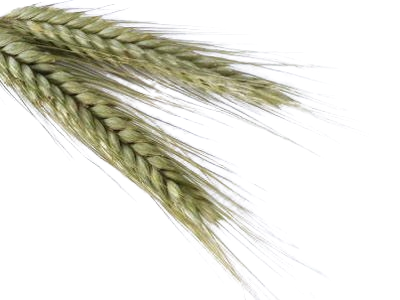
Triticale is a hybrid grain used in grain bowls, breads, pilafs, and pasta. A 100g serving of cooked triticale has 336 calories, while a large one-cup serving (192g) contains 645 calories. A single tablespoon of uncooked triticale (12g) provides 40 calories. A quarter-cup serving of Bob's Red Mill Triticale Berries has 150 calories, while a serving of Bob's Red Mill Triticale Flour (32g) contains 110 calories. A 100 gram (3.5oz) portion of triticale contains 336 calories, 13.05g of protein (26% DV), 2.09g of fat (3% DV), 72.13g of carbohydrates (26% DV), and 14.6g of fiber (52% DV).
The Triticale nutrition profile is notable for a high protein content with a superior amino acid balance compared to wheat. A study indicates that substances within the grain, such as arabinoxylans and β-glucan, may help reduce the risk of cardiovascular disease and type 2 diabetes (Kamanova et al., 2023). Major triticale benefits come from this nutrient density, including a rich supply of phosphorus and magnesium. A 100g serving delivers 358mg of phosphorus (29% DV) and 130mg of magnesium (31% DV), supporting bone health and energy metabolism.
Common forms of triticale include whole berries, rolled flakes, and flour. Top producers of the grain are European countries like Poland and Germany, which are also the primary consumers. The price of triticale has increased over the last 20 years, with average cash prices rising from under $2.50 per bushel in the early 2000s to over $7.50 per bushel in 2022. Triticale is a versatile grain popular in Americana, Farm-to-Table and Californian cuisines. Some example dishes using this grain include Triticale Berry Grain Bowls at Sweetgreen and Triticale Flour Pancakes at The Griddle Cafe.
Triticale nutrition
| Stats | Weight |
|---|---|
| Carbs | 70 grams |
| Protein | 15 grams |
| Fats | 0 grams |
| Sugars | 2 grams |
- Large Triticale Calories (Nutritional Facts)
- Medium Triticale Calories (Nutritional Facts)
- Small Triticale Calories (Nutritional Facts)
- Raw Triticale Nutrition
- Sodium in Triticale
- Potassium in Triticale
- Sugar in Triticale
- Fiber in Triticale
- Protein in Triticale
- Carbs in Triticale
- Fat in Triticale
- Vitamins in Triticale
- Minerals in Triticale
Large Triticale Calories (Nutritional Facts)
A large serving of uncooked triticale, equivalent to one cup or 192g, contains 645 calories, 25g of protein, 4g of total fat, 138g of carbohydrates, 28g of fiber, 1.9g of sugar, and 9.6mg of sodium. For whole-grain triticale flour, a large serving of one cup (130g) has 439 calories, 17g of protein, 2.4g of fat, 97g of carbohydrates, 19g of fiber, 1.3g of sugar, and 2.6mg of sodium.
A medium serving of uncooked triticale, or 100g (about 3.5oz), provides 336 calories, 13.05g of protein, 2.09g of fat, 72.13g of carbohydrates, 14.6g of fiber, 0.98g of sugar, and 5mg of sodium. A half-cup of uncooked triticale (96g) has 323 calories, 13g of protein, 2g of fat, 69g of carbohydrates, 14g of fiber, 0.9g of sugar, and 4.8mg of sodium.
A small serving of uncooked triticale, equivalent to a quarter cup or 48g, contains 161 calories, 6.3g of protein, 1g of total fat, 35g of carbohydrates, 7g of fiber, 0.5g of sugar, and 2.4mg of sodium. A single tablespoon of uncooked triticale (12g) provides 40 calories, 1.6g of protein, 0.3g of fat, 8.7g of carbohydrates, 1.8g of fiber, 0.1g of sugar, and 0.6mg of sodium.
Uncooked triticale provides a rich source of essential nutrients. A 100g serving of raw triticale contains 336 calories, 13.05g of protein, 2.09g of fat, 72.13g of carbohydrates, 14.6g of fiber, 0.98g of sugar, and 5mg of sodium. A larger serving of one cup (192g) of uncooked triticale offers 645 calories, 25g of protein, 4g of fat, 138g of carbohydrates, 28g of fiber, 1.9g of sugar, and 9.6mg of sodium. Whole-grain triticale flour, in a 100g portion, has 338 calories, 13.4g of protein, 1.8g of fat, 74.5g of carbohydrates, 14.6g of fiber, 0.98g of sugar, and 2mg of sodium.
A large one-cup serving of uncooked triticale (192g) contains 9.6mg of sodium (0% DV). A medium 100g serving of uncooked triticale has 5mg of sodium (0% DV). A small quarter-cup serving (48g) of uncooked triticale provides 2.4mg of sodium (0% DV). Raw whole-grain triticale flour contains 2.6mg of sodium (0% DV) in a one-cup serving (130g).
A large one-cup serving of uncooked triticale (192g) contains 637mg of potassium (14% DV). A medium 100g serving of uncooked triticale provides 332mg of potassium (7% DV). A small quarter-cup serving (48g) of uncooked triticale has 159.4mg of potassium (3% DV). Raw whole-grain triticale flour contains 605.8mg of potassium (13% DV) in a one-cup serving (130g).
A large one-cup serving of uncooked triticale (192g) contains 1.9g of sugar. A medium 100g serving of uncooked triticale has 0.98g of sugar. A small quarter-cup serving (48g) of uncooked triticale provides 0.5g of sugar. Raw whole-grain triticale flour in a one-cup serving (130g) contains 1.3g of sugar.
A large one-cup serving of uncooked triticale (192g) provides 28g of fiber (100% DV). A medium 100g serving of uncooked triticale has 14.6g of fiber (52% DV). A small quarter-cup serving (48g) of uncooked triticale contains 7g of fiber (25% DV). A one-cup serving of whole-grain triticale flour (130g) contains 19g of dietary fiber (68% DV).
A large one-cup serving of uncooked triticale (192g) provides 25g of protein (50% DV). A medium 100g serving of uncooked triticale contains 13.05g of protein (26% DV). A small quarter-cup serving (48g) of uncooked triticale has 6.3g of protein (13% DV). Raw whole-grain triticale flour in a one-cup serving (130g) contains 17g of protein (34% DV).
A large one-cup serving of uncooked triticale (192g) contains 138g of carbohydrates (50% DV). A medium 100g serving of uncooked triticale has 72.13g of carbohydrates (26% DV). A small quarter-cup serving (48g) of uncooked triticale provides 35g of carbohydrates (13% DV). Raw whole-grain triticale flour in a one-cup serving (130g) contains 97g of carbohydrates (35% DV).
A large one-cup serving of uncooked triticale (192g) contains 4g of total fat (5% DV). A medium 100g serving of uncooked triticale has 2.09g of total fat (3% DV). A small quarter-cup serving (48g) of uncooked triticale provides 1g of total fat (1% DV). Raw whole-grain triticale flour in a one-cup serving (130g) contains 2.4g of total fat (3% DV).
A one-cup serving of uncooked triticale (192g) contains 0.799mg of Thiamin (Vitamin B1) (67% DV), 0.257mg of Riboflavin (Vitamin B2) (20% DV), 2.746mg of Niacin (Vitamin B3) (17% DV), 0.265mg of Vitamin B6 (16% DV), and 140.16mcg of Folate (Vitamin B9) (35% DV). A 100g serving of uncooked triticale provides 0.42mg of Thiamin (35% DV), 0.13mg of Riboflavin (10% DV), 1.43mg of Niacin (9% DV), 0.14mg of Vitamin B6 (8% DV), and 73mcg of Folate (18% DV). Triticale contains 0mcg of Vitamin D and 0mg of Vitamin C.
A large one-cup serving of uncooked triticale (192g) contains 4.93mg of iron (27% DV), 71.04mg of calcium (5% DV), 249.60mg of magnesium (59% DV), and 687.36mg of phosphorus (55% DV). A medium 100g serving of uncooked triticale has 2.57mg of iron (14% DV), 37mg of calcium (4% DV), 130mg of magnesium (31% DV), and 358mg of phosphorus (29% DV). A small quarter-cup serving of uncooked triticale (48g) contains 1.2mg of iron (7% DV) and 18mg of calcium (1% DV). Raw whole-grain triticale flour in a one-cup serving (130g) provides 3.37mg of iron (19% DV) and 45.50mg of calcium (4% DV).
Get a Custom Report on Triticale Nutrition Data – Contact Us!
What are the Types of Triticale?
The types of triticale available for consumption are whole grain triticale berries, rolled triticale flakes, and triticale flour. The table below details the characteristics and calorie information for these forms.
| Type | Description | Calories (per 100g) | Calorie Qualifications |
|---|---|---|---|
|
Triticale Berries (Whole Grain)
|
The intact, whole kernel of the triticale plant, containing the bran, germ, and endosperm. | 336 | The calorie count is for the raw, unprocessed grain and reflects dense nutrient content. |
|
Rolled Triticale Flakes
|
Whole triticale berries that have been steamed and then rolled flat. | 332 | The steaming and rolling process slightly alters the density, resulting in a minimally lower calorie count per 100g compared to raw berries. |
|
Triticale Flour (Whole-Grain)
|
Whole triticale berries that have been ground into a fine powder. | 338 | Grinding the whole grain into flour concentrates the components, leading to a slightly higher calorie density compared to the unprocessed berries. |
What are Desserts With Triticale?
Triticale flour and flakes are used in a variety of baked goods and breakfast-style desserts, lending a nutty, wholesome flavor. The table below details several dessert preparations incorporating triticale.
| Dish Name | Calories (Estimate per serving) | Type of Triticale | Carbs (g) (Estimate) | Sugar (g) (Estimate) | Protein (g) (Estimate) | Fat (g) (Estimate) | Cuisine | Restaurants |
|---|---|---|---|---|---|---|---|---|
|
Triticale Flour Pancakes
|
450 | Flour | 75 | 20 | 12 | 11 | American | The Griddle Cafe (Los Angeles, CA) |
|
Triticale Berry Pudding
|
380 | Berries | 65 | 30 | 9 | 10 | Health Food | Cafe Gratitude (restaurant chain) |
|
Triticale Flake Cookies
|
220 | Flakes | 30 | 18 | 4 | 10 | American Bakery | Levain Bakery (New York, NY) |
|
Apple Triticale Crumble
|
480 | Flour, Flakes | 80 | 45 | 6 | 16 | American | Blue Hill at Stone Barns (Pocantico Hills, NY) |
|
Triticale Flour Muffins
|
390 | Flour | 55 | 28 | 7 | 17 | American Bakery | Tartine Bakery (San Francisco, CA) |
|
Triticale Crepes with Berries
|
410 | Flour | 60 | 25 | 10 | 14 | French-American | Balthazar (New York, NY) |
|
Triticale Waffles
|
460 | Flour | 70 | 18 | 13 | 15 | American | Wafels & Dinges (New York, NY) |
|
Triticale Scones
|
420 | Flour | 58 | 22 | 8 | 18 | British-American | Alice's Tea Cup (New York, NY) |
|
Carrot Cake with Triticale Flour
|
550 | Flour | 70 | 45 | 7 | 28 | American | The Cheesecake Factory (restaurant chain) |
|
Triticale Flake Granola Parfait
|
490 | Flakes | 65 | 35 | 15 | 20 | Health Food | True Food Kitchen |
|
Banana Bread with Triticale Flour
|
360 | Flour | 50 | 28 | 6 | 16 | American | Starbucks |
|
Triticale Brownies
|
400 | Flour | 52 | 35 | 5 | 21 | American | Baked & Wired (Washington, D.C.) |
What are Main Dishes With Triticale?
Triticale berries and flour serve as a base for hearty main courses, from grain bowls to rustic breads. The table below outlines main dishes that feature triticale.
| Dish Name | Calories (Estimate per serving) | Type of Triticale | Carbs (g) (Estimate) | Sugar (g) (Estimate) | Protein (g) (Estimate) | Fat (g) (Estimate) | Cuisine | Restaurants |
|---|---|---|---|---|---|---|---|---|
|
Triticale Berry Grain Bowl
|
580 | Berries | 75 | 8 | 20 | 22 | Californian | Sweetgreen |
|
Mushroom and Triticale Pilaf
|
490 | Berries | 80 | 6 | 15 | 12 | New American | Gramercy Tavern (New York, NY) |
|
Triticale Flour Pasta with Pesto
|
650 | Flour | 90 | 5 | 22 | 24 | Italian-American | The French Laundry (Yountville, CA) |
|
Hearty Triticale Vegetable Soup
|
420 | Berries | 60 | 12 | 18 | 10 | American | Panera Bread |
|
Triticale Berry Salad
|
450 | Berries | 55 | 10 | 15 | 20 | Mediterranean | CAVA |
|
Triticale Flour Pizza Crust
|
600 | Flour | 80 | 7 | 25 | 20 | Italian-American | Roberta's Pizza (Brooklyn, NY) |
|
Savory Triticale Porridge
|
480 | Berries, Flakes | 70 | 5 | 18 | 16 | Scandinavian | Aska (Brooklyn, NY) |
|
Triticale Stuffed Bell Peppers
|
510 | Berries | 65 | 15 | 20 | 19 | American | Tender Greens |
|
Black Bean Triticale Burgers
|
550 | Berries, Flour | 70 | 8 | 25 | 18 | Vegan | Veggie Grill |
|
Triticale Sourdough Bread
|
300 | Flour | 55 | 2 | 10 | 4 | Bakery | La Brea Bakery (Los Angeles, CA) |
|
Triticale Tabouli
|
390 | Berries | 50 | 4 | 12 | 18 | Middle Eastern | Mamoun's Falafel (New York, NY) |
|
Chicken and Triticale Casserole
|
620 | Berries | 60 | 9 | 35 | 28 | American Comfort | Cracker Barrel |
What Cuisines Prefer Triticale the Most?
Triticale is a modern grain, so the grain is not a staple of traditional national cuisines but is embraced in contemporary, health-focused culinary styles. The table below shows culinary movements that utilize triticale.
| Cuisine | Dish | Types of Triticale Used | Calories (Estimate) | Restaurant(s) |
|---|---|---|---|---|
|
New American
|
Triticale Berry Pilaf | Berries | 490 | The Modern (New York, NY) |
|
Californian
|
Roasted Vegetable Grain Bowl | Berries | 580 | Gjelina (Venice, CA) |
|
Health Food
|
Triticale Flake Granola | Flakes | 490 | Erewhon Market (Los Angeles, CA) |
|
Vegan
|
Triticale and Lentil Loaf | Berries, Flour | 520 | Crossroads Kitchen (Los Angeles, CA) |
|
Farm-to-Table
|
Sourdough with Triticale Flour | Flour | 300 | Chez Panisse (Berkeley, CA) |
|
Bakery
|
Whole Grain Triticale Muffin | Flour | 390 | Amy's Bread (New York, NY) |
|
Vegetarian
|
Triticale Berry and Kale Salad | Berries | 450 | Moosewood Restaurant (Ithaca, NY) |
|
Macrobiotic
|
Steamed Triticale with Root Vegetables | Berries | 460 | M Cafe (Los Angeles, CA) |
|
Italian-American
|
Rustic Triticale Pasta | Flour | 650 | Flour + Water (San Francisco, CA) |
|
Breakfast/Brunch
|
Triticale Pancakes | Flour | 450 | Clinton St. Baking Company (New York, NY) |
|
Modern European
|
Savory Triticale Crepes | Flour | 500 | Canlis (Seattle, WA) |
Which Countries Produce the Most Triticale?
The top producers of triticale are concentrated in Europe. Poland, Germany, Belarus, France, and the Russian Federation consistently lead global production. The table below shows the production quantity of triticale in key countries.
| Country | 2003 | 2008 | 2013 | 2018 | 2019 | 2020 | 2021 | 2022 |
|---|---|---|---|---|---|---|---|---|
| Poland | 4,271,780 | 3,691,120 | 5,199,410 | 4,086,180 | 5,115,150 | 5,342,020 | 6,051,460 | 5,441,170 |
| Germany | 2,476,000 | 2,514,000 | 2,544,100 | 1,978,600 | 1,940,300 | 1,862,600 | 2,168,100 | 1,920,400 |
| Belarus | 1,185,000 | 1,321,230 | 1,066,700 | 662,112 | 1,136,134 | 1,241,165 | 1,130,150 | 1,304,369 |
| France | 1,475,000 | 1,601,000 | 1,666,000 | 1,399,530 | 1,518,850 | 1,330,730 | 1,623,390 | 1,353,670 |
| Russian Federation | 398,000 | 572,000 | 536,900 | 448,829 | 432,607 | 455,487 | 398,591 | 636,549 |
| Spain | 179,900 | 315,600 | 499,600 | 627,620 | 480,260 | 739,260 | 533,730 | 344,790 |
Which Countries Consume the Most Triticale?
The top consumers of triticale are largely the same countries that lead production, as a substantial portion of the crop is used domestically for animal feed. Consumption data for humans is measured by food supply quantity. The table below shows the food supply of triticale for human consumption in select countries.
| Country | 2003 | 2008 | 2013 | 2018 | 2019 | 2020 |
|---|---|---|---|---|---|---|
| Poland | 1.83 | 2.11 | 1.81 | 1.95 | 1.94 | 1.94 |
| Austria | 1.58 | 1.55 | 1.53 | 1.49 | 1.48 | 1.48 |
| Belarus | 0.00 | 0.00 | 0.00 | 0.95 | 0.95 | 0.95 |
| Lithuania | 1.07 | 1.01 | 0.77 | 0.73 | 0.73 | 0.73 |
| Germany | 0.22 | 0.22 | 0.22 | 0.22 | 0.22 | 0.22 |
| Spain | 0.17 | 0.17 | 0.17 | 0.17 | 0.17 | 0.17 |
How Do Prices of Triticale-Including Dishes Change?
Restaurant menu costs for dishes including specialty grains like triticale have risen over the last decade. This increase reflects the wholesale price of the grain along with greater expenses for labor and operations. Health-focused fast-casual chains that feature grain bowls show these price adjustments on menus.
| Restaurant | Dish | Old Price (Year) | Current Price (2025) |
|---|---|---|---|
| Sweetgreen | Harvest Bowl (can include similar grains) | $11.50 (2018) | $14.45 - $17.50 |
| Panera Bread | Mediterranean Grain Bowl | $9.69 (2019) | $9.99 - $10.89 |
| CAVA | Grain Bowl (Custom) | $9.10 (2017) | $12.85 - $15.25 |
| True Food Kitchen | Ancient Grains Bowl | $16.00 (2016) | $17.50 - $19.50 |
| Flower Child | Mother Earth Bowl | $11.95 (2017) | $12.45 - $13.45 |
| Tender Greens | Happy Vegan Salad with falafel (with grains) | $12.50 (2018) | $16.95 - $18.85 |
What is the Triticale Calorie for 100 Grams?
A 100g serving of uncooked triticale contains 336 calories. For whole-grain triticale flour, a 100g serving provides 338 calories.
What is the Triticale Calorie for 1 KG?
One kilogram (1000g) of uncooked triticale contains 3360 calories. A kilogram of whole-grain triticale flour has 3380 calories.
What is the Calorie of 1 Triticale?
The calorie content of a single serving of triticale varies by brand and preparation. A quarter-cup dry serving of Bob's Red Mill Rolled Triticale Flakes Hot Cereal contains 100 calories. A quarter-cup serving of Bob's Red Mill Triticale Berries provides 150 calories. A serving of Bob's Red Mill Triticale Flour (32g) contains 110 calories.
What are the Health Benefits of Triticale?
Consuming triticale is linked with several positive health outcomes, supported by scientific research. The primary health advantages are detailed below.
- Supports Digestive Health: Triticale is an important source of dietary fiber, with a one-cup serving containing 19 grams. Dietary fiber aids digestion by adding bulk to stool, which facilitates passage through the digestive tract. This action helps in the efficient absorption of nutrients and quicker excretion of waste from the bowels. A study by He et al. (2019), "Dietary intake of fiber, whole grains and risk of colorectal cancer: An updated analysis according to food sources, tumor location and molecular subtypes in two large US cohorts," found that high intake of dietary fiber and whole grains was associated with a lower risk of colorectal cancer.
- Promotes Cardiovascular Health: The grain contains compounds that positively affect risk factors for cardiovascular disease. The soluble fiber in triticale, such as β-glucan, can help lower cholesterol levels. Research by Kamanova et al. (2023), "Review on nutritional benefits of triticale," indicates that substances in triticale grain can help reduce the risk of cardiovascular disease, obesity, and type 2 diabetes. The presence of arabinoxylans, another type of fiber, may also lower oxidative stress, further reducing the risk of cardiovascular disease.
- Enhances Cellular Production and Repair: Triticale has a higher protein content than both of its parent grains, wheat and rye. Proteins are fundamental for building and repairing tissues, as proteins are composed of amino acids that the body uses for cellular construction. A publication by Kies and Fox (1972), "Protein Nutritive Value of Wheat and Triticale Grain for Humans, Studied at Two Levels of Protein Intake," demonstrated that triticale had a slightly higher protein nutritive value for humans compared to wheat, suggesting better support for bodily functions.
- Aids in Bone Health: Triticale is a source of essential minerals like phosphorus, magnesium, and calcium, which are vital for developing and maintaining strong bones. Fructans, a type of prebiotic fiber found in triticale, can enhance the absorption of calcium. A study by Abrams et al. (2007), "An inulin-type fructan enhances calcium absorption primarily via an effect on colonic absorption in humans," concluded that daily consumption of inulin-type fructans improved calcium absorption and bone mineral content in adolescents.
What are the Downsides of Triticale?
Triticale consumption carries some potential considerations, particularly for specific individuals. These aspects are outlined below.
- Contains Gluten: Triticale is a hybrid of wheat and rye, both of which are gluten-containing grains. This makes triticale unsuitable for individuals with celiac disease or non-celiac gluten sensitivity. Ingesting triticale can trigger an immune response in people with celiac disease, leading to damage to the small intestine and various gastrointestinal symptoms. A study by Sapone et al. (2012), "Spectrum of gluten-related disorders: consensus on new nomenclature and classification," outlines the different adverse reactions to gluten, emphasizing the need for strict avoidance for sensitive individuals. A safe alternative for a gluten-free diet is quinoa. A daily suggested amount for whole grains is 48 grams.
- Potential for Ergot Contamination: Triticale crops can be susceptible to ergot, a fungus that can contaminate the grain. Consuming ergot-contaminated grain can be toxic to humans and animals. Modern agricultural practices and newer varieties have reduced this risk, but a potential concern remains. A report by the European Food Safety Authority (EFSA) Panel on Contaminants in the Food Chain (2012), "Scientific Opinion on Ergot alkaloids in food and feed," details the health risks associated with ergot alkaloids and establishes safety levels to minimize exposure.
Is Triticale Good for You?
Yes, triticale is a nutritious grain that can be a beneficial part of a balanced diet for those who can tolerate gluten. Triticale consumption is linked to several positive health outcomes. Triticale supports digestive health due to high fiber content, which promotes regular bowel movements and may reduce the risk of certain digestive disorders. The grain's composition also benefits heart health; research indicates that the bioactive compounds and dietary fibers in triticale can help manage conditions like cardiovascular disease and type 2 diabetes. A study by Kamanova et al. (2023) titled "Review on nutritional benefits of triticale" provides a comprehensive overview of these effects, highlighting how components like arabinoxylans and β-glucan contribute to these protective actions. For metabolic health, the high protein and fiber content can aid in blood sugar regulation and weight management. A study by Agil et al. (2016), "Triticale bran alkylresorcinols enhance resistance to oxidative stress in mice fed a high-fat diet," showed that compounds from triticale bran could improve resistance to oxidative stress, which is a factor in metabolic diseases. The grain's rich mineral profile, including manganese and phosphorus, supports bone health and energy metabolism.
Is Triticale Gluten-Free?
No, Triticale is not gluten-free. Triticale is a hybrid grain created by crossing wheat (Triticum) and rye (Secale), both of which naturally contain gluten. Gluten is the protein that can cause adverse health effects in individuals with celiac disease, non-celiac gluten sensitivity, and wheat allergies. For people with these conditions, knowing that triticale and any products made from triticale must be avoided is crucial to prevent symptoms that can range from digestive distress to severe intestinal damage.
How Does Calorie Change According to Triticale Types?
The calorie content of triticale changes slightly based on form such as whole berries, rolled flakes, and flour. The processing method alters the density and water content of the final product. Whole-grain triticale flour has the highest calorie count, with 338 calories per 100g. This is because milling the entire kernel into flour creates a denser product by weight compared to the whole berries. Rolled triticale flakes have the lowest calorie count at 332 calories per 100g, as the steaming and flattening process can slightly increase the volume and moisture content relative to weight. Unprocessed whole triticale berries fall in between, containing 336 calories per 100g.
Is Triticale Better Than Wheat?
Yes, in certain nutritional aspects such as protein quality, lysine content, and mineral balance, triticale is considered better than wheat. Triticale was specifically developed to combine the high yield of wheat with the resilience of rye, and this hybridization resulted in a superior nutritional profile in some areas. Triticale contains a higher protein content and a higher concentration of the essential amino acid lysine, which is often limited in other cereal grains like wheat. A study by Kies and Fox published in 1972 found that triticale demonstrated a slightly higher protein nutritive value for humans compared to wheat, meaning the body can utilize triticale protein more effectively. Research also indicates triticale has a better mineral balance than wheat. Wheat contains a higher gluten content, which makes wheat superior for baking light, leavened breads. Triticale's lower gluten content results in denser baked goods.
What is Triticale Used For?
Triticale is used for both human food products and animal feed. The grain's most common application globally is as a forage crop and feed for livestock, including cattle, pigs, and poultry, due to the crop's high yield and nutritional value. For human consumption, triticale is processed and used in ways similar to wheat and rye. Triticale berries, the whole kernels, are cooked and added to salads, soups, and grain bowls. Triticale is also milled into whole-grain flour, which is used to make breads, pastas, muffins, and other baked goods. Rolled triticale flakes are available and can be used to make hot breakfast cereals or as an ingredient in granola and cookies.
What is the Origin of Triticale?
The origin of triticale is not in ancient fields but in modern laboratories. Triticale (× Triticosecale) is a hybrid grain, created by crossbreeding wheat (Triticum) and rye (Secale). The first successful fertile wheat-rye hybrid was created in 1875 by Scottish botanist Alexander Stephen Wilson. German breeder Wilhelm Rimpau produced a fertile hybrid in 1888. Widespread research and development did not begin until the 20th century. The goal of these breeding programs was to create a crop that combined the high grain yield and quality of wheat with the disease resistance and environmental tolerance of rye. The name "triticale" itself, coined in the 1930s, is a blend of the Latin names of the parent genera. Major advancements occurred in the mid-20th century in Hungary, Poland, and Canada, leading to the viable commercial varieties available today. Because of the grain's recent creation, there are no ancient or traditional dishes associated with triticale; the grain's culinary history is still being written in modern kitchens and bakeries.
Explore More Grains
Discover more Grains with detailed nutrition facts, calorie counts, vitamins, minerals, and health benefits. Compare similar foods, serving sizes, macronutrients, and key nutrients to find the best option for your diet and nutrition goals.
 Amaranth calories
 Arborio Rice calories
 Arrowroot Powder calories
 Barley calories
 Basmati Rice calories
 Black Rice calories
 Brown Rice calories
 Buckwheat calories
 Bulgur Wheat calories
 Coconut Flour calories
 Cornmeal calories
 Cornstarch calories