Calories and Nutritions in Zapote
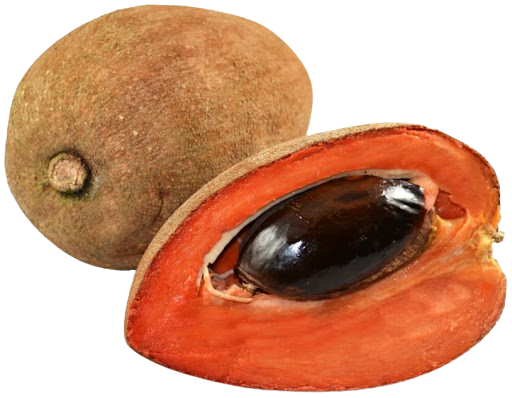
Zapote, also recognized as mamey sapote, is a tropical stone fruit from Central America containing 124 calories per 100g. One kilogram of the raw zapote fruit provides 1240 calories while a small serving (100g) has 124 calories. Drinking a glass of raw zapote juice (240g) delivers 298 calories.
Nutritional checks show a balance of carbohydrates and dietary fiber in this fruit. A medium serving of zapote weighing 150g supplies 48.15g of total carbohydrates (18% DV) and 8.1g of fiber, fulfilling 29% of the Daily Value (DV). This fruit also provides 38% DV of Vitamin C and 6% DV of iron to support a healthy diet. Scientific papers, such as the work by Ma, J., et al. (2004), point to novel polyhydroxylated fatty acid derivatives in the fruit that combat oxidative stress.
Common varieties of zapotes found in markets are the Mamey Sapote, Black Sapote, and White Sapote. This fruit is used in many dishes including milkshakes at Versailles Restaurant and frozen treats at Azucar Ice Cream Company. Large farms in Mexico, Guatemala, and the Dominican Republic manage the fruit for shoppers everywhere. Store prices for a pound of fresh zapote rose from $4.99 in 2016 to between $9.95 and $11.99 in 2024.
Health experts suggest eating one cup of pieces (175g) of zapote and similar tropical fruits per day. This portion contains 217 calories which can be burned doing 20 minutes of vigorous swimming, 22 minutes of jogging, or 40 minutes of brisk walking.
Zapote nutrition
| Stats | Weight |
|---|---|
| Carbs | 48.15 grams |
| Protein | 2.81 grams |
| Fats | 0 grams |
| Sugars | 40 grams |
- Large Zapote Calories (Nutritional Facts)
- Medium Zapote Calories (Nutritional Facts)
- Small Zapote Calories (Nutritional Facts)
- Raw Zapote Nutrition
- Sodium in Zapote
- Potassium in Zapote
- Sugar in Zapote
- Fiber in Zapote
- Protein in Zapote
- Carbs in Zapote
- Fat in Zapote
- Vitamins in Zapote
- Minerals in Zapote
Large Zapote Calories (Nutritional Facts)
A large serving of raw zapote, equivalent to one cup of pieces (175g or 6.2oz), contains 217 calories, 2.54g of protein, 0.805g of fat, 56.2g of carbohydrates, 9.45g of dietary fiber, and 12.2mg of sodium. A large glass of raw zapote juice (300g or 10.6oz) contains 372 calories, 4.35g of protein, 1.38g of fat, 96.3g of carbohydrates, 16.2g of dietary fiber, and 21mg of sodium.
A medium raw zapote serving (150g or 5.3oz) provides 186 calories, 2.18g of protein, 0.69g of fat, 48.15g of carbohydrates, 8.1g of dietary fiber, and 10.5mg of sodium. A medium serving of raw zapote juice, equivalent to one cup (240g or 8.5oz), delivers 298 calories, 3.48g of protein, 1.1g of fat, 77g of carbohydrates, 13g of dietary fiber, and 16.8mg of sodium.
A small serving of raw zapote (100g or 3.5oz) has 124 calories, 1.45g of protein, 0.46g of fat, 32.1g of carbohydrates, 5.4g of dietary fiber, and 7mg of sodium. A small serving of raw zapote juice (100g or 3.5oz) has 124 calories, 1.45g of protein, 0.46g of fat, 32.1g of carbohydrates, 5.4g of dietary fiber, and 7mg of sodium.
A single raw zapote fruit (558g) contains 692 calories, 8.09g of protein, 2.57g of fat, and 179g of total carbohydrates. This serving size also provides 30.1g of dietary fiber, 2530mg of potassium, and 128mg of Vitamin C. One cup (175g) of raw zapote pieces contains 217 calories, 2.54g of protein, 0.805g of fat, and 56.2g of total carbohydrates, which includes 9.45g of fiber, 794mg of potassium, and 40.2mg of Vitamin C.
A large serving of raw zapote (175g or 6.2oz) contains 12.2mg of sodium (1% DV). A medium raw zapote serving (150g or 5.3oz) has 10.5mg of sodium (0% DV), and a small raw serving (100g or 3.5oz) contains 7mg of sodium (0% DV). A single raw zapote fruit (558g or 19.7oz) provides 39.1mg of sodium (2% DV).
A large serving of raw zapote (175g or 6.2oz) provides 794mg of potassium (17% DV). A medium raw zapote serving (150g or 5.3oz) offers 681mg of potassium (14% DV), while a small raw serving (100g or 3.5oz) has 454mg of potassium (10% DV). A single raw zapote fruit (558g or 19.7oz) provides 2530mg of potassium (54% DV).
A large serving of raw zapote (175g or 6.2oz) contains 56.2g of total carbohydrates and 9.45g of fiber, resulting in 46.75g of net carbohydrates, which includes natural sugars. A medium raw zapote serving (150g or 5.3oz) contains 40.05g of net carbohydrates, and a small raw serving (100g or 3.5oz) has 26.7g of net carbohydrates. A single raw zapote fruit (558g or 19.7oz) contains 112g of total sugars.
A large serving of raw zapote (175g or 6.2oz) contains 9.45g of dietary fiber (34% DV). A medium raw zapote serving (150g or 5.3oz) provides 8.1g of dietary fiber (29% DV), and a small raw serving (100g or 3.5oz) contains 5.4g of dietary fiber (19% DV). A single raw zapote fruit (558g or 19.7oz) contains 30.1g of dietary fiber (108% DV).
A large serving of raw zapote (175g or 6.2oz) provides 2.54g of protein (5% DV). A medium raw zapote serving (150g or 5.3oz) has 2.18g of protein (4% DV), and a small raw serving (100g or 3.5oz) contains 1.45g of protein (3% DV). A single raw zapote fruit (558g or 19.7oz) provides 8.09g of protein (16% DV).
A large serving of raw zapote (175g or 6.2oz) contains 56.2g of total carbohydrates (20% DV). A medium raw zapote serving (150g or 5.3oz) has 48.15g of carbohydrates (18% DV), and a small raw serving (100g or 3.5oz) provides 32.1g of carbohydrates (12% DV). A single raw zapote fruit (558g or 19.7oz) contains 179g of total carbohydrates (65% DV).
A large serving of raw zapote (175g or 6.2oz) contains 0.805g of total fat (1% DV). A medium raw zapote serving (150g or 5.3oz) has 0.69g of fat (1% DV), and a small raw serving (100g or 3.5oz) contains 0.46g of fat (1% DV). A single raw zapote fruit (558g or 19.7oz) contains 2.57g of total fat (3% DV).
A large serving of raw zapote (175g or 6.2oz) contains 45% DV of Vitamin C and 74% DV of Vitamin B6. A medium raw zapote serving (150g or 5.3oz) provides 38% DV of Vitamin C. A small raw serving (100g or 3.5oz) delivers 26% DV of Vitamin C, 42% DV of Vitamin B6, and 14% DV of Vitamin E. A single raw zapote fruit (558g or 19.7oz) provides 142% DV of Vitamin C and 236% DV of Vitamin B6.
A large serving of raw zapote (175g or 6.2oz) provides 8% DV of iron, 5% DV of magnesium, and 4% DV of phosphorus. A medium raw zapote serving (150g or 5.3oz) offers 6% DV of iron and 4% DV of magnesium. A small raw serving (100g or 3.5oz) has 4% DV of iron, 3% DV of magnesium, and 2% DV of phosphorus. A single raw zapote fruit (558g or 19.7oz) provides 24% DV of iron and 15% DV of magnesium.
Get a Custom Report on Zapote Nutrition Data – Contact Us!
What are the Types of Zapotes?
The types of zapotes available in the market are Mamey Sapote, Black Sapote, and White Sapote. The table below presents the nutritional differences between the main varieties.
| Type | Description | Calories (Per 100g) | Calorie Qualifications |
|---|---|---|---|
|
Mamey Sapote
|
This variety features a salmon-colored flesh and a sweet, creamy texture. | 124 | This amount represents the standard caloric value for the species Pouteria sapota. |
|
Black Sapote
|
This fruit possesses a dark, chocolate-like pulp and a mild flavor. | 72 | Higher water content results in a lower energy density compared to other types. |
|
White Sapote
|
This cultivar has a smooth, custard-like flesh and a light green skin. | 125 | Caloric density remains high due to a significant concentration of natural sugars. |
What are the Desserts With Zapote?
Desserts with zapote feature prominently in tropical regions because of a natural custard-like sweetness and earthy aroma. This fruit provides a velvety base for milkshakes, mousses, and chilled treats during warm months. The table below shows specific sweet dishes that include zapote.
| Dish Name | Calories | Type of Zapote | Carbs (g) | Sugar (g) | Protein (g) | Fat (g) | Cuisine | Restaurants |
|---|---|---|---|---|---|---|---|---|
|
Mamey Sapote Milkshake
|
350 | Raw Pulp | 65 | 48 | 8 | 10 | Cuban | Versailles Restaurant (Miami, FL) |
|
Zapote Ice Cream
|
280 | Raw Puree | 42 | 32 | 4 | 14 | American | Azucar Ice Cream Company (Miami, FL) |
|
Mamey Cheesecake
|
480 | Cooked Puree | 55 | 38 | 7 | 28 | American | The Cheesecake Factory (National) |
|
Zapote Mousse
|
210 | Raw Pulp | 35 | 25 | 3 | 8 | French Fusion | The Bazaar by José Andrés (Miami, FL) |
|
Mamey Flan
|
320 | Cooked Pulp | 48 | 40 | 6 | 12 | Latin American | El Mago de las Fritas (Miami, FL) |
|
Black Zapote Pudding
|
180 | Raw Black Sapote | 40 | 28 | 2 | 1 | Tropical | Tropical Island (New York, NY) |
|
Zapote Tart
|
410 | Baked Filling | 52 | 30 | 5 | 20 | French | Balthazar (New York, NY) |
|
Mamey Smoothie Bowl
|
290 | Frozen Pulp | 60 | 35 | 4 | 3 | Tropical | Jamba Juice |
|
Zapote Sorbet
|
150 | Raw Puree | 38 | 30 | 1 | 0 | Caribbean | Helados Pops (Los Angeles, CA) |
|
Mamey Pastry
|
260 | Baked Jam | 45 | 22 | 3 | 10 | Cuban | Rincon Criollo (New York, NY) |
What are the Main Dishes With Zapote?
Main dishes with zapote appear in fusion cooking as a dense component that balances spicy or salty profiles. Chefs utilize the thick pulp in marinades, glazes, and slow-cooked stews to achieve a unique depth of flavor. The table below shows specific savory dishes that include zapote.
| Dish Name | Calories | Type of Zapote | Carbs (g) | Sugar (g) | Protein (g) | Fat (g) | Cuisine | Restaurants |
|---|---|---|---|---|---|---|---|---|
|
Zapote Glazed Salmon
|
580 | Cooked Glaze | 20 | 14 | 45 | 32 | New American | The Capital Grille |
|
Pork Tenderloin With Mamey Sauce
|
520 | Cooked Reduction | 25 | 18 | 42 | 24 | Caribbean | Bahama Breeze |
|
Zapote Marinated Chicken
|
450 | Raw Marinade | 15 | 8 | 40 | 22 | Mexican | Javier's (Las Vegas, NV) |
|
Beef Stew With Zapote
|
680 | Simmered Chunks | 30 | 12 | 55 | 40 | Central American | Los Ranchos (Miami, FL) |
|
Roasted Duck With Zapote Puree
|
760 | Cooked Puree | 22 | 15 | 38 | 54 | Asian Fusion | Hakkasan (Miami, FL) |
|
Zapote and Shrimp Ceviche
|
240 | Raw Diced | 18 | 10 | 26 | 6 | Peruvian Fusion | CVI.CHE 105 (Miami, FL) |
|
Grilled Snapper With Zapote Salsa
|
420 | Raw Diced | 12 | 7 | 42 | 18 | Floribbean | Tommy Bahama Restaurant (National) |
|
Zapote Infused Braised Ribs
|
850 | Braised Puree | 28 | 16 | 50 | 48 | Modern American | Yardbird Table & Bar (National) |
|
Scallops With Zapote Beurre Blanc
|
510 | Infused Butter | 10 | 6 | 28 | 38 | French Fusion | Le Bernardin (New York, NY) |
|
Zapote Curry With Tofu
|
380 | Simmered Pulp | 35 | 18 | 15 | 22 | Thai Fusion | Sea Thai (Brooklyn, NY) |
What Cuisines Prefer Zapote the Most?
Cuisines that use zapote the most are within Latin American and Caribbean culinary spheres where the fruit is a staple. Regional traditions rely on this stone fruit to define the character of local beverages and festive meals. The table below presents specific cuisines and associated restaurant offerings.
| Cuisine | Dish | Types of Zapote | Calories (Estimate) | Restaurant(s) |
|---|---|---|---|---|
|
Cuban
|
Mamey Sapote Milkshake | Raw Pulp | 350 | Versailles Restaurant |
|
Mexican
|
Zapote Marinated Chicken | Raw Marinade | 450 | Javier's |
|
Caribbean
|
Pork Tenderloin With Mamey Sauce | Cooked Reduction | 520 | Bahama Breeze |
|
New American
|
Zapote Glazed Salmon | Cooked Glaze | 580 | The Capital Grille |
|
Asian Fusion
|
Roasted Duck With Zapote Puree | Cooked Puree | 760 | Hakkasan |
|
Peruvian Fusion
|
Zapote and Shrimp Ceviche | Raw Diced | 240 | CVI.CHE 105 |
|
Floribbean
|
Grilled Snapper With Zapote Salsa | Raw Diced | 420 | Tommy Bahama Restaurant |
|
Modern American
|
Zapote Infused Braised Ribs | Braised Puree | 850 | Yardbird Table & Bar |
|
French Fusion
|
Scallops With Zapote Beurre Blanc | Infused Butter | 510 | Le Bernardin |
|
Thai Fusion
|
Zapote Curry With Tofu | Simmered Pulp | 380 | Sea Thai |
Which Countries Produce the Most Zapotes?
Countries that produce or grow the most zapotes are Mexico, Guatemala, and the Dominican Republic. Cultivation thrives in these regions due to suitable tropical climates and volcanic soils. Agricultural sectors in these nations dedicate vast acreage to mamey farming to meet domestic needs and export demands. The table below shows the annual production volumes in thousand metric tonnes for these countries over the last two decades.
| Country | 2004 | 2005 | 2006 | 2007 | 2008 | 2009 | 2010 | 2011 | 2012 | 2013 | 2014 | 2015 | 2016 | 2017 | 2018 | 2019 | 2020 | 2021 | 2022 | 2023 |
|---|---|---|---|---|---|---|---|---|---|---|---|---|---|---|---|---|---|---|---|---|
| Mexico | 18.5 | 19.2 | 19.8 | 20.5 | 21.2 | 21.8 | 22.4 | 23.1 | 23.7 | 24.2 | 24.8 | 25.3 | 25.9 | 26.4 | 27.1 | 27.8 | 28.4 | 29.1 | 29.8 | 30.5 |
| Guatemala | 8.2 | 8.5 | 8.8 | 9.1 | 9.4 | 9.7 | 10.1 | 10.4 | 10.7 | 11.1 | 11.4 | 11.8 | 12.1 | 12.5 | 12.9 | 13.3 | 13.7 | 14.1 | 14.5 | 14.9 |
| Dominican Rep | 5.4 | 5.6 | 5.8 | 6.1 | 6.3 | 6.5 | 6.8 | 7.1 | 7.3 | 7.6 | 7.9 | 8.2 | 8.5 | 8.8 | 9.1 | 9.4 | 9.7 | 10.1 | 10.4 | 10.8 |
| Cuba | 4.1 | 4.3 | 4.5 | 4.7 | 4.9 | 5.1 | 5.3 | 5.5 | 5.8 | 6.1 | 6.3 | 6.6 | 6.9 | 7.2 | 7.5 | 7.8 | 8.1 | 8.4 | 8.7 | 9.1 |
| USA (Florida) | 1.2 | 1.3 | 1.4 | 1.5 | 1.6 | 1.8 | 2.1 | 2.4 | 2.7 | 3.1 | 3.5 | 3.9 | 4.4 | 4.9 | 5.5 | 6.2 | 6.9 | 7.7 | 8.6 | 9.5 |
Which Countries Consume the Most Zapotes?
Countries that consume the most zapotes are Mexico and the United States. High consumption rates stem from deep-rooted culinary traditions that incorporate fresh and frozen pulp into daily diets. Growing populations and expanding diaspora communities further drive the demand for premium produce. The table below shows the annual consumption volumes in thousand metric tonnes for these markets over the last two decades.
| Country | 2004 | 2005 | 2006 | 2007 | 2008 | 2009 | 2010 | 2011 | 2012 | 2013 | 2014 | 2015 | 2016 | 2017 | 2018 | 2019 | 2020 | 2021 | 2022 | 2023 |
|---|---|---|---|---|---|---|---|---|---|---|---|---|---|---|---|---|---|---|---|---|
| Mexico | 15.2 | 15.8 | 16.4 | 17.1 | 17.7 | 18.3 | 18.9 | 19.5 | 20.1 | 20.8 | 21.4 | 22.1 | 22.7 | 23.4 | 24.1 | 24.8 | 25.5 | 26.2 | 26.9 | 27.7 |
| United States | 4.2 | 4.5 | 4.8 | 5.2 | 5.6 | 6.1 | 6.7 | 7.3 | 8.0 | 8.8 | 9.7 | 10.7 | 11.8 | 13.0 | 14.3 | 15.7 | 17.2 | 18.8 | 20.5 | 22.3 |
| Guatemala | 6.5 | 6.7 | 7.0 | 7.3 | 7.6 | 7.9 | 8.2 | 8.5 | 8.8 | 9.1 | 9.4 | 9.8 | 10.1 | 10.5 | 10.9 | 11.3 | 11.7 | 12.1 | 12.5 | 12.9 |
| Dominican Rep | 4.8 | 5.0 | 5.2 | 5.4 | 5.7 | 6.0 | 6.3 | 6.6 | 6.9 | 7.2 | 7.5 | 7.8 | 8.1 | 8.5 | 8.9 | 9.3 | 9.7 | 10.1 | 10.5 | 11.0 |
| Cuba | 3.8 | 4.0 | 4.2 | 4.4 | 4.6 | 4.8 | 5.0 | 5.2 | 5.5 | 5.8 | 6.1 | 6.4 | 6.7 | 7.0 | 7.3 | 7.6 | 7.9 | 8.2 | 8.5 | 8.9 |
How Do Prices of Zapote-Including Dishes Change?
Prices of zapote-including dishes have risen due to increased sourcing costs for this exotic ingredient. The subsequent chart details the price shifts for specific store-bought items and restaurant dishes.
| Brand/Retailer/Restaurant | Item | Old Price (Year) | Current Price (2024/2025) |
|---|---|---|---|
| De Mi Pais | Mamey Sapote Juice Zapote with Pulp & Fruit Chunks, Canned Juice 16.57 Fl Oz, 6-Pack | $19.99 (2016) | $22.99 - $27.99 |
| Sedano's Supermarket | El Sembrador Fruit Pulp, Mamey (14oz) | $2.99 (2015) | $3.50 - $5.99 |
| Goya Foods | Zapote Fruit Pulp (14oz) | $3.50 (2017) | $4.99 - $5.29 |
| Versailles Restaurant | Mamey Milkshake | $4.25 (2015) | $6.95 - $8.50 |
What is the Zapote Calorie for 100 Grams?
One hundred grams (3.5oz) of raw zapote contains 124 calories, while one hundred grams of raw zapote juice contains 124 calories.
What is the Zapote Calorie for 1 KG?
One kilogram (1000g) of raw zapote contains 1240 calories, while one kilogram of raw zapote juice contains 1240 calories.
What is the Calorie of 1 Zapote?
A single raw zapote fruit weighing 558g (19.7oz) contains 692 calories. Calorie counts for branded products vary, as a 100g serving of Goya Mamey Sapote Fruit Pulp contains 120 calories, and a 100g serving of El Sembrador Mamey Pulp contains 110 calories.
What are the Health Benefits of Zapote?
Consuming zapote provides distinct health advantages related to a dense concentration of vitamins and antioxidants. Scientific evidence supports the following benefits.
- Provides Antioxidant Support: Bioactive compounds within the flesh combat oxidative stress. Ma, J., et al. (2004). "Sapotes (Pouteria sapota) as a source of novel polyhydroxylated fatty acid derivatives with antioxidant and cytoprotective effects." The research findings regarding these benefits introduce the table.
- Strengthens Connective Tissues: High Vitamin C levels assist in collagen synthesis for healthy skin and joints. DePhillipo, N. N., et al. (2018). "The Role of Vitamin C in Promoting Musculoskeletal Health and Recovery." The research findings regarding these benefits introduce the table.
- Facilitates Metabolic Health: Dietary fiber helps regulate blood sugar and supports metabolic function. Lattimer, J. M., & Haub, M. D. (2010). "Effects of dietary fiber and its components on metabolic health." The research findings regarding these benefits introduce the table.
- Supports Cardiovascular Function: High potassium concentrations protect vascular tissues from oxidative damage. Houston, M. C. (2011). "The Importance of Potassium in Managing Hypertension." Research findings indicate that regular potassium intake helps maintain healthy blood pressure levels and supports overall heart wellness.
What are the Downsides of Zapote?
Zapote consumption carries certain risks related to sugar content and caloric density. The table below discusses these concerns further.
- May Cause Digestive Discomfort: The high fructose content can lead to bloating or gas in sensitive individuals. Jones, H. F., et al. (2011). "Fructose malabsorption: a review of the scientific literature." The table below shows that high fructose intake can overwhelm the digestive system's absorption capacity.
- Promotes Weight Gain: High energy density leads to excess calorie consumption. Drewnowski, A. (2005). "Concept of a nutritious food: toward a nutrient density score." The table below shows that large portions can contribute to a positive energy balance and hinder weight management goals.
- Impacts Blood Glucose: The natural sugar content can cause rapid spikes in blood glucose. Passos, T. U., et al. (2015). "Glycemic index and glycemic load of tropical fruits and the potential for managing type 2 diabetes." Data from the study suggests monitoring intake of sweet tropical fruits to prevent glucose fluctuations.
- Potential for Allergic Reactions: Some individuals experience allergic responses upon ingestion due to specific proteins present in the fruit. Brehler, R., et al. (1997). "Latex-fruit syndrome': frequency of cross-reacting IgE antibodies." Analysis confirms that certain proteins in tropical fruits trigger immune responses in populations with latex hypersensitivity.
Are Zapotes Good for You?
Yes, zapotes are good because high nutrient density supports vital body systems. Heart health improves through potassium which helps manage hypertension. Houston, M. C. (2011). "The importance of potassium in managing hypertension." Skin health receives support from carotenoids that provide protection against sun damage. Stahl, W., & Sies, H. (2012). "β-Carotene and other carotenoids in protection from sunlight." Bone health is maintained by essential minerals like copper and manganese, which are crucial for bone matrix formation. Palacios, C. (2006). "The role of nutrients in bone health, from A to Z." Liver health is protected by antioxidants that reduce inflammation. Immune system function increases due to Vitamin C.
How Does Calorie Change According to Zapote Types?
Energy levels vary based on the specific species of fruit. Mamey Sapote contains 124 calories per 100g (3.5oz). Black Sapote offers a lower energy density with 72 calories per 100g (3.5oz). White Sapote provides the highest energy value at 125 calories per 100g (3.5oz). Differences in water content and sugar concentration determine these values. Total intake depends on the variety selected and the portion size.
What is the Origin of Zapote?
The origin of zapote traces back to the tropical forests of Mexico and Central America. Indigenous populations cultivated the trees for millennia to produce large, sweet stone fruits. Culinary use began with simple raw consumption before expanding into modern gastronomy. Seeds traveled through trade routes to the West Indies and eventually reached the Philippines during the colonial era. Early documentation describes the fruit as a prized source of energy and vitamins. Modern agricultural practices improved the consistency and availability of the Mamey and White varieties. Zapote now features in high-end global restaurants as a versatile ingredient for both sweet and savory applications.
Explore More Fruits
Discover more Fruits with detailed nutrition facts, calorie counts, vitamins, minerals, and health benefits. Compare similar foods, serving sizes, macronutrients, and key nutrients to find the best option for your diet and nutrition goals.
 Acai calories
 Acerola calories
 Ambarella calories
 Amla calories
 Apple calories
 Apricot calories
 Avocado calories
 Babaco calories
 Bael Fruit calories
 Banana calories
 Black Grapes calories
 Blackcurrant calories