Calories and Nutritions in Zebra Melon
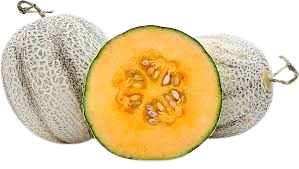
Zebra melon is a specialty muskmelon with a striped rind and orange flesh, containing 34 calories per 100g. One kilogram of raw zebra melon fruit provides 340 calories while a glass of raw zebra melon juice (240ml) delivers 72 calories.
Nutritional evaluations identify zebra melon as a good source of vitamins A and C. A medium serving weighing 150g supplies 54.9mg of Vitamin C (61% DV) and 252mcg of Vitamin A (28% DV). This portion also contains 12.3g of total carbohydrates (4% DV) and 1.35g of fiber (5% DV). Scientific papers, such as the work by Rasmussen, H. M., et al. (2013), point to carotenoids in the fruit that help eye health.
Common varieties of muskmelons related to the Zebra melon are the Netted Muskmelon and the standard Cantaloupe. Zebra melon remains a specialty item in Southeast Asia, particularly Indonesia, where populations enjoy the flesh fresh. Local market prices for zebra melon in Indonesia have risen from $0.75 in 2004 to a range between $1.50 and $2.50 in 2024.
Health experts suggest eating one or two medium portions (150g) of zebra melon and similar melons per day. This portion contains 51 calories. Burning these calories takes 15 minutes of moderate walking, 10 minutes of gardening, or 6 minutes of swimming.
Zebra Melon nutrition
| Stats | Weight |
|---|---|
| Carbs | 12.3 grams |
| Protein | 1.2 grams |
| Fats | 0 grams |
| Sugars | 10.95 grams |
- Large Zebra Melon Calories (Nutritional Facts)
- Medium Zebra Melon Calories (Nutritional Facts)
- Small Zebra Melon Calories (Nutritional Facts)
- Raw Zebra Melon Nutrition
- Sodium in Zebra Melon
- Potassium in Zebra Melon
- Sugar in Zebra Melon
- Fiber in Zebra Melon
- Protein in Zebra Melon
- Carbs in Zebra Melon
- Fat in Zebra Melon
- Vitamins in Zebra Melon
- Minerals in Zebra Melon
Large Zebra Melon Calories (Nutritional Facts)
A large serving of raw zebra melon, equivalent to one cup of diced pieces (250g or 8.8oz), contains 85 calories, 2g of protein, 0.5g of fat, 20.5g of carbohydrates, 2.25g of dietary fiber, and 40mg of sodium. A large glass of raw zebra melon juice (300g or 10.6oz) contains 90 calories, 1.5g of protein, 0.3g of fat, 22.5g of carbohydrates, 0.6g of dietary fiber, and 30mg of sodium.
A medium raw zebra melon serving (150g or 5.3oz) provides 51 calories, 1.2g of protein, 0.3g of fat, 12.3g of carbohydrates, 1.35g of dietary fiber, and 24mg of sodium. A medium serving of raw zebra melon juice, equivalent to one cup (240g or 8.5oz), delivers 72 calories, 1.2g of protein, 0.24g of fat, 18g of carbohydrates, 0.48g of dietary fiber, and 24mg of sodium.
A small serving of raw zebra melon (100g or 3.5oz) has 34 calories, 0.8g of protein, 0.2g of fat, 8.2g of carbohydrates, 0.9g of dietary fiber, and 16mg of sodium. A small serving of raw zebra melon juice (100g or 3.5oz) has 30 calories, 0.5g of protein, 0.1g of fat, 7.5g of carbohydrates, 0.2g of dietary fiber, and 10mg of sodium.
A single raw zebra melon fruit (1000g) contains 340 calories, 8g of protein, 2g of fat, and 82g of total carbohydrates. This serving size also provides 9g of dietary fiber, 2670mg of potassium, and 367mg of Vitamin C. One cup (240g) of raw zebra melon juice contains 72 calories, 1.2g of protein, 0.24g of fat, and 18g of total carbohydrates, which includes 0.48g of fiber, 480mg of potassium, and 50mg of Vitamin C.
A large serving of raw zebra melon pulp (250g or 8.8oz) contains 40mg of sodium (1% DV). A medium raw zebra melon serving (150g or 5.3oz) has 24mg of sodium (1% DV), and a small raw serving (100g or 3.5oz) contains 16mg of sodium (0% DV). One cup of raw zebra melon juice (240g) contains 24mg of sodium (1% DV).
A large serving of raw zebra melon pulp (250g or 8.8oz) provides 667.5mg of potassium (14% DV). A medium raw zebra melon serving (150g or 5.3oz) offers 400.5mg of potassium (8% DV), while a small raw serving (100g or 3.5oz) has 267mg of potassium (5% DV). One cup of raw zebra melon juice (240g) provides 480mg of potassium (10% DV).
A large serving of raw zebra melon pulp (250g or 8.8oz) contains 20.5g of total carbohydrates and 2.25g of fiber, resulting in 18.25g of net carbohydrates, which includes natural sugars. A medium raw zebra melon serving (150g or 5.3oz) contains 10.95g of net carbohydrates, and a small raw serving (100g or 3.5oz) has 7.3g of net carbohydrates. One cup of raw zebra melon juice (240g) contains 17.28g of total sugars.
A large serving of raw zebra melon pulp (250g or 8.8oz) contains 2.25g of dietary fiber (8% DV). A medium raw zebra melon serving (150g or 5.3oz) provides 1.35g of dietary fiber (4% DV), and a small raw serving (100g or 3.5oz) contains 0.9g of dietary fiber (3% DV). One cup of raw zebra melon juice (240g) contains 0.48g of dietary fiber (1% DV).
A large serving of raw zebra melon pulp (250g or 8.8oz) provides 2g of protein (4% DV). A medium raw zebra melon serving (150g or 5.3oz) has 1.2g of protein (2% DV), and a small raw serving (100g or 3.5oz) contains 0.8g of protein (1% DV). One cup of raw zebra melon juice (240g) provides 1.2g of protein (2% DV).
A large serving of raw zebra melon pulp (250g or 8.8oz) contains 20.5g of total carbohydrates (7% DV). A medium raw zebra melon serving (150g or 5.3oz) has 12.3g of carbohydrates (4% DV), and a small raw serving (100g or 3.5oz) provides 8.2g of carbohydrates (3% DV). One cup of raw zebra melon juice (240g) contains 18g of total carbohydrates (6% DV).
A large serving of raw zebra melon pulp (250g or 8.8oz) contains 0.5g of total fat (0% DV). A medium raw zebra melon serving (150g or 5.3oz) has 0.3g of fat (0% DV), and a small raw serving (100g or 3.5oz) contains 0.2g of fat (0% DV). One cup of raw zebra melon juice (240g) contains 0.24g of total fat (0% DV).
A large serving of raw zebra melon pulp (250g or 8.8oz) contains 101% DV of Vitamin C and 46% DV of Vitamin A. A medium raw zebra melon serving (150g or 5.3oz) provides 61% DV of Vitamin C and 28% DV of Vitamin A. A small raw serving (100g or 3.5oz) delivers 40% DV of Vitamin C and 18% DV of Vitamin A. One cup of raw zebra melon juice (240g) contains 55% DV of Vitamin C.
A large serving of raw zebra melon pulp (250g or 8.8oz) provides 7% DV of magnesium, 2% DV of iron, and 3% DV of phosphorus. A medium raw zebra melon serving (150g or 5.3oz) offers 4% DV of magnesium and 1% DV of iron. A small raw serving (100g or 3.5oz) has 2% DV of magnesium and 1% DV of phosphorus. One cup of raw zebra melon juice (240g) provides 3% DV of magnesium and 1% DV of phosphorus.
Get a Custom Report on Zebra Melon Nutrition Data – Contact Us!
What are the Types of Zebra Melons?
The types of zebra melons are limited as the name refers to a specific specialty cultivar of muskmelon (Cucumis melo cantalupensis). The table below presents the nutritional profile for this variety.
| Type | Description | Calories (Per 100g) | Calorie Qualifications |
|---|---|---|---|
|
Zebra Melon
|
A specialty muskmelon with a grey-green striped rind and dark salmon-orange flesh. | 34 | This amount represents the standard caloric value for the species Cucumis melo cantalupensis. |
|
Netted Muskmelon
|
A common muskmelon variety with a netted, tan rind and orange flesh. | 34 | The nutritional profile mirrors the Zebra Melon, differing only in external appearance and rind texture. |
|
Cantaloupe
|
The North American term for muskmelon, with similar characteristics. | 34 | Caloric density remains consistent with other muskmelon cultivars. |
What is the Zebra Melon Calorie for 100 Grams?
One hundred grams (3.5oz) of raw zebra melon contains 34 calories, while one hundred grams of raw zebra melon juice contains 30 calories.
What is the Zebra Melon Calorie for 1 KG?
One kilogram (1000g) of raw zebra melon contains 340 calories, while one kilogram of raw zebra melon juice contains 300 calories.
What is the Calorie of 1 Zebra Melon?
A single raw zebra melon weighing 1000g (35.2oz) contains 340 calories.
What are the Health Benefits of Zebra Melon?
Consuming zebra melon provides distinct health advantages related to a dense concentration of vitamins and hydration. Research data confirms the positive impacts listed below.
- Supports Vision Health: High levels of Vitamin A and beta-carotene assist in maintaining healthy eyesight and preventing vision loss. Johnson, E. J. (2002). "A role for carotenoids in human eye health." The research findings regarding these benefits introduce the table.
- Strengthens Immune Defense: Abundant Vitamin C content assists in the production and function of white blood cells. Carr, A. C., & Maggini, S. (2017). "Vitamin C and Immune Function." The research findings regarding these benefits introduce the table.
- Aids Cardiovascular Function: Potassium helps regulate blood pressure by counteracting the effects of sodium. Houston, M. C. (2011). "The importance of potassium in managing hypertension." The research findings regarding these benefits introduce the table.
- Facilitates Digestive Regularity: Dietary fiber adds bulk to stool to prevent constipation and support gut health. Lattimer, J. M., & Haub, M. D. (2010). "Effects of dietary fiber and its components on metabolic health." The research findings regarding these benefits introduce the table.
- Promotes Fetal Development: The presence of folic acid is crucial for preventing neural tube defects during pregnancy. Czeizel, A. E., & Dudás, I. (1992). "Prevention of the first occurrence of neural-tube defects by periconceptional vitamin supplementation." The research findings regarding these benefits introduce the table.
What are the Downsides of Zebra Melon?
Eating zebra melon carries certain risks related to sugar content and potential allergic reactions. The points below detail the specific nutritional risks of zebra melon consumption.
- Elevates Blood Glucose: Natural sugar levels cause rapid spikes in blood sugar, particularly in individuals with insulin resistance. Francis, R. D., et al. (2019). " Glycemic Index of Selected Foods in Jamaica." The table below shows that monitoring intake prevents glucose fluctuations.
- May Trigger Oral Allergy Syndrome: Individuals with pollen allergies may experience cross-reactivity, leading to an itchy mouth or throat. Sareen, R., & Shah, A. (2011). "Oral allergy syndrome." The table below shows that proteins in the melon can mimic pollen allergens.
- Promotes Gastrointestinal Distress: Excessive consumption of the fruit's fiber and fructose can lead to bloating or cramps. Ebert, M. C., et al. (2016). "Fructose malabsorption." The table below shows that high fructose intake can overwhelm the digestive system's absorption capacity.
- Contains High Water Content: While hydrating, excessive intake can lead to a dilution of electrolytes in the body. Noakes, T. D. (2002). " Fluid And Sodium Balance During Exercise." The table below shows that balancing fluid intake is important for maintaining electrolyte balance.
Are Zebra Melons Good for You?
Yes, zebra melons are good because high concentrations of vitamins and minerals support systemic health. Heart health improves through potassium which helps manage hypertension and maintain stable blood pressure. The meta-analysis "Potassium intake, stroke, and cardiovascular disease" by D'Elia, L., et al. (2011) confirms that increased potassium intake is associated with a lower risk of stroke. Digestive health benefits from fiber which ensures regular bowel movements and supports a healthy gut microbiome. The review "Fiber and prebiotics: mechanisms and health benefits" by Slavin, J. L. (2013) details how fiber intake prevents gastrointestinal disorders. Eye health receives support from Vitamin A and carotenoids, which protect against age-related macular degeneration. The study "Lutein and zeaxanthin in eye and vision health" by Roberts, R. L., et al. (2009) points to the importance of these nutrients for maintaining vision. Immune system function increases due to Vitamin C which bolsters cellular defenses against pathogens. Bone health is maintained by essential minerals like magnesium and phosphorus.
How Does Calorie Change According to Zebra Melon Types?
Energy content remains consistent across different zebra melon and related muskmelon varieties. Caloric values for the Zebra Melon, Netted Muskmelon, and standard Cantaloupe stay identical at 34 calories per 100g (3.5oz). The fundamental structure of the fruit pulp consists of water, carbohydrates, and fiber, which do not vary enough to change the energy density. Ripeness levels might cause minor fluctuations in sugar concentration but the overall caloric impact remains stable. The highest calorie type and the lowest calorie type are the same. Total energy intake depends on the amount consumed rather than the specific cultivar chosen.
What are the Desserts with Zebra Melon?
There are no widely recognized desserts featuring zebra melon in restaurants. Zebra melon is a rare, specialty fruit primarily cultivated and consumed in select regions of Southeast Asia, such as Indonesia. In its native regions, the fruit is enjoyed fresh or juiced, but is not a standard ingredient in commercially available desserts.
What are the Main Dishes with Zebra Melon?
There are no main dishes incorporating zebra melon in restaurants. The fruit is sweet and has a juicy texture, and is best consumed raw.
What Cuisines Do Prefer Zebra Melon the Most?
Zebra melon is almost entirely localized to the regions where it is grown, particularly in Southeast Asian food cultures like in Indonesia. In these areas, it is valued as a snack and drink.
What is the Origin of Zebra Melon?
The origin of the zebra melon is unknown, but the fruit is a specialty variety of muskmelon with distant relatives in Europe and Northern Africa. Today, the melon is cultivated on a small scale, particularly in Southeast Asia. The Bright Indonesia Seed Industry, known as PT BISI International, is a primary producer of Zebra melon seeds for Indonesian farmers. Culinary use began with fresh consumption in local markets where the small size made the fruit easy to transport. This cultivation has made the melon a popular welcome gift in Indonesian hotels and a common fruit grown in home gardens for personal use.
Which Countries Produce the Most Zebra Melons?
The top producers of commercial zebra melons are unrecorded. Agricultural sectors do not cultivate this specialty fruit on a large commercial scale for international trade.
Which Countries Consume the Most Zebra Melons?
The top consumers of commercial zebra melons are unrecorded. Communities in Southeast Asia, especially Indonesia, consume the fruit locally.
How Do Prices of Zebra Melon-Including Dishes Change?
There are no restaurant dishes featuring zebra melons and price comparisons for menu items are unavailable.
Explore More Fruits
Discover more Fruits with detailed nutrition facts, calorie counts, vitamins, minerals, and health benefits. Compare similar foods, serving sizes, macronutrients, and key nutrients to find the best option for your diet and nutrition goals.
 Acai calories
 Acerola calories
 Ambarella calories
 Amla calories
 Apple calories
 Apricot calories
 Avocado calories
 Babaco calories
 Bael Fruit calories
 Banana calories
 Black Grapes calories
 Blackcurrant calories