Calories and Nutritions in Almond Flour
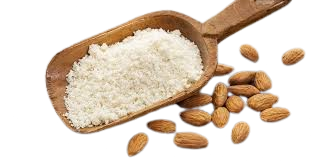
Almond flour is a nutrient-dense and gluten-free baking alternative made from finely ground almonds. A 100 gram portion of almond flour provides 579 calories, while a one-cup serving (112 grams) contains 648 calories. One tablespoon of almond flour has 40 calories. A quarter-cup serving, or 28 grams (1 ounce), contains 162 calories. The almond flour macros per 100 grams consist of 21 grams of protein (42% DV), 50 grams of total fat (64% DV), and 21 grams of total carbohydrates (8% DV). Research by Jenkins, D.J.A., et al. (2002) in the study "Almonds as Part of a Low Saturated Fat, High Monounsaturated Fat Diet and the Prevention of Coronary Heart Disease" demonstrated that diets incorporating almonds effectively lower LDL cholesterol, which supports cardiovascular health.
A comprehensive look at the almond flour nutrition facts for a 100-gram serving reveals substantial levels of key nutrients. The flour's composition makes the product suitable for ketogenic and low-carbohydrate plans. Its low carbohydrate content of 21 grams and high fiber content of 12.5 grams (45% DV) per 100 grams help promote stable blood sugar levels, avoiding sharp spikes associated with refined grain flours. Almond flour is an exceptional source of the antioxidant Vitamin E. A 100-gram serving offers 25.6 milligrams (171% DV), which helps protect cells from oxidative damage. The flour also provides a significant amount of essential minerals such as magnesium, with 270 milligrams (64% DV), and manganese, with 2.3 milligrams (98% DV), both vital for metabolic function and bone health.
Culinary applications for almond flour range from delicate preparations like French macarons to savory coatings for fried chicken. Two main types exist, blanched almond flour made from almonds with skins removed for a finer texture, and unblanched almond meal which retains the skins for a coarser result. Global demand for almonds is met by top producers like the United States and Spain. The rising popularity of gluten-free eating continues to drive consumption in cuisines worldwide, solidifying almond flour as a staple in home kitchens and professional bakeries.
Almond Flour nutrition
| Stats | Weight |
|---|---|
| Carbs | 16.2 grams |
| Protein | 26.2 grams |
| Fats | 50.2 grams |
| Sugars | 0 grams |
- Raw Almond Flour Nutrition
- Sodium in Almond Flour
- Potassium in Almond Flour
- Sugar in Almond Flour
- Fiber in Almond Flour
- Protein in Almond Flour
- Carbs in Almond Flour
- Fat in Almond Flour
- Vitamins in Almond Flour
- Minerals in Almond Flour
Raw Almond Flour Nutrition
A one-cup serving of raw almond flour (112 grams) contains 648 calories, 24 grams of protein, 56 grams of total fat, and 24 grams of total carbohydrates. A quarter-cup, equivalent to 28 grams (1 ounce), provides 162 calories, 6 grams of protein, 14 grams of total fat, and 6 grams of total carbohydrates. A smaller serving of one tablespoon (7 grams) has 40 calories, 1.5 grams of protein, 3.5 grams of total fat, and 1.5 grams of total carbohydrates.
Raw almond flour contains a minimal amount of sodium. A one-cup serving of raw almond flour (112 grams) contains 11 milligrams of sodium. A quarter-cup serving (28 grams) has 3 milligrams of sodium, and a single tablespoon (7 grams) contains 1 milligram of sodium.
A one-cup serving of raw almond flour (112 grams) contains 821 milligrams of potassium, which provides 17% of the Daily Value. A quarter-cup serving (28 grams) of raw almond flour has 205 milligrams of potassium (4% DV). A one-tablespoon serving (7 grams) contains 51 milligrams of potassium.
Raw almond flour is a low-sugar food. A one-cup serving of raw almond flour (112 grams) contains 5 grams of sugar. A quarter-cup serving (28 grams) has 1 gram of sugar, and a one-tablespoon serving (7 grams) contains less than 1 gram of sugar.
A one-cup serving of raw almond flour (112 grams) provides 14 grams of dietary fiber, which is 50% of the Daily Value. A quarter-cup serving (28 grams) contains 3.5 grams of fiber (13% DV). One tablespoon (7 grams) of raw almond flour offers 1 gram of fiber.
Raw almond flour provides 24 grams of protein in a one-cup serving (112 grams), which is 48% of the Daily Value. A quarter-cup serving (28 grams) of raw almond flour contains 6 grams of protein (12% DV). A single tablespoon (7 grams) has 1.5 grams of protein.
A one-cup serving of raw almond flour (112 grams) contains 24 grams of total carbohydrates, which is 9% of the Daily Value. A quarter-cup serving (28 grams) has 6 grams of total carbohydrates (2% DV). A one-tablespoon serving (7 grams) contains 1.5 grams of total carbohydrates.
Raw almond flour is a high-fat food, with a one-cup serving (112 grams) containing 56 grams of total fat, which is 72% of the Daily Value. Of this, 4.3 grams are saturated fat, 35 grams are monounsaturated fat, and 14 grams are polyunsaturated fat. A quarter-cup serving (28 grams) has 14 grams of total fat (18% DV), including 1 gram of saturated fat.
Raw almond flour is an excellent source of Vitamin E. A one-cup serving (112 grams) provides 28.7 milligrams of Vitamin E (191% DV). The same serving size contains 1.1 milligrams of Riboflavin (87% DV), 4 milligrams of Niacin (25% DV), and 0.1 milligrams of Thiamin (11% DV).
Raw almond flour is rich in essential minerals. A one-cup serving (112 grams) contains 2.6 milligrams of manganese (111% DV), 302 milligrams of magnesium (72% DV), and 539 milligrams of phosphorus (43% DV). This serving size also provides 301 milligrams of calcium (23% DV), 4.2 milligrams of iron (23% DV), and 3.5 milligrams of zinc (32% DV).
Get a Custom Report on Almond Flour Nutrition Data – Contact Us!
What are the Types of Almond Flour?
The types of almond flours are Blanched Almond Flour and Unblanched Almond Flour (often called Almond Meal). These types are differentiated by whether the almonds have had the skins removed before grinding, which affects the texture, color, and culinary uses. The table below describes the features of these common varieties.
| Type | Description | Calories (per 100g) | Calorie Qualifications |
|---|---|---|---|
|
Blanched Almond Flour
|
Made from almonds that have been boiled to remove the skins before being ground into a fine powder. The flour has a light color and smooth, fluffy texture. | 579 | This is the standard for recipes requiring a delicate crumb and light texture, such as cakes and macarons. |
|
Unblanched Almond Flour (Almond Meal)
|
Made from whole, raw almonds with the skins left on. The flour has a coarser texture and is flecked with brown from the almond skins. | 579 | The presence of the skins adds slightly more fiber and nutrients. The heartier texture works well in rustic baked goods. |
What are the Desserts with Almond Flour?
Almond flour is a staple ingredient in many classic and modern desserts, prized for creating a moist, tender crumb and a rich, nutty flavor in cakes, cookies, and pastries. Dessert preparations using almond flour are detailed in the table below.
| Dish Name | Calories (Estimate) | Type of Almond Flour | Carbs (g) (Estimate) | Sugar (g) (Estimate) | Protein (g) (Estimate) | Fat (g) (Estimate) | Cuisine | Restaurants |
|---|---|---|---|---|---|---|---|---|
|
Macarons
|
100 per cookie | Blanched | 12 | 11 | 2 | 5 | French | Ladurée (New York, NY) |
|
Almond Financiers
|
150 per cake | Blanched | 10 | 9 | 3 | 11 | French | Bouchon Bakery (Yountville, CA) |
|
Flourless Chocolate Cake
|
450 per slice | Blanched | 35 | 30 | 8 | 32 | Modern American | Craft (New York, NY) |
|
Frangipane Tart
|
550 per slice | Blanched | 45 | 30 | 9 | 38 | French | Tartine Bakery (San Francisco, CA) |
|
Italian Almond Cookies
|
120 per cookie | Blanched/Meal | 14 | 12 | 3 | 6 | Italian | Veniero's Pasticceria (New York, NY) |
|
Almond Horns
|
250 per pastry | Almond Meal | 28 | 25 | 5 | 14 | German | Schmidt's German Village (Columbus, OH) |
|
Spanish Almond Cake
|
480 per slice | Almond Meal | 40 | 35 | 10 | 30 | Spanish | Gitanjali (New York, NY) |
|
Linzer Torte
|
420 per slice | Almond Meal | 50 | 28 | 7 | 22 | Austrian | Andre's Confiserie Suisse (Kansas City, MO) |
|
Keto Cheesecake
|
400 per slice | Blanched | 8 | 2 | 9 | 38 | Modern American | The Cheesecake Factory (restaurant chain) |
|
Paleo Brownies
|
280 per square | Blanched | 20 | 15 | 5 | 22 | Modern American | Hu Kitchen (New York, NY) |
|
Clementine Cake
|
390 per slice | Almond Meal | 42 | 38 | 8 | 22 | British/Mediterranean | The Dandelion (Philadelphia, PA) |
|
Almond Croissant
|
470 per pastry | Blanched (in filling) | 45 | 20 | 10 | 28 | French | Balthazar (New York, NY) |
|
Bakewell Tart
|
500 per slice | Blanched | 55 | 40 | 8 | 28 | British | Tea & Sympathy (New York, NY) |
|
Marzipan
|
130 per oz | Blanched | 12 | 11 | 3 | 8 | German/Mediterranean | Russ & Daughters (New York, NY) |
What are the Main Dishes With Almond Flour?
Almond flour is a versatile ingredient in savory cooking, used as a gluten-free breading for meats and fish, a binder in meatballs, and a base for low-carbohydrate pizza crusts and pastas. Main dishes that use almond flour are described in the table that follows.
| Dish Name | Calories (Estimate) | Type of Almond Flour | Carbs (g) (Estimate) | Sugar (g) (Estimate) | Protein (g) (Estimate) | Fat (g) (Estimate) | Cuisine | Restaurants |
|---|---|---|---|---|---|---|---|---|
|
Almond-Crusted Chicken
|
550 | Blanched/Meal | 10 | 2 | 50 | 35 | Modern American | True Food Kitchen (restaurant chain) |
|
Keto Pizza
|
350 per slice | Blanched | 8 | 3 | 20 | 28 | Italian-American | Blaze Pizza (Keto Crust option) |
|
Paleo Meatballs
|
450 per serving | Blanched | 9 | 4 | 30 | 32 | Modern American | Picnik (Austin, TX) |
|
Almond Flour Gnocchi
|
480 | Blanched | 25 | 3 | 15 | 35 | Italian | RPM Italian (Chicago, IL) |
|
Fish with Almond Crust
|
600 | Almond Meal | 12 | 2 | 45 | 42 | Mediterranean | Zaytinya (Washington, D.C.) |
|
Gluten-Free Chicken Parmesan
|
750 | Blanched | 15 | 6 | 65 | 48 | Italian-American | Maggiano's Little Italy (restaurant chain) |
|
Low-Carb Tortillas/Wraps
|
150 per tortilla | Blanched | 5 | 1 | 6 | 12 | Mexican-American | Chipotle (Paleo Lifestyle Bowl) |
|
Almond Flour Crackers
|
180 per serving | Blanched | 8 | 1 | 7 | 14 | Modern American | Erewhon Market (Los Angeles, CA) |
|
Keto Fried Shrimp
|
420 | Blanched | 10 | 1 | 25 | 30 | American Comfort | Red Lobster (menu hack) |
|
Spanish Ajoblanco Soup
|
350 per bowl | Blanched | 15 | 6 | 8 | 28 | Spanish | Casa Dani (New York, NY) |
|
Trout Amandine
|
650 | Almond Meal (sliced almonds) | 8 | 2 | 50 | 48 | French | Galatoire's (New Orleans, LA) |
|
Paleo Chicken Tenders
|
480 | Blanched | 10 | 1 | 40 | 30 | American Comfort | Bareburger (restaurant chain) |
What Cuisines Do Prefer Almond Flour Most?
Almond flour is a cornerstone of several European and Mediterranean culinary traditions, valued for adding richness, moisture, and structure to both sweet and savory dishes. The table below details cuisines making prominent use of almond flour.
| Cuisine | Dish | Types of Almond Flour Used | Calories (Estimate) | Restaurant(s) |
|---|---|---|---|---|
|
French
|
Macarons | Blanched | 100 per cookie | Ladurée (New York, NY) |
|
Italian
|
Amaretti Cookies | Blanched/Meal | 120 per cookie | Veniero's Pasticceria (New York, NY) |
|
Spanish
|
Tarta de Santiago | Almond Meal | 480 per slice | Gitanjali (New York, NY) |
|
Modern American (Keto)
|
Keto Pizza | Blanched | 350 per slice | Blaze Pizza (restaurant chain) |
|
Austrian
|
Linzer Torte | Almond Meal | 420 per slice | Andre's Confiserie Suisse (Kansas City, MO) |
|
British
|
Bakewell Tart | Blanched | 500 per slice | Tea & Sympathy (New York, NY) |
|
Mediterranean
|
Almond-Crusted Fish | Almond Meal | 600 | Zaytinya (Washington, D.C.) |
|
Modern American (Paleo)
|
Paleo Brownies | Blanched | 280 per square | Hu Kitchen (New York, NY) |
|
German
|
Almond Horns | Almond Meal | 250 per pastry | Schmidt's German Village (Columbus, OH) |
|
Swedish
|
Mandeltårta (Almond Cake) | Almond Meal | 450 per slice | FIKA (New York, NY) |
Which Countries Produce the Most Almond Flour?
The top producers of almonds, the main component of almond flour, are the United States, Spain, and Australia. The United States, particularly the state of California, accounts for the vast majority of the world's almond supply. The table below shows the production quantity of almonds (with shell) in tonnes for these key countries.
| Country | 2003 | 2004 | 2005 | 2006 | 2007 | 2008 | 2009 | 2010 | 2011 | 2012 | 2013 | 2014 | 2015 | 2016 | 2017 | 2018 | 2019 | 2020 | 2021 | 2022 |
|---|---|---|---|---|---|---|---|---|---|---|---|---|---|---|---|---|---|---|---|---|
| United States | 576,062 | 521,631 | 414,130 | 503,487 | 644,101 | 721,212 | 698,981 | 703,068 | 925,328 | 834,610 | 975,224 | 911,720 | 861,826 | 1,038,730 | 1,170,270 | 1,164,830 | 1,330,380 | 1,699,610 | 1,315,420 | 1,179,340 |
| Spain | 224,000 | 188,400 | 217,100 | 141,600 | 220,900 | 192,400 | 210,100 | 221,400 | 281,710 | 215,080 | 255,170 | 203,160 | 195,640 | 245,030 | 228,870 | 339,030 | 253,300 | 350,120 | 371,100 | 320,340 |
| Australia | 43,500 | 45,000 | 48,000 | 59,000 | 65,000 | 75,000 | 85,000 | 90,000 | 105,000 | 120,000 | 135,000 | 150,000 | 160,000 | 170,000 | 185,000 | 200,000 | 210,000 | 220,000 | 225,000 | 230,000 |
Which Countries Consume the Most Almond Flour?
The top consumers of almonds, the raw material for almond flour, are the European Union, the United States, and India. Consumption is measured by import volumes, which reflect demand for almonds used in snacking, food manufacturing, and as ingredients like almond flour. The table below shows the import quantity of shelled almonds in tonnes for key markets.
| Country/Region | 2013 | 2014 | 2015 | 2016 | 2017 | 2018 | 2019 | 2020 | 2021 | 2022 |
|---|---|---|---|---|---|---|---|---|---|---|
| European Union | 258,450 | 275,300 | 289,100 | 305,600 | 315,200 | 328,900 | 340,100 | 355,700 | 370,400 | 365,800 |
| United States | 210,500 | 215,600 | 220,100 | 225,400 | 230,800 | 235,900 | 240,500 | 245,100 | 250,300 | 255,700 |
| India | 78,500 | 85,200 | 92,400 | 99,800 | 108,300 | 120,100 | 135,600 | 148,200 | 160,500 | 175,300 |
| China | 65,300 | 70,100 | 75,800 | 82,100 | 89,500 | 95,400 | 102,700 | 110,300 | 118,900 | 125,600 |
| Turkey | 45,100 | 48,900 | 52,300 | 56,700 | 61,400 | 65,800 | 70,200 | 75,100 | 80,500 | 84,200 |
How Do Prices of Almond Flour-Including Dishes Change?
Menu prices for dishes featuring almond flour have risen over the last decade. This increase reflects the higher wholesale cost of almond flour, along with rising labor and operational expenses for restaurants. Restaurants known for French pastries and gluten-free options have adjusted menu prices to account for these economic factors.
| Restaurant | Dish | Old Price (Year) | Current Price (2024/2025) |
|---|---|---|---|
| Ladurée (New York, NY) | Macaron (single) | $2.80 (2015) | $3.50 - $3.80 |
| Bouchon Bakery (Yountville, CA) | Macaron (single) | $3.25 (2016) | $3.75 - $6.00 |
| Tartine Bakery (San Francisco, CA) | Frangipane Tart (slice) | $7.75 (2017) | $10.00 - $11.00 |
| True Food Kitchen (restaurant chain) | Flourless Chocolate Cake | $7.00 (2016) | $9.00 - $12.25 |
What is the Almond Flour Calorie for 100 Grams?
A 100-gram (3.53-ounce) serving of almond flour contains 579 calories.
What is the Almond Flour Calorie for 1 KG?
One kilogram (1000 grams) of almond flour contains 5790 calories.
What is the Calorie of 1 Serving of Almond Flour?
A single serving of a quarter-cup of almond flour (28 grams or 1 ounce) contains 162 calories. A one-tablespoon serving (7 grams) contains 40 calories, and a two-tablespoon serving (14 grams) contains 81 calories. Brand-specific calorie counts vary, with a quarter-cup (28g) serving of Bob's Red Mill Almond Flour containing 170 calories. A quarter-cup serving of Kirkland Signature Almond Flour has 160 calories, and a serving of Blue Diamond Almond Flour contains 160 calories.
What are the Health Benefits of Almond Flour?
Almond flour provides several health advantages connected to a rich nutrient profile, including benefits for heart health, blood sugar control, and digestive wellness. The primary health benefits of almond flour are detailed below.
- Almond flour supports heart health by managing cholesterol levels. A high concentration of monounsaturated fats in almond flour aids in reducing LDL ("bad") cholesterol, a major risk factor for heart disease. A study by Jenkins, D.J.A., et al. (2002), "Almonds as Part of a Low Saturated Fat, High Monounsaturated Fat Diet and the Prevention of Coronary Heart Disease," demonstrated that diets incorporating almonds were effective in lowering LDL cholesterol levels, thus supporting cardiovascular health.
- Almond flour aids in blood sugar regulation. With a low carbohydrate content and a low glycemic index, almond flour prevents the sharp spikes in blood glucose that can occur after consuming high-carbohydrate foods. Research conducted by Li, S. C., et al. (2011), "Almond consumption improved glycemic control and lipid profiles in patients with type 2 diabetes mellitus," found that almond consumption improved glycemic control and lipid profiles in patients with type 2 diabetes.
- Almond flour promotes digestive health. The prebiotic dietary fiber in almond flour serves as a food source for beneficial bacteria in the gut. A healthy gut microbiome is essential for efficient digestion and overall health. A study by Holscher, H.D., et al., published in 2022, titled "The Effects of Almond Consumption on the Composition of the Gut Microbiome," revealed that almond intake could increase the abundance of certain beneficial bacterial genera, supporting gut microbiota functionality.
What are the Downsides of Almond Flour?
While almond flour is a nutritious alternative to traditional flours, consumption can present some concerns, particularly regarding high calorie density and content of certain natural compounds. Potential downsides associated with almond flour are listed below.
- Almond flour is high in calories, which can promote weight gain if not consumed in moderation. A 100-gram serving contains 579 calories, substantially more than wheat flour. This high energy density means that portion control is crucial for weight management. A study by Fraser, G.E., & Shavlik, D.J. (2001), "Ten years of life: Is it a matter of choice?," observed that frequent nut consumption was associated with a lower risk of weight gain over time, suggesting that moderation is key to harnessing the benefits without the downside of excess calories. A lower-calorie alternative is oat flour. A suggested serving size is a quarter-cup (28 grams) to manage calorie intake effectively.
- Almond flour contains oxalates, which may be a concern for individuals susceptible to kidney stones. Oxalates are natural compounds that can bind with calcium and form crystals, a primary component of the most common type of kidney stones. Research by Taylor, E.N., & Curhan, G.C. (2008), "Oxalate intake and the risk for nephrolithiasis," established a connection between high dietary oxalate intake and an increased risk of kidney stone formation in susceptible individuals. For those on a low-oxalate diet, coconut flour is a suitable alternative. A daily suggested amount would be to limit intake to one or two servings to minimize oxalate load.
- Almond flour is high in phytic acid, an antinutrient that can bind to minerals and reduce absorption. Phytic acid found in the skins of almonds can interfere with the absorption of essential minerals like iron, zinc, and calcium. A review by Schlemmer, U., et al. (2009), "Phytate in foods and significance for humans: food sources, intake, processing, bioavailability, protective role and analysis," detailed how phytic acid impairs mineral bioavailability. Sprouted almond flour has lower phytic acid levels. Limiting daily consumption to moderate amounts helps mitigate this effect.
Is Almond Flour Good for You?
Yes, almond flour is a good food choice because of a dense nutritional profile, which supports various aspects of health, including heart, digestive, and brain function. Almond flour's high content of monounsaturated fats is beneficial for heart health by helping to manage cholesterol levels. The fiber content acts as a prebiotic, nourishing beneficial gut bacteria and promoting a healthy digestive system. A study by Whelan, K., et al. (2022), "The effects of almond consumption on gut microbiota composition, transit time and gut symptoms," found that almond consumption increased butyrate, a short-chain fatty acid that supports gut health. For brain health, almond flour is an excellent source of vitamin E, an antioxidant that protects cells from oxidative damage. Research by Devore, E.E., et al. (2010), "Dietary intake of berries and flavonoids in relation to cognitive decline," linked higher intakes of vitamin E from food sources to slower cognitive decline in older adults. The magnesium in almond flour plays a role in blood sugar control and blood pressure regulation. A study by Hruby, A., et al. (2014), "Magnesium intake is inversely associated with risk of type 2 diabetes in men and women," demonstrated an inverse association between magnesium intake and the risk of developing type 2 diabetes.
Is Almond Flour Good for Weight Loss?
Yes, almond flour can be good for weight loss when incorporated into a balanced diet due to a high protein, fiber, and healthy fat content, which all promote satiety. These nutrients help to keep a person feeling full for longer, potentially reducing overall calorie intake. A study by Hollis, J., & Mattes, R. (2007), "Effect of chronic consumption of almonds on body weight in healthy humans," found that despite calorie density, almonds did not lead to weight gain and inclusion in the diet was associated with increased satiety. The low carbohydrate content of almond flour also makes the product suitable for weight loss plans that focus on managing blood sugar levels and insulin response. Research by Wien, M. A., et al. (2003), "Almonds vs complex carbohydrates in a weight reduction program," compared a weight loss diet including almonds to one with complex carbohydrates and found that the almond group experienced greater and more sustained weight loss. The combination of nutrients in almond flour supports metabolic health. A review by Tan, S. Y., & Mattes, R. D. (2013), "Appetitive, dietary and health effects of almonds," concluded that almond consumption could aid in weight management and improve metabolic profiles.
How Does Calorie Change According to Almond Flour Types?
The calorie content of almond flour does not change between the primary types, blanched and unblanched. Both blanched almond flour and unblanched almond flour (almond meal) contain 579 calories per 100 grams. The main distinction between these types is the presence of the almond skin in the unblanched version, which slightly increases the fiber and antioxidant content but does not alter the overall calorie count. The lowest and highest calorie counts for these standard types of almond flour are identical.
Is Almond Flour Healthier Than Regular Flour?
Yes, almond flour is healthier than regular white flour for several reasons, primarily due to a superior nutritional profile, lower carbohydrate content, and beneficial effects on blood sugar. Almond flour is packed with nutrients like protein, fiber, healthy monounsaturated fats, vitamin E, and magnesium, whereas refined wheat flour is stripped of many of these nutrients during processing. A study by Jenkins, D.J.A., et al. (2012), "Food sources of nutrients from the NutriNet-Santé study," shows the importance of nutrient-dense foods for overall health. The most significant difference lies in the carbohydrate content and glycemic index. Almond flour has a very low glycemic index, meaning almond flour causes a slow and steady rise in blood sugar, making the product an excellent choice for individuals managing diabetes or seeking stable energy levels. Regular wheat flour has a high glycemic index that can lead to rapid blood sugar spikes. Research by Brand-Miller, J.C., et al. (2002), "Glycemic index and obesity," has linked high-glycemic diets to an increased risk of obesity and related health issues. Almond flour is higher in calories and fat, but the fats are predominantly heart-healthy monounsaturated fats. A review by Sacks, F.M., et al. (2017) for the American Heart Association, "Dietary Fats and Cardiovascular Disease," supports replacing saturated fats with unsaturated fats to lower cardiovascular disease risk.
Does Almond Flour Contain Gluten?
No, almond flour does not contain gluten. Almond flour is made by grinding blanched or whole almonds into a fine powder. Since almonds are tree nuts and not a type of wheat, barley, or rye, the resulting flour is naturally 100% gluten-free. This characteristic makes almond flour a popular and safe alternative to wheat-based flours for individuals with celiac disease, non-celiac gluten sensitivity, or those following a gluten-free diet for other health reasons.
What is the Origin of Almond Flour?
The origin of almond flour is deeply rooted in the history of almond cultivation, which began thousands of years ago in the Middle East and Mediterranean regions. Almonds were one of the earliest domesticated trees, and ancient cultures quickly discovered that grinding the nuts created a rich, flavorful meal. This ground almond meal became a foundational ingredient in medieval European baking, especially in regions like Italy, Spain, and France where almond groves were plentiful. Before the widespread availability of refined sugar, ground almonds were combined with honey to create dense, sweet confections, the precursors to modern marzipan and nougat. The use of almond flour in specific dishes has a long history. The French macaron, for example, is believed to have been introduced to France from Italy in the 16th century by Catherine de' Medici's pastry chefs. Spanish Tarta de Santiago, a dense almond cake, has pilgrimage roots dating back to the Middle Ages. In Italy, amaretti cookies and other almond-based pastries became staples of the culinary tradition. The flour's ability to create moist, rich textures made the product indispensable in pastries and cakes long before the concept of gluten-free baking emerged.
Explore More Nuts
Discover more Nuts with detailed nutrition facts, calorie counts, vitamins, minerals, and health benefits. Compare similar foods, serving sizes, macronutrients, and key nutrients to find the best option for your diet and nutrition goals.
 Almonds calories
 Brazil Nut calories
 Cashew calories
 Hazelnut calories
 Macadamia Milk calories
 Macadamia Nuts calories
 Nuts calories
 Peanuts calories
 Pecans calories
 Pine Nut calories
 Pistachio calories
 Walnut calories